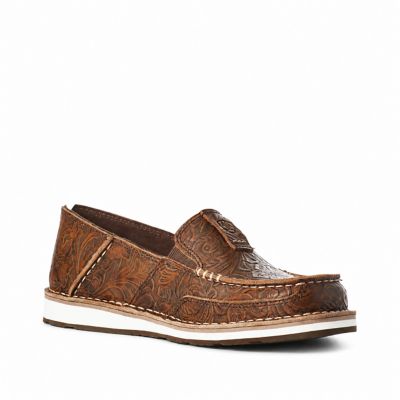
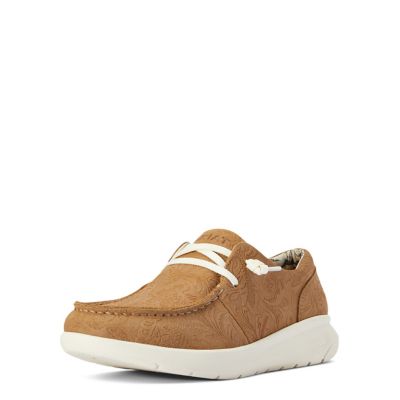
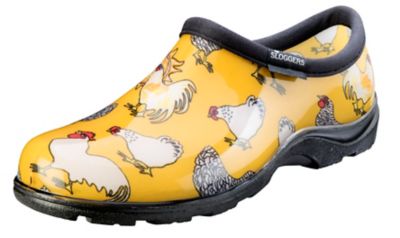
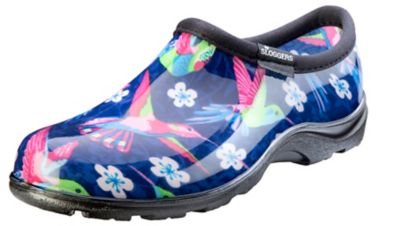
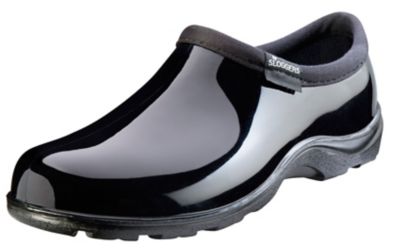
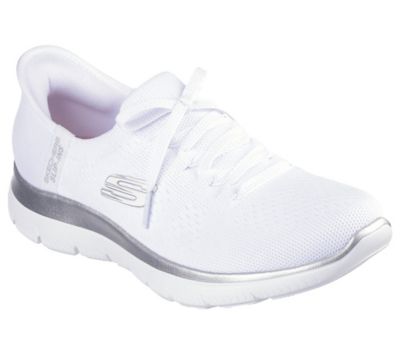
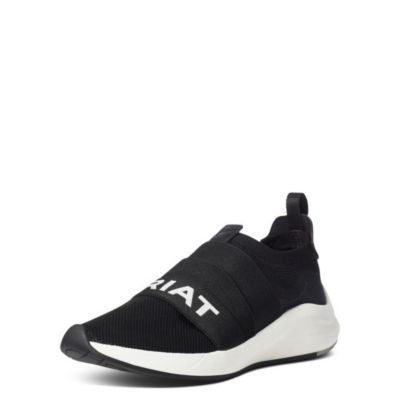
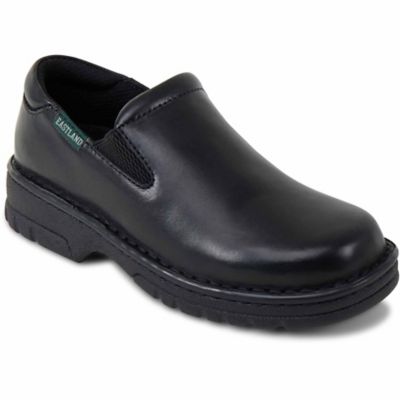
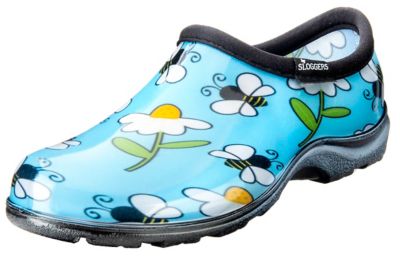
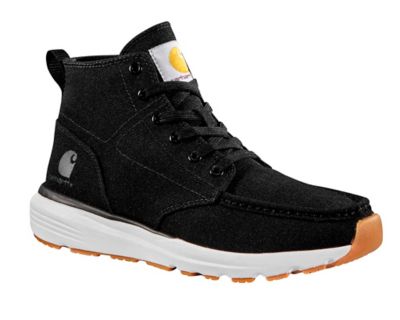
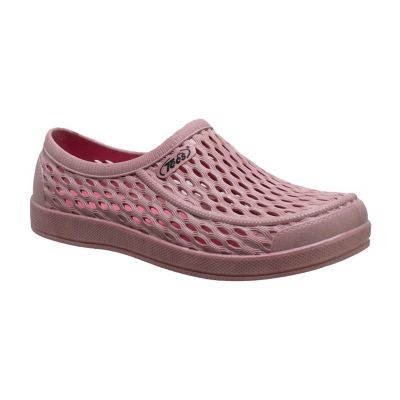
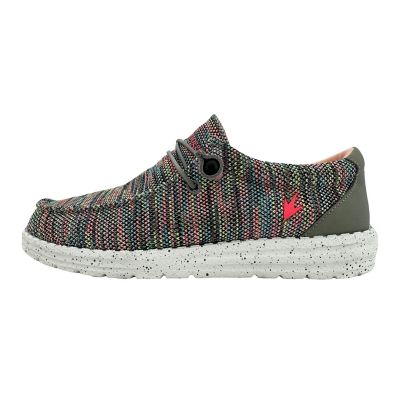
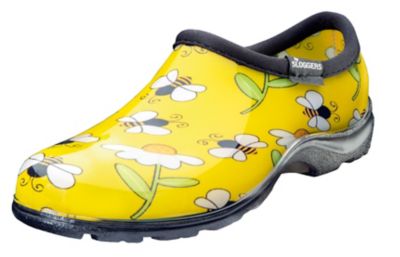
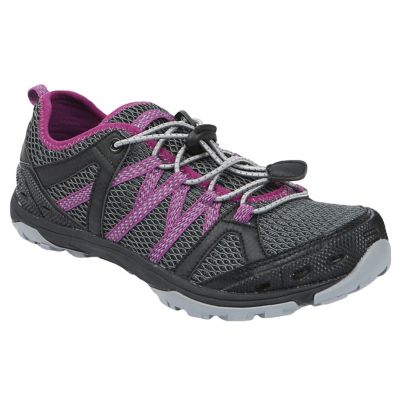
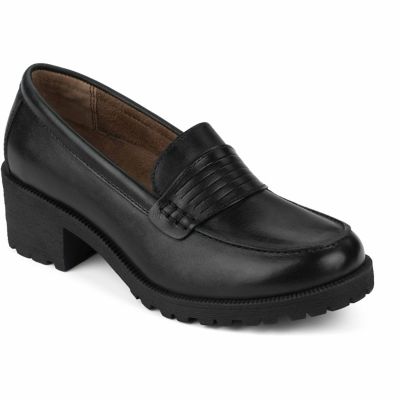
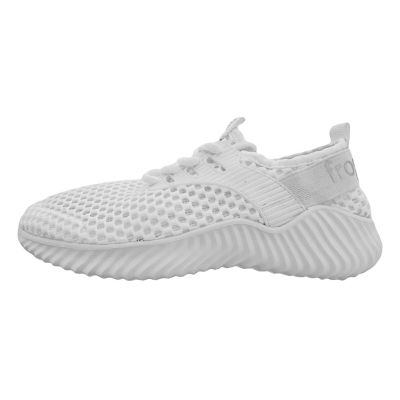
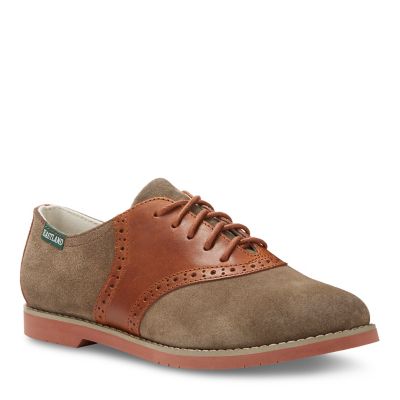
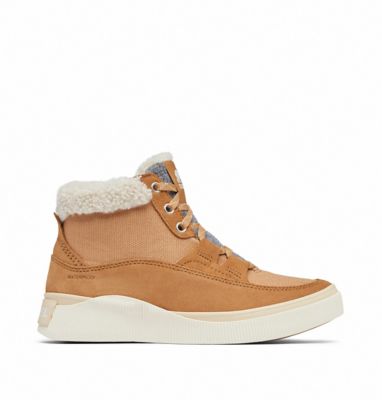
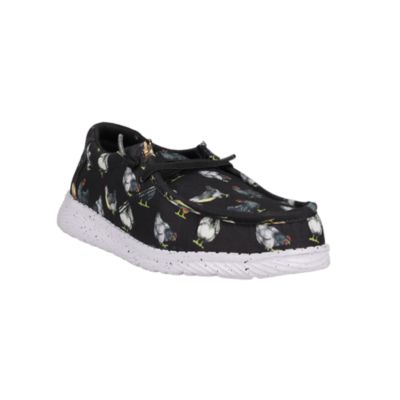
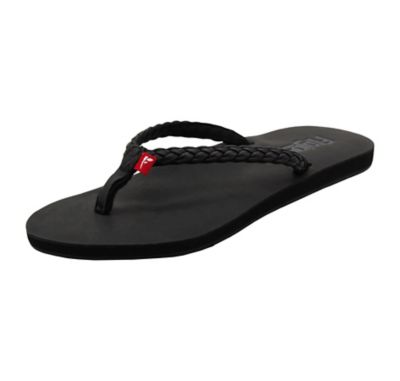
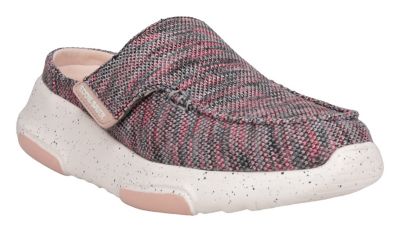
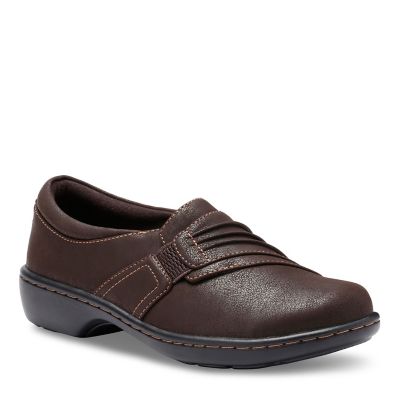
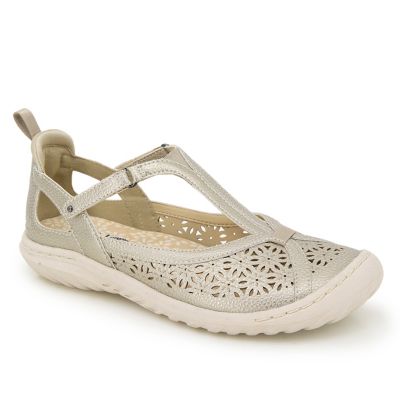
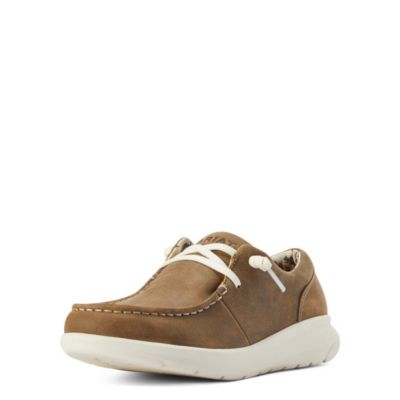
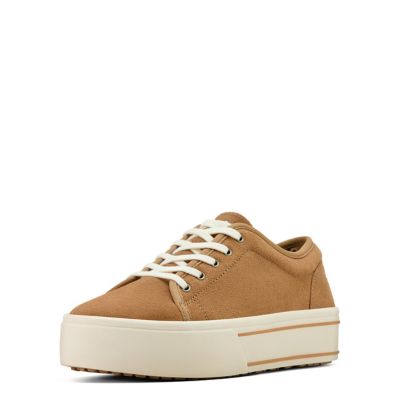
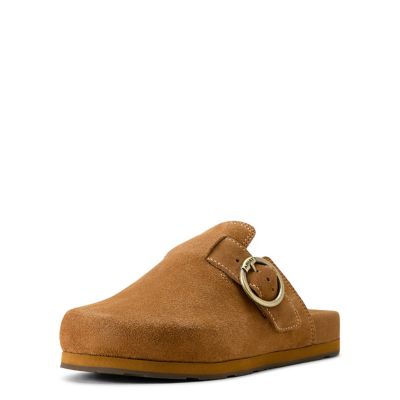
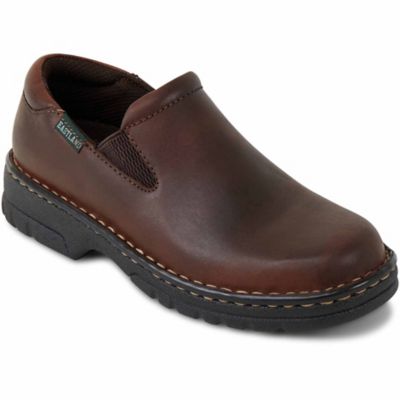
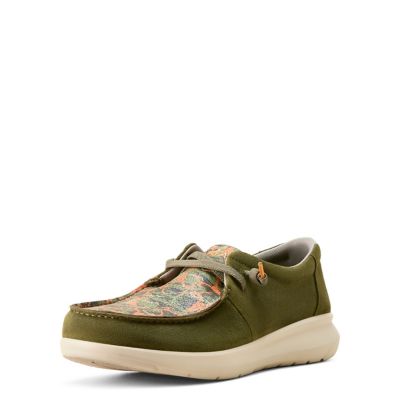
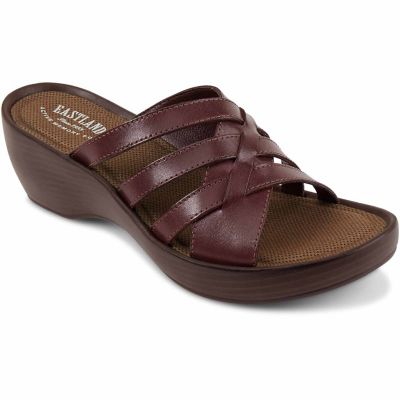
Spring shoes for women include sneakers, flats, loafers, slip-ons, and sandals that suit everything from everyday errands to a Sunday gathering. The right pair brings together a comfortable fit, materials suited to the setting, and a shape that works with the clothes already in the closet. Low-profile sneakers pair easily with straight-leg jeans, cropped pants, and casual dresses, offering a laid-back look for a trip into town or an afternoon spent visiting family. Canvas gives sneakers a light, familiar feel, while mesh panels allow more airflow around the foot. Leather uppers offer a smoother finish that can be wiped down after a dusty walk across the driveway, though their care needs differ from those of fabric shoes. Woven flats and Mary Jane styles provide another option for spring outfits, with open textures that let air through and straps that help hold the foot in place. Ballet flats have a simple silhouette that slips neatly under a longer hem or sits well with ankle-length pants; cushioning and toe shape make a real difference when the day involves more standing than sitting. Loafers bring a slightly dressier touch without requiring a heel, making them a natural match for workdays, church, or lunch on the town square. Brown, tan, black, and soft neutral shades work with plenty of outfits, while lighter colors and patterned fabrics can add a little personality. Sandals offer an open feel for mild spring afternoons, with flat soles, wedges, and block heels giving shoppers different levels of height and coverage. A broad heel base can feel steadier than a narrow heel, although uneven gravel and soft grass still call for care. Across these styles, women’s spring footwear can range from easygoing everyday pairs to shoes that feel dressed up enough for a family celebration, without making every outing call for a completely different wardrobe.
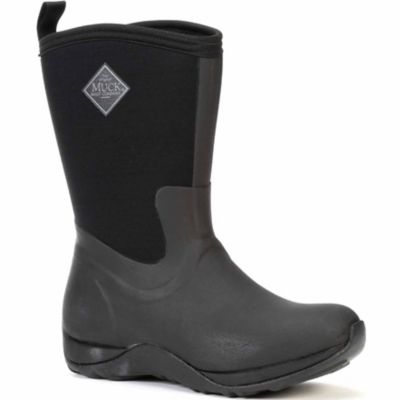
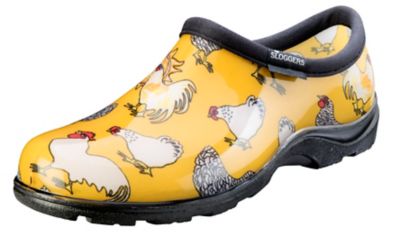
Comfort in spring footwear comes from more than a soft first step. Toe room, heel hold, arch shape, and the way the sole bends all affect how a shoe feels after several hours. A roomy toe box lets toes lie naturally instead of pressing together, while a snug heel fit helps limit rubbing from repeated movement. Feet can swell over the course of the day, so a fit that feels close in the morning may feel tighter after a long stretch on foot. The socks worn with a shoe matter, too: a sneaker fitted with thin liner socks may feel different with a cushioned pair. Lace-up shoes allow small adjustments across the top of the foot, while buckles and adjustable sandal straps can help accommodate differences in foot shape. Slip-ons are convenient by the back door, but they still need enough hold that the foot does not slide forward or lift excessively at the heel. For women who wear orthotics, removable footbeds and sufficient interior space may be important considerations. Cushioning can soften the feel of hard surfaces, but a stable base and suitable support matter just as much for afternoons spent walking between shops or standing at a school event. Breathable mesh and woven uppers suit dry settings where airflow is welcome; those openings also allow water and fine dirt inside. Canvas can pick up moisture, and untreated leather is not automatically waterproof. Water-resistant materials offer some protection from light splashes, while waterproof claims depend on the construction of the whole shoe, not just its upper. Outsole tread deserves attention around damp sidewalks and muddy parking areas, though no sole can prevent every slip. Closed-toe shoes provide more coverage than sandals, but ordinary casual footwear is not a substitute for task-appropriate protection around livestock, power equipment, or heavy materials. For days that call for higher coverage,
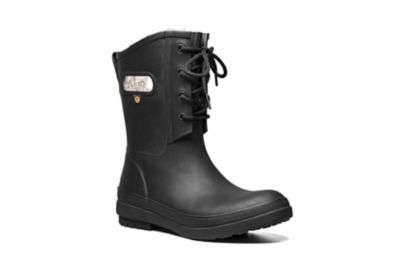
Spring Boots For Women offers a related footwear category to consider alongside lower-cut styles.
Materials and construction also influence how spring shoes hold up to regular wear and how much attention they need between outings. Leather can soften with wear and develop natural creasing, but shoes should not require painful breaking in to feel wearable. Fabric uppers often flex readily, while synthetic materials vary widely in breathability, stretch, and cleaning requirements. Reinforced areas around the toe and heel can help manage everyday scuffs, and secure stitching or well-bonded sole edges are worth noting on shoes meant for frequent wear. A flexible forefoot helps a shoe move with the foot, while enough structure through the middle can keep it from feeling flimsy underfoot. Different surfaces place different demands on a pair: a smooth indoor floor, a gravel lane, and a paved walking path do not call for exactly the same outsole. Care is usually straightforward when it matches the material. Loose dirt can often be brushed away before it settles into seams, and many smooth uppers respond well to a lightly damp cloth. Suede and nubuck need methods intended for their textured surfaces, while woven materials benefit from gentle cleaning that does not pull or stretch the weave. Machine washing is appropriate only when the manufacturer allows it. Shoes that get wet generally need time to air-dry away from direct heat, which can affect adhesives, leather, and some synthetic components. Letting pairs dry fully between outings can help manage moisture inside, especially after long days on foot. Sandal straps, heel linings, and outsole edges are useful places to check for wear before a busy day away from home. For gifting, women’s spring shoes make the most sense when the recipient’s size, preferred width, and everyday habits are known. Someone who spends afternoons walking through town may appreciate a different fit and sole than someone dressing for seated gatherings. Familiar silhouettes, practical colors, and closures that are easy to manage help make a pair feel at home in an everyday routine. Whether paired with denim for errands or a cotton dress for a family get-together, spring shoes earn their place through a comfortable fit and a good match for the day ahead.