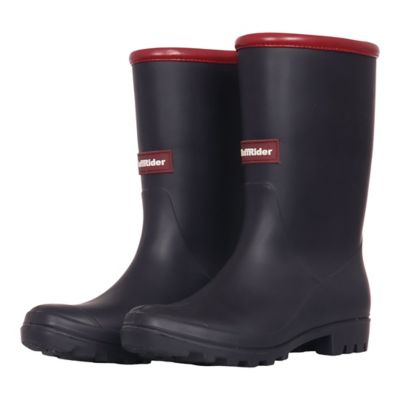
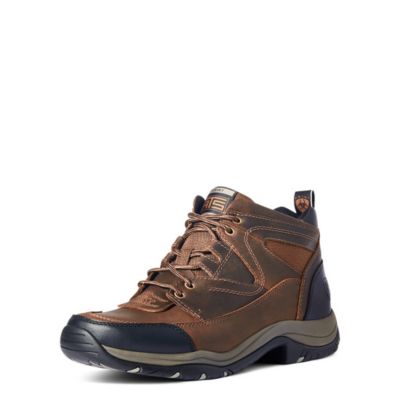
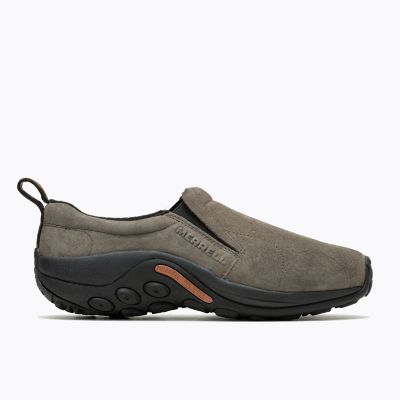
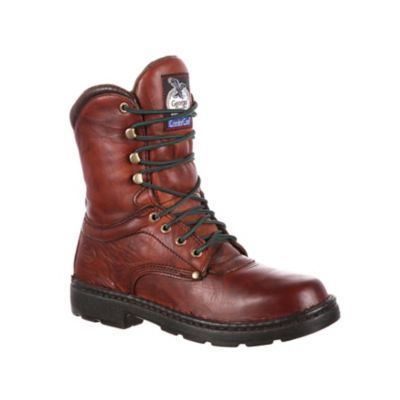
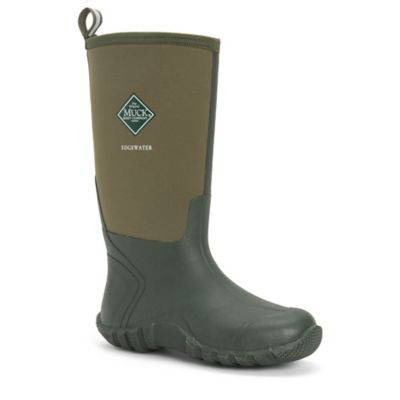
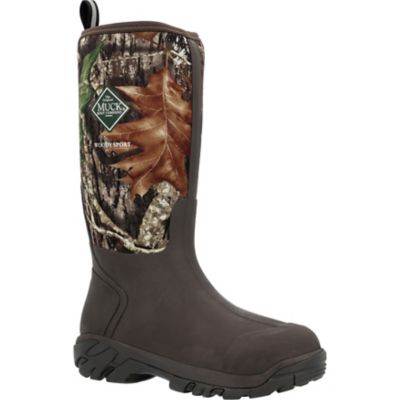
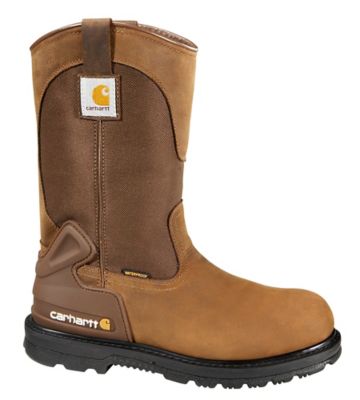
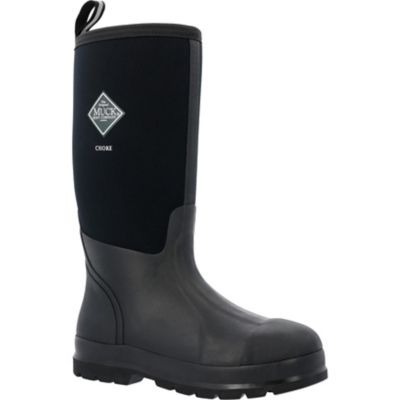
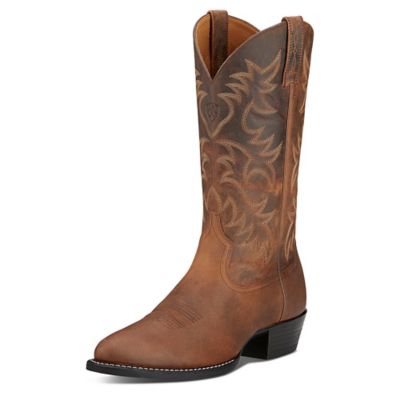
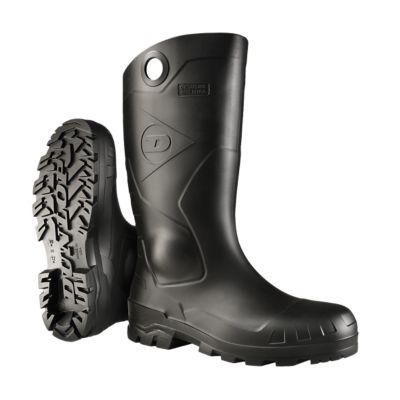
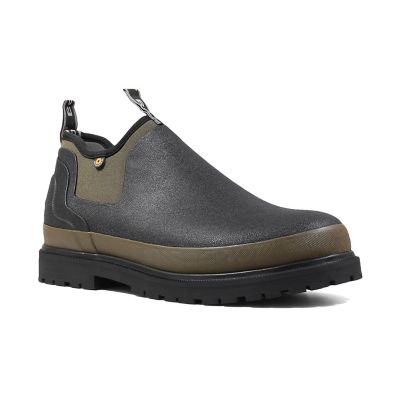
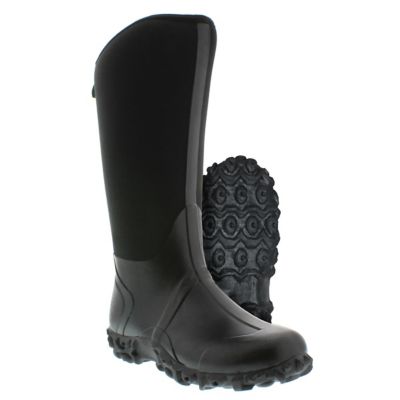
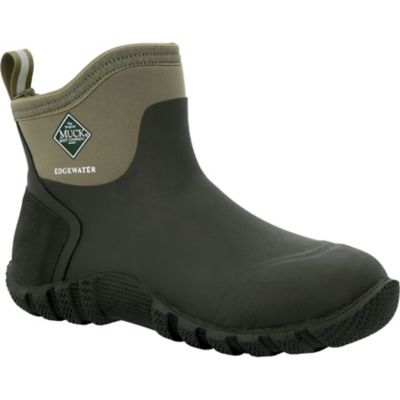
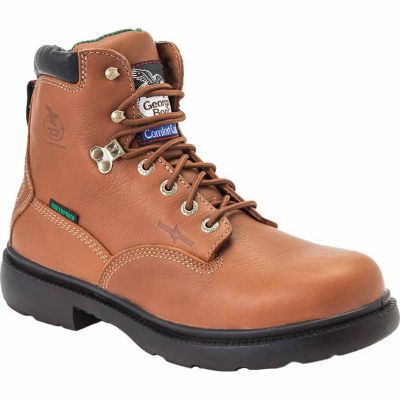
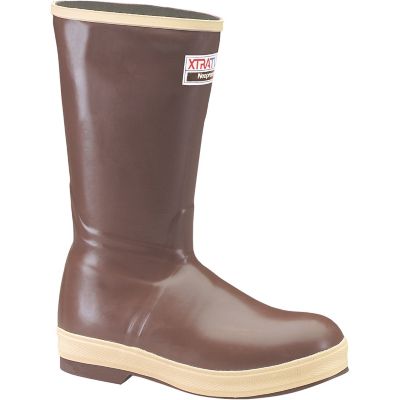
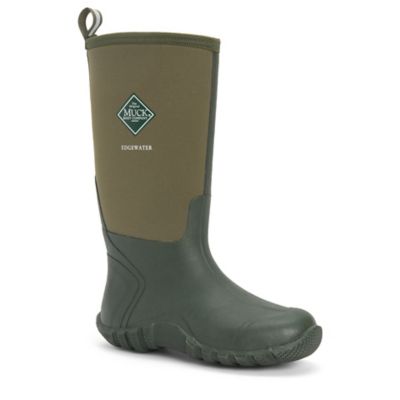
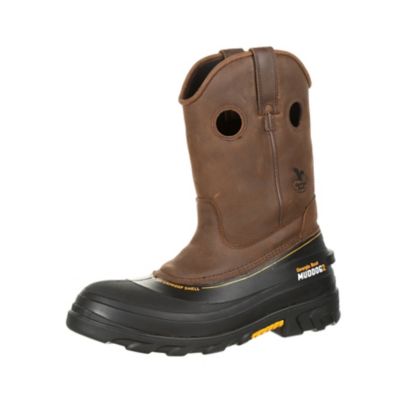
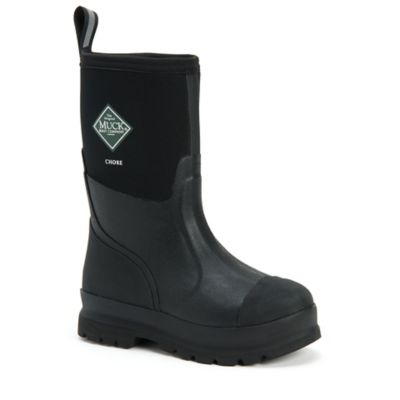
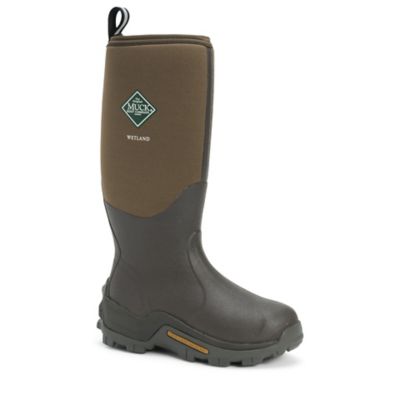
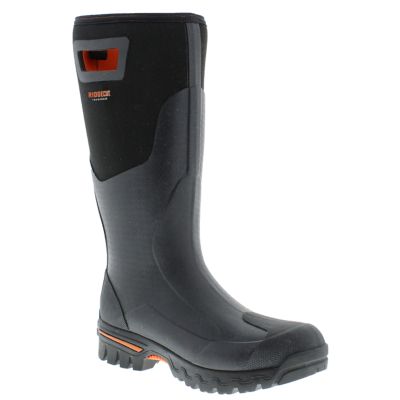
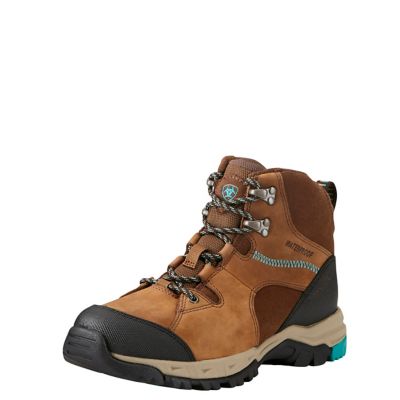
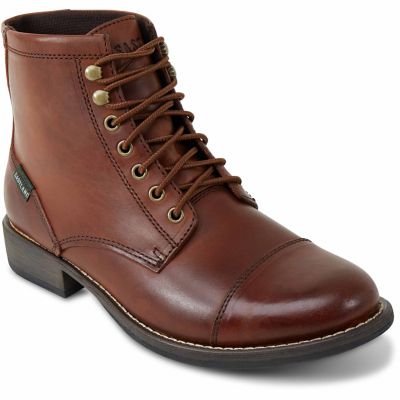
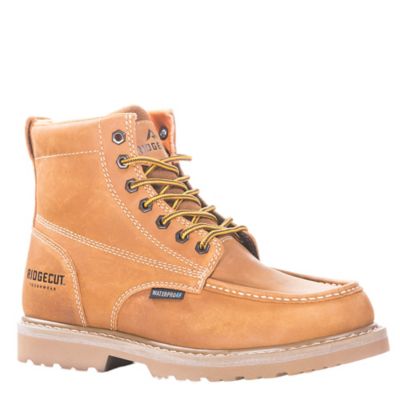
Spring boots for men range from lighter leather ankle boots for everyday wear to waterproof work boots and pull-on rubber styles for wet chores. The right pair depends on where the day leads: across a muddy barn lot, along a gravel lane or into town after the morning feeding. For spring wear, manageable weight, room for a comfortable sock and moisture control often matter more than heavy insulation. Unlined leather and fabric-lined styles can feel less bulky than heavily insulated boots, while breathable panels allow airflow in designs without a waterproof barrier. Leather brings a familiar look that works with jeans and work pants, and its feel can soften with wear. Full-grain leather generally has a substantial feel, while suede and nubuck have a softer surface that calls for extra care around mud and water. Synthetic uppers can offer lighter weight and easier cleanup, depending on their construction. Rubber and flexible waterproof materials suit puddles, washdown jobs and soggy ground, although a fully enclosed rubber boot can hold more warmth than a breathable lace-up. Waterproof membranes help keep outside moisture from reaching socks, but the boot opening still matters when water gets deep. A low ankle boot offers less coverage than a taller shaft, so the best height follows the job rather than looks alone. Chelsea boots have stretch side panels for pulling on without laces, while chukka boots have a lower profile that fits easily into casual days. Lace-up work boots offer more adjustment through the foot and ankle, which can help when a day includes uneven ground or long stretches on foot. For men moving between the feed room, workshop and errands, an easy-wearing leather boot can make sense; for repeated trips through standing water, a taller waterproof style serves a different purpose.
A comfortable fit starts with enough room for toes to move without letting the foot slide around. Spring work boots should hold the heel securely, feel snug rather than tight through the middle of the foot and leave space for the socks that will actually go with them. Feet can swell over a long day, making a little breathing room especially important for someone walking fence lines or standing at a workbench. Wide widths can provide needed space without the extra length that comes from simply sizing up. Leather may give somewhat as it breaks in, but toe pressure, pinching and numbness are not problems to count on wear fixing. Removable footbeds make it easier to air out the inside or accommodate an appropriate insert, provided the boot still has enough room afterward. Underfoot, cushioning can take some of the edge off hard floors, while a supportive midsole helps keep the boot from feeling overly flexible beneath a working foot. Outsole design matters just as much as the upper. Deeper tread can provide grip on loose soil, though closely packed grooves may collect mud; broader spacing can make that mud easier to knock loose. Shallower tread can be easier to clean before stepping into the truck or house, but it serves a different purpose than an aggressive outdoor sole. Slip resistance depends on the surface and conditions, so no sole makes a slick barn aisle or wet shop floor risk-free. Men whose jobs call for toe protection, electrical hazard protection or other safety features need footwear marked for the applicable workplace requirements. A rugged appearance alone does not establish that protection. Boot weight deserves attention, too: a substantial pair may suit demanding chores, while a lighter ankle boot can feel less tiring for errands and casual walking. For landowners, farmhands, tradesmen and anyone splitting the day between outdoor tasks and indoor stops, those details matter more than a boot that simply looks ready for work.
Care helps spring footwear hold up through repeated wet-and-dry cycles. Mud left packed around stitching, welt edges and tread can make cleaning harder, so brushing or rinsing it away as the material allows keeps small messes from becoming stubborn ones. Leather boots generally benefit from a soft brush or damp cloth, followed by drying at room temperature away from a heater, stove or direct heat. Excessive heat can stiffen leather and affect adhesives or other components. A conditioner suited to the leather can help keep it supple, while an appropriate water-repellent treatment can support the finish without turning every boot into waterproof footwear. Suede and nubuck need products intended for their surface, and rubber boots call for care that will not damage the material. Manufacturer care directions are the best reference when a boot combines several materials. Pulling out removable insoles and opening the shaft helps trapped moisture escape; rotating between pairs also gives the lining more time to dry. That attention pays off for men whose boots spend the morning beside a muddy gate and the afternoon under a restaurant table. Brown and black leather styles pair naturally with straight-leg denim, canvas work pants and a button-front shirt, while a simple ankle shape can move from chores to a casual supper without looking out of place. Taller pull-on boots put coverage and easy entry first, making sense near the back door for quick trips to the barn. As a gift for a dad, husband, son or another hardworking man, boots are most practical when his size, width and daily routine are already known. Familiarity with his preferred shaft height and closure helps, too. For more options centered on everyday comfort, explore
Comfortable Boots For Men. Whether the job involves feeding livestock, tending a garden or heading into town, spring boots earn their place through a fit that feels right and construction suited to the ground ahead.