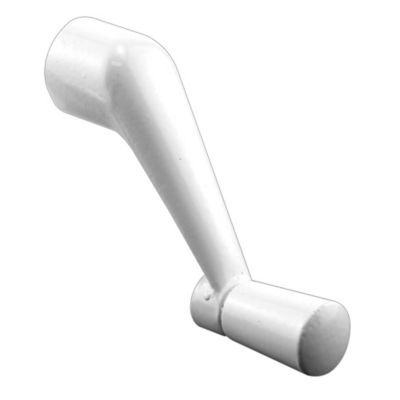
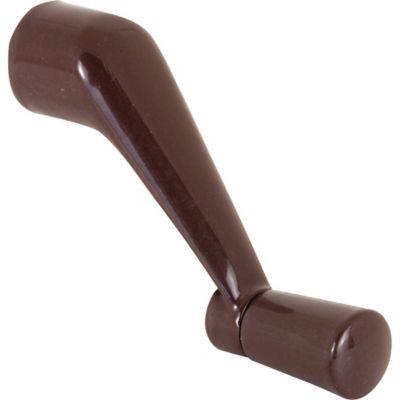
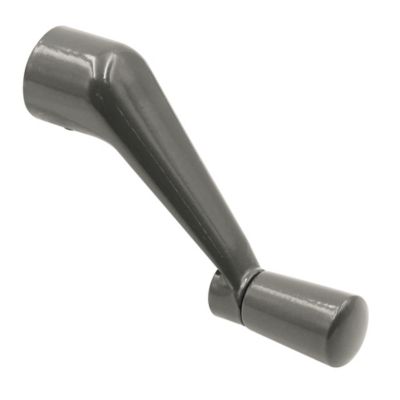
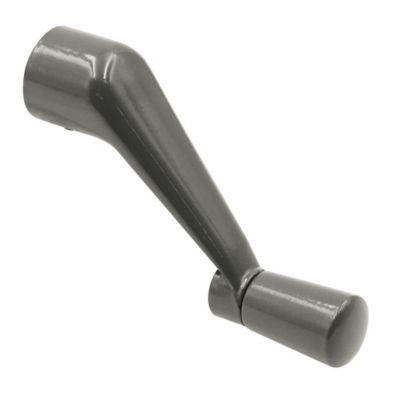
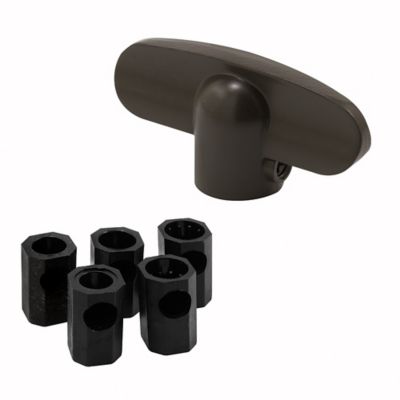
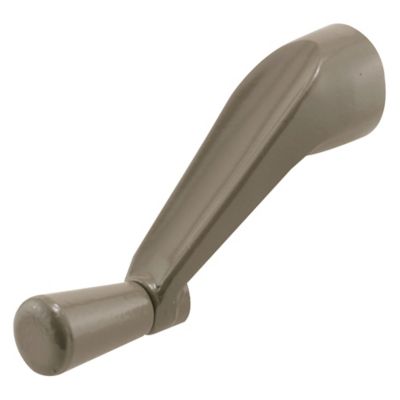
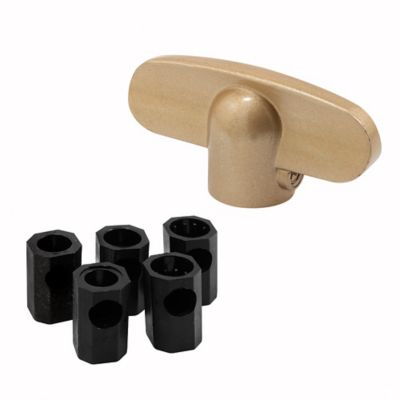
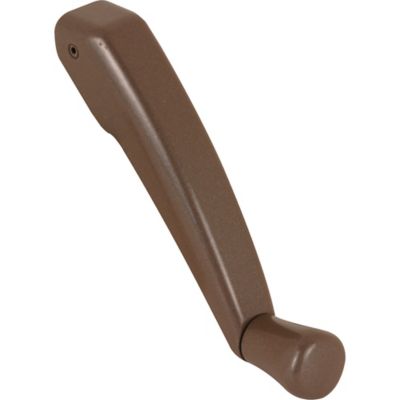
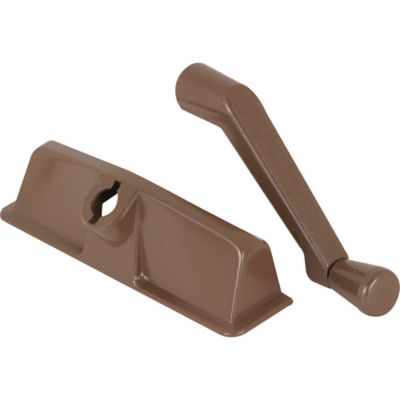
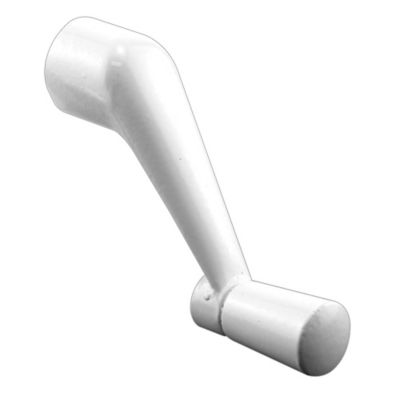
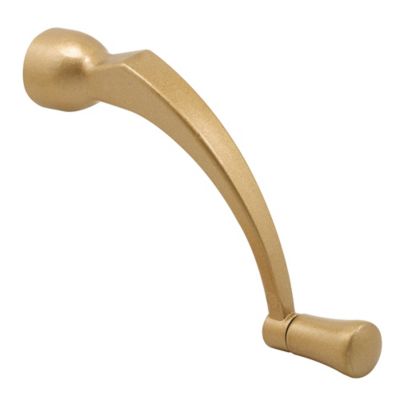
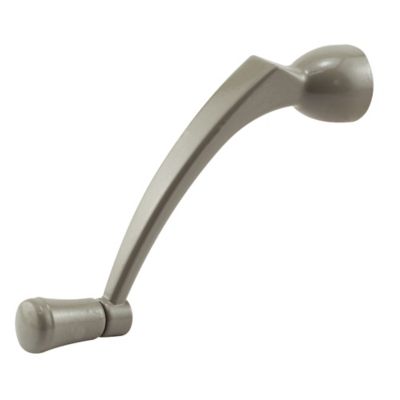
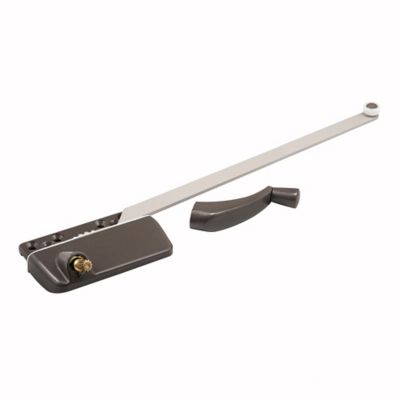
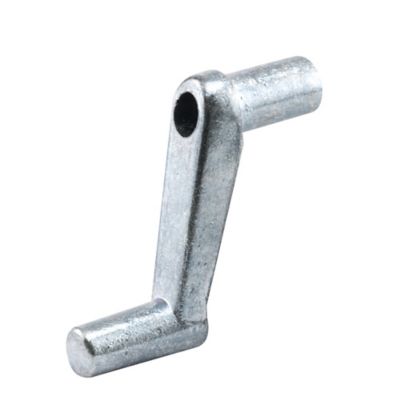
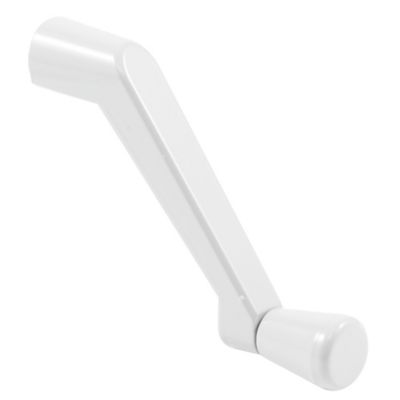
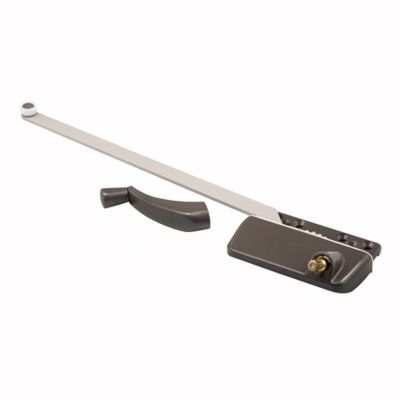
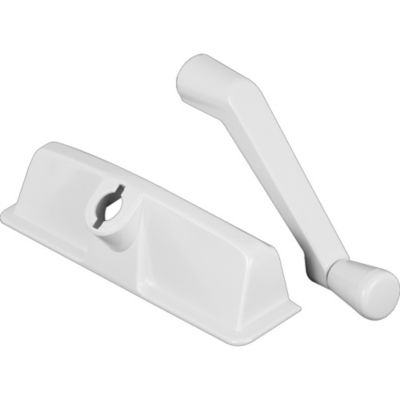
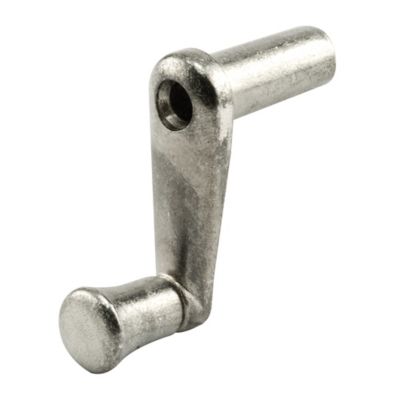
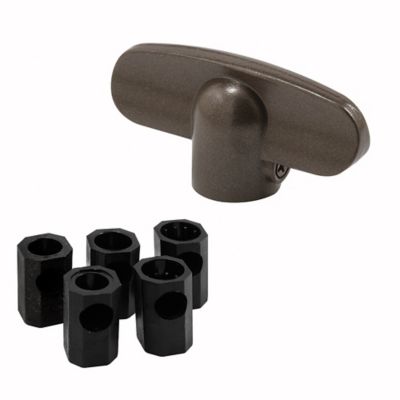
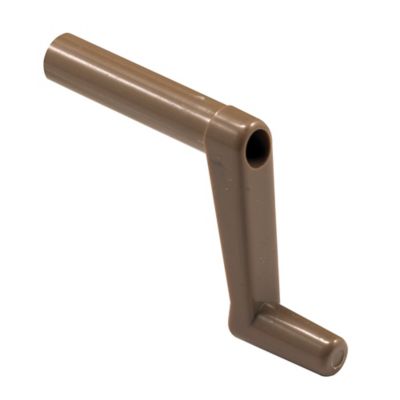
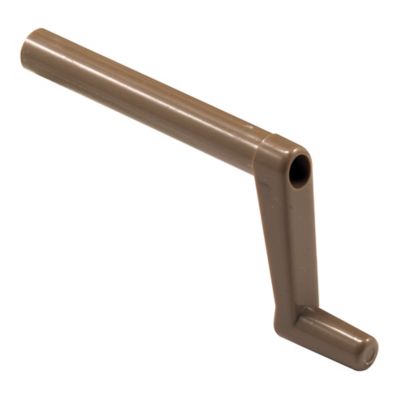
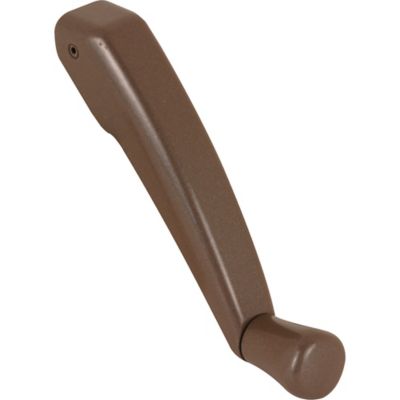
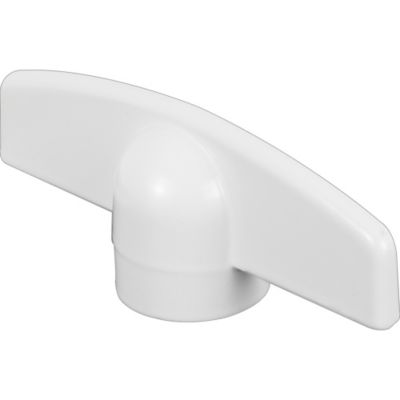
Window crank replacements help bring smooth, steady movement back to crank-operated casement and awning windows without necessarily replacing the entire window. On a casement window, the sash—the framed section holding the glass—swings outward from side hinges. An awning window opens outward from hinges along the top. Both can rely on a crank handle and an operator, the geared mechanism that turns hand movement into movement at the sash. Knowing which part has worn out makes a difference when choosing replacement hardware. A loose, cracked, or missing handle may call for a handle replacement alone, while a handle that turns without moving the window can point to worn splines, stripped gears, or a disconnected arm. Grinding, uneven movement, or an arm that no longer engages the sash may indicate a problem beyond the handle. Those symptoms can overlap, so the condition of the handle socket, operator shaft, gears, and linkage matters more than the symptom by itself. For a kitchen window above a deep sink, a working crank makes the sash easier to reach and control. In a farmhouse laundry room, workshop, or outbuilding with crank-operated windows, sound hardware keeps a small everyday task from becoming a two-handed struggle. Replacement handles and complete operators serve different needs, even when they look similar from across the room. The handle fits over a shaft, often with a toothed or splined connection, while the operator mounts to the frame and connects to the sash through one or more arms. A handle cannot correct damaged gears inside that operator, and a new operator will not solve a sash that is binding because of another window problem. Matching the replacement to the source of the trouble helps preserve the window’s intended movement and avoids putting extra strain on the remaining hardware. It also keeps the focus on the part that actually needs attention rather than replacing an otherwise serviceable window assembly.
Fit is the main consideration for window crank replacement parts, and a close visual match is not enough. Handle connections can differ in shaft diameter, spline pattern, socket depth, and fastening style. Two common nominal connection sizes are 3/8 inch and 11/32 inch, but neither size fits every window. A handle’s bore must match the operator shaft, and its attachment method must suit that connection, whether it relies on a set screw or another retaining design. For complete operators, the important details extend to the mounting-hole spacing, housing shape, arm length, arm arrangement, and the point where the linkage meets the sash. Single-arm and dual-arm mechanisms are not interchangeable simply because their housings resemble one another. Some assemblies connect through a roller in a track, while others connect to a bracket or another linkage, so the connection at the moving end deserves just as much attention as the crank end. Left-hand and right-hand descriptions also vary between window and hardware makers. The hinge location alone may not settle the question; the original operator’s layout, arm direction, dimensions, and identifying markings provide a better basis for comparison. Photos of the existing assembly and measurements taken from the same reference points shown in a part drawing can help clarify the match. Clearance matters, too. A full-size handle needs room to complete its sweep without hitting a deep sill, nearby trim, blinds, or a screen assembly. A folding handle can tuck closer to the frame when the window is closed, provided its connection and operating clearance suit the window. Finish is another practical detail, especially where several windows sit side by side above a counter or along a porch room. Matching the shape and finish of neighboring hardware helps the repair blend in, but appearance comes after mechanical fit. The right connection and travel geometry are what allow the sash to open, close, and seat as intended.
Materials, construction, and care all affect how replacement window cranks hold up to everyday handling. Handles may be made from die-cast zinc, aluminum, or plastic, while operators often combine metal housings, steel arms, gears, and protective finishes. Metal construction does not make every assembly interchangeable or equally suited to every sash; the mechanism still needs to match the window’s design and operating load. A handle that feels substantial in the hand should also turn comfortably without a sharp edge pressing into the palm. That matters at a window opened regularly over a sink or workbench, where reaching around a faucet or countertop already limits leverage. Protective coatings help shield metal surfaces, but chipped finishes, rust around fasteners, and bent linkage can signal a need for closer inspection. Routine care centers on keeping debris out of accessible tracks, wiping away buildup, and following the window maker’s recommendations for lubrication. The proper lubricant and application points depend on the assembly; applying grease everywhere can collect grit or interfere with components meant to stay dry. A crank should move the sash without forcing it past resistance. Binding can come from a dirty track, loose hinge, misaligned sash, or trouble elsewhere in the window, and extra force at the handle can damage an otherwise sound replacement. Installation requirements also differ: some handles attach at an exposed shaft, while complete operators may sit beneath a cover or trim and connect to the sash with clips, pins, or brackets. The sash needs support whenever its operating linkage is disconnected. Cracked frames, loose mounting areas, or hard-to-reach windows may warrant professional help rather than a simple hardware swap. Related components in
Window Replacement Parts can matter when the trouble extends beyond the crank itself. A properly matched assembly, sound attachment points, and a freely moving sash work together to restore comfortable operation while keeping the rest of the window in service.