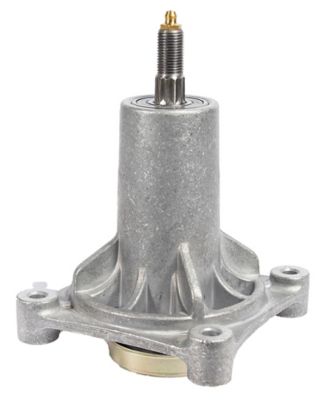
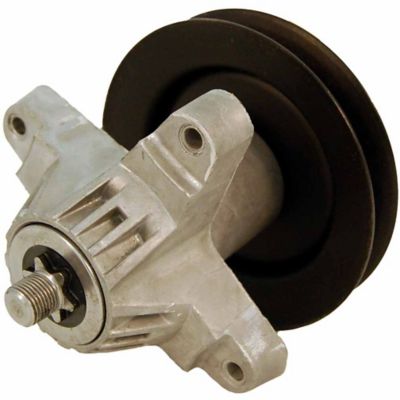
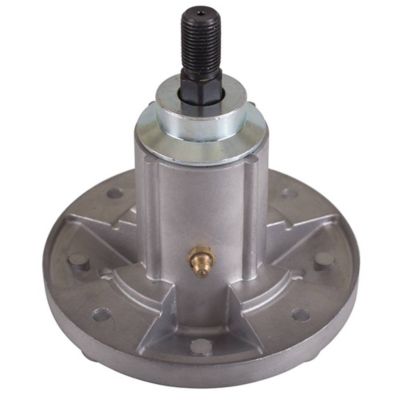
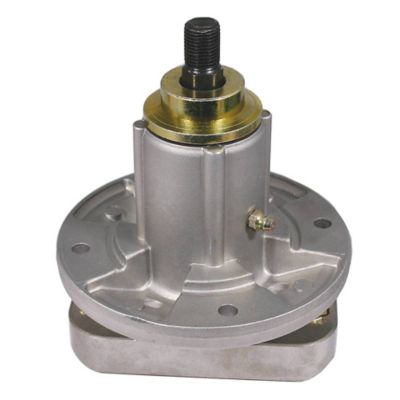
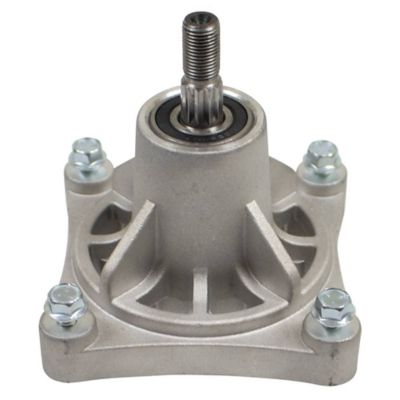
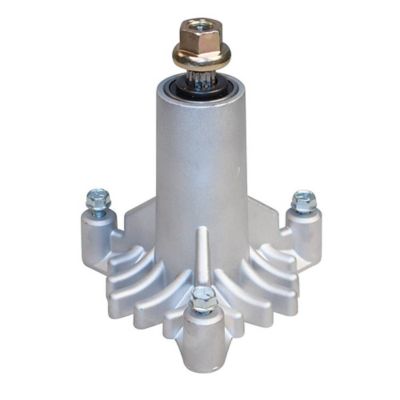
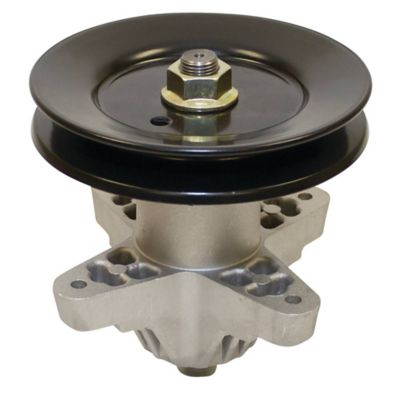
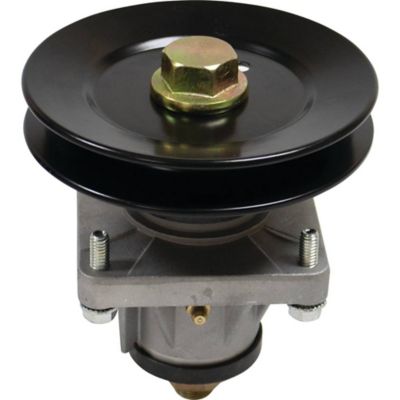
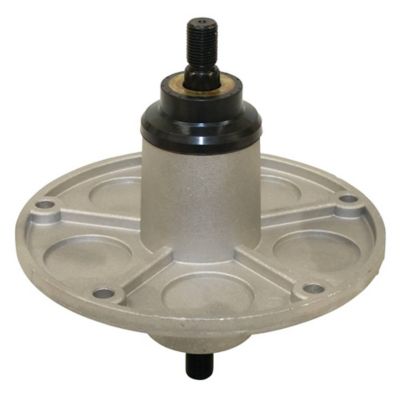
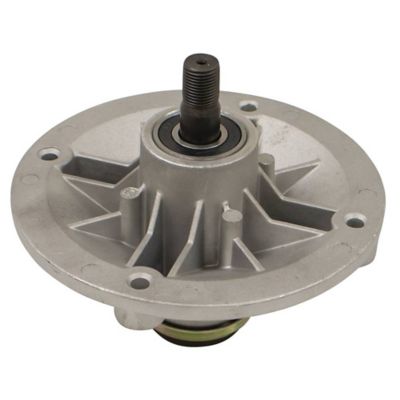
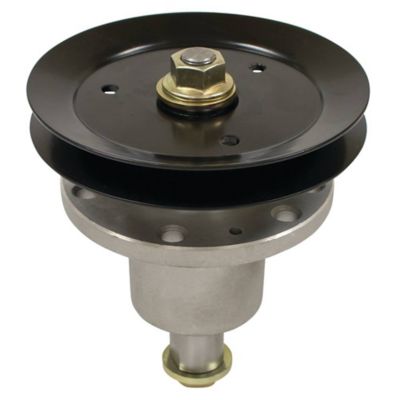
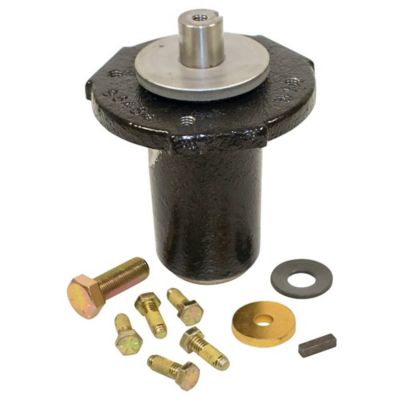
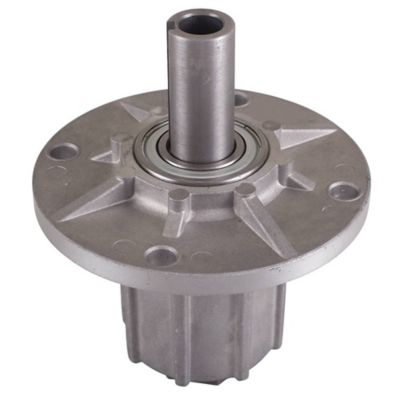
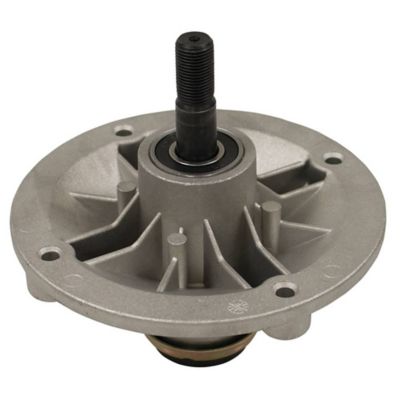
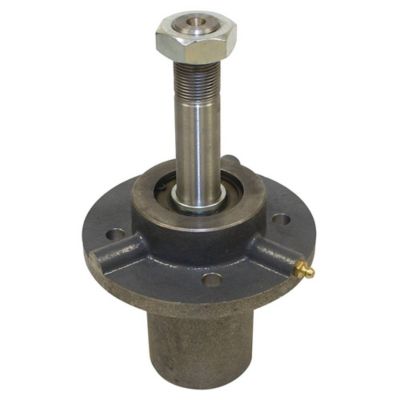
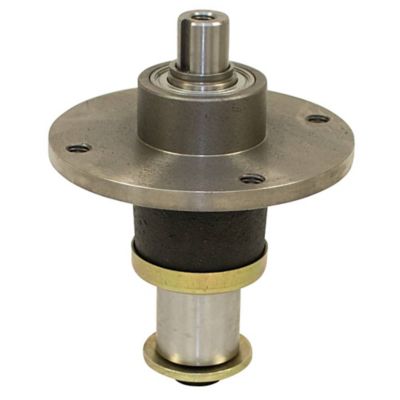
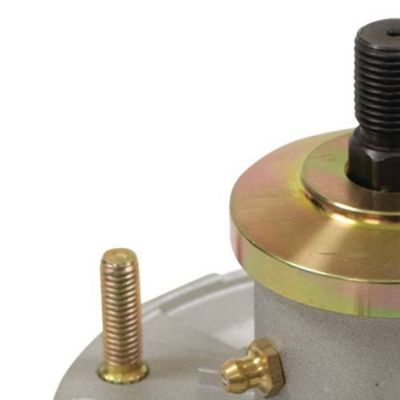
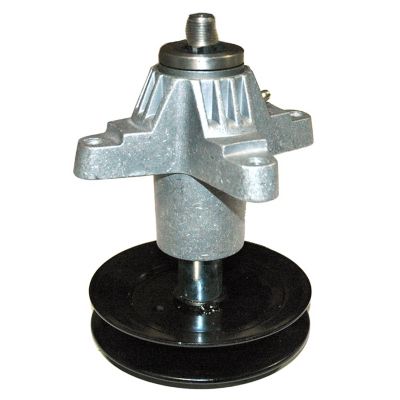
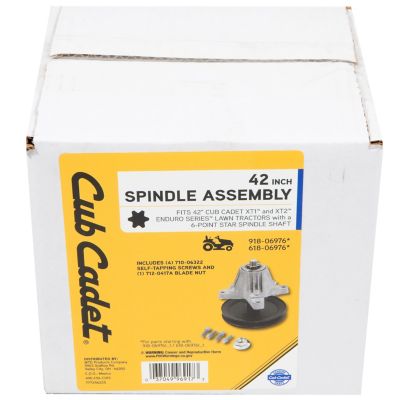
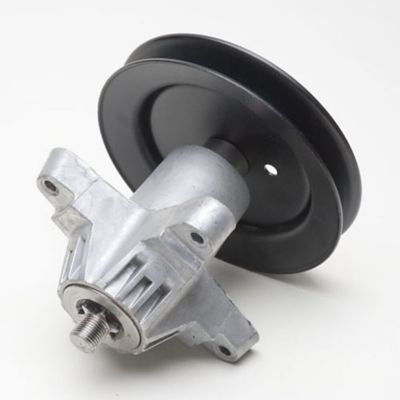
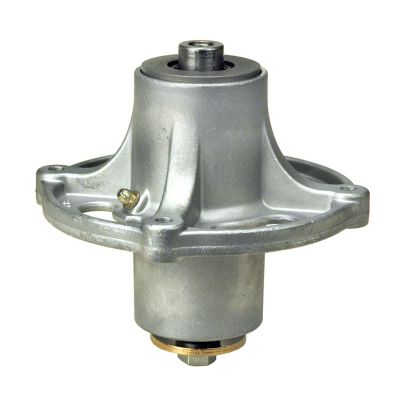
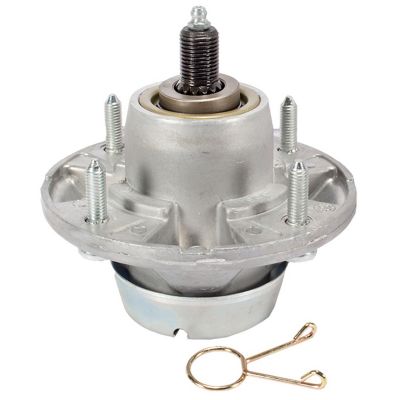
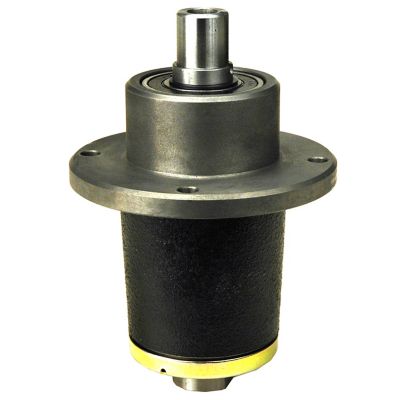
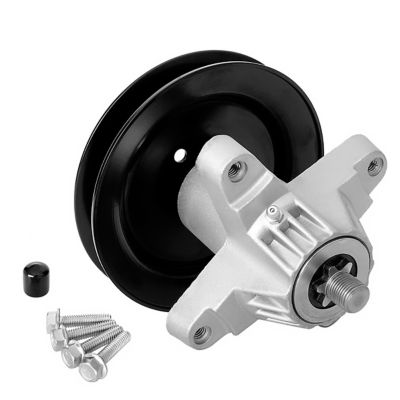
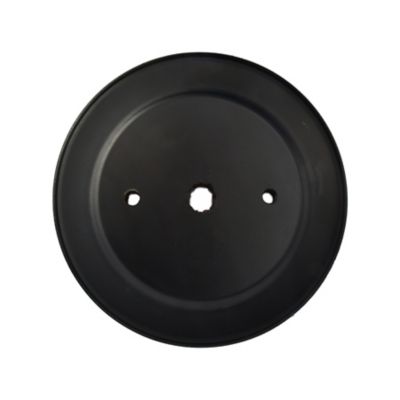
Mower spindles are the hardworking assemblies underneath a riding mower or zero-turn mower deck that hold and spin the cutting blades. A typical spindle assembly includes a housing, rotating shaft, bearings, blade hardware, and a pulley driven by the deck belt. When everything is in good shape, the spindle turns smoothly and keeps the blade running true as it moves through thick grass, damp clippings, leaves, and the occasional small stick that finds its way under the deck. When a spindle starts wearing out, the signs can show up in a hurry: a grinding or roaring sound, a squeal when the blades engage, extra vibration through the seat or steering controls, an uneven cut, or a blade that wobbles when checked by hand with the mower safely shut off. A pulley that binds, visible grease around the housing, smoke, or a spindle that will not turn freely also deserves attention. Replacing a worn mower spindle can help restore a clean, even cut and may prevent added wear on the deck belt, blade, pulley, and other related parts. These assemblies are useful for homeowners who keep a few acres trimmed, families caring for a large yard, and property managers responsible for common areas, fields, lanes, or roadside grass. They also make a practical addition to a well-used lawn and garden tool collection for someone who prefers to handle routine repairs in the shed rather than haul a mower to the shop for every problem. Before ordering a mower spindle, take time to identify the exact mower and deck it is going on. The mower's brand and model number, deck width, deck configuration, and original equipment part number are important details, since two spindles can look nearly identical while using different mounting patterns, shaft lengths, pulley arrangements, or blade-mounting ends. Shaft patterns may include star-shaped or keyed designs, and the blade bolt, washer, pulley, and housing dimensions all need to match the existing setup. Matching by mower brand alone is not enough. If the old part is still available, compare its measurements and markings, and keep a record of the deck size before shopping. A product listing's fitment information should agree with those details. It also helps to inspect neighboring components while the deck is removed. A stretched or frayed belt, bent blade, damaged pulley, loose mounting bolt, or worn deck shell can make a new spindle seem faulty when the real trouble lies elsewhere. For a closer look at related replacement parts, see
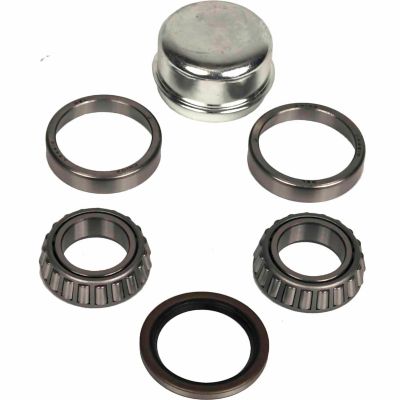
Lawn Mower Bearings.
Mower spindles come in designs suited to different kinds of work. Residential decks often use lighter housings and sealed bearings designed for regular yard care, while heavier commercial-style assemblies may use robust aluminum or cast housings, stronger bearings, and grease fittings for long hours and rougher conditions. A greaseable spindle needs the right lubricant applied at the recommended intervals; fresh grease helps push out moisture and debris that can work into the bearing area during wet mowing and dusty summer chores. Sealed units generally do not require routine greasing, so check the service instructions instead of adding grease where there is no fitting. When installing a replacement, disconnect the spark plug wire or battery according to the mower design, remove the ignition key, set the parking brake, and keep the deck supported securely rather than relying on a jack alone. Wear gloves when handling blades, but remember that gloves do not make a blade safe to turn by hand. Photographing the belt routing before disassembly can save a good bit of head scratching later, especially when the mower deck has several pulleys. Clean grass and packed dirt from the deck, check that the spindle sits flat against its mounting surface, and tighten mounting hardware evenly so the housing is not pulled out of alignment. The pulley nut and blade bolt should be tightened according to the mower or spindle maker's instructions, using the proper direction and torque where specified. After installation, turn the assembly by hand with the engine off to check for smooth movement, then engage the blades briefly in a clear area and listen for unusual noise or vibration. Stop immediately if the deck shakes, the belt walks off, or the blades do not run true. During the warmer part of the mowing season, grass can grow fast enough to hide a developing problem beneath a layer of clippings, while cooler weather often brings wet leaves and heavier material that puts extra strain on the deck. Keeping the underside reasonably clean, avoiding hidden stumps and rocks, and checking blade balance can help a replacement spindle last longer. It is also wise to inspect the spindle whenever blades are sharpened or changed, since that is a convenient time to feel for side-to-side play and look for worn seals or loose hardware. Choose an assembly built for the hours and conditions your mower faces, whether that means occasional trimming around the house or steady work across a broad property. With the correct fit, sound installation, and sensible upkeep, a mower spindle helps keep the deck turning smoothly and leaves behind the neat, even finish that makes a long day of yard work feel worthwhile.