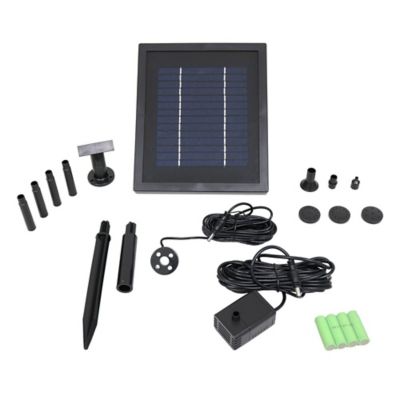
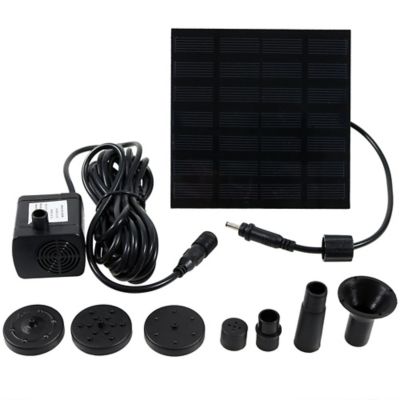
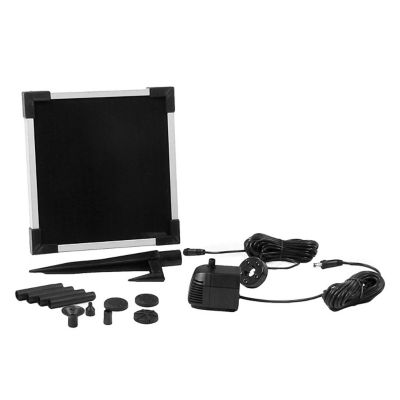
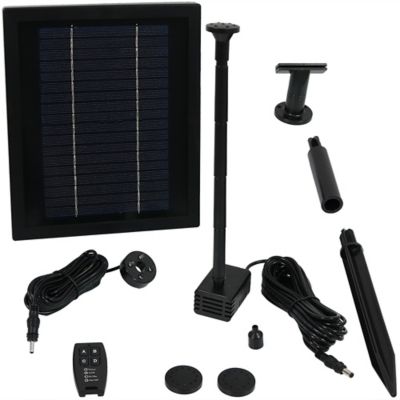
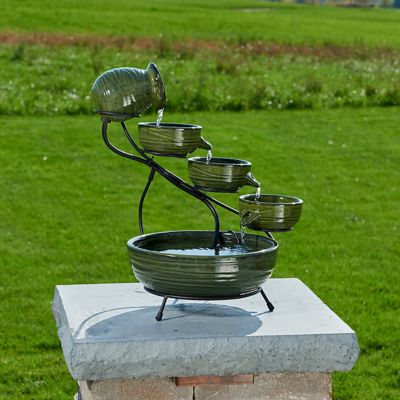
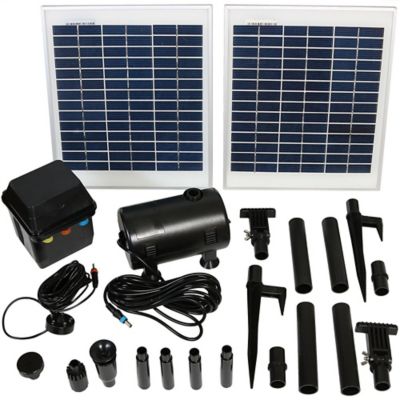
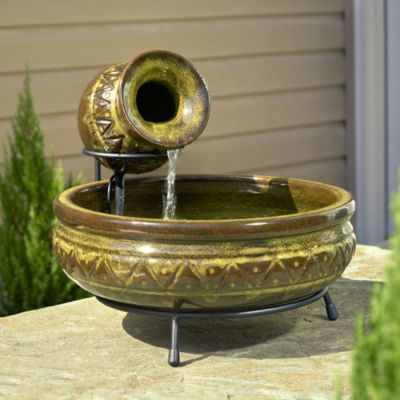
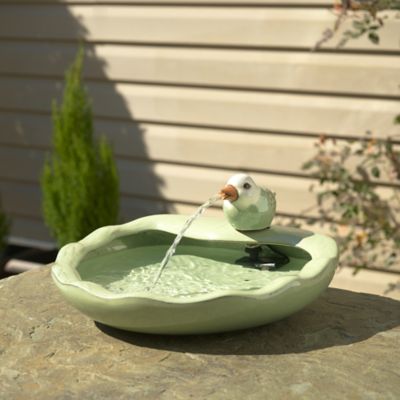
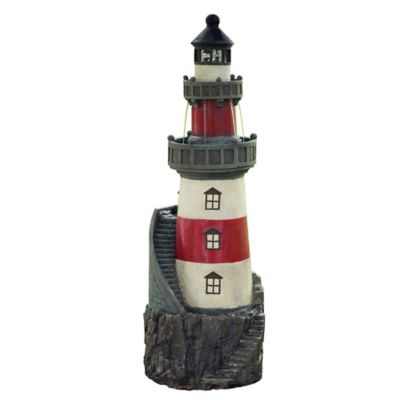
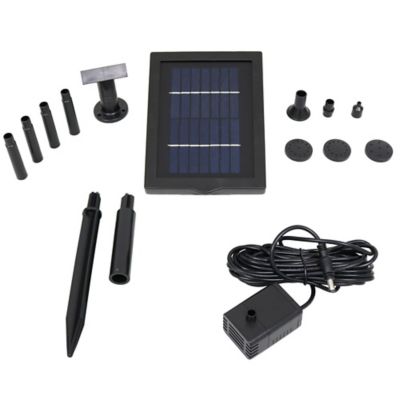
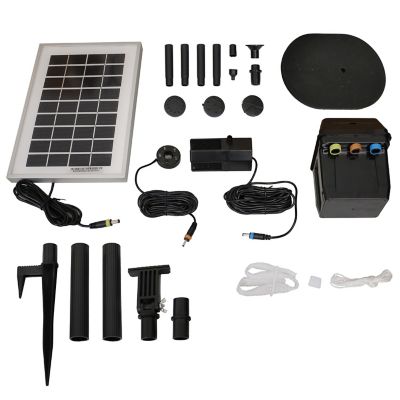
A solar pond fountain is a water feature that runs a pump on energy from sunlight, sending pond water through a nozzle to create a spray above the surface. It brings movement and sound to a backyard pond, garden pool, or small water feature without requiring a household outlet beside the water. Depending on the design, the solar panel may sit on the floating fountain or connect to the pump by a cable so it can stand in a sunnier spot. That difference matters around a pond tucked beneath trees or alongside a shed, where the water and the best sunlight may be several feet apart. A floating design keeps the spray near the surface as the water level changes, while a submerged pump with a separate panel offers more flexibility in where the fountain sits. Direct sunlight generally produces the strongest spray on models without battery storage. Passing clouds, shadows, and a low sun angle can reduce output or stop the spray, so a solar fountain is a sunlight-powered water feature rather than a promise of nonstop operation. Models with battery storage may continue running after direct sunlight fades, but operating time depends on the battery, its charge, the pump load, and the controls. For a little pond near the back porch, a modest spray can add a soft splash without taking over the space. A broader pond may suit a taller plume or a wider pattern, provided the pump and nozzle are sized for that job. Water falling back onto the surface can encourage gas exchange and create local movement, but a fountain does not automatically provide enough oxygen throughout a deep or heavily stocked pond. Ponds with fish may still need dedicated aeration and filtration. The main appeal is straightforward: moving water, a focal point across the yard, and a solar-powered setup that can fit places beyond the reach of a nearby outlet.
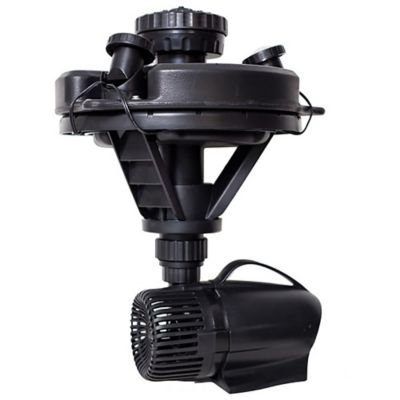
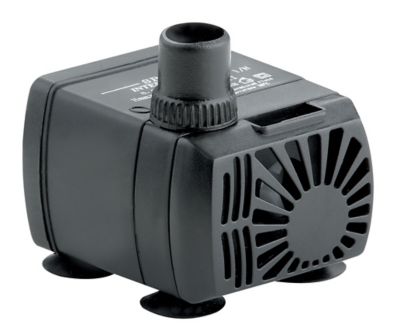
The right fit depends on more than how tall the spray looks in a picture. Pond width, water depth, nozzle style, and pump performance all shape how a solar pond fountain works in its setting. A narrow pond with stone edging needs a spray pattern that lands well inside the water, especially where a breeze could carry droplets onto a path or flower bed. A lower bubbling pattern can make more sense there than a tall, fine spray. An open pond with room around the fountain can accommodate a broader display, though fountain dimensions still need to match the space. Pump flow is commonly expressed in gallons per hour, while maximum lift describes how high the pump can move water under specified conditions. Those figures are not interchangeable, and maximum flow and maximum lift do not occur at the same operating point. Nozzle restrictions, tubing length, and the height above the water all affect the flow that reaches the spray head. Solar panel wattage alone does not tell the whole story, either; the panel, pump, and any battery need to work together as a system. Complete fountain kits and separate components call for different compatibility checks, including electrical ratings, tubing connections, and nozzle fittings. Cable length matters when a panel needs to reach an open patch beside a shaded pond, while panel mounting options affect how securely it can sit near a fence, garden border, or pond bank. Floating fountains may need an appropriate tether or anchor to keep them from drifting into reeds or against the liner. Any anchor arrangement should leave room for normal water-level changes without pulling the fountain sideways. For setups centered on a separate submerged pump,
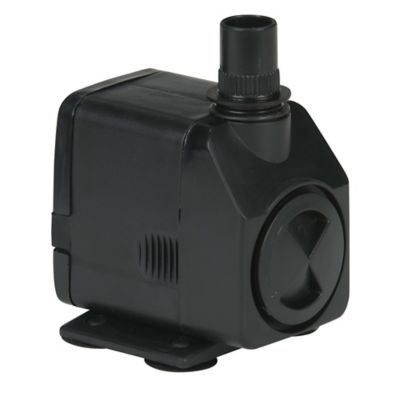
Small Pond Pumps offers a related category to consider alongside the fountain’s power requirements and connection details. A replacement pump must match its power source; an ordinary plug-in pond pump cannot connect directly to a solar panel without compatible equipment.
Materials and access for cleaning make a real difference in day-to-day ownership. Pond fountain housings often feature molded plastic, while shafts, screens, fasteners, and other components may include ceramic or corrosion-resistant metals. Parts intended for prolonged sunlight exposure and continuous contact with pond water are better suited to the setting than components meant only for sheltered use. A broad floating base can help steady the nozzle, and an accessible intake screen makes it easier to clear leaves, string algae, and other debris before they restrict water flow. Fine spray openings tend to show blockages sooner than larger openings, so removable nozzle heads are a practical feature around ponds with nearby trees or aquatic plants. Routine care generally includes rinsing the intake, clearing the nozzle, checking the impeller as directed, and wiping dust or bird droppings from the solar panel with a soft cloth and an approved cleaning method. Harsh cleaners can harm pond life or damage fountain materials, so the manufacturer’s care directions matter. Adequate water depth is just as important: the pump needs the specified submersion, and a low-water shutoff, when included, adds protection if the level drops. Spray that escapes the pond can lower that level faster than expected, particularly in a small basin. Fish and plant ponds also call for attention to intake openings, fountain placement, and any equipment requirements related to aquatic life. A clear area around the intake helps the pump draw water without pulling against a mat of roots or settled leaves. For a gardener, pond keeper, or homeowner who enjoys sitting outside after chores, a solar fountain can add a gentle splash and a bit of movement to the view. It can also make a thoughtful gift when the pond’s size, sunlight, and existing equipment are known. The most satisfying setup is one that fits the pond, leaves room for its plants and fish, and keeps regular upkeep within easy reach.