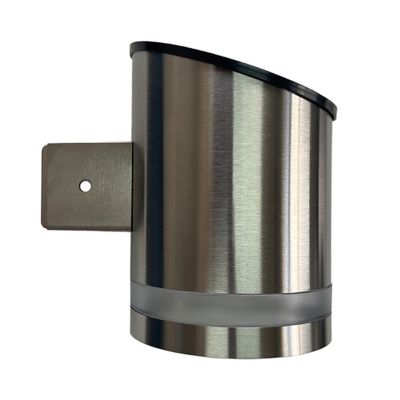
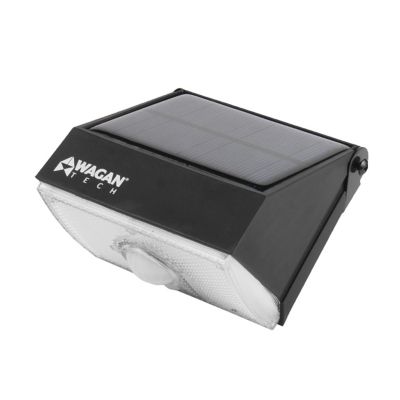
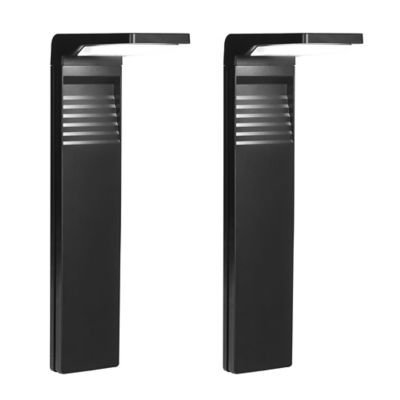
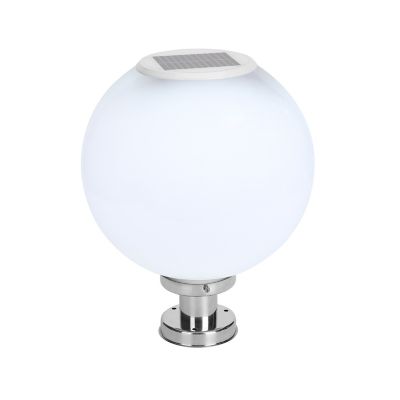
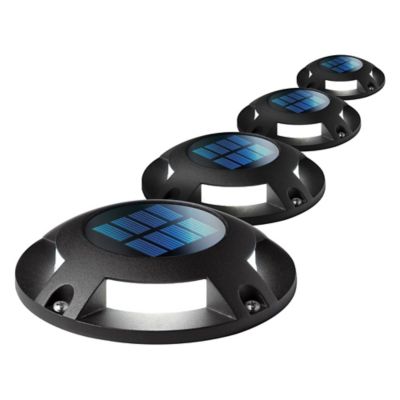
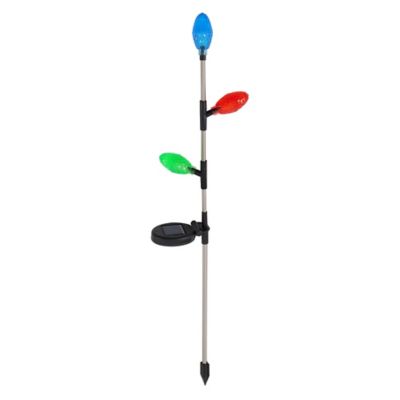
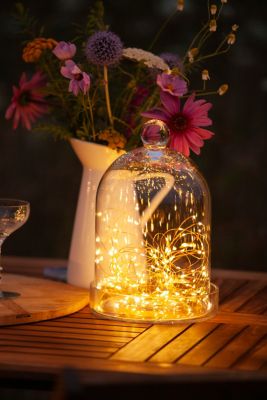
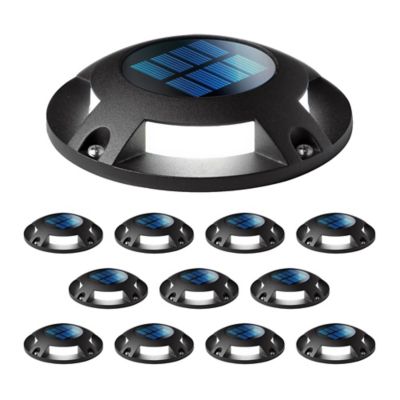
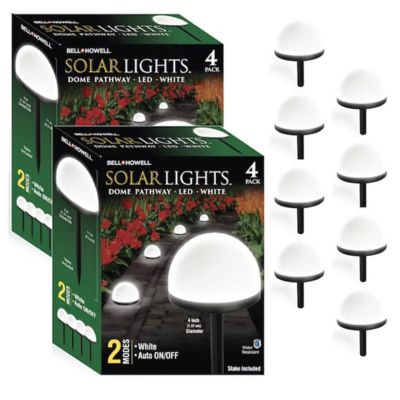
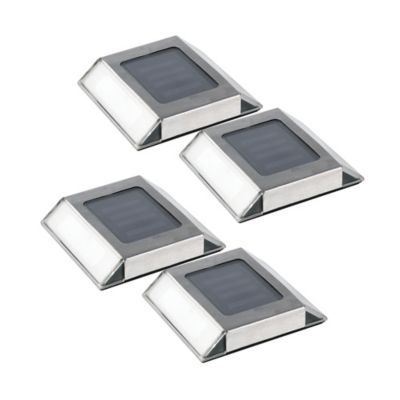
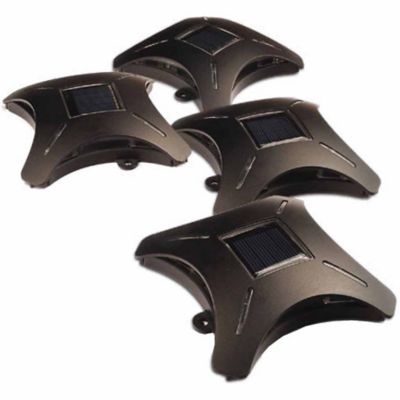
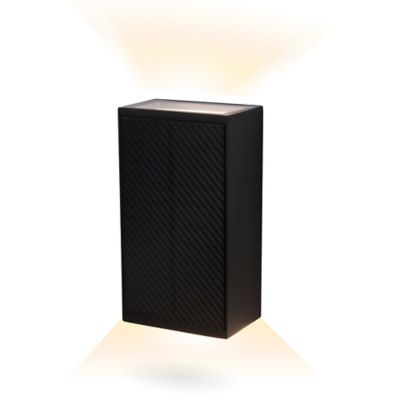
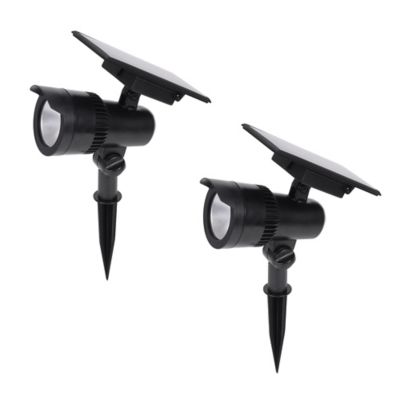
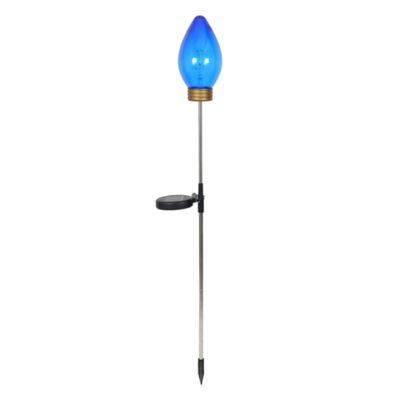
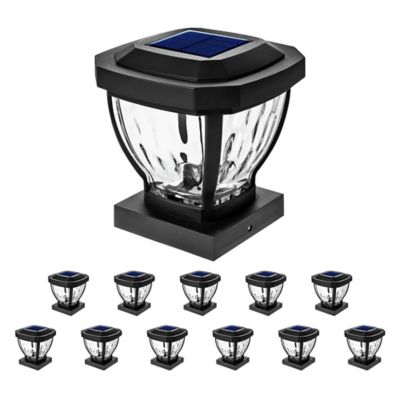
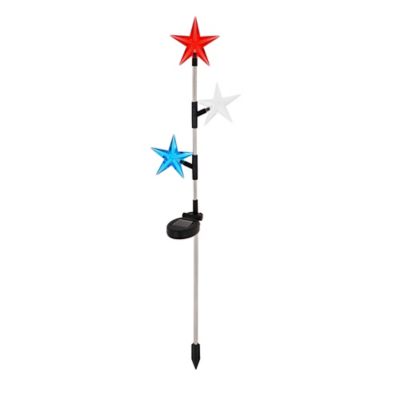
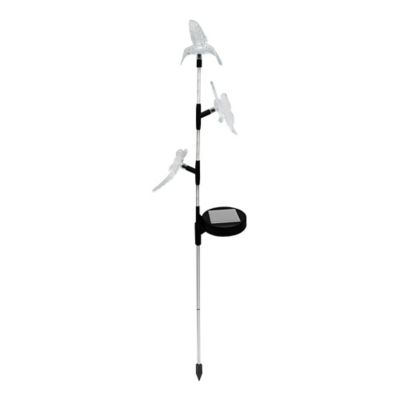
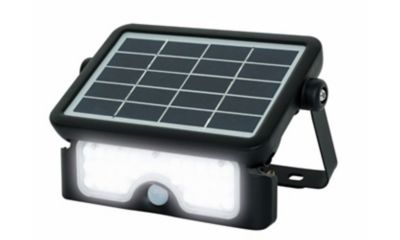
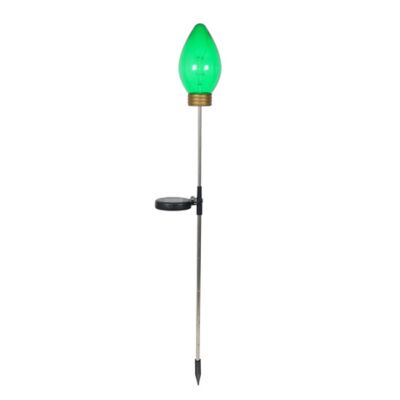
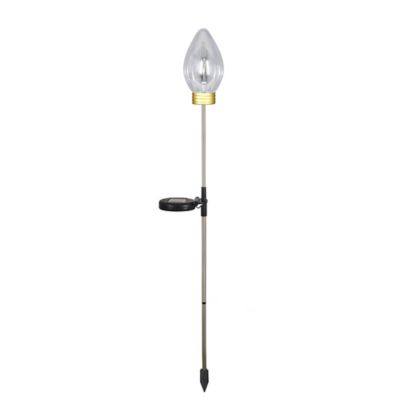
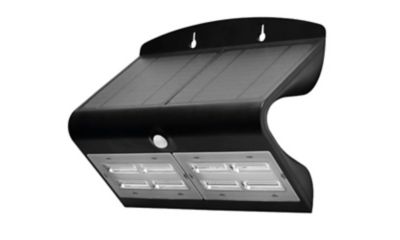
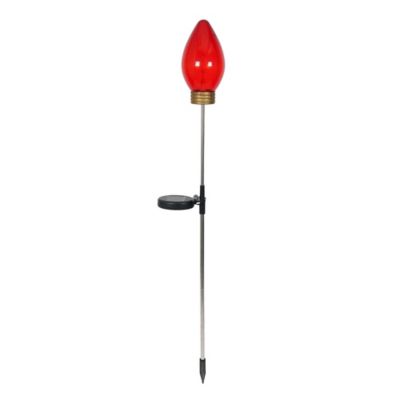
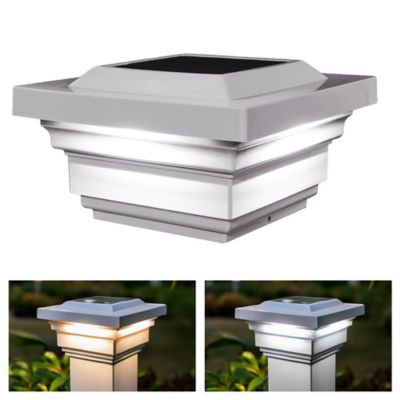
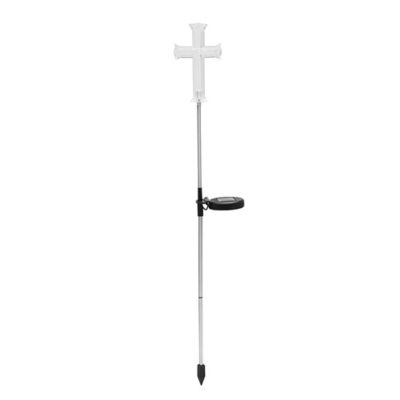
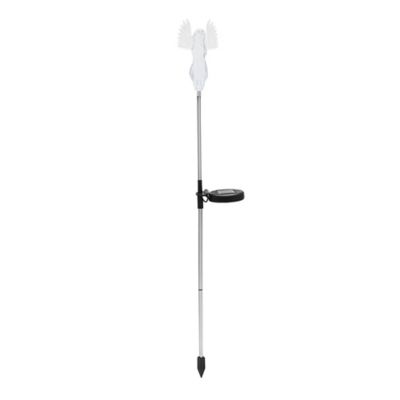
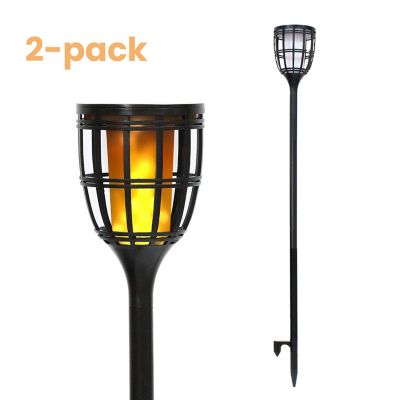
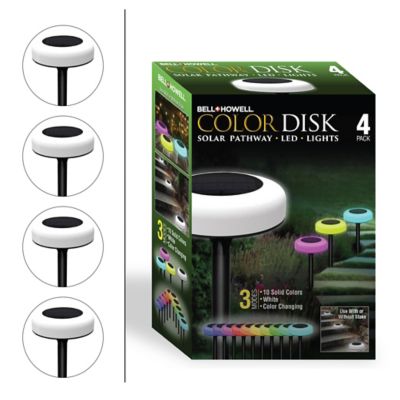
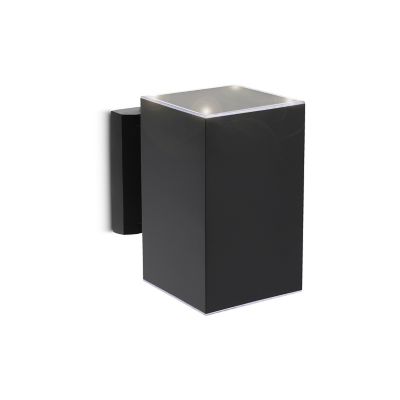
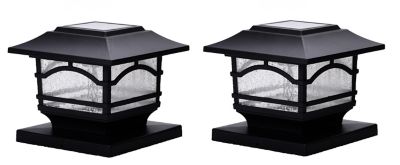
Solar lights are outdoor lighting fixtures that capture sunlight, store energy in a rechargeable battery, and power a light after dark. A solar panel converts sunlight into electricity, while an LED provides illumination without requiring a connection to household electrical wiring. Many solar lights include a light sensor that switches them on when daylight fades, though operating modes and battery capacity vary. That setup makes them a practical fit for places where an outlet is out of reach, from a garden path beside the house to a gate farther down the drive. Different styles serve different jobs. Solar pathway lights sit along walking routes and planting beds, casting pools of light that help define edges without lighting the whole yard. Stake lights offer flexible placement in soil, while low-profile ground lights keep the fixture closer to the surface. Solar spotlights direct a narrower beam toward a tree, sign, or landscape feature. Floodlights spread light across a wider area, such as the space outside a shed or beside a driveway. Wall lights and post-mounted fixtures put illumination near entryways, deck rails, and fence lines. Solar string lights and lantern-style lights bring a softer glow to a porch or gathering spot, where the goal is a comfortable setting rather than a bright work area. For paths, planting beds, and other yard features,
Solar Landscape Lights offer ways to carry that lighting across the property. A row beside the walk can make the route from the driveway to the back door easier to follow, while a directed beam can bring a favorite tree into view after dark. The right style depends on what needs to be visible, how far the light needs to reach, and whether the fixture should blend into its surroundings or become part of the look. A little separation between accent lighting and task lighting helps each area feel suited to its purpose.
Brightness, beam shape, and light color all affect how solar outdoor lights look once they are in place. Lumens describe light output; a higher lumen rating generally means more light, but it does not tell the whole story. A focused beam can put more illumination on a gate latch or address sign than a broad glow with a similar output. For a walkway, several modest lights spaced along the route can feel more comfortable than one bright fixture shining toward someone’s eyes. Warm white light has a softer, yellow-toned appearance that suits porches and sitting areas, while cooler white light has a crisper appearance around entryways and work spaces. Color temperature, listed in kelvins when provided, helps distinguish those effects. Motion-activated solar lights offer another approach, bringing on illumination when movement is detected within the sensor’s range. Some stay dim between activations, while others remain off; the operating mode affects both the experience and battery demand. Motion lighting can add visibility around a building, but it is not a substitute for a complete security setup. Construction matters, too. Metal housings, including aluminum and stainless steel, offer different finishes and maintenance needs, while molded plastic or resin housings keep weight down and resist rust. Lenses may be glass or plastic, each with its own balance of weight, scratch resistance, and breakage concerns. An outdoor-use rating and any listed ingress protection rating help describe a fixture’s suitability for dust and water exposure. Fit is just as practical as finish: a post-cap light needs to match the post’s actual dimensions, a wall fixture needs a suitable mounting surface, and a stake needs enough support to stand upright. Around gravel drives, mower routes, and busy gates, placement should leave room for tires, tools, and foot traffic. A fixture that looks right beside a flower bed may not provide the coverage needed outside a feed room, so intended use matters more than appearance alone.
Solar charging depends on the light that reaches the panel, not simply on placing the fixture outdoors. An open location with direct sunlight gives the battery a better opportunity to charge than a spot tucked beneath a porch roof or deep under a tree. Fixtures with separate solar panels offer more flexibility: the light can sit where illumination is needed while the panel occupies a sunnier position within the connecting cable’s reach. Self-contained fixtures keep the panel, battery, and light together, reducing the number of parts to position. Runtime varies with charging conditions, battery capacity, brightness settings, and operating mode, so an automatic dusk sensor does not necessarily mean a light will stay on until morning. For a long path or an outbuilding that needs dependable illumination throughout the night, the stated runtime and charging requirements deserve close attention. Nearby porch lights or other bright sources can also affect a dusk sensor, depending on its location. Everyday care is generally straightforward. A clean panel receives sunlight more effectively, and a soft cloth can remove dust, pollen, and other buildup without scratching its surface. Lens cleaning helps preserve light output, while occasional checks of stakes, brackets, and fasteners help keep fixtures positioned as intended. Rechargeable batteries lose capacity over time; where replacement is supported, the specified battery type and rating matter for proper operation. Some fixtures have sealed batteries rather than replaceable ones, which is worth considering for long-term upkeep. Along a busy yard route, keeping lights clear of mower decks, string trimmers, and swinging gates helps prevent avoidable damage. Near livestock areas, fixtures and cables belong beyond the reach of animals that may rub, chew, or knock them loose. For homeowners, gardeners, and anyone tending a little land, well-placed solar lighting can make a property feel more welcoming after dark, with a soft outline along the path, a clearer view of the steps, or a pool of light beside the shed door.