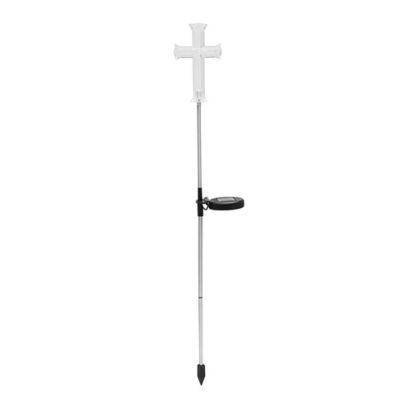
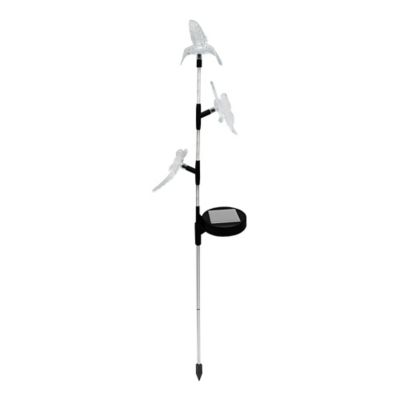
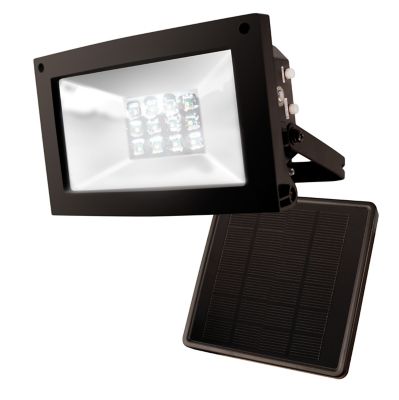
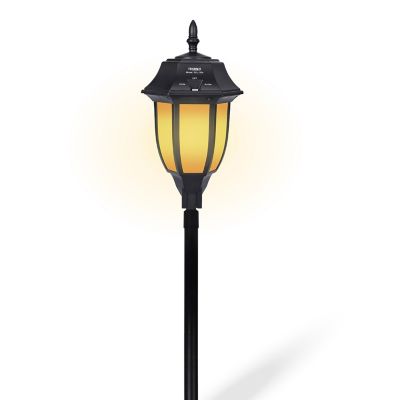
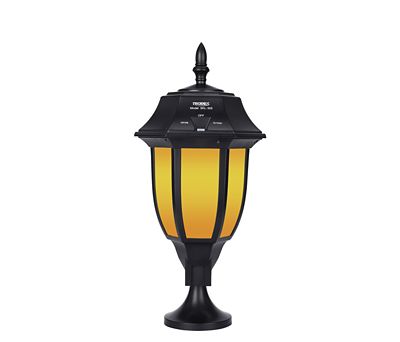
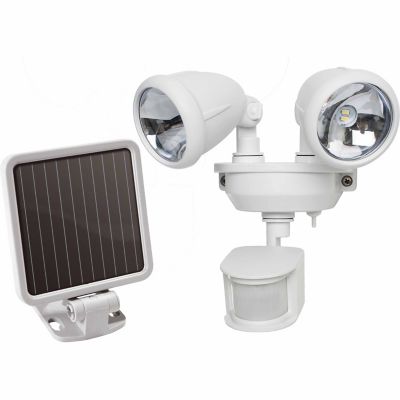
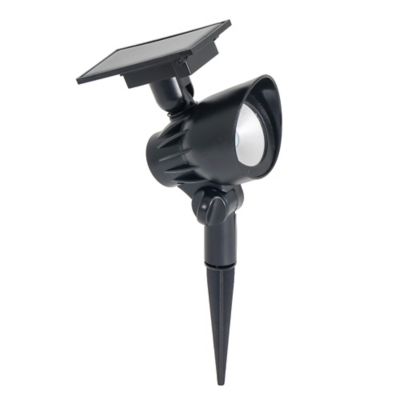
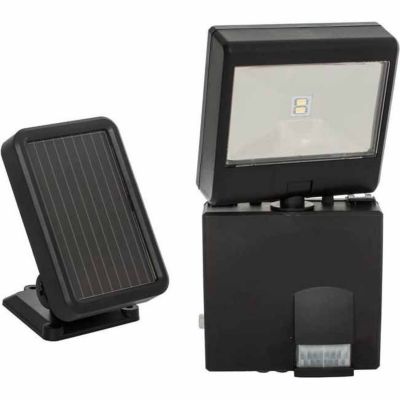
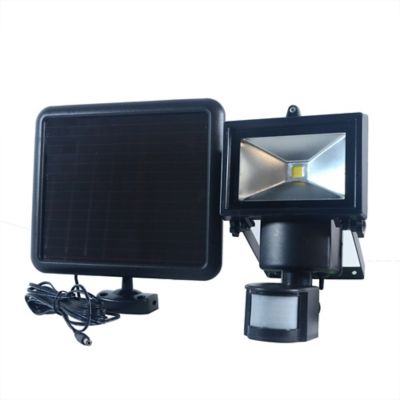
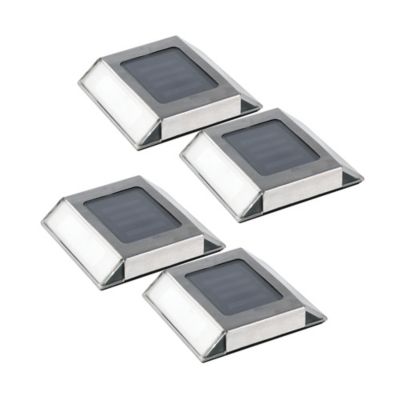
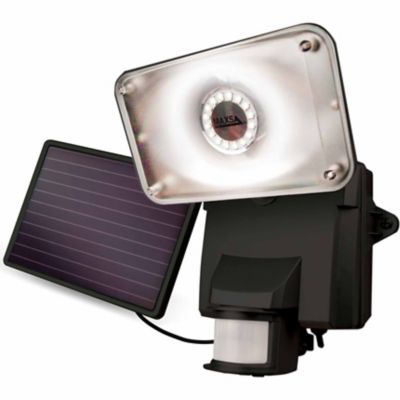
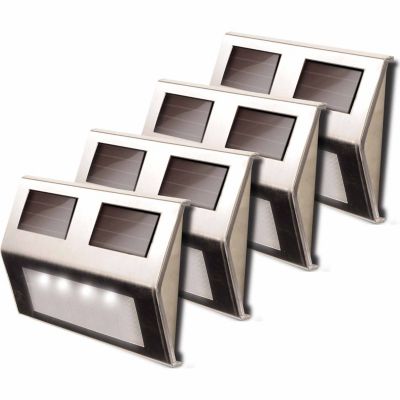
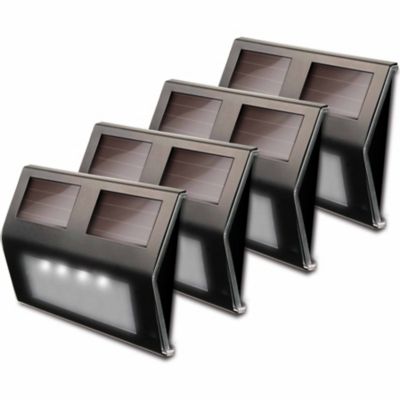
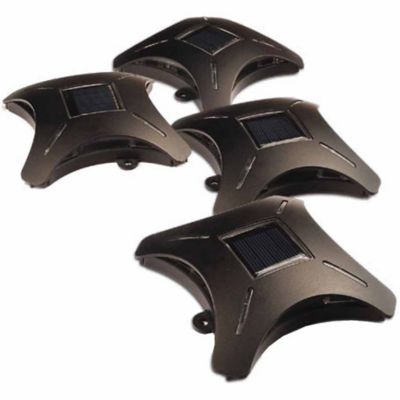
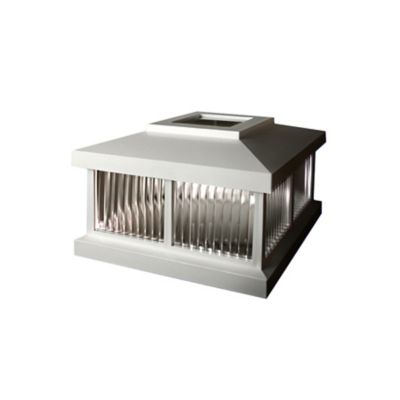
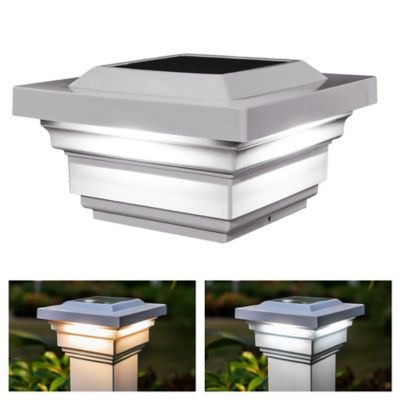
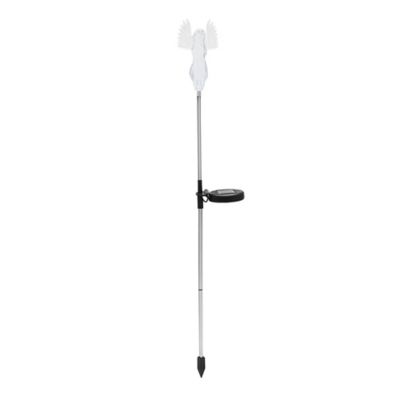
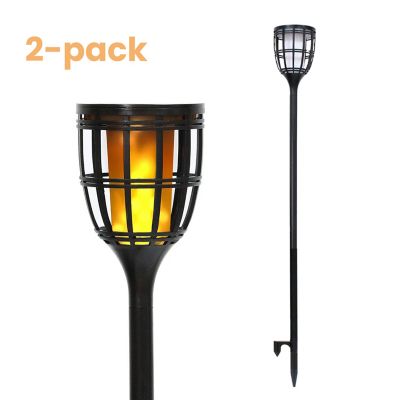
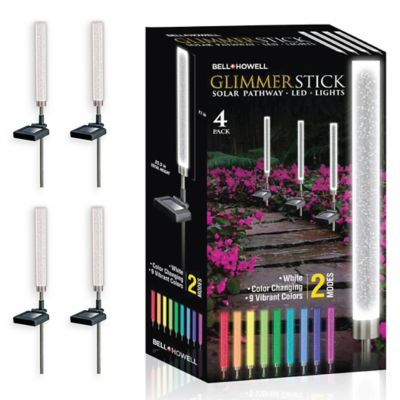
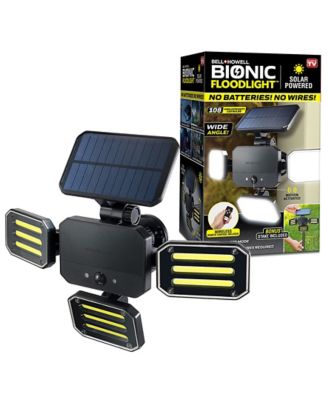
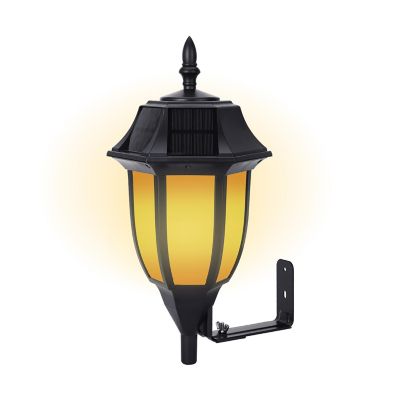
Solar LED lights turn sunlight into outdoor illumination, pairing a solar panel with a rechargeable battery and energy-saving LEDs. The panel collects energy during daylight hours, the battery stores it, and the LEDs draw on that stored power after dark. Many fixtures include a light sensor that switches them on at dusk and off at dawn, while others offer motion activation or selectable operating modes. That self-contained setup brings light to places where running an electrical line would be a bigger job, from the walk between the house and shed to a gate well beyond the porch. Different styles serve different purposes: solar path lights mark walking routes, spotlights direct a beam toward a chosen area, post cap lights outline fence or deck posts, and wall-mounted fixtures illuminate entrances and work areas. Solar string lights spread a softer glow across gathering spaces rather than concentrating it in one spot. For a household with a long gravel drive, a few points of light can help define the approach without lighting up the whole property. Around a patio, lower-output fixtures can make the edges easier to see while keeping the setting comfortable for conversation. Brightness is measured in lumens, but the beam pattern matters just as much as the number on the label. A narrow beam puts more light on a small target, while a broad beam spreads illumination over a larger area. Low-output marker lights are meant to show boundaries, not provide the same visibility as a task light. Fixtures intended for steps, gates, or entryways need enough useful light on the surface people actually cross. Color temperature also affects the look: warm white has a softer, yellow-toned appearance, while cool white looks crisper. Matching that tone across nearby fixtures gives a porch, walkway, and fence line a more consistent appearance, even when the lights have different jobs.
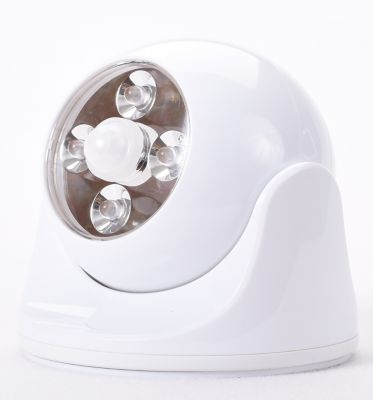
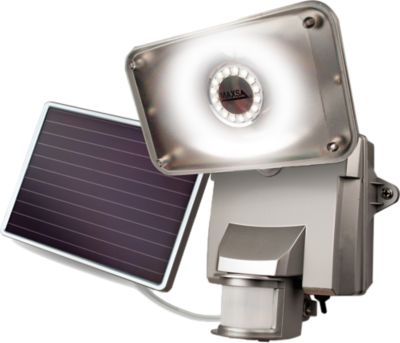
The fit of solar LED lights involves both the mounting location and the spot where the panel can collect sunlight. An integrated panel keeps everything together in one fixture, which works well when the light belongs in an open area. A separate panel connected by a cable allows the lamp to sit beneath an overhang while the panel faces a sunnier part of the yard, within the cable’s reach. Direct sunlight generally supports better charging than shade, so a location beside a large tree or tucked under a deep porch roof can limit how long a light runs. Battery capacity, panel output, brightness settings, and operating mode all affect nighttime performance; a stated runtime is not a promise of the same result in every location. A motion-activated solar light can conserve stored energy by providing its brighter output only when the sensor detects movement. Some designs maintain a dim background light and brighten with motion, while others stay off between activations. Sensor range, detection angle, and mounting height help determine whether that response suits a back door, equipment shed, or driveway entrance. A sensor facing a road may trigger for passing traffic, while one aimed across an approach may respond more usefully to someone walking toward the building. Dusk-to-dawn lighting serves a different purpose, keeping a route marked without waiting for movement. Mounting details matter, too. Post cap dimensions need to match the actual post measurements, and nominal lumber sizes do not always describe the finished dimensions. Wall brackets need a sound mounting surface and appropriate fasteners. Ground stakes suit planting beds and walkway borders, but their placement should leave room for mower wheels, string trimmers, and foot traffic. Along a gravel path, setting fixtures just outside the traveled edge helps keep them out of the way of wheelbarrows and garden carts. Adjustable lamp heads offer more control over where the beam lands, helping light a latch or threshold without shining straight into someone’s eyes or through a nearby window.
Materials and construction make a difference in how solar outdoor lights hold up around a working property. Metal housings, including aluminum and stainless steel, offer different finishes and levels of corrosion resistance, while plastic housings keep fixtures lightweight and avoid metal rust. Neither material alone tells the whole story; bracket strength, lens construction, sealed connections, and the design of the battery compartment also deserve attention. An outdoor rating should suit the installation location, and an IP rating, when provided, describes protection against dust and water intrusion. It does not mean every fixture can be submerged or cleaned with a pressure washer. Smooth panel surfaces and accessible lenses make routine upkeep simpler. Dust, pollen, and grass clippings can reduce the sunlight reaching a panel or dull the light passing through a lens, so gentle cleaning according to the manufacturer’s directions helps preserve performance. Rechargeable batteries lose capacity over time, and designs with replaceable batteries may offer a way to extend service life when charging and mounting conditions are otherwise suitable. Any replacement needs to match the specified battery chemistry, size, and electrical requirements. Solar LED lighting fits homeowners marking a front walk, gardeners outlining raised beds, and acreage owners adding visibility around outbuildings. It can also make a practical housewarming gift when the mounting style and intended location are known. For someone who enjoys lighting a porch or yard for a holiday display,
Solar Christmas Lights offer a related option for festive accents without an outlet at every display location. For everyday spaces, the most useful arrangement often combines modest path lighting with more focused illumination at an entrance or gate. Light directed downward helps keep attention on the walking surface and reduces spill onto neighboring property. Solar fixtures can support visibility around the home, but they should not be treated as a substitute for required emergency lighting or continuous lighting where uninterrupted operation is essential. With output, mounting, and charging needs matched to the setting, they bring straightforward illumination to everyday routes between the porch, yard, and shed.