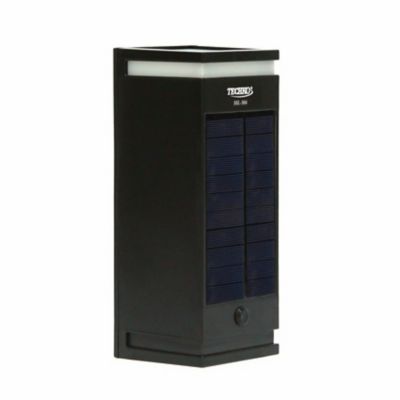
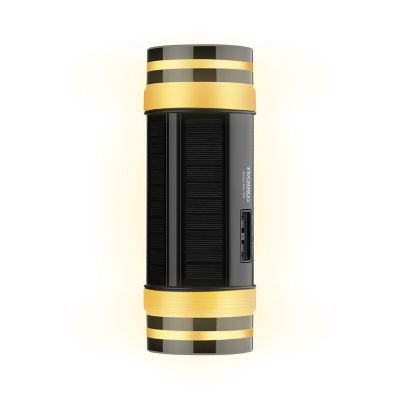
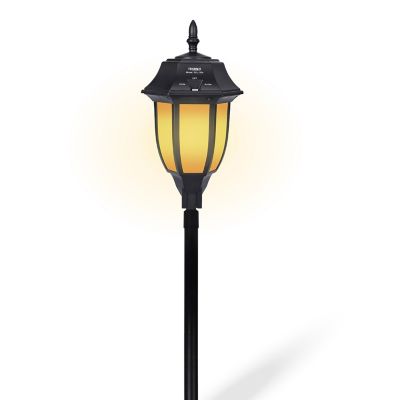
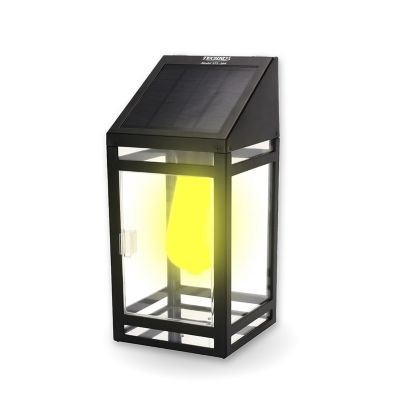
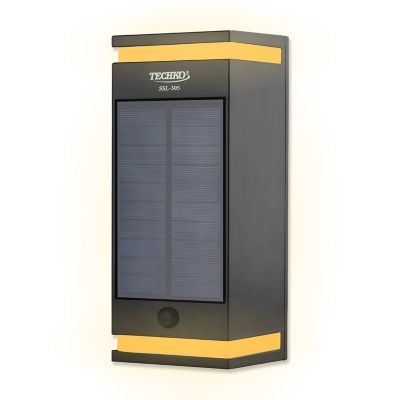
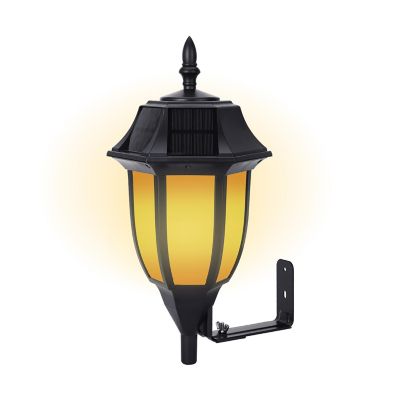
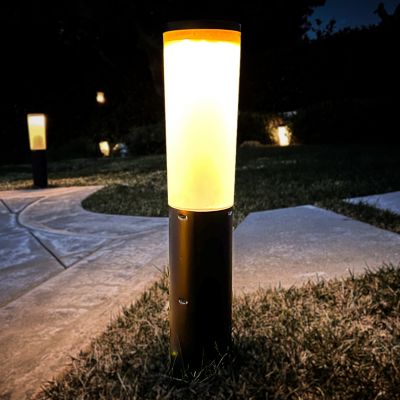
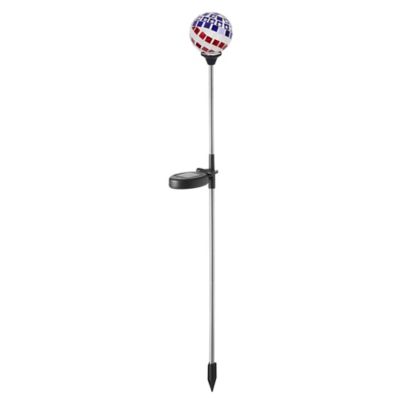
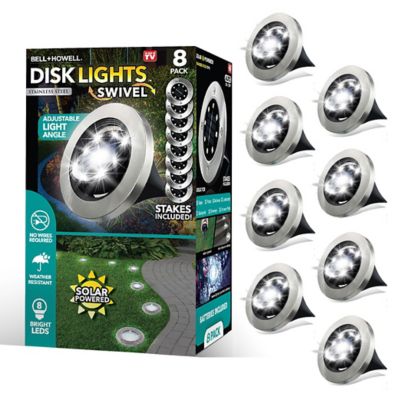
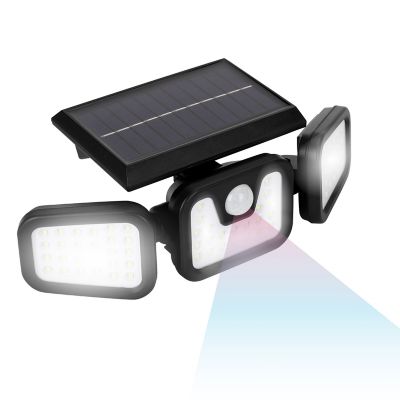
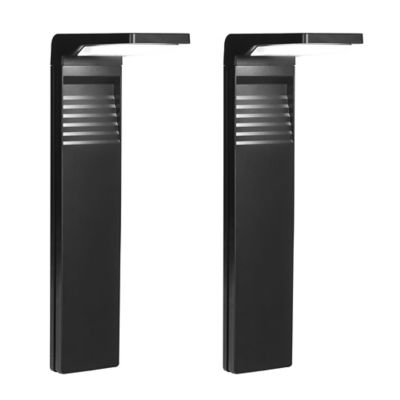
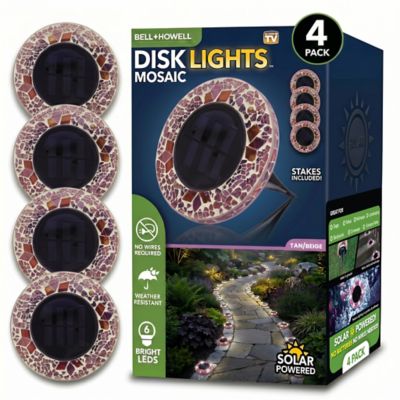
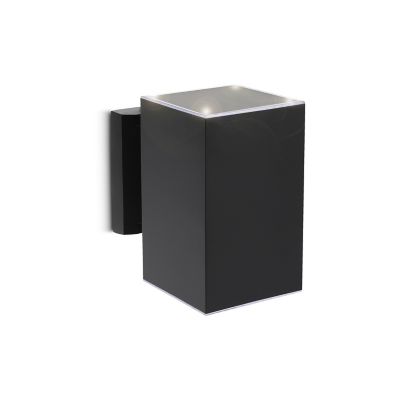
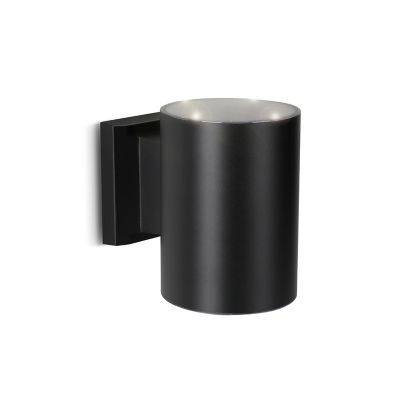
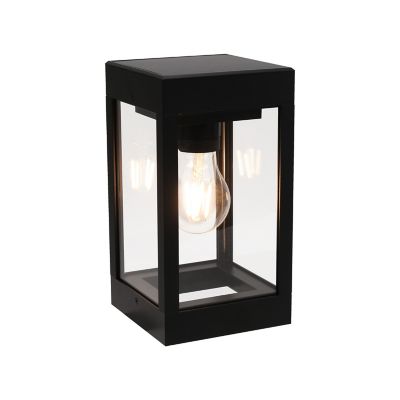
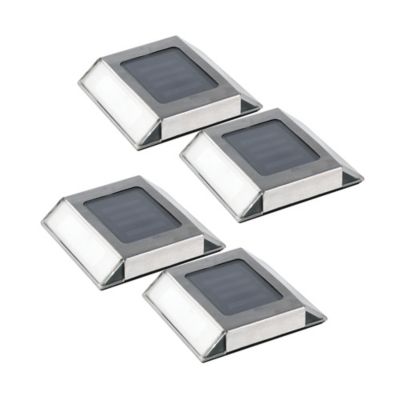
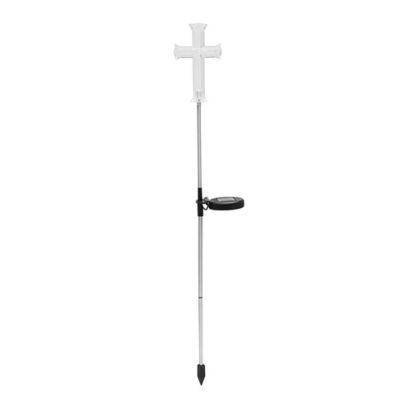
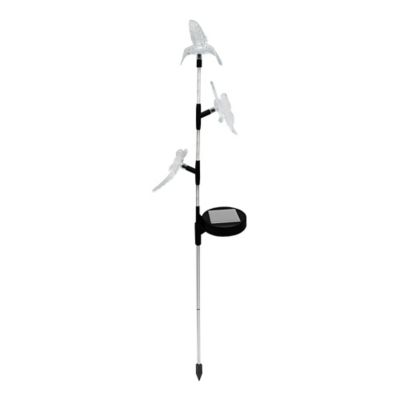
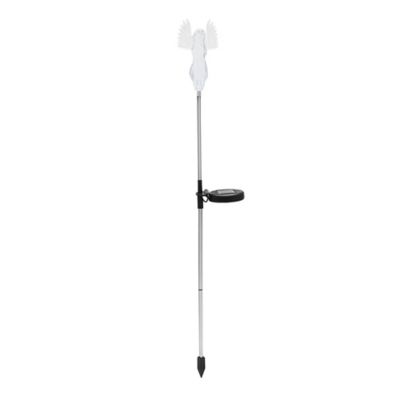
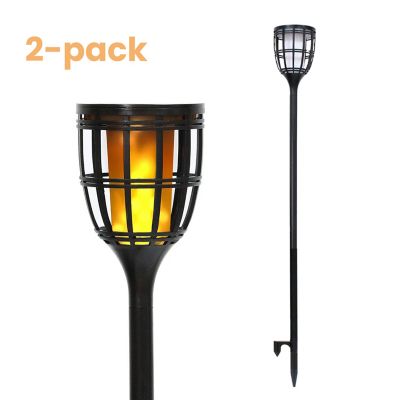
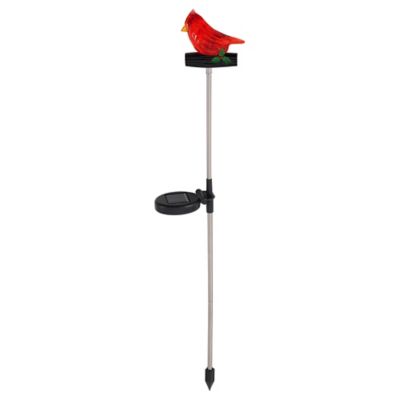
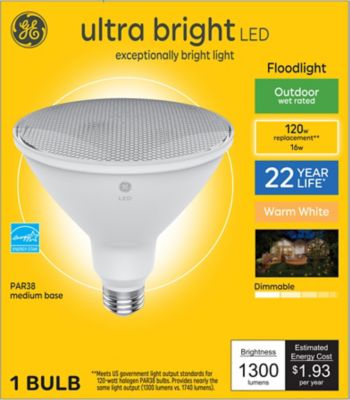
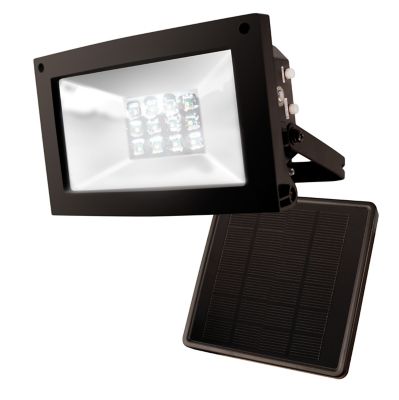
Outdoor solar lights make it easier to brighten the places around a home, farm, cabin, or shop without running electrical wire across the yard. Each light gathers sunlight through a small solar panel during the day, stores that energy in an internal battery, and turns on after dark, often with an automatic sensor. Stake lights can line a walkway, driveway, garden edge, or firewood path with a soft glow, while spotlights and floodlights send a brighter beam toward a barn wall, gate, tree, shed, or other area that needs more visibility. String lights can bring a warm touch to a porch, fence, pergola, or patio without tying up an outlet. Since installation usually means placing a stake in the soil or fastening a simple bracket, these lights fit well in spots where trenching and hardwiring would be a hassle. They can also help lower the need for household electricity because sunlight supplies the charging energy. During the cooler months, a little light along the steps or beside the back door can make evening chores feel more manageable, especially when carrying feed, checking a garden gate, or heading out to the truck before sunrise. Solar lights are also a thoughtful gift for a new homeowner, gardener, camper, rancher, or anyone sprucing up a porch or outdoor sitting area. They offer a practical way to add light while giving the recipient room to decide where it works best around the property.
Start by matching the light style to the area and the job. For a walkway or garden border, look for pathway or stake lights that spread a low, gentle glow rather than a narrow, harsh beam. Spacing matters: lights placed too close together may look crowded, while wide gaps can leave dark stretches between them. For a patio, porch, or fence, string lights can create an inviting backdrop for supper outside, morning coffee, or visiting with neighbors, and
Patio Solar Lights can help focus the search on spaces where people gather. When the main goal is seeing a gate, driveway, equipment area, or far corner of the yard, choose a spotlight or floodlight with a stronger beam. Check the lumen rating to compare brightness, and look for adjustable heads when the beam needs to be aimed at a particular tree, wall, sign, or entry point. Motion sensors can conserve stored power by bringing the light to full brightness when someone or something passes through the detection area. A steady-on setting may suit a walkway or sitting area better. Light color also changes the feel of a space: warm white tends to blend nicely with wood, stone, and planting beds, while cooler white can make edges and details easier to see. Before buying, measure the area, note where shadows fall, and consider how much direct sun reaches the panel. A light placed beneath a thick tree canopy or on the shaded side of a building may not charge as well as one facing an open southern or western exposure. Follow the maker’s guidance for positioning, and keep panels clear of leaves, dust, mud, and snow so they can gather as much daylight as possible.
Weather, season, and placement all affect how outdoor solar lights perform. Look for weather-resistant construction suited to rain, wind, heat, and changing temperatures, and pay attention to the stated outdoor rating when a light will sit in an exposed location. A sealed housing helps protect the battery and electronics from moisture, but no light performs at its best when water collects around the base or the panel stays covered with grime. Push stakes into firm soil after loosening hard ground, and avoid forcing a stake through packed gravel or frozen earth, which can bend or damage the post. Mounted lights should be attached to a solid surface where the panel receives open daylight and the beam covers the intended area. Keep panels away from porch lamps, bright windows, and other nighttime light sources that might trick the sensor into staying off. Battery run time varies with panel size, sunlight, temperature, and the light’s brightness setting, so shorter nights may bring longer illumination while cloudy stretches can reduce it. Wipe the panel with a soft cloth from time to time, clear away fallen leaves, and check that stakes and brackets remain secure after strong weather. With the right placement, solar lights can quietly mark a path, frame a sitting area, highlight a favorite tree, or add peace of mind near an outbuilding without demanding much attention. Their simple setup and flexible placement make them useful for rural properties and town yards alike, whether the goal is safer footing, a brighter gathering spot, or a welcoming glow at the end of the drive.