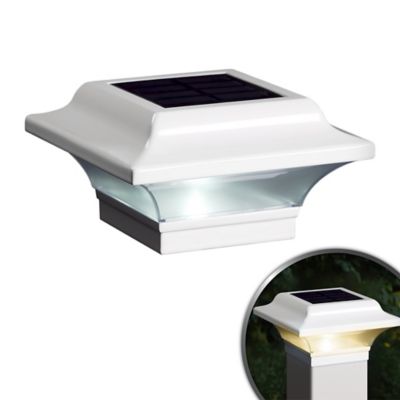
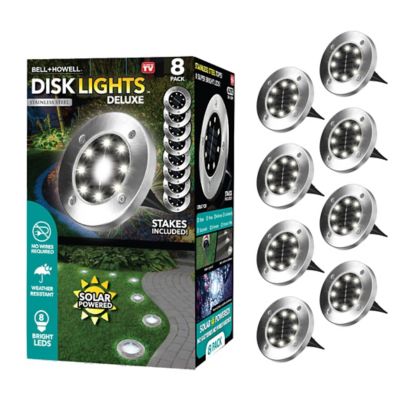
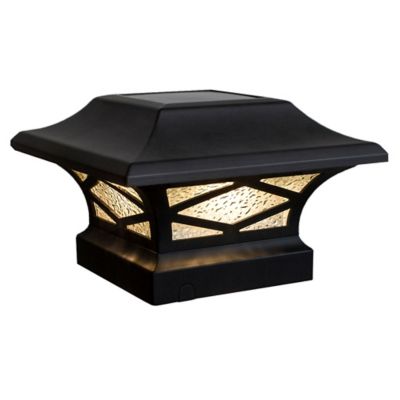
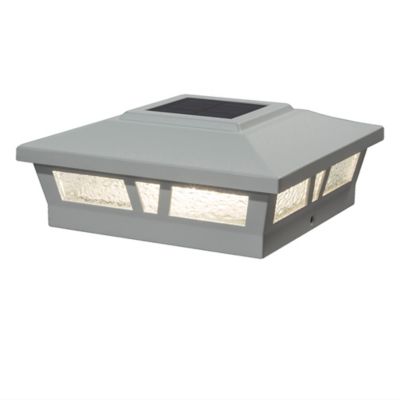
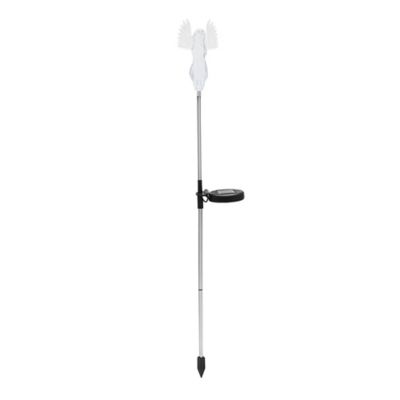
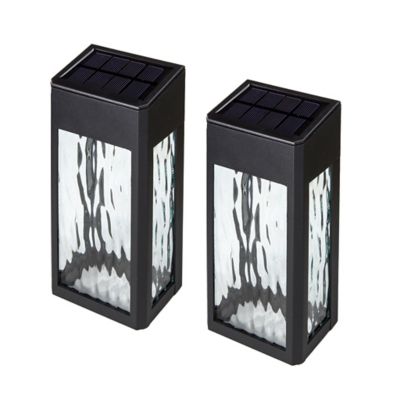
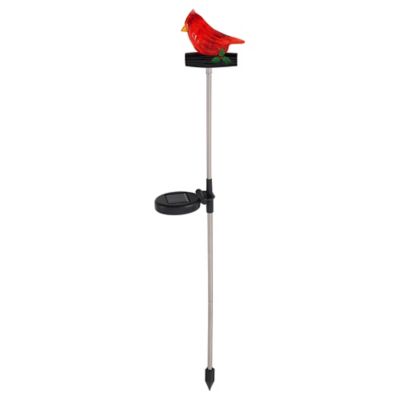
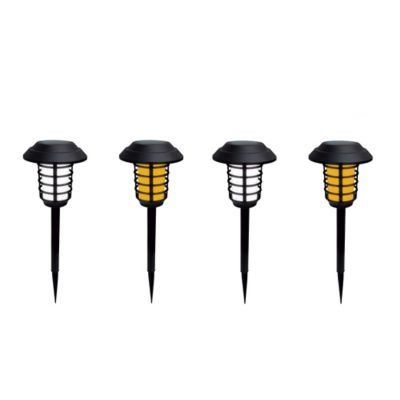
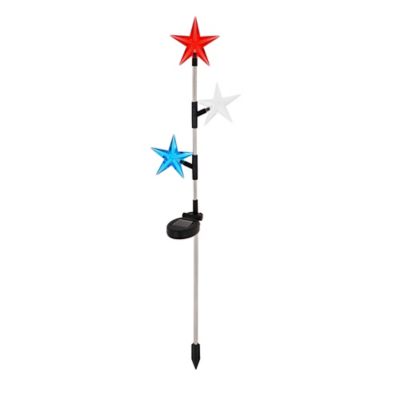
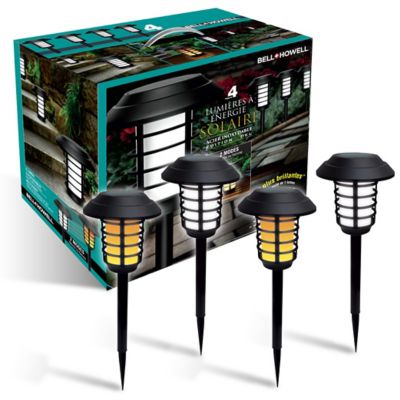
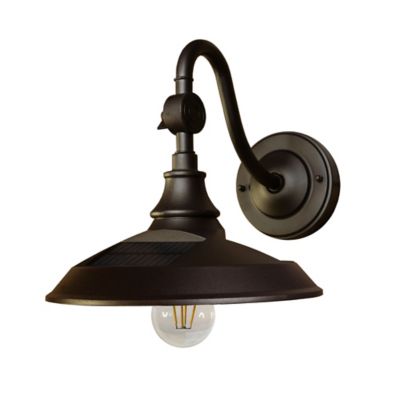
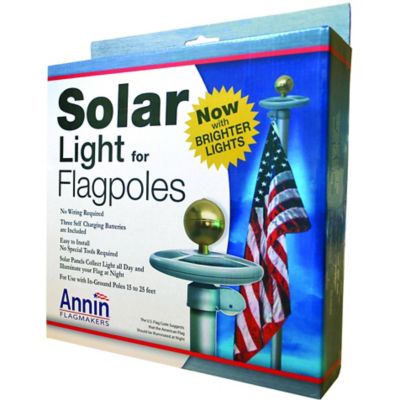
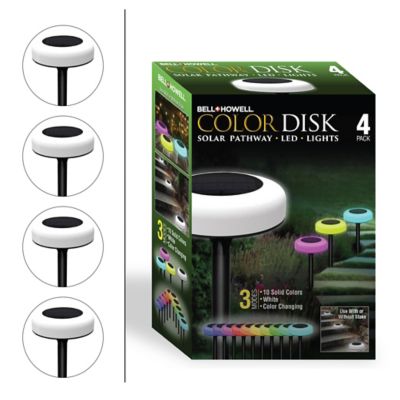
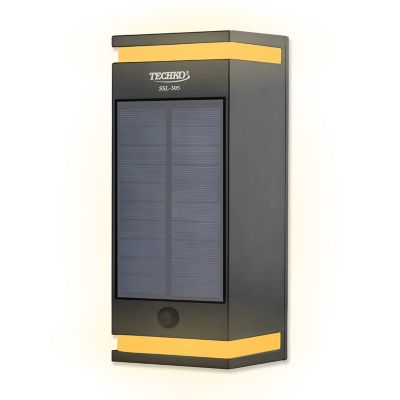
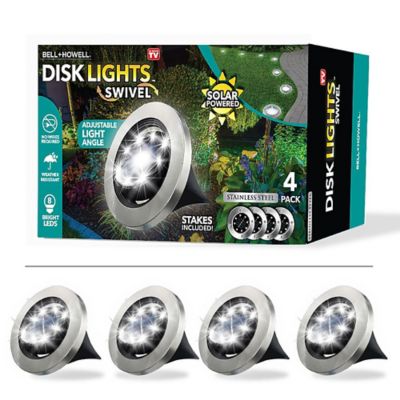
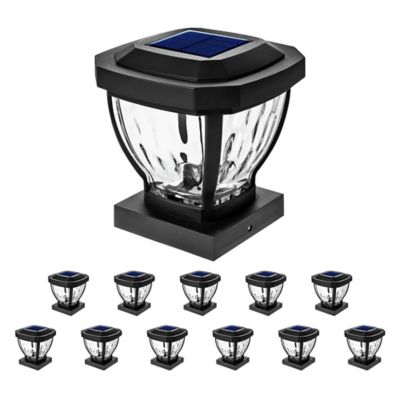
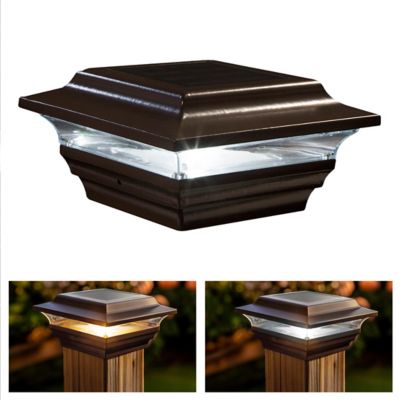
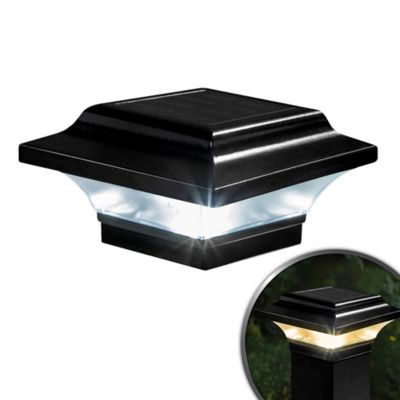
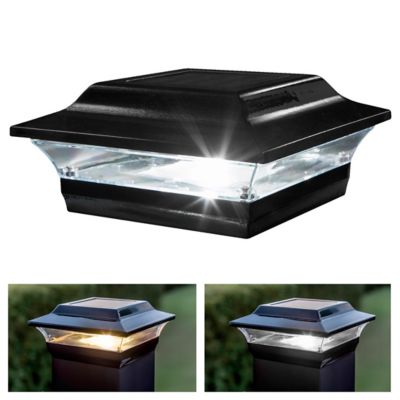
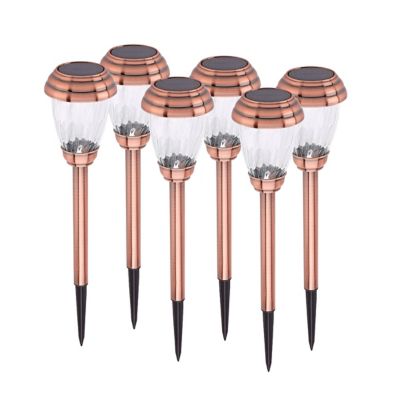
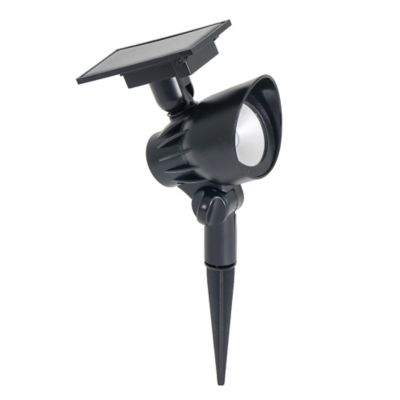
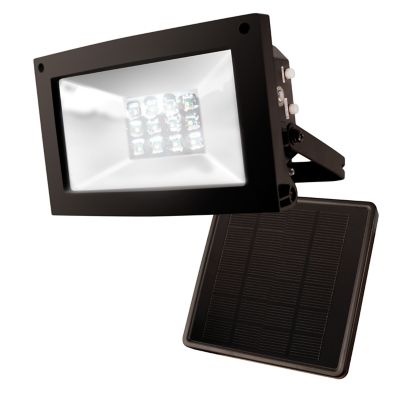
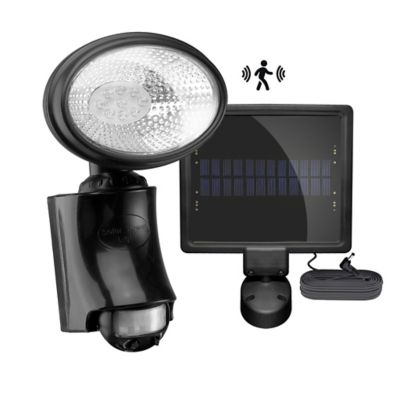
Solar landscape lights bring a little extra light to the places that connect a home, yard, and outbuildings, from the front walk to the gate beside the garden. A row along a footpath can make its edges easier to see after dark, while a focused beam can draw attention to a tree trunk, a stone wall, or the house number near an entrance. Around a country place, those small pools of light can help mark the route between the porch and a detached garage without lighting up the entire property. Solar lighting collects energy through a panel and stores it in a rechargeable battery, so many designs can operate without a connection to household wiring. That makes placement more flexible, though access to direct sunlight still matters. Panels tucked beneath thick branches or deep porch overhangs may not collect enough energy to support the same nighttime operation as panels in an open spot. Many lights switch on automatically as daylight fades, and some offer selectable brightness levels or operating modes. Run time depends on the battery, the light setting, and the energy collected during the day rather than a fixed promise of all-night illumination. The broader range of
Solar LED Lights includes designs suited to low path lighting as well as more focused landscape accents. Lumens describe light output, while beam shape determines where that light lands; a narrow beam and a wide spread can look quite different even at similar output levels. A soft glow beside a flower bed serves a different purpose from a concentrated light aimed at a gatepost. Light color matters, too. Warm white tends to create a softer look around sitting areas and porches, while a cooler white can make edges and details appear more distinct. Landscape lighting works best as part of the property's overall lighting plan, not as a substitute for the stronger task lighting needed for repairs, equipment handling, or other work after dark.
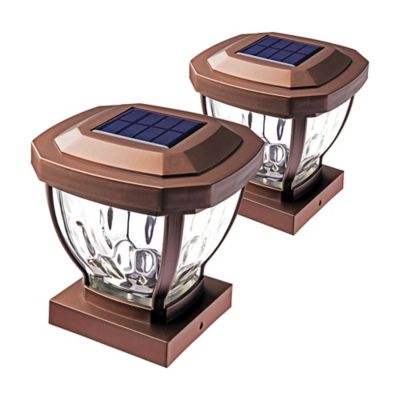
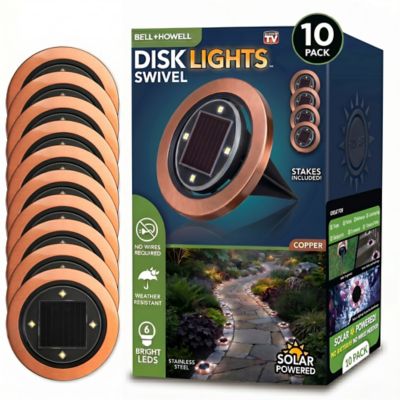
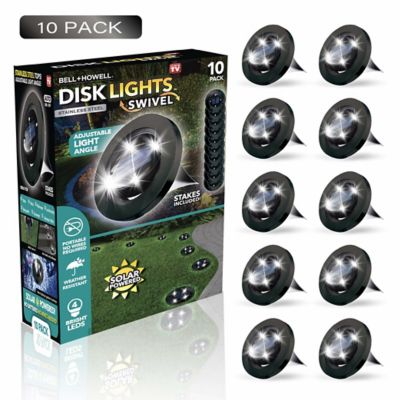
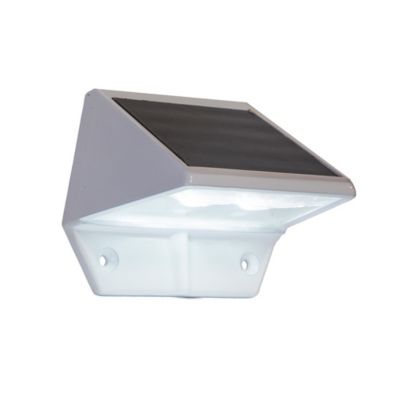
Materials and construction make a difference wherever solar landscape lights meet soil, grass, gravel, and regular yard work. Metal housings may feature aluminum or stainless steel, while molded plastic designs can offer a lighter feel and avoid rust on the housing itself. A finish, lens, and fastener set all contribute to how well a light holds up outdoors; the housing material alone does not tell the whole story. Clear lenses allow a more direct view of the light source, while frosted or textured lenses spread light and soften its appearance. Sealed connections and an outdoor rating appropriate to the placement are worth checking, particularly near sprinklers or areas where water collects. An outdoor rating does not necessarily mean a light can sit in standing water. Ground stakes need enough depth and support to stay upright, and a short stake in loose soil may lean more easily than one seated firmly in a suitable spot. Hard-packed ground and gravel call for attention to the mounting method rather than extra force on a plastic stem. For fence-mounted or wall-mounted designs, bracket dimensions, mounting hardware, and the surface beneath them affect the fit. Some lights have a panel built into the housing; others separate the panel from the light with a connecting cable. A separate panel can open up placement options, but cable length and a protected route become part of the setup. Around a working yard, location matters as much as appearance. Lights close to mower paths, string trimmers, swinging gates, or places where livestock gather are more likely to take a knock. A little clearance leaves room for everyday chores. Routine care is usually straightforward: soil and grass clippings can collect on panels, and a gentle wipe with a soft cloth helps keep the surface clear. Battery access also deserves a look before choosing a design. Where replacement batteries are supported, the specified rechargeable battery type and size matter, and the manufacturer's care directions remain the right reference for cleaning, charging, and replacement.
The best-looking arrangement usually follows the way a place is actually laid out. Along a straight walk, evenly spaced lights can give the path a tidy outline; beside a winding gravel route, placement at bends and junctions may do more good than a continuous row. A few lights near the porch steps, a change in grade, or the turn toward a gate can make those spots easier to notice, though low landscape lights should not be counted on as the only illumination for stairs. Light height changes the effect as well. Short fixtures keep the glow close to the ground, while taller designs can cast light over low plantings or farther across a path. Mature plant size matters because a light that stands clear of a small shrub may become hidden as the shrub fills out. Aiming a spotlight toward bark, stone, or foliage brings out texture without requiring broad illumination across the yard. Keeping the beam within the intended area also helps avoid glare through bedroom windows or across a neighboring fence. On a larger property, separate groups of lights can mark the front entrance, a garden gate, and a backyard sitting area without making every stretch of lawn equally bright. Matching light color and a similar fixture finish can tie those areas together, even when the shapes vary to suit each location. Nearby porch lights can affect dusk sensors on some designs, so that relationship is another detail worth considering. For homeowners who enjoy tending the yard, solar landscape lights offer a practical way to finish the spaces they spend time in. They can also make a thoughtful gift for someone settling into a new home or putting the finishing touches on a garden. The most useful choice reflects that person's space: the amount of sunlight reaching the panel, the mounting surface, the desired light spread, and the amount of care they want to give it. Those everyday details help lighting settle naturally into life around the house and yard.