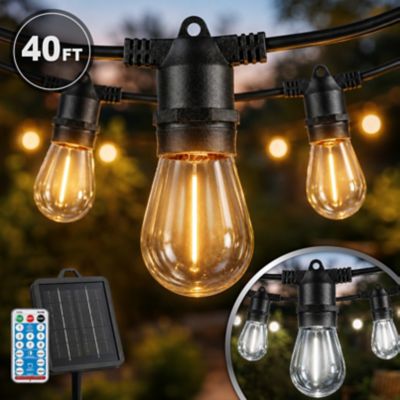
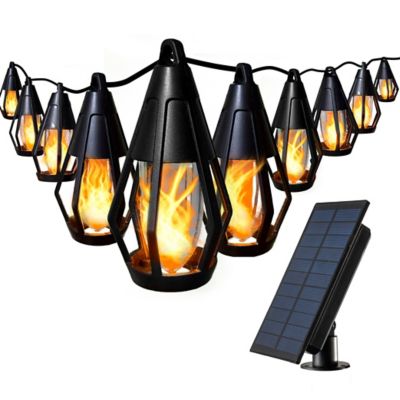
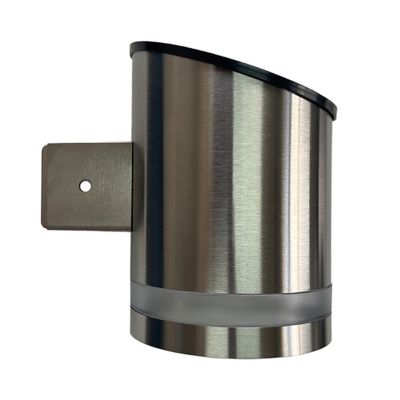
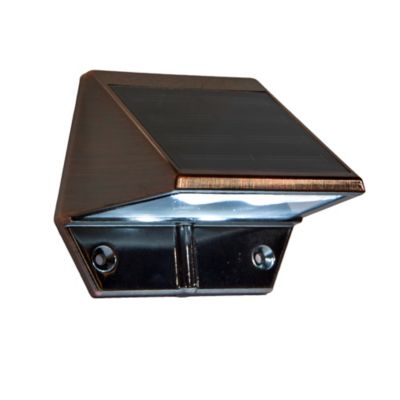
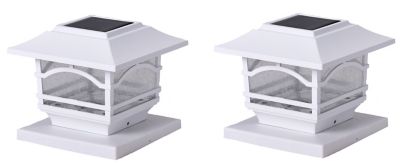
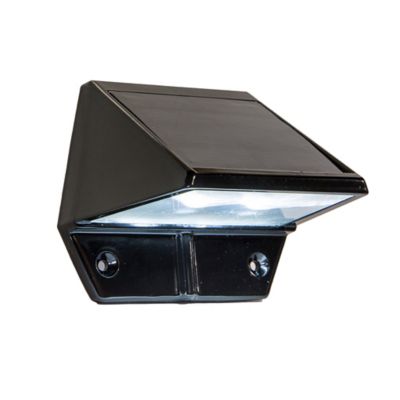
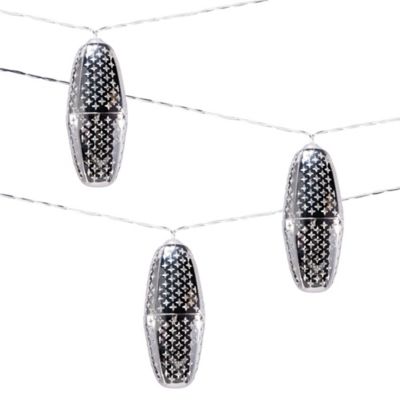
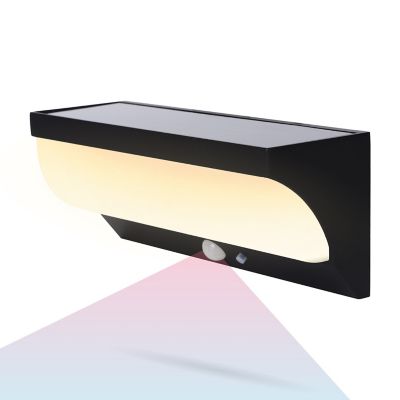
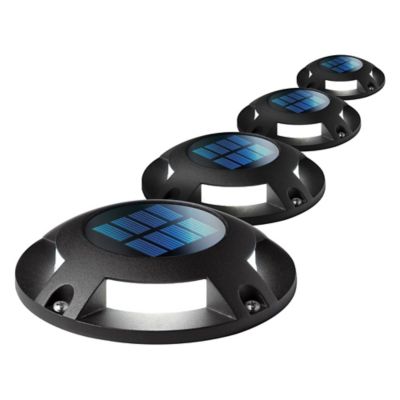
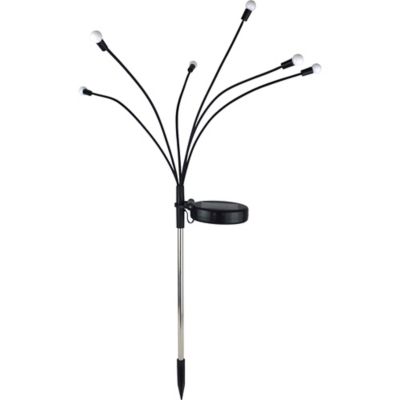
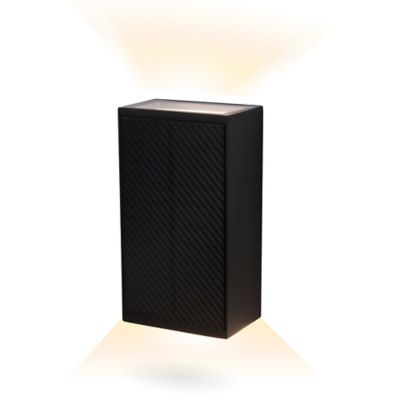
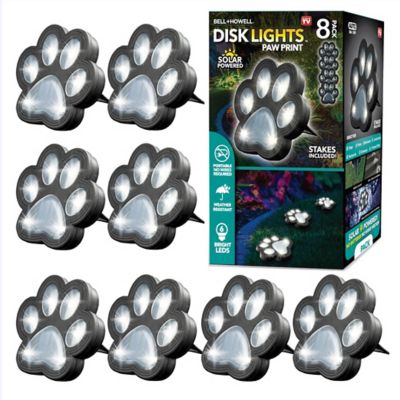
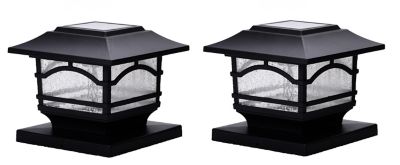
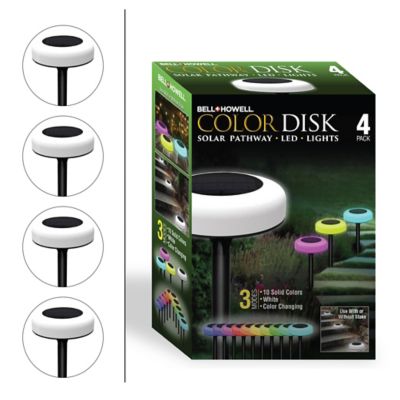
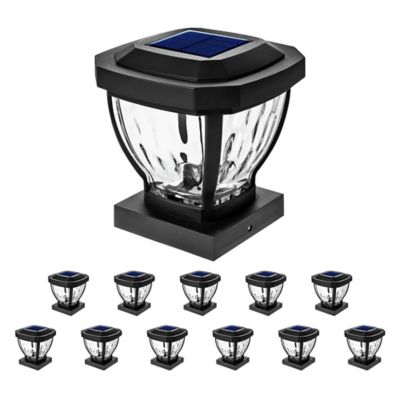
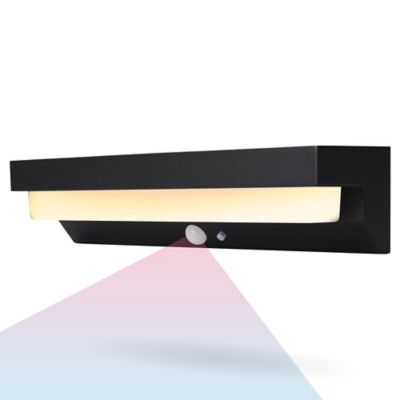
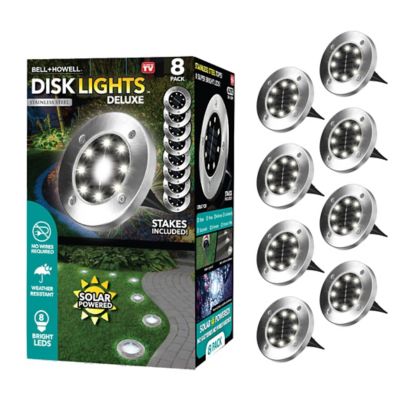
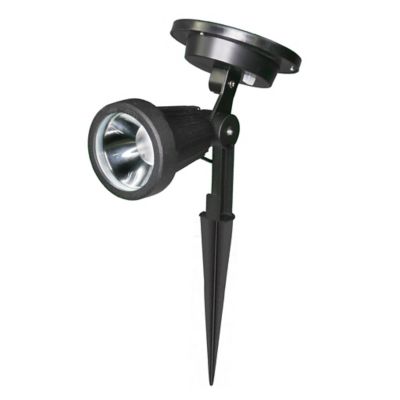
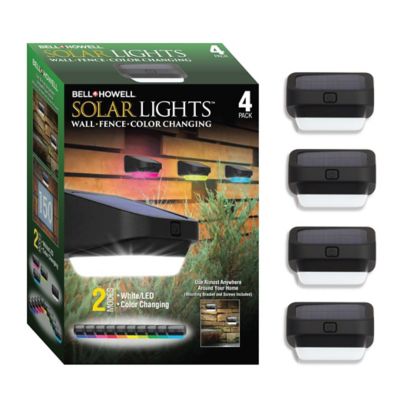
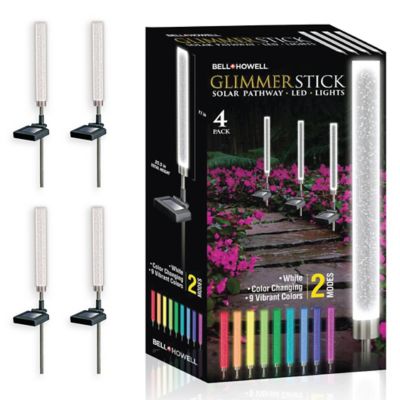
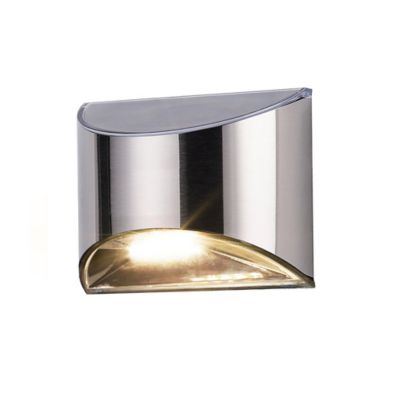
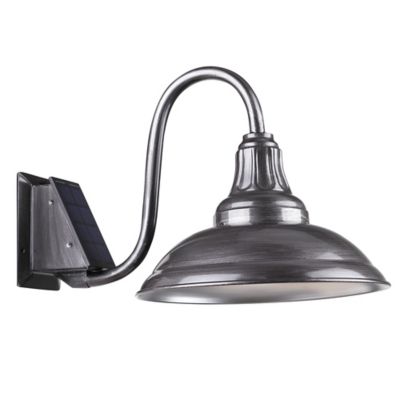
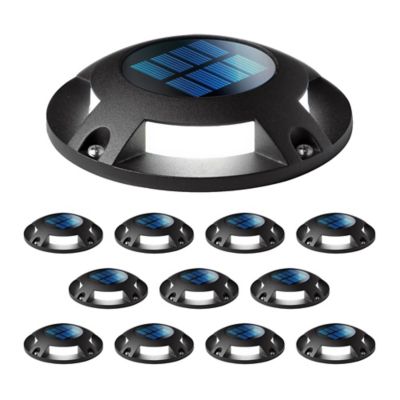
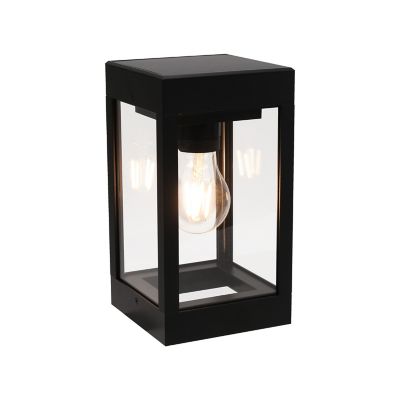
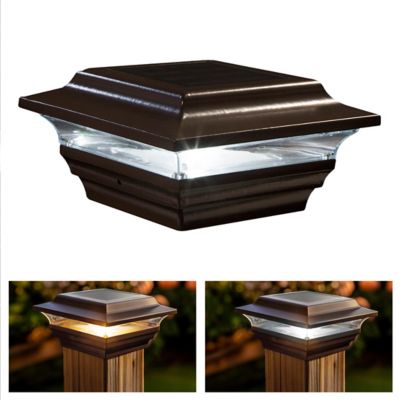
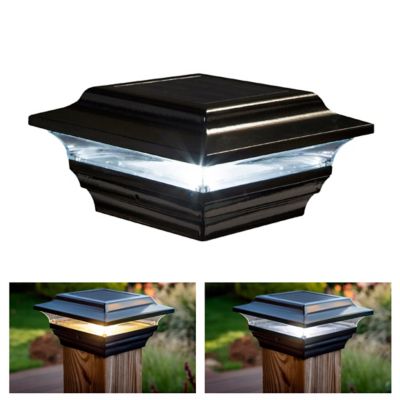
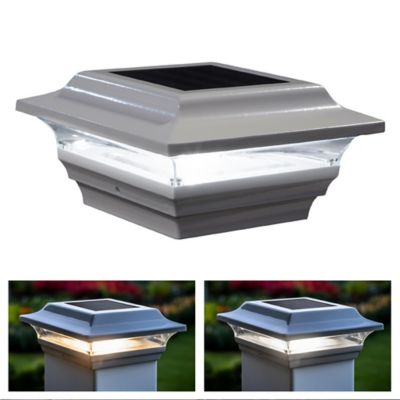
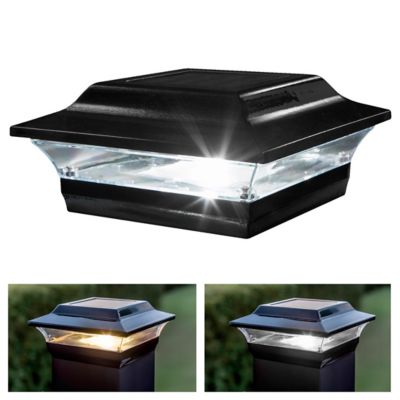
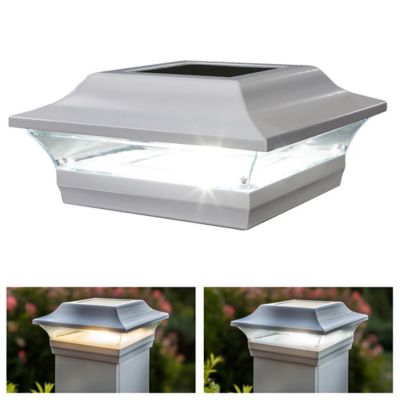
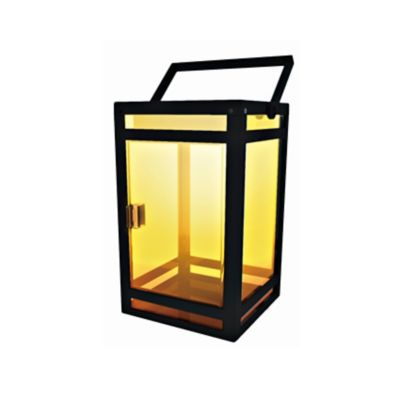
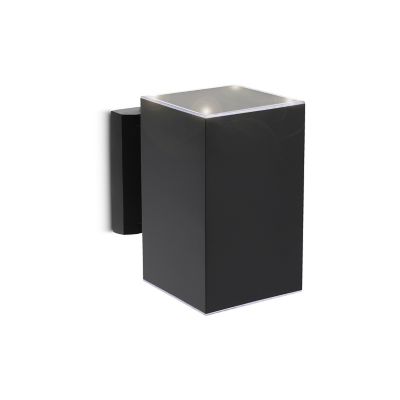
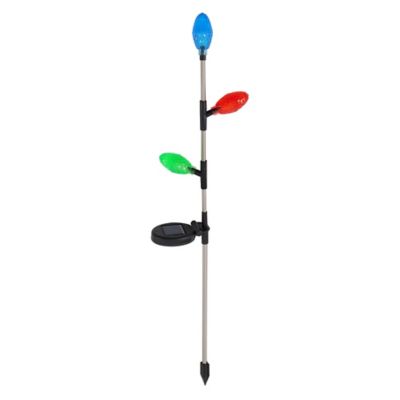
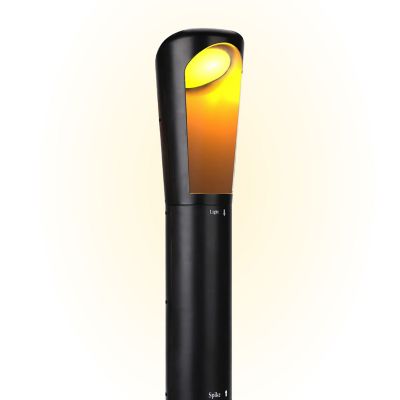
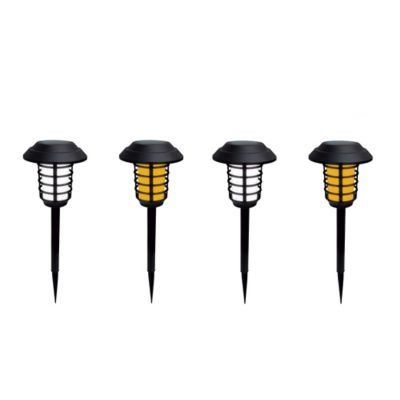
Patio solar lights bring a welcoming glow to the places where folks gather after the chores are done, whether that’s a table beside the back door, a seating area overlooking the pasture or a small patio tucked between the house and garden. These outdoor lights collect energy through a solar panel, store it in a rechargeable battery and power LEDs after dark. Many have a light sensor that switches them on at dusk, though controls and lighting modes vary by design. They generally don’t need a connection to household electrical wiring, making them a practical choice for patios without a nearby outlet. Solar string lights add overhead light along pergola beams, fence lines and covered seating areas, while solar lanterns give tabletops and hanging hooks a softer glow. Path and stake lights help outline the route between the patio and yard, and wall or post lights can mark the edges of a gathering space without taking up room on the ground. Each style serves a different purpose: a lantern beside a rocking chair creates a comfortable focal point, while a row of low lights makes the boundary between paving and a planting bed easier to spot. For a patio that handles everything from family suppers to a quiet cup of coffee, a mix of overhead and low-level lighting can feel more balanced than a single bright fixture. Light patterns matter, too. Clear shades let the bulb show through, frosted shades soften its appearance, and pierced metal housings can cast patterns across a tabletop or nearby surface. Patio solar lighting can be subtle enough to leave the view beyond the fence in the dark while still making the seating area feel inviting. The best fit depends on whether the goal is a gentle background glow, a brighter gathering spot or a clearer outline around the space.
Sunlight access is one of the biggest considerations for solar patio lights, even when the fixture itself belongs in a shaded spot. A built-in panel needs a location with the direct sunlight specified by the manufacturer, while a separate panel offers more freedom to place the light beneath a pergola or beside a sheltered seating area. With separate-panel designs, cable length affects how far the fixture can sit from its charging location. Brightness is measured in lumens, and a higher number means more light output, but more isn’t always better around a patio table. Soft lighting can suit conversation and lounging, while steps, gates and changes in surface level may call for a more focused beam or additional lighting. Accent lights shouldn’t be expected to replace lighting intended for tasks or security. Warm white LEDs tend to create a mellow look around wood furniture and brick, while cooler white light has a crisper appearance. Shade shape, fixture height and the direction of the beam also affect how much light reaches the ground instead of shining into someone’s eyes. Materials influence both appearance and upkeep. Powder-coated metal can coordinate with fencing and outdoor furniture, aluminum keeps fixtures relatively light, and plastic housings are easy to move around. Glass shades have a substantial feel, while plastic lenses can be a practical choice near busy walkways. Construction details such as secure hanging loops, snug battery covers and sturdy mounting points deserve attention wherever chairs get shifted or the family dog cuts through. Outdoor-use markings and water-resistance ratings help distinguish fixtures suited to an exposed patio from those intended for a protected location; resistance to splashes does not mean a light can sit in standing water. Dimensions count as much as appearance. A tabletop lantern should leave room for plates and serving dishes, hanging strands need suitable support, and stake lights belong far enough from the walking line that boots, mower wheels and garden hoses can pass without catching them.
Everyday care for patio solar lights centers on keeping the panel clear and the fixture in good working order. Dust, pollen, leaves and splashes from nearby soil can block light from reaching the panel, so a gentle wipe with a soft cloth helps maintain charging performance. Cleaning methods should follow the fixture’s care directions, especially around finishes, seals and electrical components. Shrubs and climbing plants can gradually shade a panel that once had an open view of the sky, and a patio umbrella can do the same when its position changes. Battery capacity, panel size, brightness settings and the amount of direct sunlight all affect how long a solar light stays on. A stated runtime generally depends on a full charge under the manufacturer’s test conditions, rather than guaranteeing the same number of hours every night. Fixtures with selectable modes offer a choice between a steady glow and other effects, and lower-output settings may extend operating time when the design supports them. Rechargeable batteries also have a service life; where replacement is permitted, the specified battery type and rating matter. For a coordinated look beyond the patio, other
Solar Lights can connect the seating area visually with a garden path, fence or entrance. Matching finishes can tie those areas together, while repeating the same light color keeps the yard from looking patchy after dark. There’s no need to light every corner. A few well-placed points of light can frame a bench, highlight the edge of a planter and mark the way back to the house without competing with the open sky. Portable solar lanterns can also make thoughtful housewarming gifts for people who enjoy evenings outdoors, provided the recipient has a suitable charging spot. From a compact paved nook to a broad patio beside the yard, solar lighting offers a way to give outdoor living spaces a comfortable, lived-in feel without running household power to each fixture.