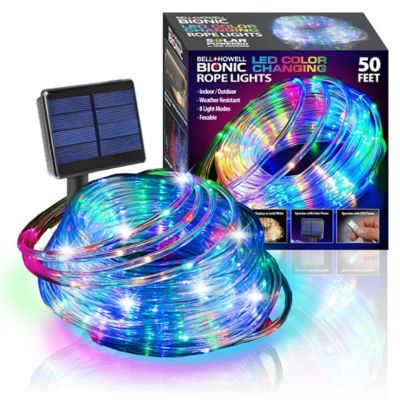
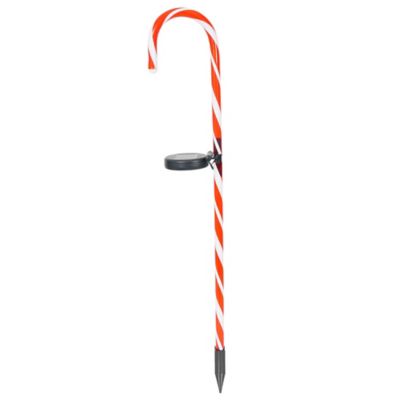
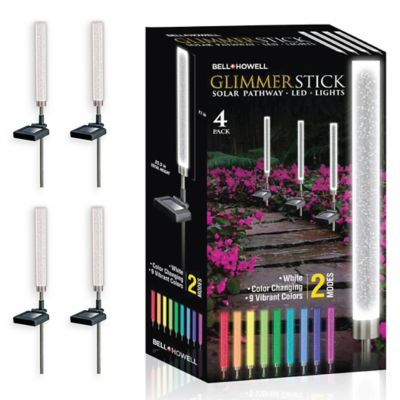
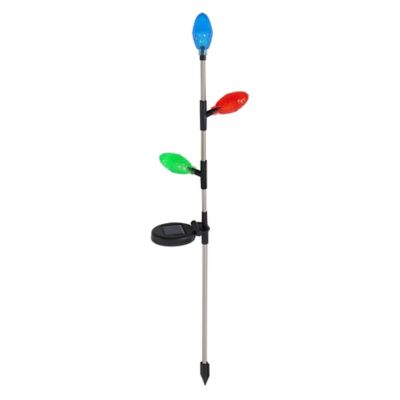
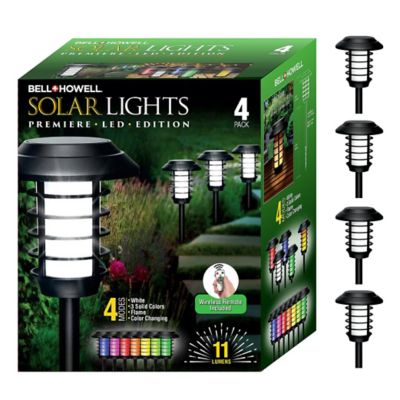
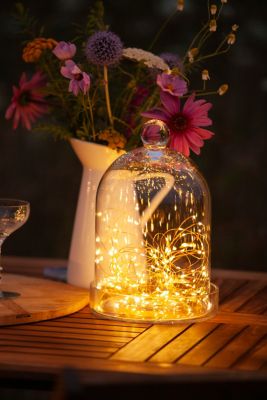
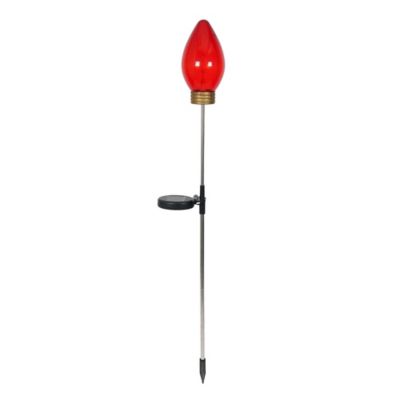
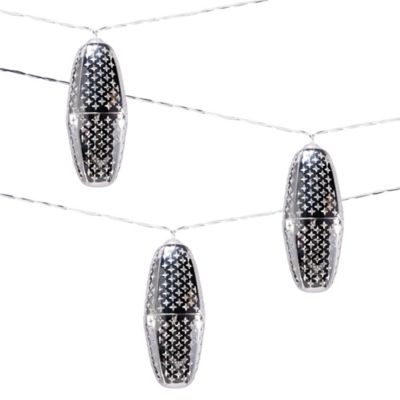
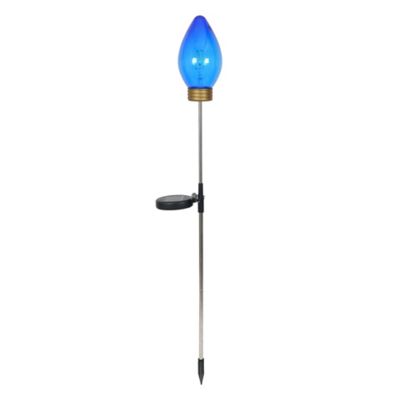
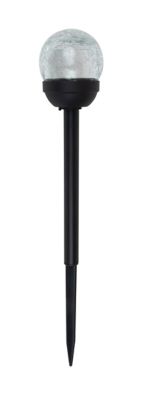
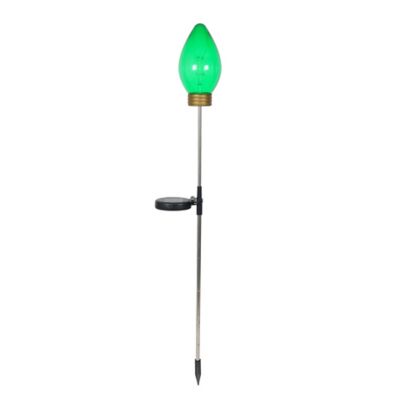
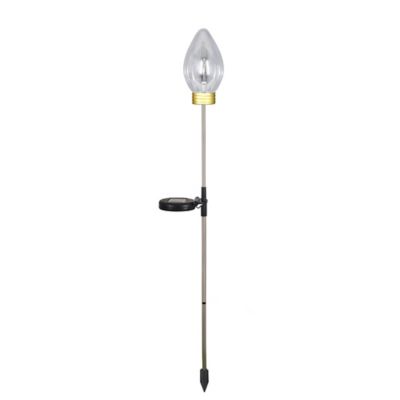
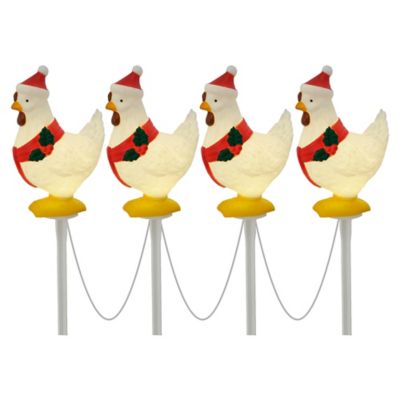
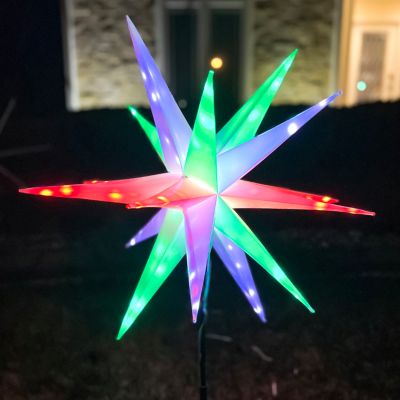
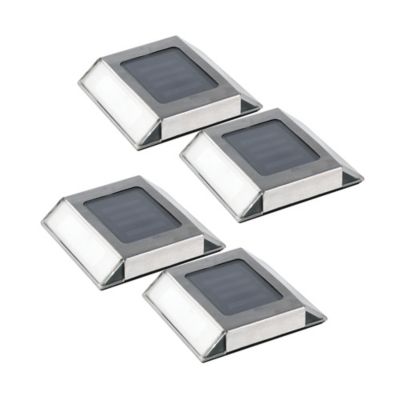
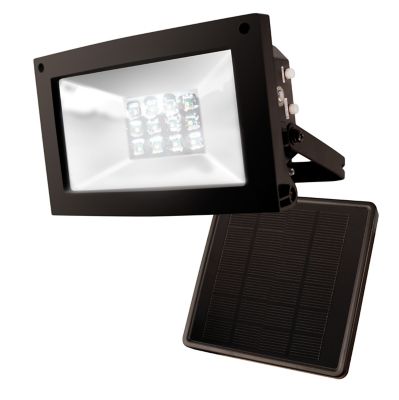
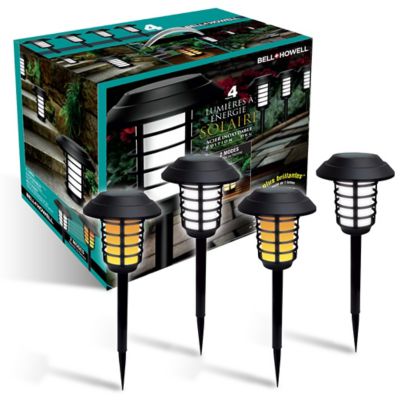
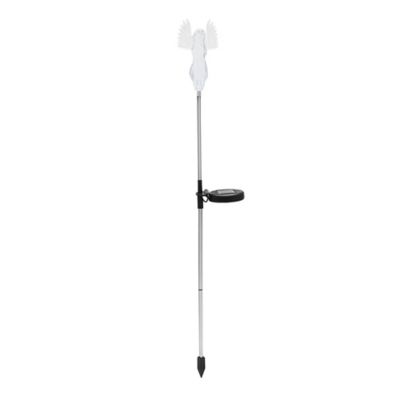
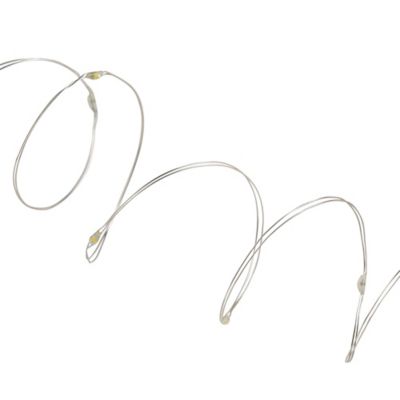
Solar Christmas lights bring a holiday glow to porches, fence lines, evergreens and front yards without needing an electrical outlet beside every display. A small photovoltaic panel collects sunlight during the day, and a rechargeable battery stores that energy to power LED bulbs after dark. Many sets have a light sensor that switches the lights on at dusk and shuts them off when daylight returns, though the battery may run down before morning. That simple setup makes solar-powered Christmas lights a practical choice for a wreath on a detached shed, a tree near the driveway or a stretch of rail fence beyond the reach of porch outlets. Depending on the design, the panel may be built into the light or connected to a strand by a separate lead wire, giving it a sunny spot while the lights hang elsewhere. The look can range from a soft outline around a doorway to a bright splash of color across the yard. Warm white LEDs suit weathered wood, red bows and fresh greenery, while cool white lights give snowflake shapes and icicle strands a crisp, wintry look. Multicolor strands bring a cheerful feel to family gathering spots, from the porch steps to a backyard sitting area. Small bulbs tuck neatly into branches and garland; larger bulb shapes stand out better when the display sits farther from the house or road. Net lights spread points of light across shrubs, and curtain-style strands create a backdrop along a suitable outdoor frame. Steady lighting keeps the scene calm, while selectable twinkle or flashing modes add movement where that fits the setting. For a broader look at solar-powered lighting beyond Christmas displays,
Solar LED Lights covers the same basic combination of sunlight, battery storage and LED illumination. Holiday lighting is best treated as an accent rather than a substitute for the lighting needed to navigate steps, gates and walkways safely.
The right fit for an outdoor Christmas display depends on more than the total strand length. Lighted length describes the portion carrying bulbs, while the lead wire is the stretch between the solar panel and the first light. That distinction matters when a panel needs to sit out in the yard but the strand begins under a porch roof. Bulb spacing also changes the finished look: closely spaced lights create a fuller glow around a small wreath, while wider spacing can suit a long fence rail. Wrapping a tree trunk takes more length than tracing a straight railing, especially when the loops sit close together. Panel placement matters just as much as strand placement. Solar Christmas lights generally charge best with several hours of direct sunlight, and a south-facing position with an unobstructed view of the sky is often a good starting point in the United States. A panel beneath deep eaves or tucked behind an evergreen may receive too little light even when the surrounding yard looks bright. Shorter days, low winter sun, cloud cover, snow and cold temperatures can all affect charging or battery performance, so there is no single nightly runtime that applies to every set and location. A full charge may carry a display through an evening, while a gray day can mean a shorter show. Battery capacity, panel size, lighting mode and the number of LEDs all play a part. Some designs include an alternate charging option, but that feature should be confirmed rather than assumed. Rechargeable battery types vary, and any replacement needs to match the manufacturer's requirements. Controls differ, too; the instructions establish whether a particular switch position is necessary for charging and automatic operation. A nearby porch light or yard light can interfere with a dusk sensor, making a panel location away from those light sources helpful. These details matter most on properties where the best sunny patch and the best-looking display spot are several feet apart.
Materials and outdoor ratings help determine where solar holiday lights belong and how well they handle the season. Plastic bulb covers can keep strands lightweight and reduce the chance of breakage during hanging, while glass components need gentler handling around ladders, tools and hard porch floors. The wire jacket, battery compartment, solar panel housing and any connections all need protection appropriate to the intended setting. An outdoor rating is important for exposed displays, but weather resistance does not automatically mean a light can sit in standing water or stay buried in snow. An ingress protection rating, when provided, describes resistance to dust and water under defined conditions; the manufacturer's directions still establish placement limits. Panels and battery housings fare better where runoff cannot pool around them, and ground stakes need a firm position away from vehicle tires, livestock traffic and routine snow clearing. On a working property, light strands belong clear of gate hinges, electric fencing and places where animals might chew or pull the wire. Clips intended for light strands help support a display without driving nails or staples through the insulation. Along porch rails and outdoor greenery, a little slack keeps connections from taking all the strain when branches move in the wind. Care is generally straightforward: a gentle wipe keeps dirt off the panel, and clearing snow without scraping its surface helps sunlight reach it. Harsh cleaners, tugging on wires and bending cold strands sharply can damage components. After the holiday, dry lights thoroughly before packing them away, coil strands loosely and follow the battery storage directions. Those habits help keep the next setup from starting with a tangle or a cracked housing. Solar Christmas lights suit homeowners adding cheer to a country porch, families lighting the tree everyone sees from the kitchen window and gift recipients who enjoy outdoor holiday displays. Their appeal is simple: a welcoming glow around familiar places, with the solar panel doing its work while daylight lasts.