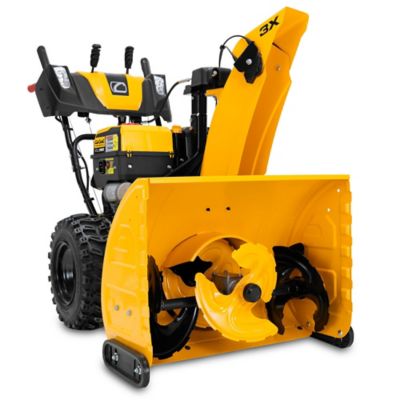
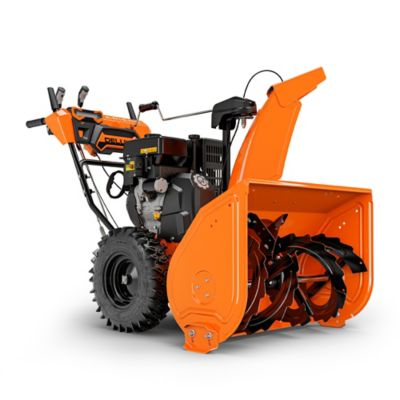
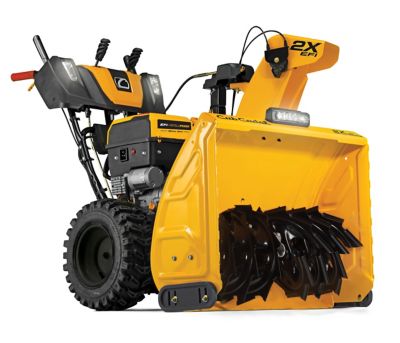
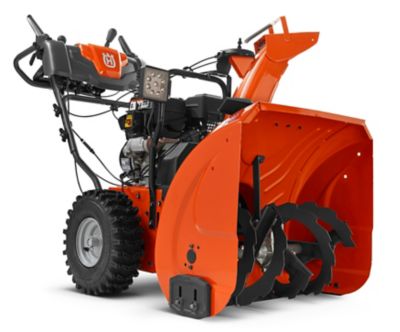
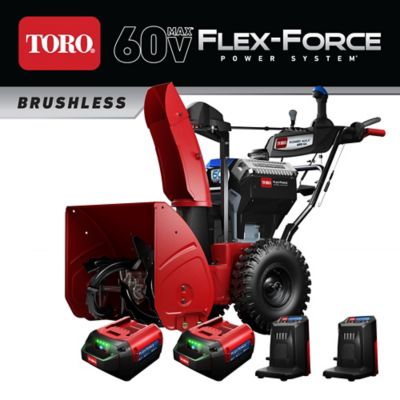
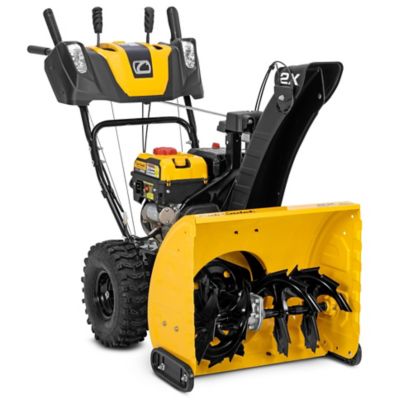
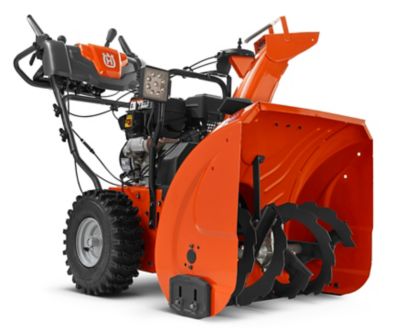
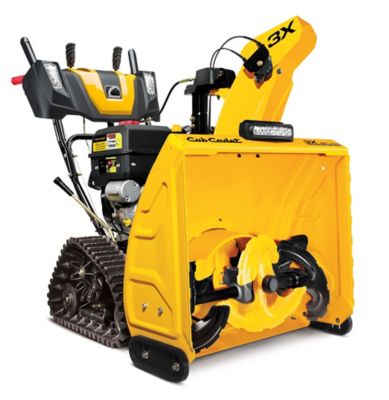
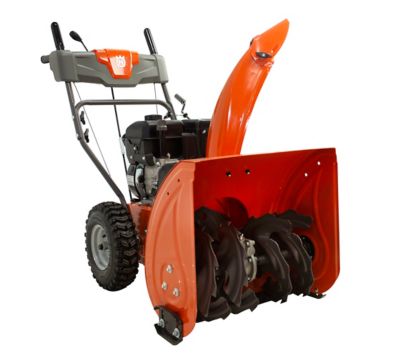
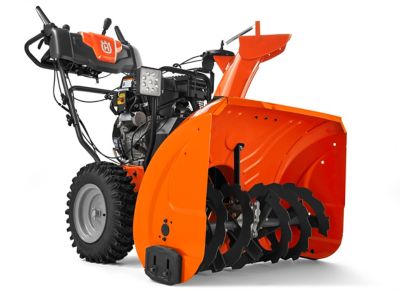
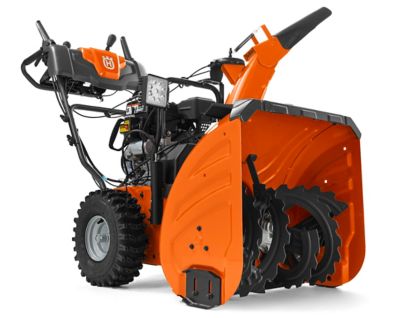
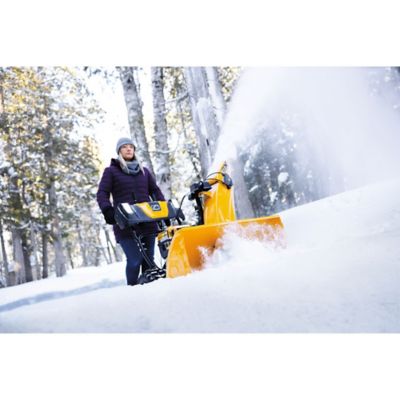
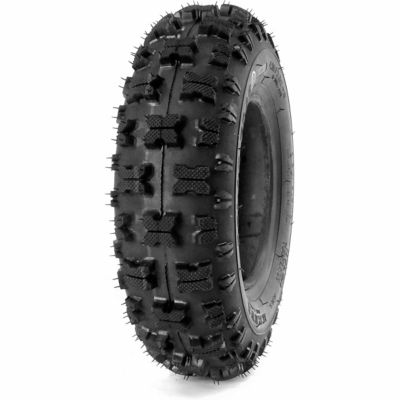
Snow thrower tires help put a wheeled machine’s drive power to work when there’s a path to clear between the house, barn, and road. Their tread, rubber construction, and fit all affect how the equipment grips, steers, and moves through snow. Unlike a smooth or shallow-tread tire meant for other yard chores, a snow thrower tire generally has pronounced lugs with open spaces between them. Those spaces give displaced snow somewhere to go, helping the tread keep biting rather than packing into a smooth band. Block-style lugs provide gripping edges, while some directional tread patterns have angled lugs designed to move snow and slush outward as the wheel turns. Neither style makes a machine slip-proof, especially on glare ice or a sloped driveway. Performance also depends on snow conditions, tire pressure, machine weight, and the surface underneath. Rubber compounds intended for cold-weather service help the tread remain flexible when temperatures drop, though construction varies by tire. For a homeowner clearing a sidewalk, easy steering and a properly matched pair of tires matter just as much as forward grip. On a longer rural driveway, consistent traction can mean less wrestling with the handlebars where windblown snow gathers along fence lines or beside an outbuilding. The tires move the machine; the auger and impeller handle the snow, so fresh tread cannot correct a worn drive system or make the equipment suitable for conditions beyond its design. Snow thrower tires are most relevant to wheeled equipment, including many two-stage machines, rather than track-driven models or machines that rely on auger-assisted movement. A replacement that matches the equipment’s specifications supports predictable handling without changing its intended operation. Deep tread also has limits on loose gravel, where the machine’s skid-shoe settings and operating instructions remain important. For anyone responsible for keeping a walk, driveway, or farmyard access route open, the right tire is a practical equipment part that deserves attention before traction becomes a struggle.
Fit starts with the snow thrower’s model information and the size molded into the existing tire’s sidewall, checked against the equipment manual. Snow thrower tire markings may express dimensions in different formats, so similar-looking numbers do not always mean two tires are interchangeable. Depending on the format, those markings describe nominal outside diameter, section width, and rim diameter, or section dimensions and rim diameter. The replacement must fit the specified wheel as well as the space around the machine. A wider tire can interfere with nearby parts, while a different outside diameter can change clearance and handling. Rim diameter refers to the tire’s mounting surface on the wheel, not the measurement across its outermost metal edges. Tire-only replacements and complete wheel-and-tire assemblies address different needs: a tire-only replacement retains a sound, compatible wheel, while an assembly replaces both components together. With an assembly, tire size is only part of the fit check. Axle bore, hub length, offset, and the pin, key, or other mounting arrangement must also match the machine. A wheel that looks close can still sit too far inward or fail to connect properly with the drive axle. Pneumatic snow thrower tires may have a tube-type or tubeless design, and the wheel, valve arrangement, and any inner tube must be compatible with that construction. An inner tube may address certain air-loss problems in an otherwise serviceable tire when permitted by the manufacturer, but it does not repair cracked rubber, exposed cords, or a damaged casing. Load capacity and operating-pressure requirements matter alongside dimensions. The pressure marked on a tire’s sidewall may be a maximum rating rather than the equipment’s recommended setting, so the machine manual remains the reference for operation. Where directional tread is present, its rotation marking determines mounting orientation. Matching the specified size, tread type, and inflation on both sides helps keep the machine from handling unevenly. These details distinguish a replacement that simply fits over the rim from one that belongs on the equipment.
Long service life depends on more than deep tread. Snow thrower tires need sound sidewalls, secure beads where they meet the rims, and valves that hold air through repeated work and storage. Abrasion from bare pavement, contact with sharp gravel, and rubbing against machine parts can wear rubber even when the tread still looks substantial. Tires that spend long stretches standing in one place also deserve a close look for cracking, distortion, or slow pressure loss. On a cold morning, a tire that was properly inflated in a warmer shed may read lower after sitting outside; checking pressure with the tires cold and following the equipment manual helps keep comparisons consistent. Persistent air loss calls for attention to the valve, bead area, rim condition, and tread rather than repeated inflation alone. Rust along a wheel’s sealing surface can contribute to leaks, while a bent or heavily corroded rim may need replacement. After clearing a salted driveway apron, removing residue according to the equipment’s care instructions helps protect the wheels and surrounding hardware. For storage, clean, dry equipment kept away from direct sunlight, fuel spills, solvents, and strong ozone sources gives rubber a better chance of staying serviceable. Tire chains can add traction on some compatible machines, but they require the correct size, enough clearance, and manufacturer approval; they can also mark certain paved surfaces. Even with chains, slick slopes and hidden obstacles demand caution. Visibility matters, too, especially where a driveway meets a road or a walking path passes parked equipment. Shoppers considering a whole-machine replacement can also compare
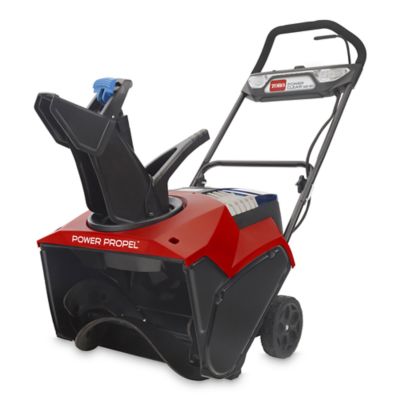
snow blowers with lights for built-in illumination during low-light clearing, while treating lighting and tire grip as separate equipment considerations. Whether the job is opening a short front walk or keeping access clear beside a livestock shed, snow thrower replacement tires should match the machine, the mounting hardware, and the work expected of them. Sound rubber, suitable tread, and correct inflation help the equipment travel steadily so the operator can concentrate on the path ahead.