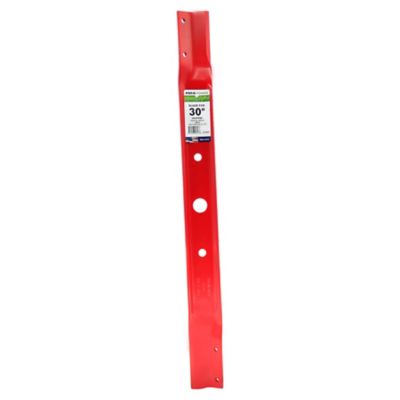
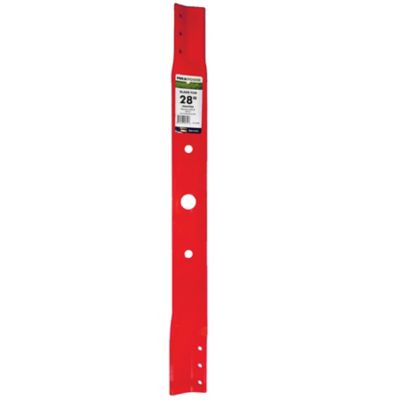
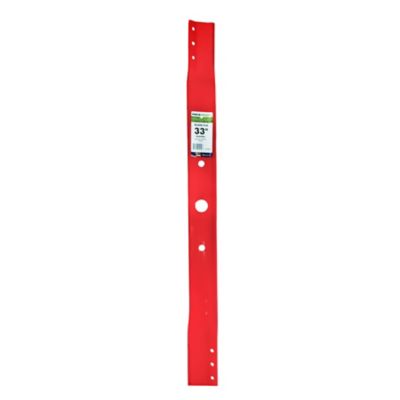
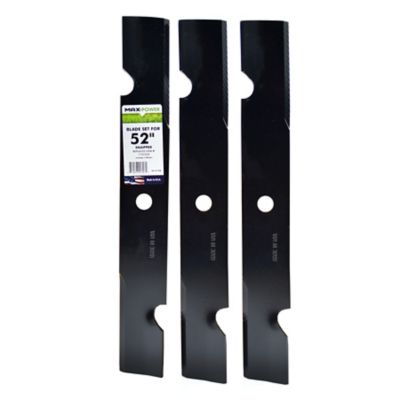
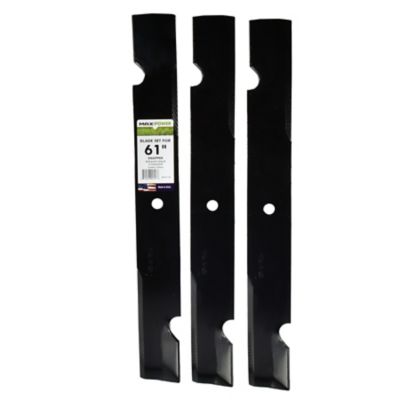
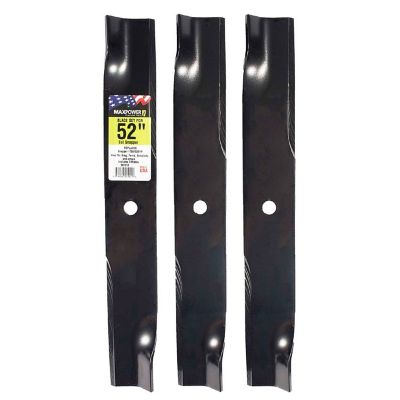
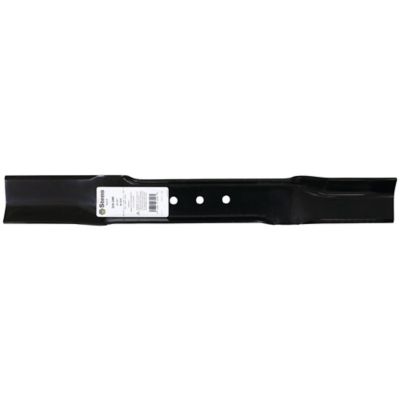
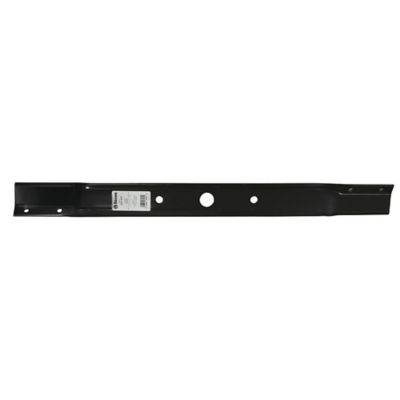
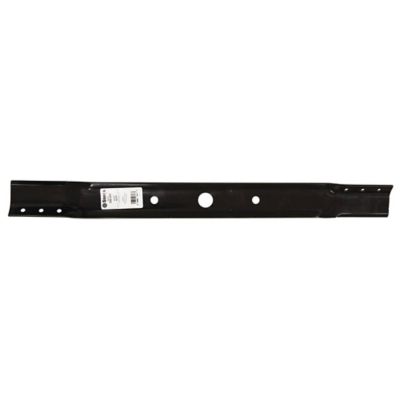
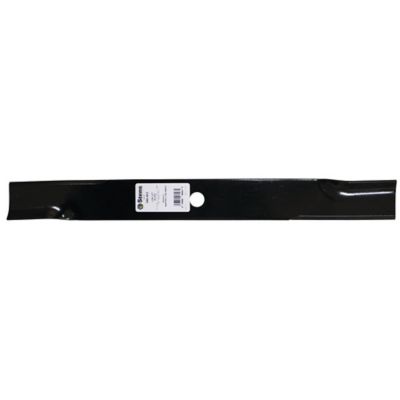
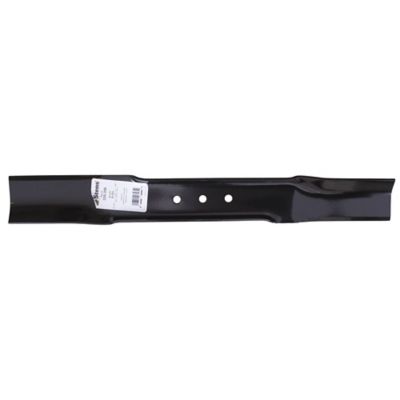
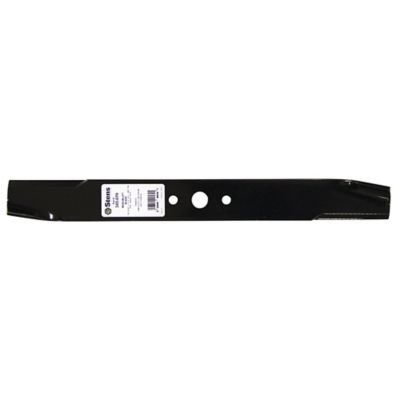
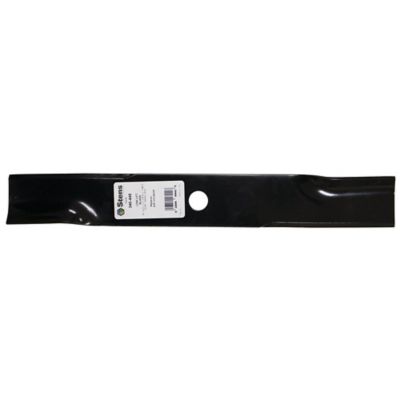
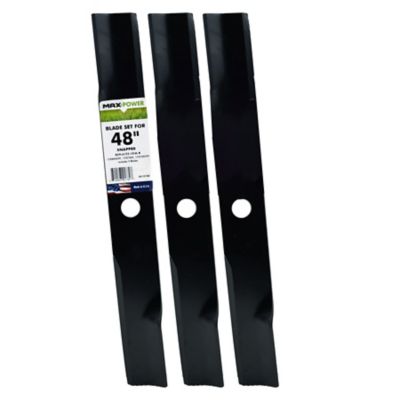
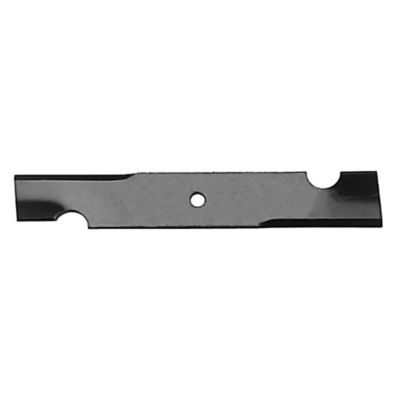
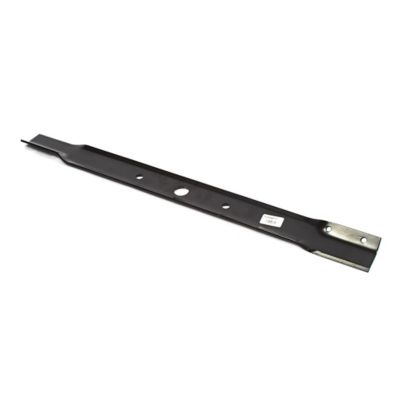
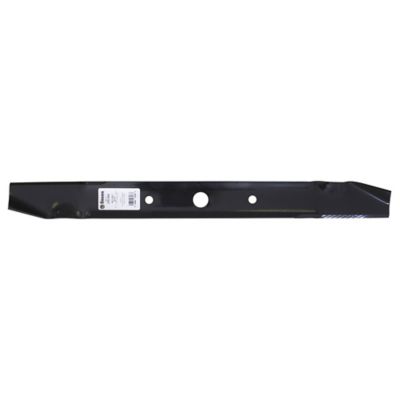
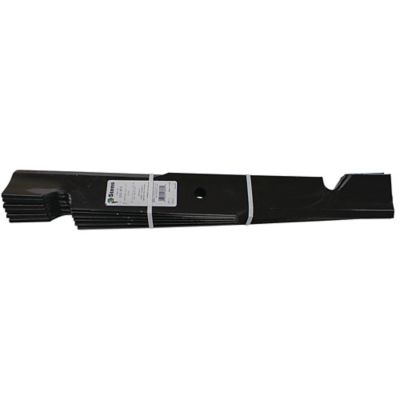
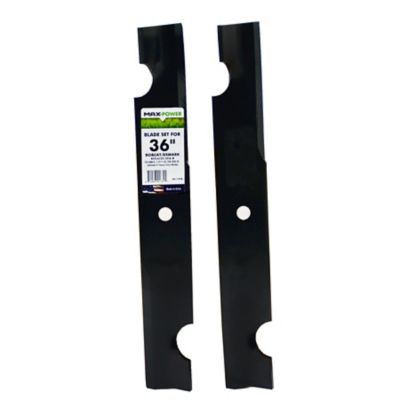
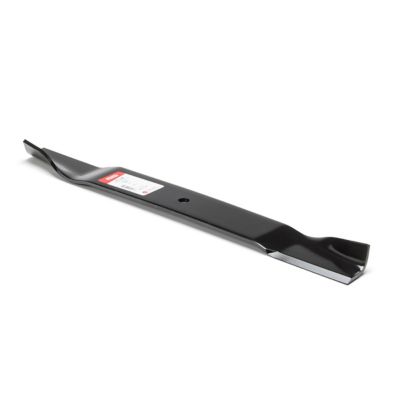
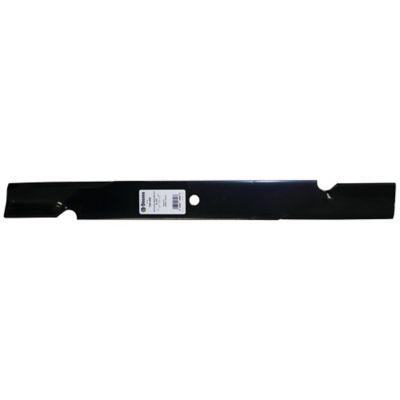
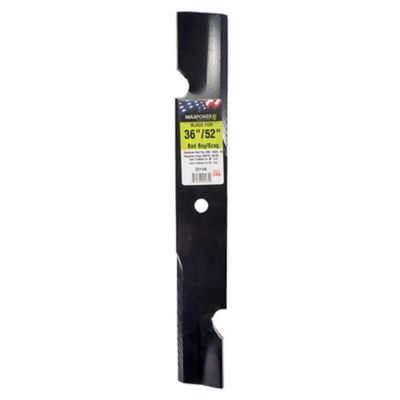
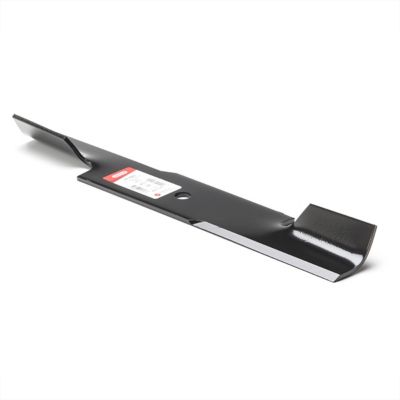
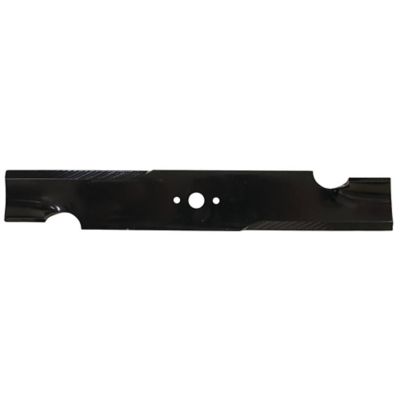
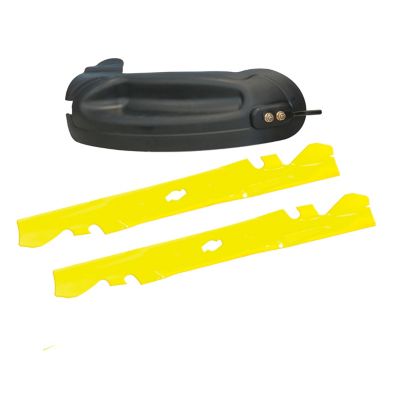
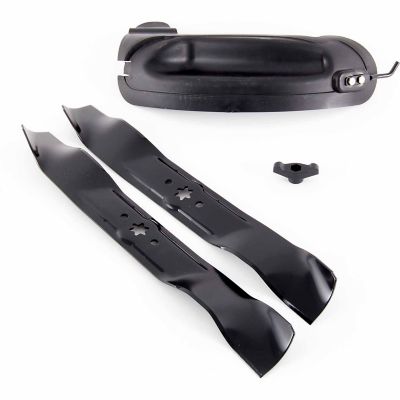
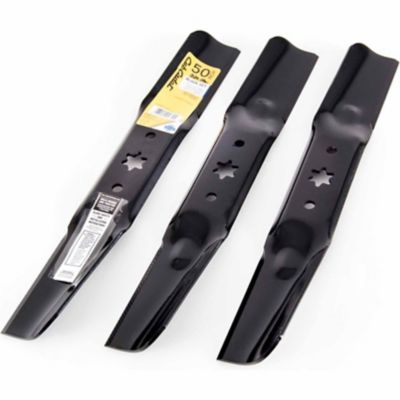
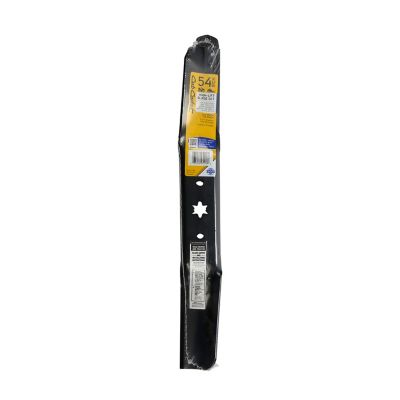
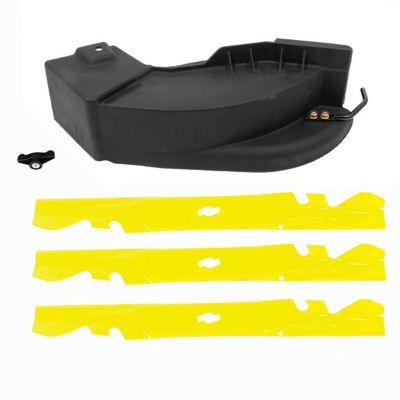
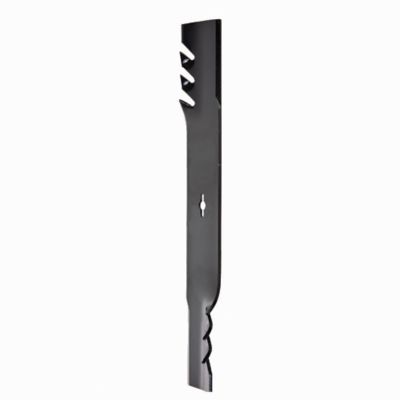
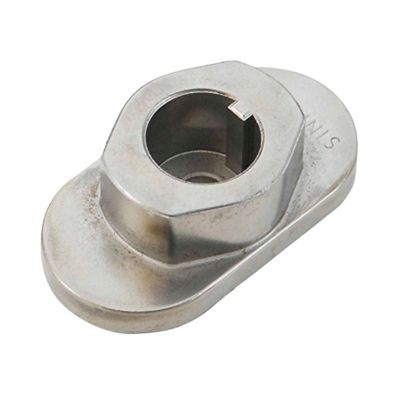
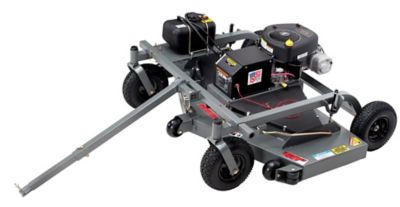
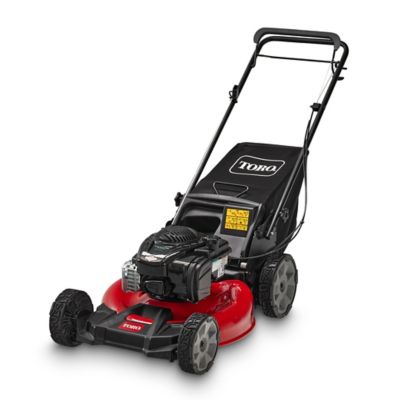
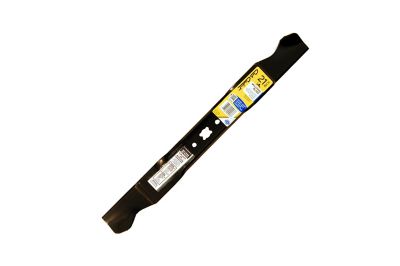
Snapper mower blades are replacement cutting blades for compatible walk-behind, riding and zero-turn mowers, with common styles including standard, high-lift and mulching designs. The right blade depends on the mower model, deck configuration and manufacturer’s specifications—not just the cutting width printed on the machine. Across decks ranging from 21 inches to 61 inches, a mower may have one blade or several blades working together, so deck width and individual blade length are not the same measurement. A broad riding mower deck, for example, typically relies on multiple shorter blades rather than one blade spanning the entire cutting path. Model numbers and replacement part references provide a stronger basis for matching than appearance alone. Blade length, width, thickness, center-hole shape and any additional mounting holes all affect compatibility. Some mounting systems have round openings, while others have shaped centers that must match the spindle assembly. Even blades with similar measurements can differ in their offset, lift profile or mounting arrangement. Those differences matter because the blade needs proper clearance inside the deck and a secure connection to the spindle. For homeowners tending a small yard, acreage owners keeping the space around a barn neat, or grounds crews maintaining broad stretches of turf, correct fit comes before choosing a cutting style. A blade that bolts into place is not necessarily approved for that mower. The equipment manual and the blade’s stated compatibility help establish whether the replacement belongs on that particular machine. On a multiblade deck, the specified blade arrangement also matters; mixing designs without manufacturer approval can change airflow and leave an uneven finish. Replacement blades should match the mower’s intended cutting system, whether clippings leave through a discharge chute, collect in a bagger or circulate beneath a mulching deck. Keeping those details together makes the differences between mower blades more meaningful than a simple comparison of their length or shape.
Blade design affects both the cut across the lawn and the way grass moves through the deck. Standard blades generally support routine mowing and side discharge on compatible equipment, making them a practical match for yards where clippings can spread back across the turf. High-lift blades have a more pronounced upward sweep that creates stronger airflow, helping move clippings toward a discharge opening or collection system when the mower is designed for that setup. That added lift can also stir more dust and loose grit on sparse ground, so the strongest airflow is not automatically the best choice for every property. Mulching blades have cutting profiles intended to keep clippings circulating beneath a compatible deck for additional cutting before they settle into the grass. Their performance depends on the complete mowing arrangement, including any required mulch plug, baffles or other deck components. A blade alone does not convert every mower into a mulching machine. Around a farmhouse lawn, a mower with a collection system may serve a different purpose from one handling open turf along a driveway or fence line. Grass height, clipping volume and mowing pace influence the finish with any blade style. Heavy growth can overwhelm the deck even when the blade is a proper match, while removing a modest amount of grass at each pass generally helps clippings spread more evenly. Most mower blades are steel, often with heat treatment that balances edge retention and resistance to wear. The blade still needs enough toughness to handle normal mowing stresses without becoming brittle. Thickness and weight are part of the mower’s engineering, not stand-alone signs that one replacement is better than another. An extra-heavy blade can place demands on a spindle or drive system that was not designed for it. These blades belong on lawns and other areas approved for the mower, not on brush, hidden stumps or woody growth that calls for different equipment.
Blade condition has a noticeable effect on a mower’s everyday work. A sound cutting edge slices grass more cleanly, while a dull edge can leave torn, ragged tips and a rough-looking finish. Uneven cutting, missed strips or unusual vibration can point to blade trouble, although deck adjustment, spindle wear, tire pressure and other mechanical issues can produce similar symptoms. A new blade will not correct every mowing problem. Normal contact with grass gradually wears the edge, and sandy soil can wear away metal faster, especially around the raised portions that help move air and clippings. A bent blade, visible crack, badly worn mounting opening or substantial loss of metal calls for replacement rather than an attempt to straighten or repair the part. Sharpening is suitable only when the manufacturer permits it and the blade remains within its service limits. Balanced blades matter because uneven metal removal can create vibration and add strain to the mower’s rotating components. Blade service also involves sharp edges and stored mechanical energy, so inspection and replacement belong with the mower fully stopped and secured according to its manual, including the specified ignition or power disconnection. Correct mounting orientation, approved hardware and the specified fastener torque are all part of a proper installation. Between mowing jobs, removing packed grass from the deck as directed and keeping detached spare blades clean and dry can help limit corrosion and make wear easier to spot. Owners looking after more than one make of mower can also explore
Craftsman Lawn Mower Blades, with each machine’s fit requirements checked separately. Whether the job is a tidy stretch beside the porch or a long run around outbuildings, a compatible blade in sound condition helps the mower deliver the cut its deck was built to produce. Matching the blade’s mounting details, cutting profile and maintenance needs to the machine keeps the focus on steady mowing performance rather than guesswork.