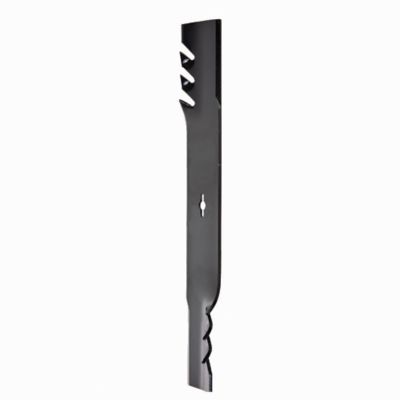
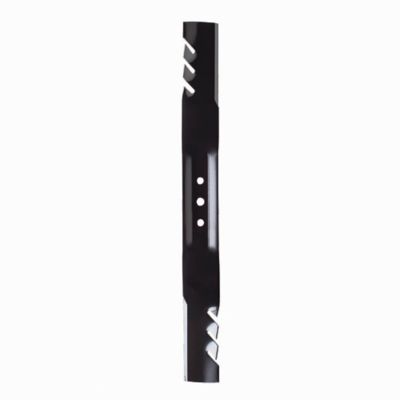
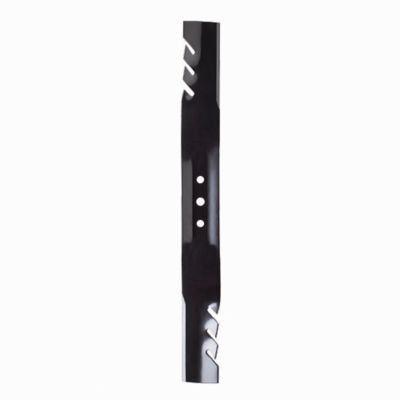
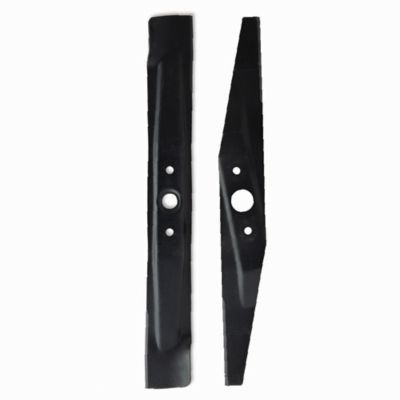
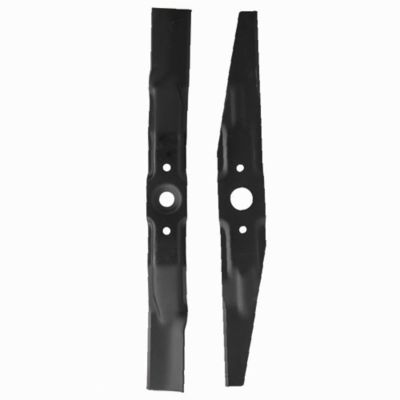
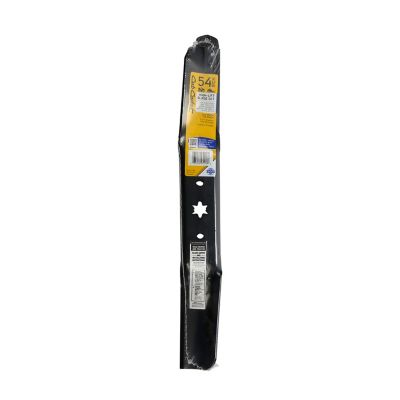
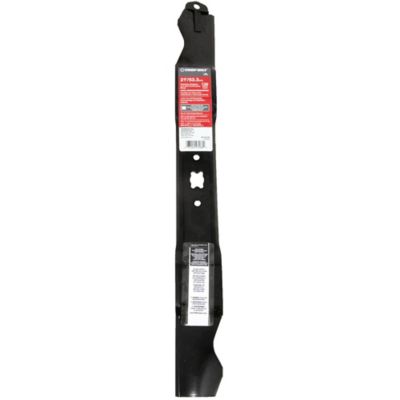
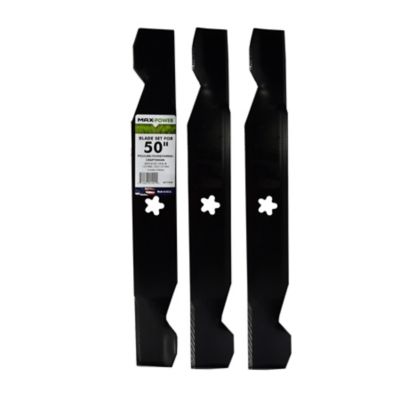
Replacement mower blades put a fresh cutting edge beneath the deck, helping a properly maintained mower cut grass cleanly instead of tearing the ends. They’re working parts that take on a lot, from the open stretch beside a barn to the tight turns around fence corners and shade trees. The right match depends on the mower’s exact model, deck configuration, and blade requirements—not simply whether the machine is a walk-behind, lawn tractor, or zero-turn mower. Deck width alone does not identify the correct replacement. A deck may carry one blade or several shorter blades, and two mowers with the same cutting width can have different mounting arrangements. Blade length, width, thickness, center-hole shape, and any additional mounting holes all matter. So do the blade’s offset, cutting direction, and clearance beneath the deck. A replacement needs to match the manufacturer’s specifications rather than merely look close to the blade coming off the mower. The equipment model number and original blade part number provide a better starting point than a worn edge or a rough measurement across the deck. Some replacement blades fit more than one mower model, but that compatibility still needs confirmation against the listed applications. Measurements can help verify a match; they should not replace the manufacturer’s fit information. On a multi-blade deck, the required blade count matters, too, since the cutting paths work together to cover the full width without leaving strips. For shoppers comparing
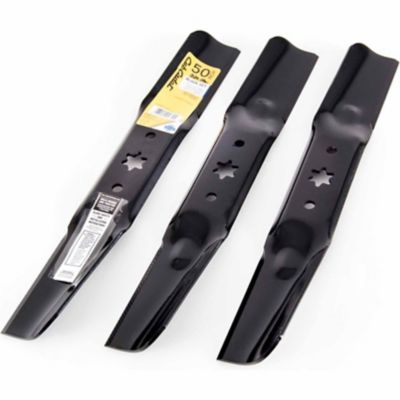
Craftsman Lawn Mower Blades, those same model and mounting checks remain important. A familiar equipment name does not mean every blade within that category fits every mower bearing that name. Getting these details right helps preserve proper clearance, attachment, and cutting performance, whether the mower handles a small yard near the house or longer mowing routes around a rural property. It also keeps the comparison focused on the blade’s actual job rather than appearance, since differences that seem minor on a workbench can matter once the blade is turning beneath the deck.
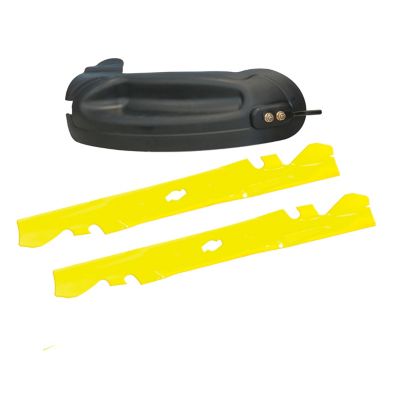
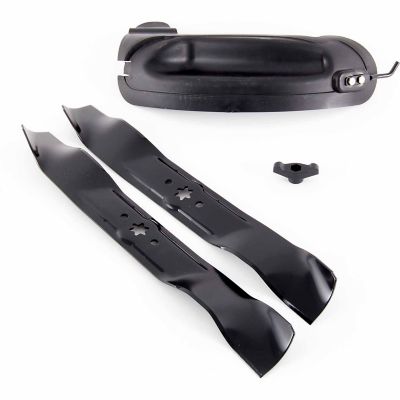
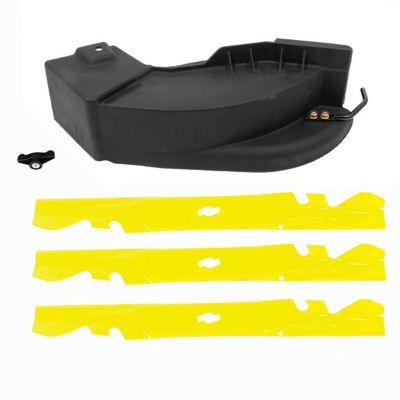
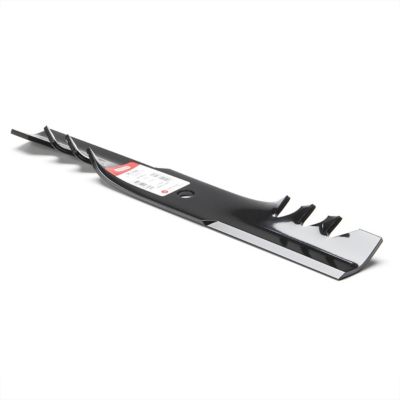
Blade shape plays a big part in where grass clippings go after the cut. Standard discharge blades generally move clippings out through the mower’s designated discharge opening. High-lift designs create more airflow beneath compatible decks, which can help carry clippings toward a discharge chute or collection system. That extra lift is not automatically the best choice for every property or machine; loose soil and sandy ground can make excessive dust and abrasive wear a concern. Lower-lift designs may suit certain conditions when approved for the mower, while mulching blades work with a compatible deck and its required components to keep clippings circulating for additional cutting before they settle back into the lawn. A mulching blade alone does not turn every mower into a complete mulching setup. Deck design, discharge closures, baffles, and the mower manufacturer’s recommendations all affect the result. A homeowner collecting clippings around a front walkway may need a different blade configuration than someone returning clippings across a broad stretch behind the shop. Grass height, mowing pace, and the amount removed in each pass also influence the finish; even a sharp blade can struggle when the deck takes in more material than it can process. Many mower blades are made from heat-treated steel, with the material and treatment helping the blade withstand cutting forces while maintaining a serviceable edge. Thickness, contour, and reinforcement vary by application, so a heavier-looking blade is not necessarily a better match. Extra thickness or a different lift profile can change clearance and the load on the mower. Paint and other surface finishes may help protect the steel before operation, but the working edge still needs regular attention. The useful comparison is how the blade’s construction and cutting profile suit the approved deck and intended task, not whether it has the most pronounced curve or the largest cutting surface. A mower following fence lines, circling outbuildings, and crossing open yard space benefits from a blade selected for that machine’s cutting system and the way the property is maintained.
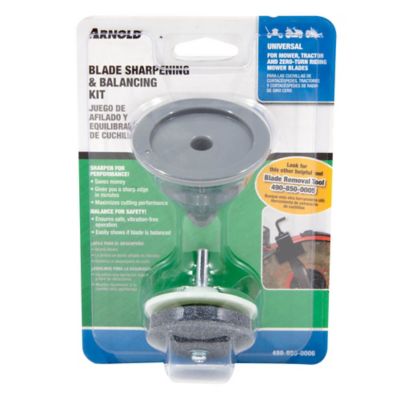
Blade care has a direct effect on both service life and the look of the lawn. A sharp, balanced edge helps make an even cut, while a dull edge can leave ragged grass tips and make the mower work harder. Nicks, deep gouges, cracks, bends, and excessive thinning are more than appearance concerns. They can signal that replacement is necessary rather than another sharpening. Blades should not be straightened, welded, or otherwise altered to keep them in service after damage. Contact with a hidden rock, stump, or piece of metal calls for an inspection of the blade and related mower components according to the equipment manual. Vibration deserves attention as well, since an unbalanced blade, damaged mounting hardware, or another mechanical problem can affect operation. Safe maintenance means stopping the mower, waiting for moving parts to stop, and disconnecting the appropriate power source according to the manufacturer’s instructions before approaching the blade. Gloves help protect hands from sharp edges, and proper blade-holding equipment and the specified fastener torque matter during replacement. Sharpening also needs to preserve the manufacturer’s cutting angle and blade balance rather than remove metal unevenly. Keeping the underside of the deck clear of packed clippings supports airflow and makes inspection easier, provided cleaning follows the mower’s safety directions. Blades stored off the mower belong somewhere dry, with their edges protected from accidental contact and their identifying information kept handy. For homeowners, acreage owners, grounds crews, and anyone responsible for mowing around gates, sheds, and access lanes, the practical goal is straightforward: a blade that fits correctly, handles the intended cutting task, and receives attention before wear becomes damage. A smoother-looking lawn depends on the whole mower working together, including deck condition, tire pressure where applicable, and proper adjustment. The blade is central to that work, but matching it carefully and maintaining the equipment around it matter just as much as having a fresh cutting edge.