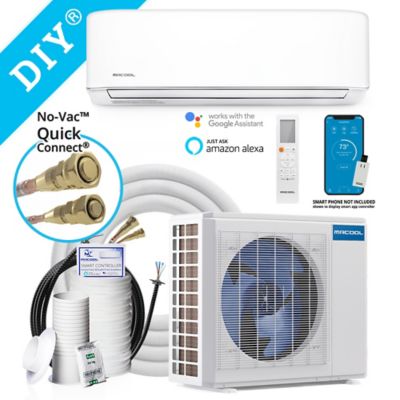
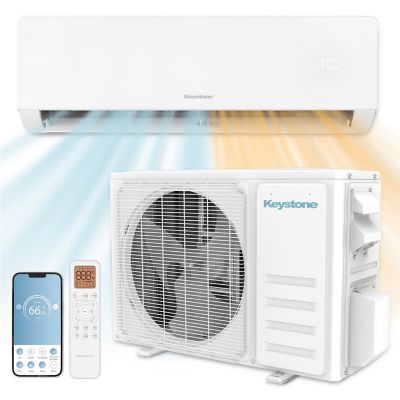
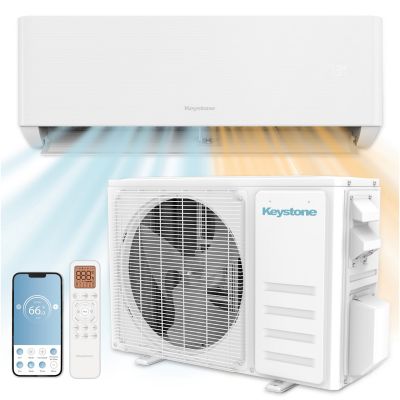
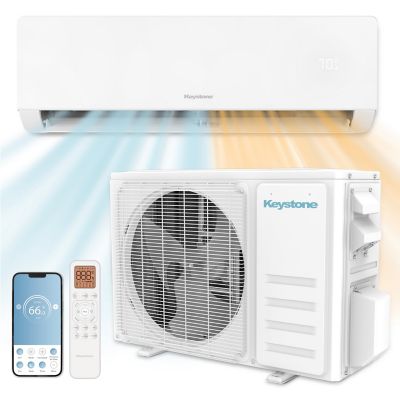
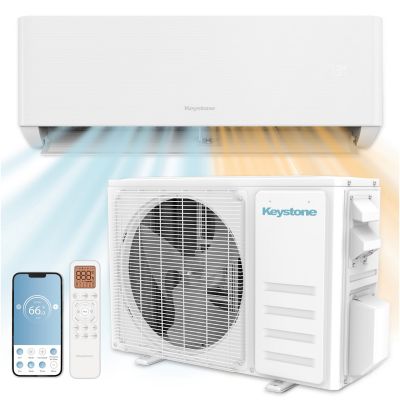
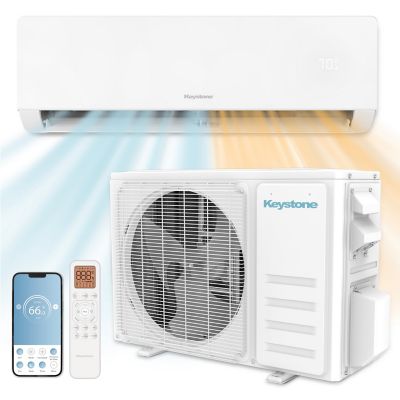
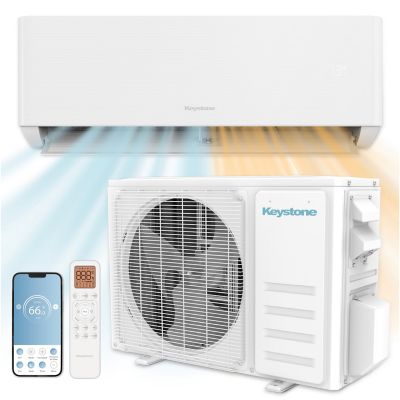
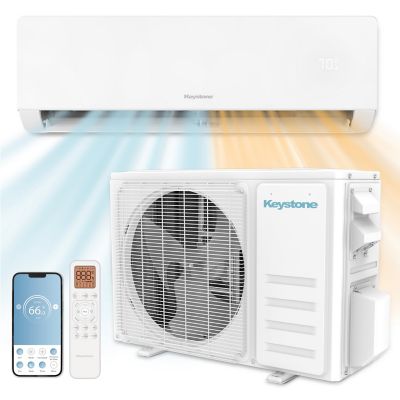
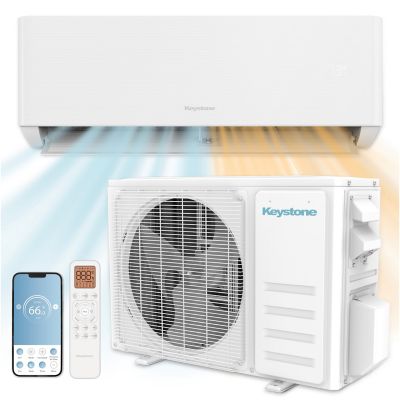
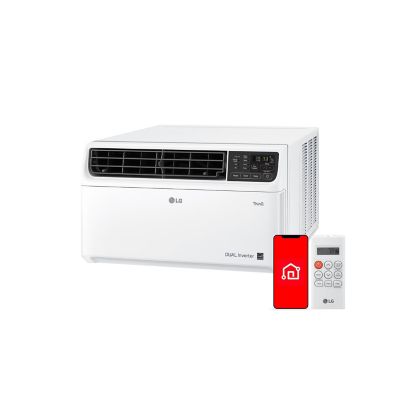
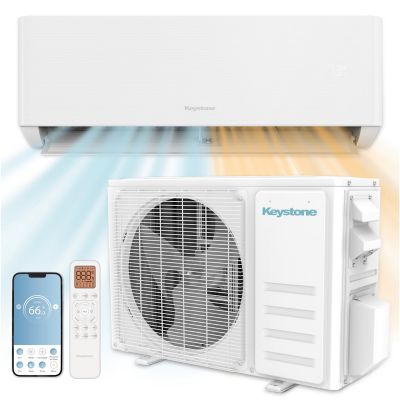
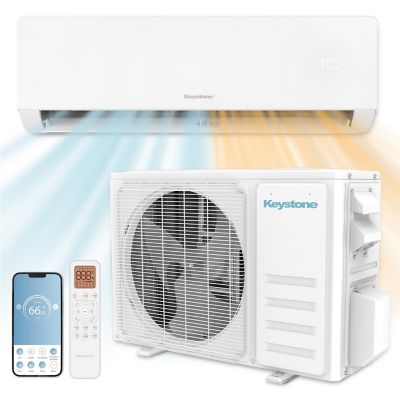
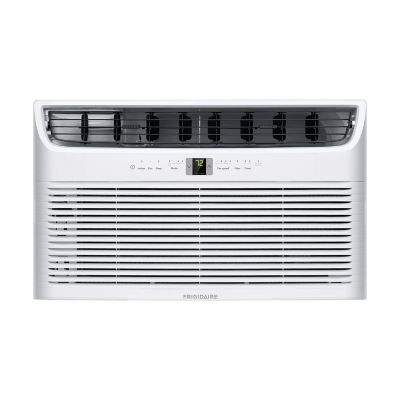
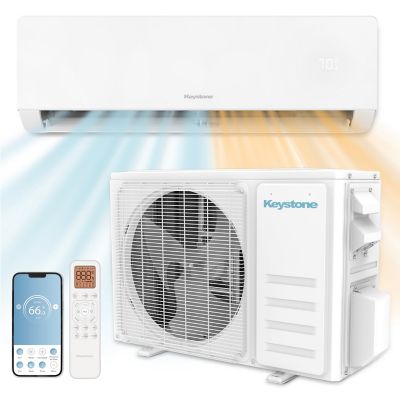
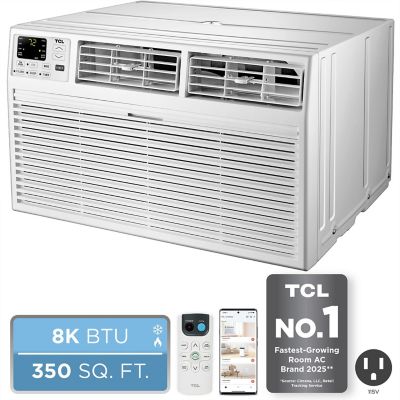
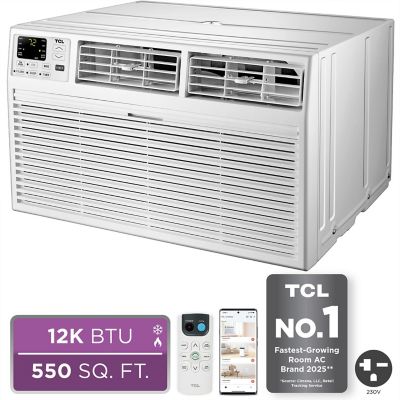
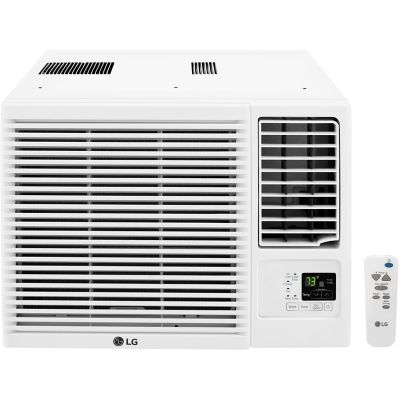
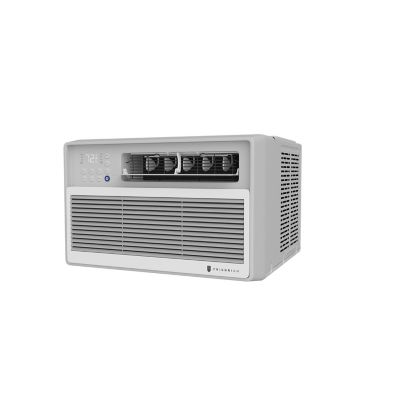
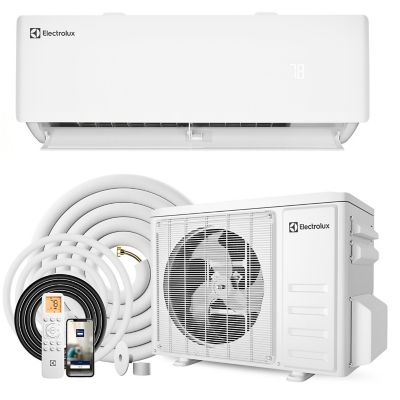
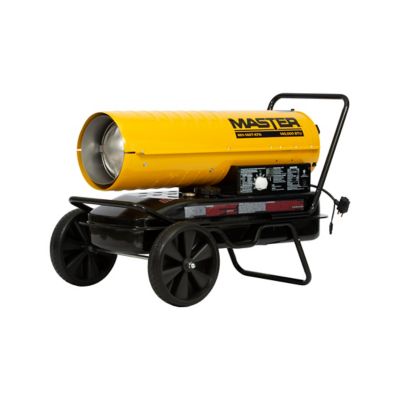
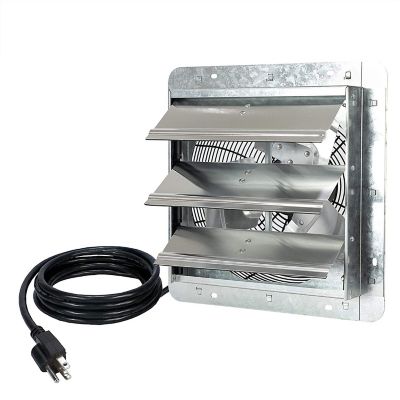
Home HVAC systems bring heating, ventilation and air conditioning together to help manage indoor temperature, moisture and air circulation. Depending on the setup, that can mean a central system serving the whole house, equipment that handles separate rooms or several components working together. Heating equipment supplies warmth, air conditioning removes heat and moisture, and ventilation exchanges indoor air with outdoor air. Filters capture airborne particles as air passes through the equipment, though filtration and ventilation do different jobs. A central furnace typically sends heated air through ductwork, while a heat pump moves heat rather than creating it through fuel combustion. Many heat pumps provide both heating and cooling, making them an option for households looking for one system to handle both needs. Ductless systems connect an outdoor unit with indoor air handlers and can suit additions or homes without existing ducts. A finished room over the garage, for instance, may need its own comfort solution instead of simply extending the main system beyond its capacity. Separate zones can also help account for differences between a busy living room and a bedroom that gets little foot traffic. The right arrangement depends on the building, the energy sources serving it and how the household uses each space. Electric, natural gas and propane equipment have different connection and installation requirements, and those differences matter as much as heating output. For a closer look at heating equipment,
HVAC heaters covers the heating side of a home comfort setup. Across these equipment types, intended use matters: a room-level solution is not automatically a replacement for whole-house heating or cooling, and equipment intended for a garage or outbuilding may not be suitable for living areas. A good match starts with understanding whether the job is maintaining comfort throughout the home, serving an addition or addressing a room the existing system does not reach well.
Sizing and fit have a big say in how home HVAC equipment performs after installation. Floor area is only part of the picture; insulation, ceiling height, window area, air leakage, duct condition and the layout of the house all affect heating and cooling needs. An older farmhouse with tall ceilings and several additions presents a different load than a compact home with a tight building envelope. A professional load calculation accounts for those differences instead of relying on square footage alone. Bigger is not automatically better. Oversized equipment can cycle on and off too often, and oversized cooling equipment may leave more moisture in the air than expected. Equipment with too little capacity may run for long stretches without reaching the thermostat setting. Physical fit deserves the same attention as capacity, including cabinet dimensions, service clearances, doorway access and space around indoor and outdoor components. Duct connections, refrigerant requirements, electrical supply, thermostat compatibility and fuel type also need to line up with the rest of the system. In a manufactured home, equipment must be approved for that application rather than assumed suitable because it fits the opening. For a household replacing one part of an existing setup, matched components help keep performance in line with the equipment’s tested ratings. Efficiency labels can make comparisons clearer when the ratings apply to the same equipment type: SEER2 describes cooling efficiency, HSPF2 describes heat-pump heating efficiency, and AFUE describes fuel-burning furnace efficiency. These ratings tell only part of the story, since installation, duct leakage and operating settings also influence energy consumption. Sound ratings are worth a look, too, especially when an outdoor unit sits near a porch or an indoor air handler serves a quiet bedroom. Qualified installation helps address electrical work, refrigerant handling, combustion venting and local code requirements, along with the less visible details that keep a system working as intended.
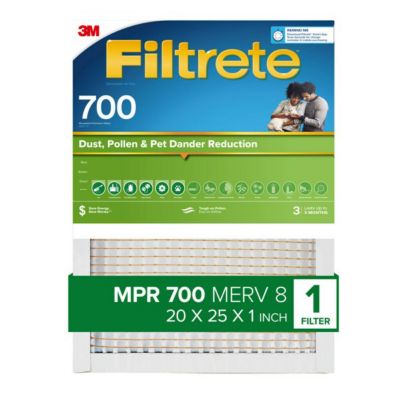
Materials, access and ongoing care help determine how well HVAC equipment holds up through everyday household life. Metal cabinets protect internal components, while coatings and corrosion-resistant construction can help protect surfaces exposed to moisture. Coil materials and cabinet designs vary, so care requirements should follow the manufacturer’s directions rather than a one-size-fits-all cleaning routine. Accessible filter compartments, removable service panels and clear space around equipment make routine attention less of a chore. In a home where pets nap near the return grille or muddy boots come through the back door, dust and lint can build up quickly. Filter dimensions must match the housing, and filtration ratings need to stay within the system’s airflow requirements. A more restrictive filter is not automatically a better fit; too much resistance can reduce airflow and affect performance. Washable and replacement filters also have different care needs, making the equipment instructions important when choosing between them. Condensate drainage matters for cooling equipment and some furnaces, since blocked drain lines can lead to leaks or shutdowns. Professional maintenance can include checking electrical connections, inspecting coils, evaluating refrigerant operation and examining combustion components where applicable. Controls are another part of the complete setup. Programmable thermostats support regular schedules, while compatible connected controls may let a household adjust settings away from home. Those features can be handy when chores run long or plans change, but they still depend on proper wiring and system compatibility. Humidity-control equipment and dedicated ventilation can address needs that heating and cooling alone may not fully cover. Neither replaces fixing a moisture source or keeping combustion appliances properly vented. For everyday comfort, the goal is straightforward: even temperatures, suitable moisture levels, manageable sound and steady airflow from room to room. Whether the house is full of family activity or quiet after a long workday, well-matched home HVAC systems support comfortable living without making the equipment the center of attention.