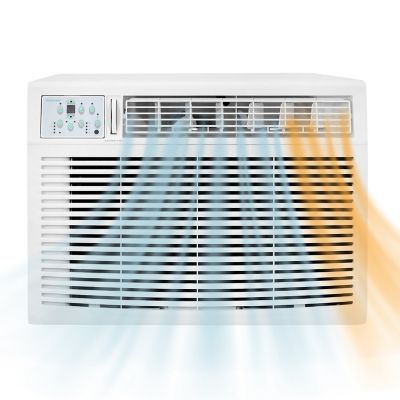
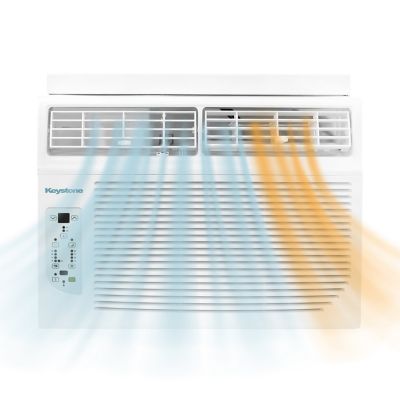
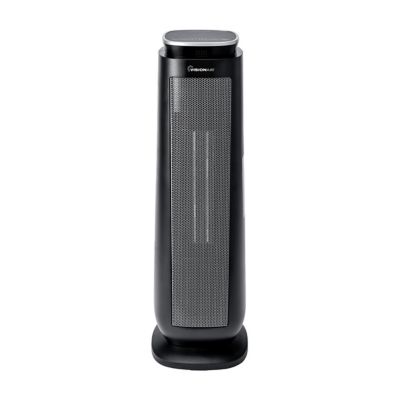
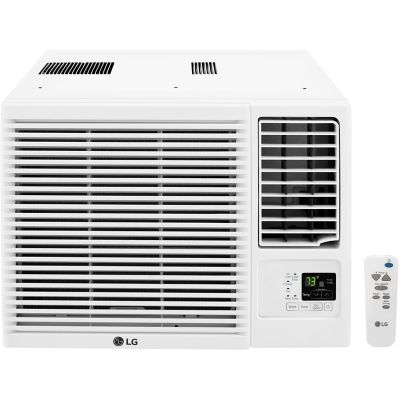
HVAC products support heating, ventilation, and air conditioning, helping control indoor temperature, move air through a building, and manage airborne particles and moisture. The right choice depends on whether the job calls for a complete system, a replacement component, or an improvement to existing equipment. A farmhouse with several rooms, a small office beside a workshop, and a finished room over a garage can have very different heating and cooling needs. Building size matters, but so do insulation, ceiling height, window area, sun exposure, air leakage, and the condition of existing ductwork. Equipment capacity should match the building’s actual load rather than square footage alone. A system that is too large may cycle on and off frequently, while one that is too small may struggle to maintain the thermostat setting. For a full replacement, a qualified HVAC professional can evaluate those conditions and confirm the proper equipment size. For a smaller repair, compatibility with the existing system comes first. Model information, electrical requirements, dimensions, fuel type, and manufacturer specifications help narrow the field before installation begins. Heating and cooling efficiency ratings can help compare equipment within the same category, though operating performance also depends on installation, airflow, and upkeep. Noise is another practical consideration, especially near bedrooms, home offices, or a porch where folks gather after chores. Access matters, too: equipment needs room for service, and vents need a clear path rather than a stack of feed bags or a cabinet pushed against them. Homeowners, property managers, and shop owners all benefit from looking at the whole setup instead of treating each part as a separate purchase. The goal is steady comfort with equipment suited to the space, supported by correctly matched controls, electrical connections, and air passages. Work involving refrigerant, fuel connections, or permanent electrical wiring belongs with appropriately qualified professionals, and installation must follow manufacturer directions and local requirements.
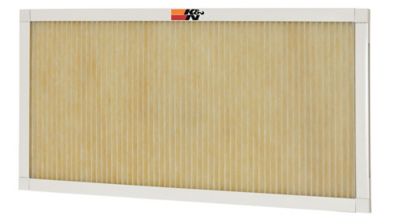
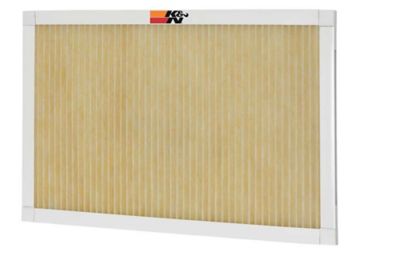
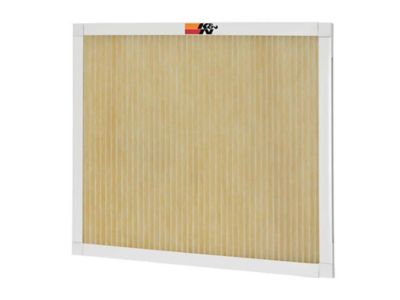
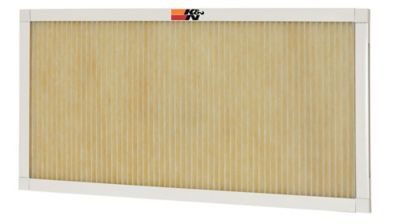
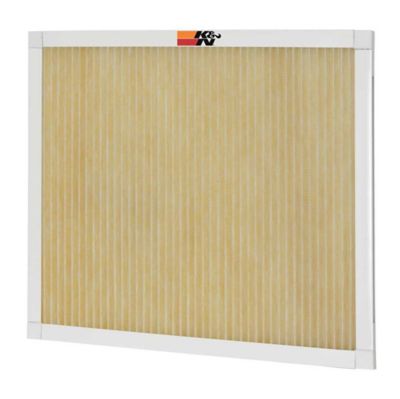
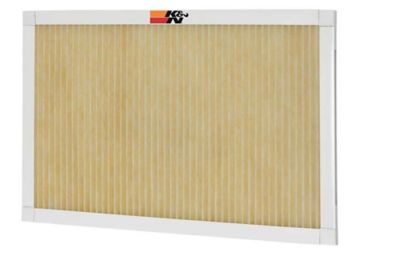
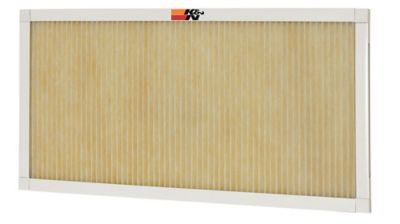
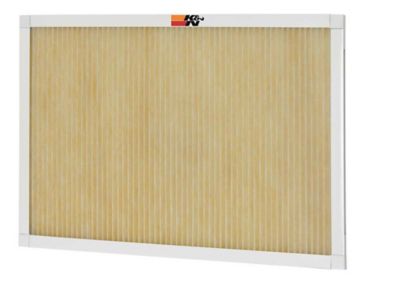
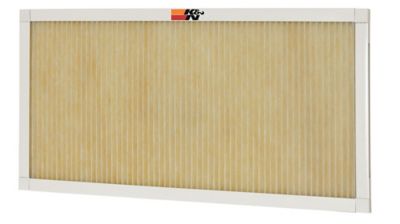
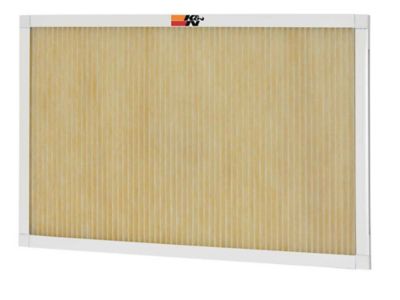
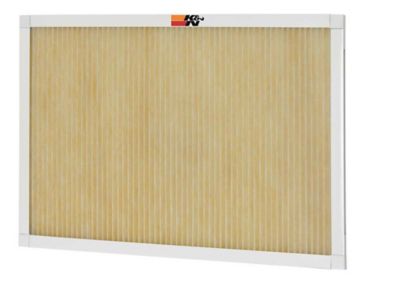
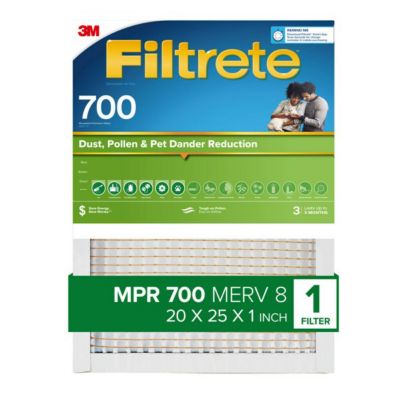
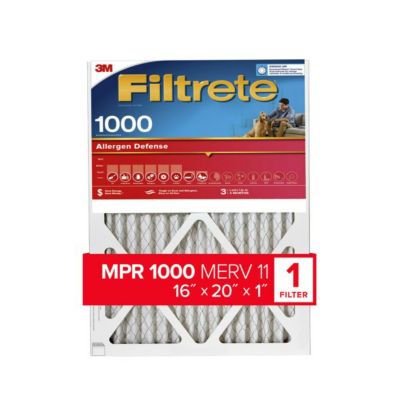
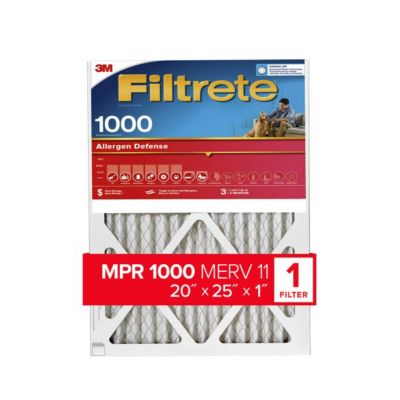
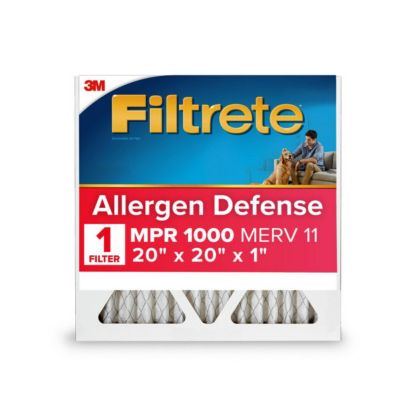
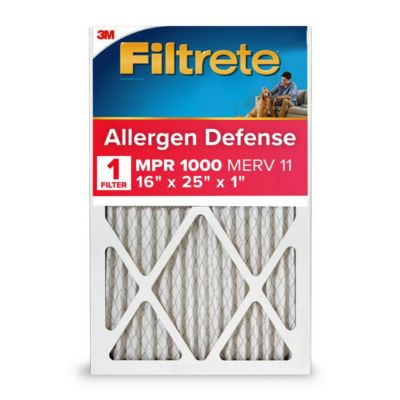
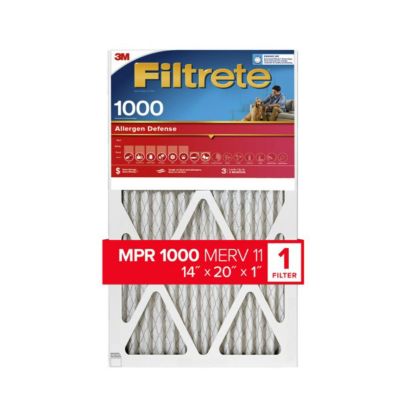
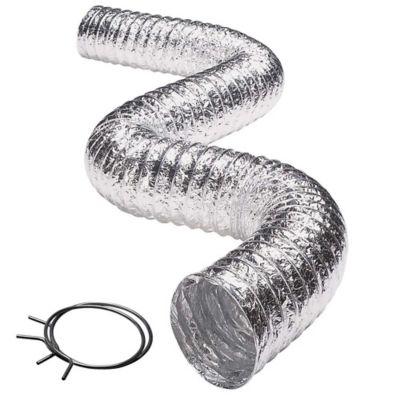
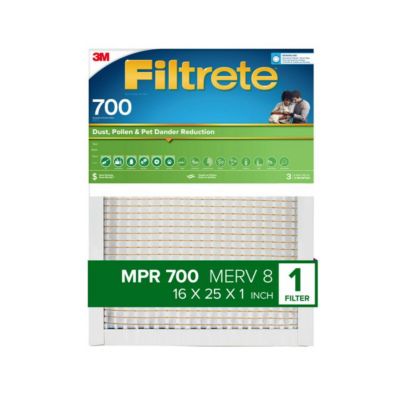
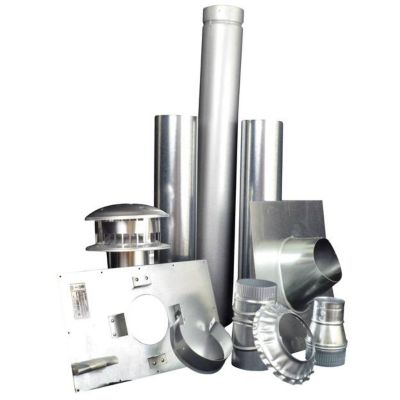
Fit and construction make a real difference across HVAC components. Duct connections need matching dimensions and shapes, and a nominal size may not tell the whole story when an opening is tight or an older installation has unusual measurements. Checking the existing connection, mounting pattern, and available clearance can prevent a frustrating mismatch halfway through a job. Metal ductwork offers a rigid air path, while flexible duct can accommodate certain layouts when properly supported and installed without sharp bends or compressed sections. Insulation around ductwork can help limit heat transfer and condensation where the application calls for it. Seams and connections need sealing methods rated for HVAC applications; an ordinary household adhesive is not a substitute for a material approved for the location and operating conditions. Airflow deserves just as much attention as fit. A blocked return, undersized passage, or restrictive filter can affect how the entire system runs, even when the main equipment is in good shape. With filtration, the highest rating is not automatically the best match. The system must be able to handle the filter’s resistance, and the filter needs to sit snugly in its housing without gaps that let air slip around the edges. Manufacturer guidance helps establish the appropriate filter dimensions and rating. Controls need a similar compatibility check, including system type, wiring, voltage, and any required power connection. A control that suits one heating setup may not work with another, even if the wall mounting looks familiar. Materials and finishes should also suit their surroundings. Corrosion resistance matters where moisture is a concern, and exposed components may need protection from impact or vibration. In a working shop, equipment must be appropriate for the dust and activity in that space. Areas with combustible dust, flammable vapors, or other hazards require specialized evaluation rather than ordinary residential assumptions. These details help components work together and make future service less of a chore.
Routine care helps HVAC equipment keep doing its job, whether it serves a busy family home, a rental property, or a small business. A sensible maintenance routine starts with the manufacturer’s instructions and the conditions around the equipment. A house beside a gravel lane, a home with shedding pets, or a workspace with frequent foot traffic may need filter checks more often than a lightly occupied building. Replacement intervals depend on filter type, system use, and particle buildup, so checking the filter’s condition is more useful than assuming every setup follows the same schedule. Return grilles and supply openings should stay clear, and accessible surfaces can be cleaned according to the equipment instructions. Outdoor equipment needs the specified clearance from vegetation and stored materials, while drainage paths need attention so moisture can leave the system as intended. Before any maintenance, follow shutdown procedures and disconnect power wherever the manufacturer directs; some checks and cleaning tasks belong with a service professional. Matching
HVAC Accessories to the equipment’s specifications helps support proper installation, routine upkeep, and orderly repairs. Keep model numbers, measurements, and service records together so a future replacement does not turn into guesswork. A photo of an equipment label can be handy, but electrical ratings and part compatibility still need careful confirmation. Changes such as weak airflow, new rattling, frequent cycling, or moisture around equipment deserve attention rather than repeated thermostat adjustments. Those symptoms can have several causes, and replacing a part without checking the underlying problem may leave the trouble unresolved. For equipment serving an occupied space, comfort also means keeping ventilation needs separate from temperature settings: circulating indoor air is not necessarily the same as bringing in fresh air. The best long-term match balances intended use, correct sizing, compatible components, service access, and manageable care. That approach suits a place where equipment needs to work around everyday routines, from getting ready before chores to settling in after a long day.