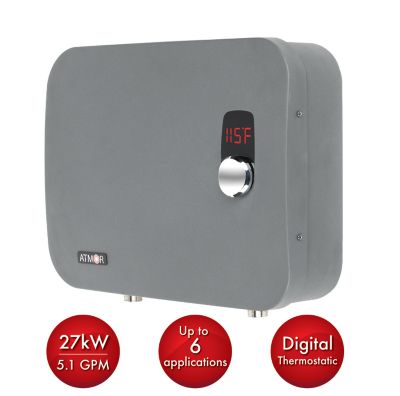
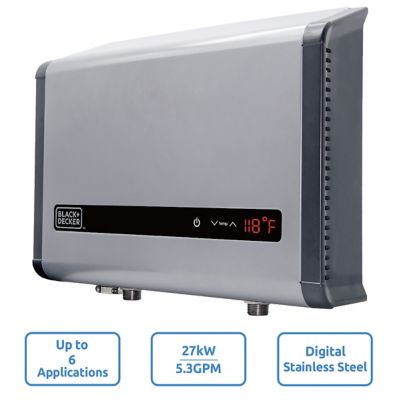
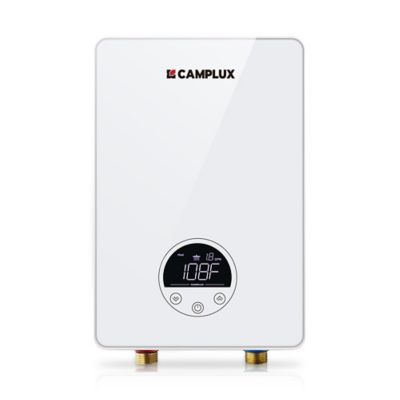
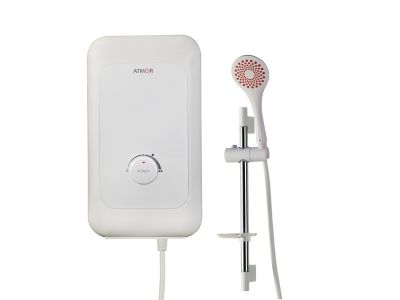
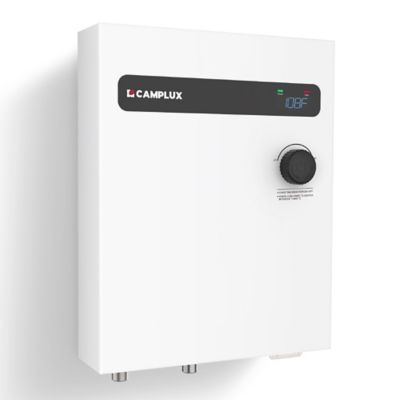
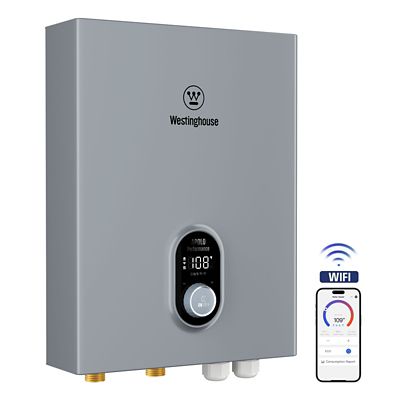
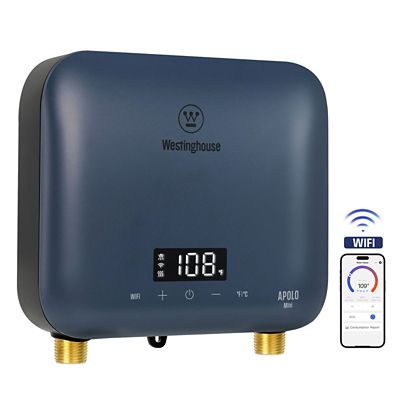
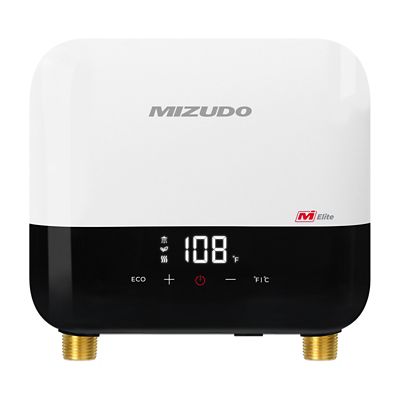
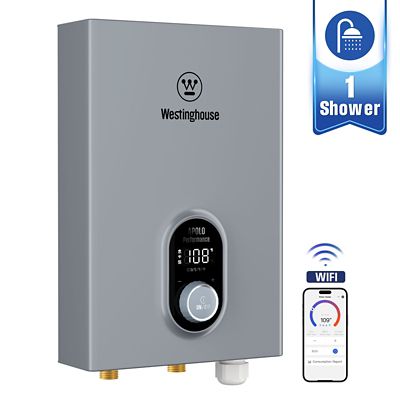
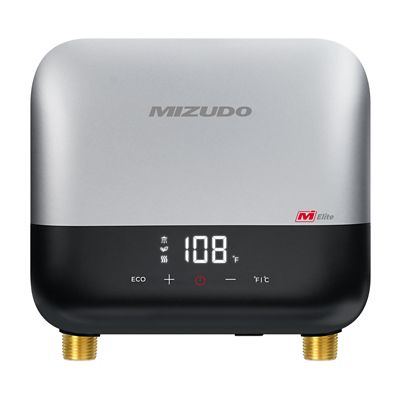
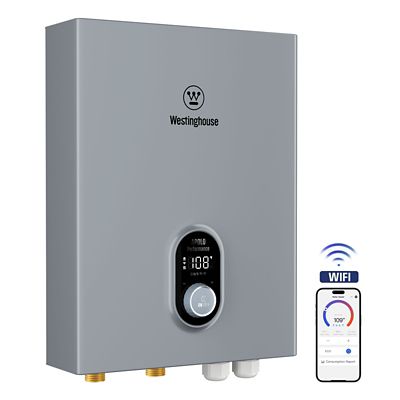
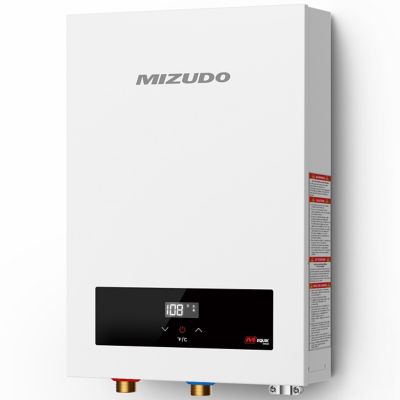
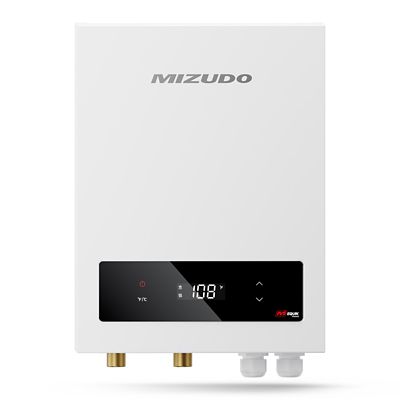
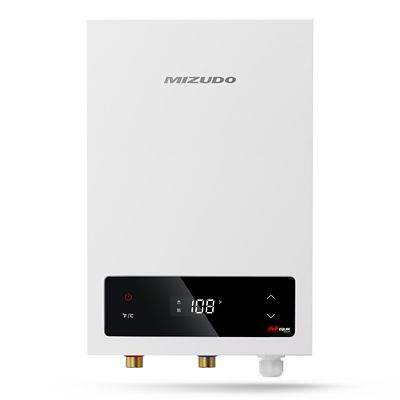
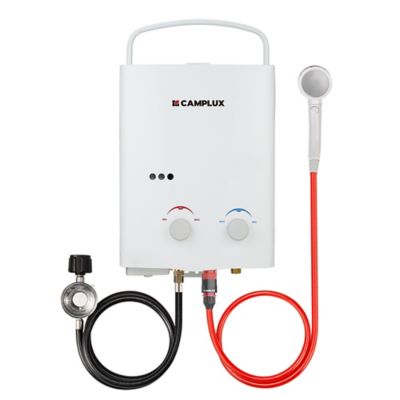
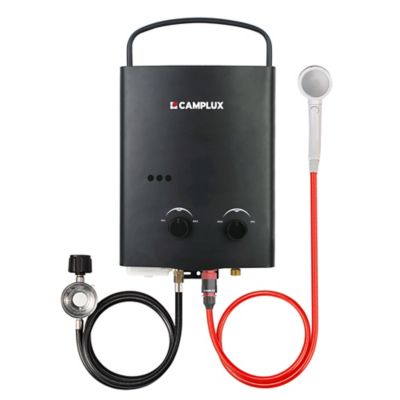
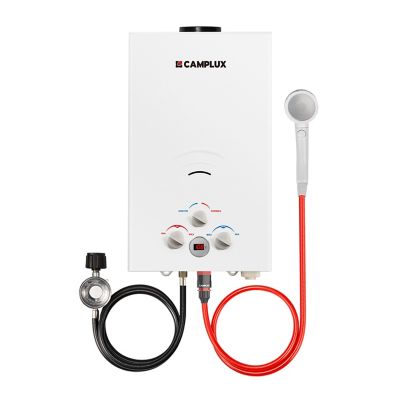
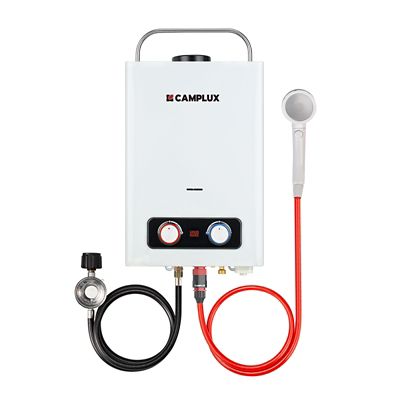
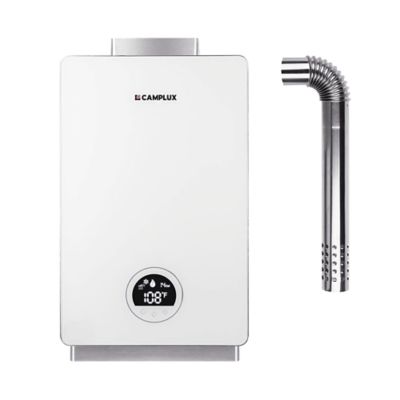
On demand electric water heaters heat water as it moves through the unit rather than keeping a tankful hot between uses. Opening a hot-water tap starts water flowing through the heater, where a flow sensor activates electric heating elements. When the tap closes, the heating elements shut off. That makes electric tankless water heaters a practical option for households and workspaces that need hot water without making room for a large storage tank. Their compact cabinets can fit into utility areas, under-sink spaces or other approved locations, depending on the installation requirements. Point-of-use models serve a single fixture or a small group of nearby fixtures, while larger whole-house models can supply several fixtures within their rated capacity. A handwashing sink in a farm office has different needs than a house with two bathrooms, a kitchen and a busy laundry room. The important distinction is that continuous heating does not mean unlimited flow. An electric on demand water heater can keep heating without waiting for a storage tank to refill, but its output still depends on its power rating and the temperature rise required. Flow capacity is measured in gallons per minute, or GPM, and heating power is measured in kilowatts, or kW. The greater the difference between incoming water temperature and the desired outlet temperature, the less water a given heater can bring to that setting each minute. That is why a maximum GPM figure needs the context of the manufacturer’s performance chart. For example, a shower flowing at 2 GPM and a sink flowing at 1 GPM create a combined demand of 3 GPM when both run together. A heater must support that combined flow at the required temperature rise to serve both comfortably. For a shop sink that runs by itself, a smaller point-of-use setup may be a better match than equipment sized for an entire household.
Installation requirements matter just as much as cabinet size when comparing on demand electric water heaters. These appliances do not burn fuel at the point of operation, so they do not need a gas line or combustion exhaust flue. They do, however, need an electrical supply that matches the model’s voltage, amperage and circuit requirements. Larger whole-house units can place a substantial load on a home’s electrical system, and some call for multiple dedicated circuits. A small cabinet does not necessarily mean a small electrical demand. Panel capacity, breaker spaces, conductor sizing and the building’s existing electrical loads all affect whether a heater fits the property. A qualified electrician can evaluate those requirements, while a qualified plumber can address water connections, pressure limits and applicable plumbing codes. For a farmhouse renovation or a sink added to an outbuilding, the distance to suitable electrical service and water lines can be as important as the space on the wall. Physical fit also includes room for required clearances, access to controls and enough space to reach connections during service. Depending on the design, the water path may include copper or stainless steel components, with an outer housing that protects the internal assembly. Material names alone do not establish suitability; water chemistry, component design and the manufacturer’s installation limits also matter. Connection size, mounting orientation and approval for the intended location help distinguish a workable setup from one that only fits on paper. Indoor-rated equipment belongs in an approved indoor location, and a damp utility area may have requirements that differ from a dry closet. Accessible shutoff valves and manufacturer-approved service connections can make routine maintenance less of a chore. For sinks where hands may be covered in garden soil or grease from equipment repairs, the fixture and heater need to work together at the actual flow the faucet delivers, not just at a number printed in a specification table.
Everyday performance also comes down to the details of the water supply and the way a space operates. Electric tankless heaters generally need a minimum flow to activate, so a lightly opened faucet may not trigger heating on every model. Low-flow fixtures deserve particular attention when matching a heater to a small handwashing sink. Water pressure, pipe size and the number of fixtures running together can all influence the experience at the tap. A point-of-use heater placed near a sink can shorten the wait associated with water traveling through a long hot-water line, but tankless heating does not erase the water already sitting between the heater and the faucet. For a bathroom far from the main plumbing area or a utility sink across the house, that distinction matters. Storage-based options such as
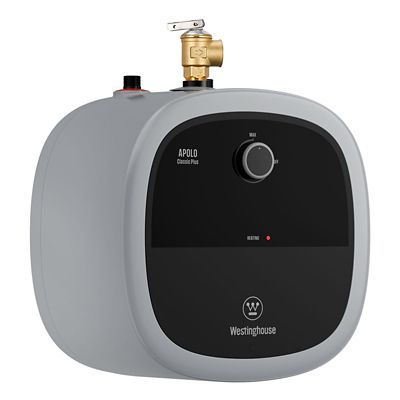
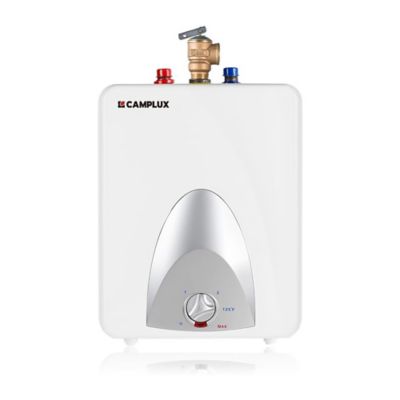
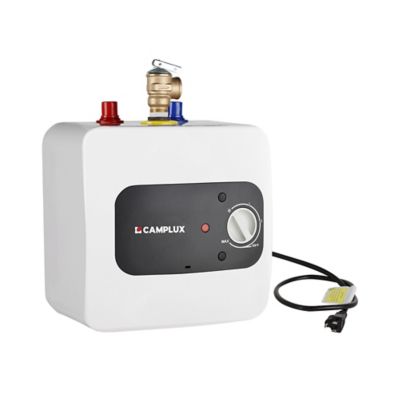
Electric Mini Tank Water Heaters offer a different approach: they hold a small supply of heated water near the fixture and need recovery time after that supply is drawn down. Tankless models instead heat the moving water within their flow and power limits. Care requirements deserve a place in the comparison, too, especially on properties with well water or mineral-heavy water. Hard-water scale can collect on heating surfaces, reduce heat transfer and interfere with performance. Sediment can also affect inlet screens or other components. Manufacturer-specified flushing, screen cleaning and water treatment recommendations help support a longer service life, with maintenance frequency based on water conditions and operating demands. Safe outlet settings are another part of the fit, particularly wherever children or older adults wash their hands; appropriate temperature controls or mixing protection can help reduce scalding risk. Whether the job is supplying a household bathroom, a workshop wash sink or a utility room, a well-matched on demand electric water heater balances flow, heating power, electrical capacity and service access. The result is hot water suited to the work at hand, without setting aside floor space for a full-size storage tank.