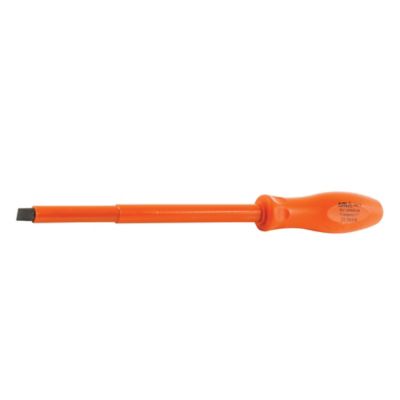
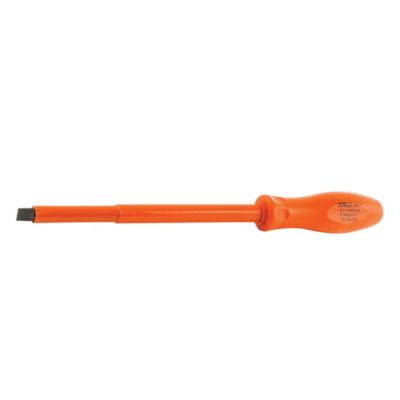
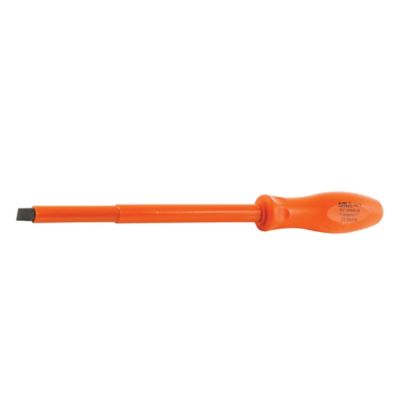
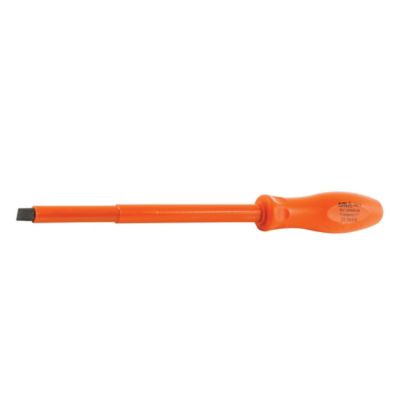
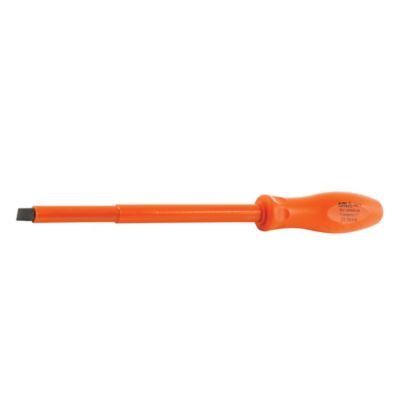
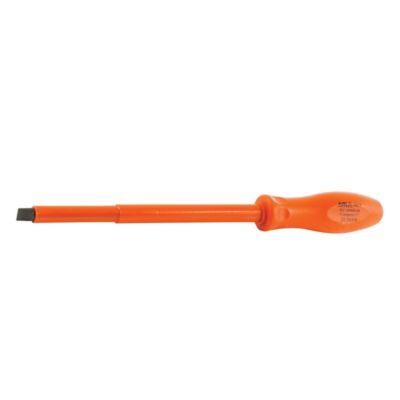
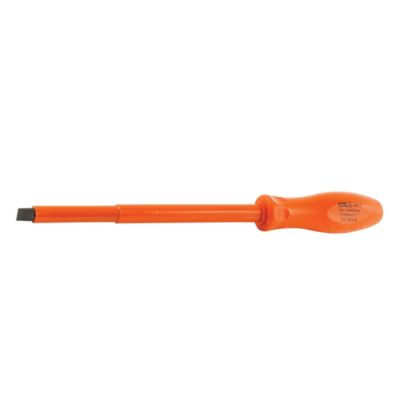
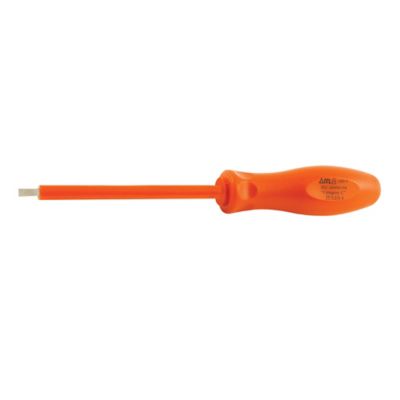
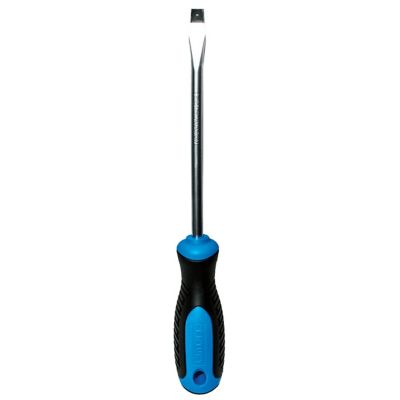
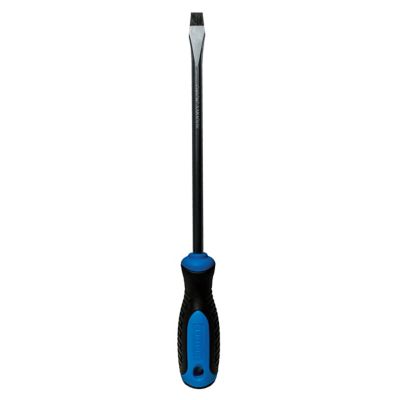
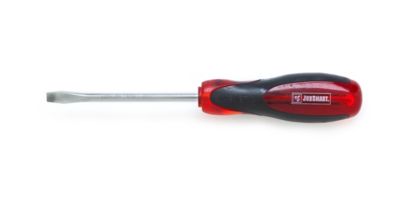
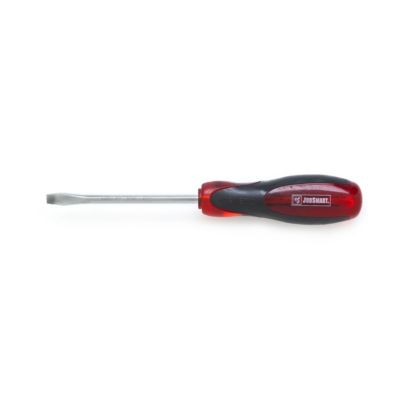
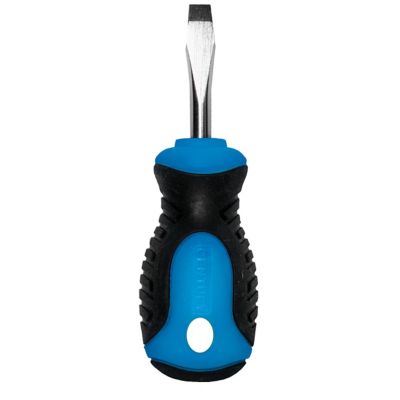
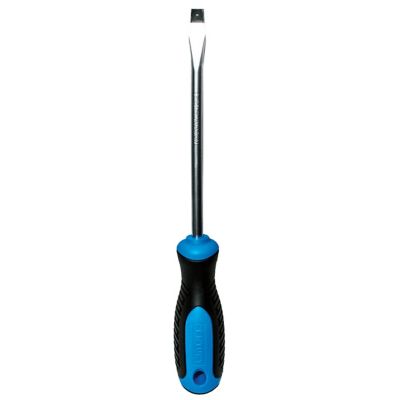
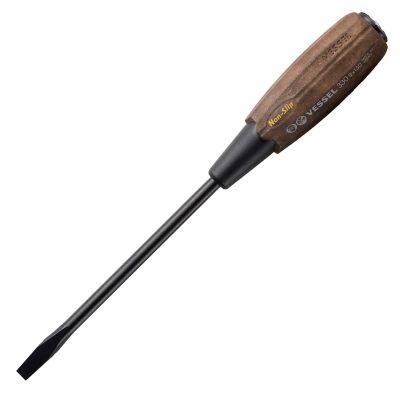
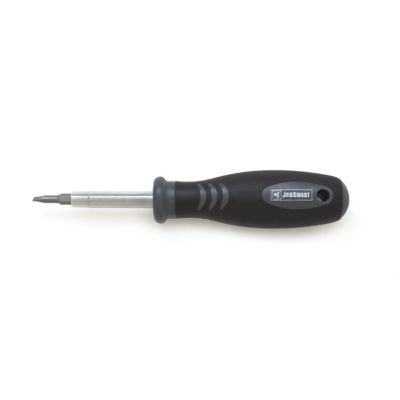
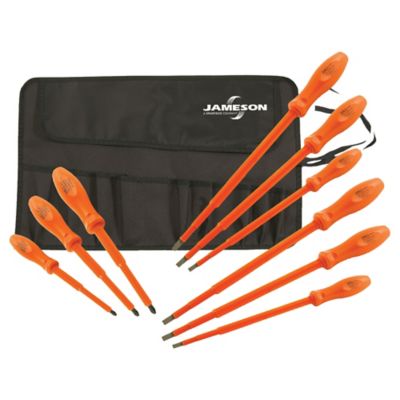
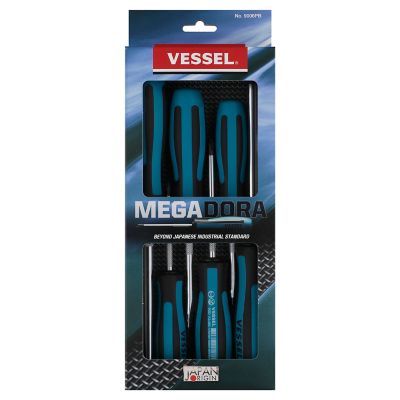
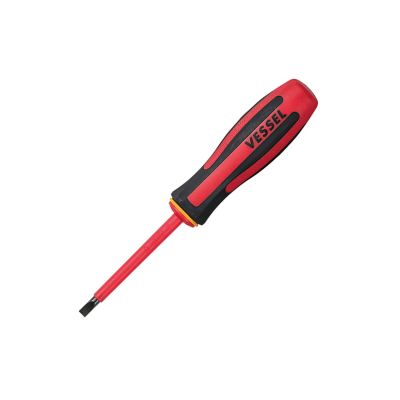
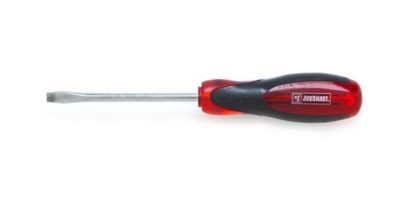
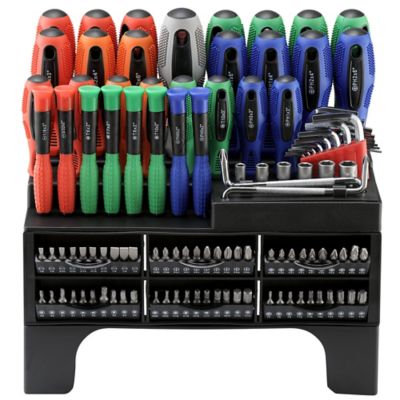
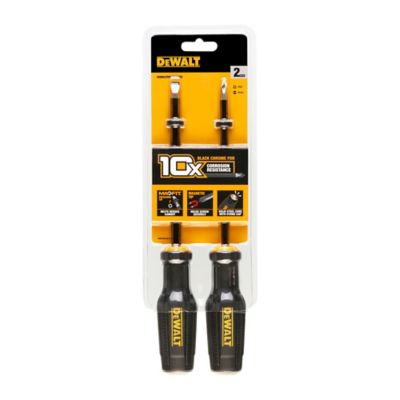
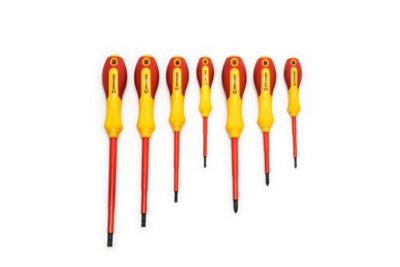
Slotted screwdrivers, also called flathead screwdrivers, are a basic part of a well-stocked toolbox. Their flat, wedge-shaped tips fit screws with one straight slot across the head, making them useful for everyday repairs around the house, barn, garage, shop, and worksite. You may reach for one when tightening a loose cabinet pull, replacing a switch plate, repairing a gate latch, assembling furniture, or working on a mower and other equipment. They also come in handy for woodworking and carpentry projects, where a properly sized tip can help seat a screw cleanly without chewing up the slot. A slotted screwdriver is a simple tool, but having the right size makes a big difference. A tip that is too narrow may twist inside the screw slot and damage the head, while one that is too wide may not fit into the opening at all. When choosing a driver, look at the tip width, tip thickness, and shank length. Common sizes include narrow tips for small hardware and wider tips for larger fasteners. A longer shank can reach recessed screws or work around obstructions, while a shorter shank gives you better control in tight spaces. Handles deserve attention, too. A comfortable, textured grip is easier on your hand during a long repair, especially when cold weather or rough work has already left your fingers stiff. Some handles have broad, rounded shapes for turning power, while slim handles make it easier to work in cramped areas. For small household repairs, craft projects, eyeglasses, and delicate equipment, precision slotted screwdrivers with narrow tips and rotating endcaps offer better control. A set with several sizes is often the most practical choice because older farm equipment, hardware, and household fixtures can use a surprising range of screw sizes.
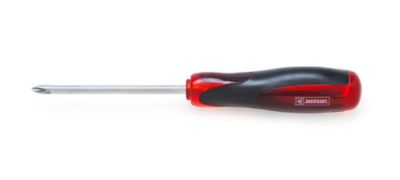
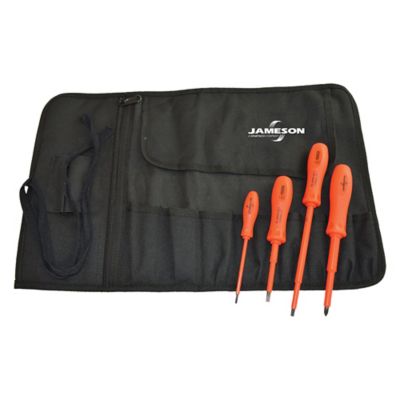
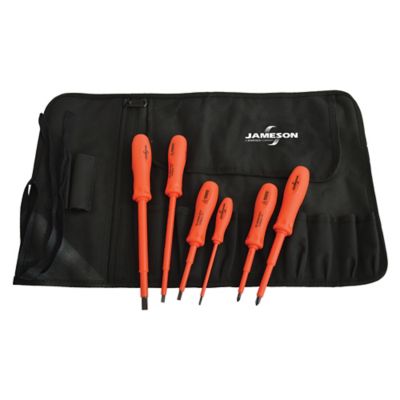
Slotted screws are not self-centering, so steady pressure and a good fit are important. Set the tip fully into the slot before turning, keep the shaft lined up with the screw, and use slow, even pressure instead of forcing the handle at an angle. This helps reduce slipping, protects the screw head, and keeps the tip from skidding across nearby wood, painted metal, or finished surfaces. It is a small habit that saves plenty of frustration; few things are more aggravating than rounding off a screw while trying to remove a hinge or loosen a stubborn bracket. For extra grip, clean dirt, paint, or rust from the screw head when possible. A slotted screwdriver may sometimes be used to lift a paint can lid or separate a stuck part, but it is not a substitute for a pry bar or chisel. Prying can bend the shaft, damage the tip, or send the tool sliding unexpectedly. Use the right tool for heavy leverage, and wear eye protection when working with rusty hardware, springs, or materials that may break loose. If you are working around wiring, choose a screwdriver specifically rated and marked for electrical work, and shut off power before starting. An insulated handle does not make live electrical work safe on its own, so follow proper safety practices every time. For jobs that involve both screw styles, pairing a slotted screwdriver set with
Small Phillips Screwdrivers helps cover common repairs without filling your toolbox with specialty tools. Keep drivers dry and wipe away grease after use. Storing them in a toolbox tray, wall rack, or divided drawer keeps the tips from banging against other tools and makes it easier to find the size you need when a fence latch starts rattling or a loose hinge needs attention before supper.
Slotted screwdrivers make useful additions to a first toolbox, workshop, vehicle kit, or farm repair station. They are handy for homeowners who handle routine upkeep, renters who want a few dependable tools for small fixes, and experienced tradespeople who need familiar hand tools close by. They also make a practical gift for someone moving into a first home, setting up a hunting cabin, restoring an older vehicle, or learning basic carpentry. A multi-size set can be especially helpful for a college student, new homeowner, or young person building a toolbox one piece at a time. When comparing options, consider how often the tools will be used and the kind of work they will handle. Occasional household repairs may call for comfortable general-purpose drivers, while frequent shop or construction work may justify hardened tips, strong shafts, impact-resistant handles, and a wider range of sizes. Keystone tips, which flare slightly near the end, are built for added strength in heavier work. Cabinet tips have straight sides that fit narrow, recessed screw openings and help avoid marring surrounding wood. Screw-holding styles can be useful when a fastener must be started in an awkward location, such as inside a cabinet, behind a fixture, or above a workbench. Magnetic tips may help keep small screws from dropping into grass, gravel, or the dark corner behind a piece of equipment, though they should be used with care around sensitive electronics. As the weather shifts from warm working days to cooler months spent indoors, a dependable slotted screwdriver can move easily from porch repairs and garden equipment maintenance to furniture fixes, workshop projects, and household touch-ups. Choose sizes that match the fasteners you see most often, look for a grip that feels secure in your hand, and keep the tool clean and ready. A well-made slotted screwdriver is not fancy, but it earns its place by being there for the loose screw, stubborn latch, rattling plate, and dozens of little jobs that keep a home, farm, and shop running right.