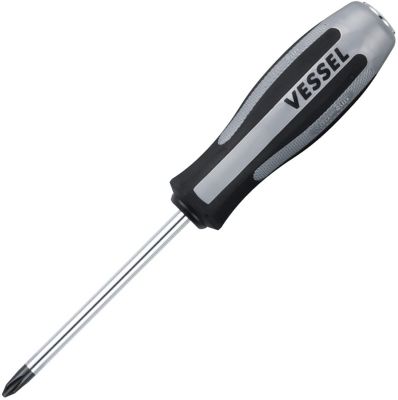
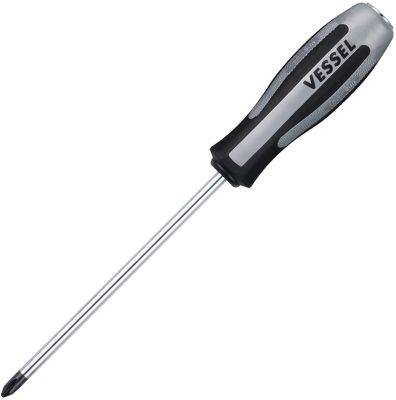
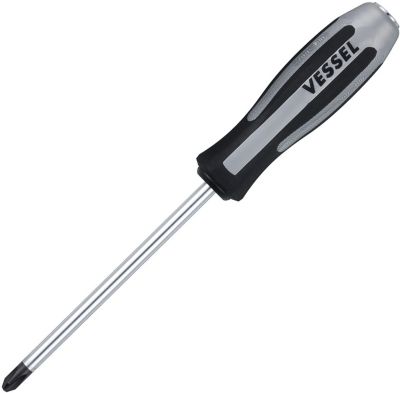
Impact screwdrivers are made for the stubborn fasteners that turn a simple repair into a full afternoon of grumbling, penetrating oil and scraped knuckles. Unlike a regular screwdriver, a manual impact screwdriver is designed to be struck with a hammer. The blow drives the tool downward while an internal cam mechanism turns the bit a small amount at the same time, helping transfer the hammer’s force into useful rotational torque. That combination can break loose screws that are rusted, painted over, frozen in place or beginning to strip. Most models have a twist or push setting for loosening and tightening, commonly marked “L” and “R,” so check the direction before you swing. A sturdy impact screwdriver is especially handy in a farm or rural shop where equipment sees plenty of dirt, moisture and hard use. It can help with brake rotor retaining screws, motorcycle engine covers, old hinges, mower housings, trailer hardware, gate latches and panels on tractors or other outdoor equipment. It is also useful around the house when an older screw has spent years exposed to humidity, weather or several coats of paint. A regular screwdriver may slip out of the recess when you lean into it, damaging the screw head or the tool. With an impact screwdriver, the hammer strike helps keep the bit seated while the cam action applies turning force, which can reduce cam-out and give you a better chance of saving the fastener. This is the kind of hand tool that often earns its keep on the first truly troublesome repair. Many folks keep one in a tool chest, service truck, barn cabinet or emergency roadside kit because it takes up little room and can be ready when a seized fastener stops a job cold.
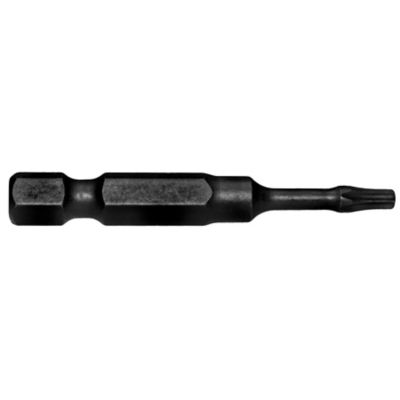
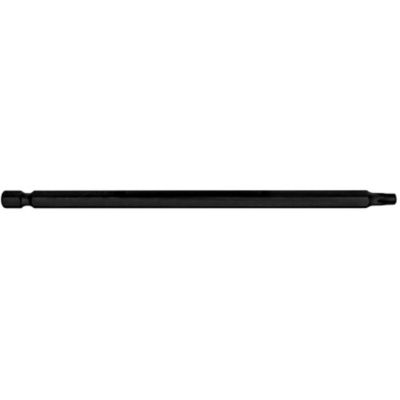
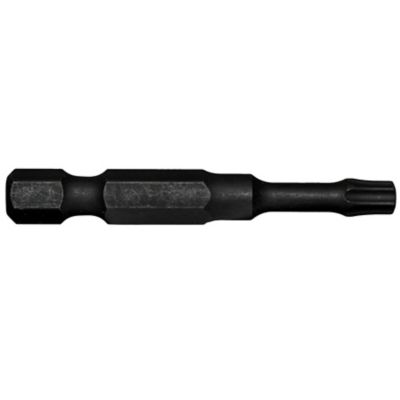
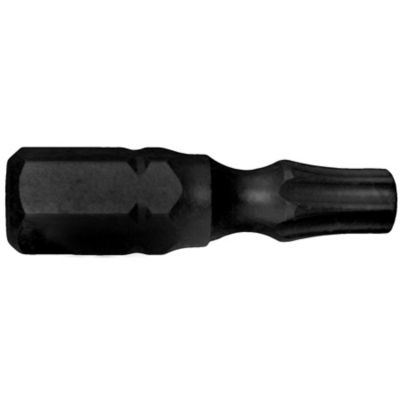
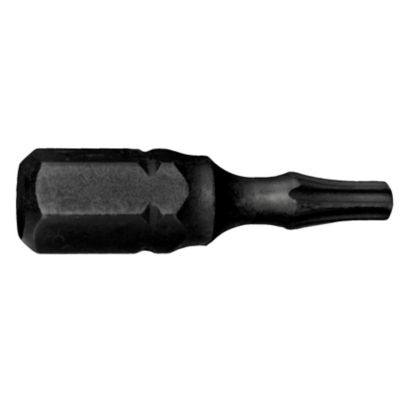
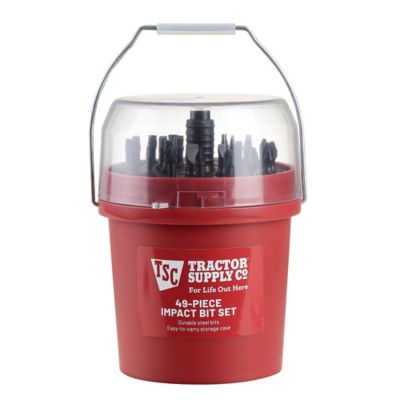
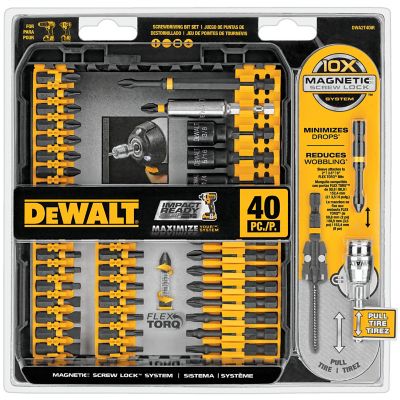
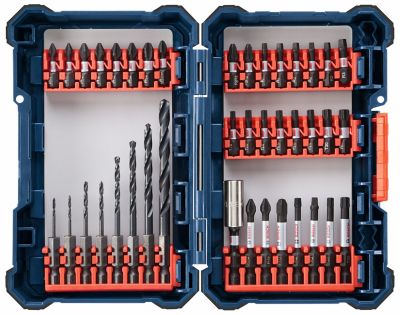
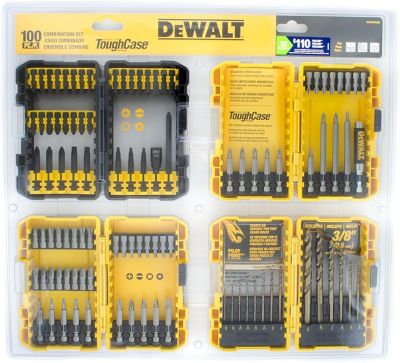
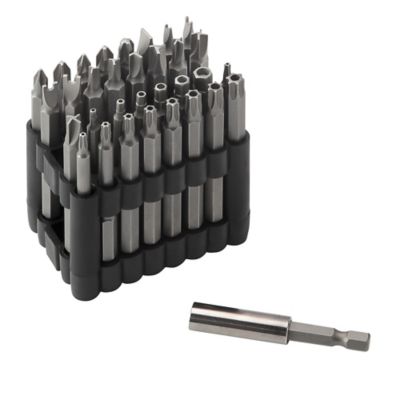
When choosing an impact screwdriver, start with the handle and body. Look for a solid, comfortable grip that gives you control while wearing work gloves, along with a cap or striking end built to take repeated hammer blows. A heavier steel body can feel reassuring when working on large, stubborn hardware, while a compact design is easier to carry in a small toolbox or pack with other hand tools. Bit selection matters just as much as the driver itself. Common kits may include Phillips and slotted bits in several sizes, along with hex or square-drive options for the fasteners you are most likely to meet in automotive, equipment or general repair work. The bit should fit the screw head snugly from side to side and reach the bottom of the recess without rocking. Impact-rated bits are made to handle shock and twisting, so avoid using delicate bits that are intended only for light-duty driving. If you need additional bits for powered impact tools, you can also browse
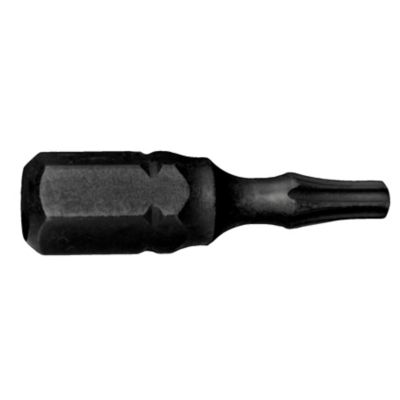
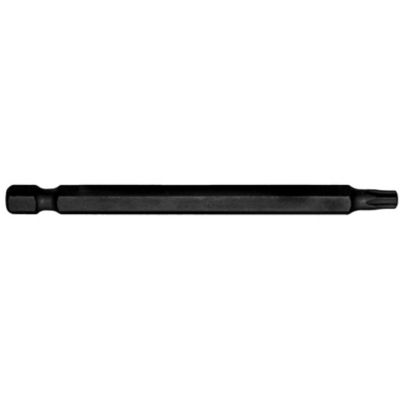
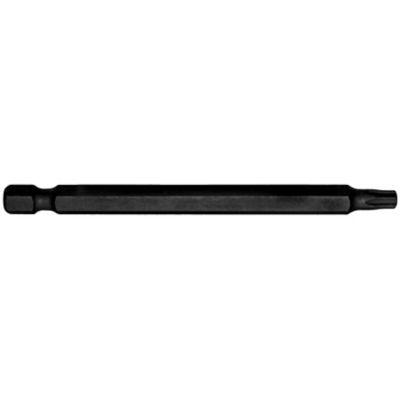
Impact Driver Bits, keeping in mind that bit style and compatibility can vary between tools. Before buying, consider whether you need a basic set for occasional repairs or a broader assortment for maintaining several types of equipment. A reversible mechanism is useful for both loosening and tightening, but it should lock firmly in the selected direction. Check that the bits store securely, whether in a case or another organized holder, since a complete set is more useful when the right size is easy to find. An impact screwdriver can make a thoughtful gift for a do-it-yourselfer, auto hobbyist, maintenance worker, farmer, rancher or anyone who likes keeping older equipment running instead of sending every repair to the shop. It is also a practical addition to a first toolbox for a new homeowner or young mechanic, particularly when paired with a dependable hammer and a small selection of compatible bits.
Using an impact screwdriver takes a little patience and a steady work surface. Clean loose dirt and rust from around the fastener first, then apply a suitable penetrating lubricant and give it time to work when the situation allows. Choose the bit that fills the screw head, set the driver to the loosening position and hold the tool straight in line with the fastener. Keep one hand on the grip and use the other to steady the shaft, making sure your fingers stay clear of the striking end. A controlled hammer blow is usually more helpful than wild swings; the goal is to seat the bit and activate the internal mechanism without damaging the surrounding part. If the screw does not move, add another measured strike rather than leaning harder on the handle or twisting the tool by hand. Several light blows can sometimes work better than one heavy hit, especially on older equipment where the surrounding metal may be thin or brittle. Wear eye protection, use hearing protection when striking metal repeatedly, and secure loose parts before starting. Once the fastener breaks free, switch to a regular hand tool or a low-speed driver if appropriate and finish the job carefully. The same tool can help tighten a screw after service, but avoid over-tightening delicate housings, covers or sheet metal. During the warmer stretch of the year, an impact screwdriver may live in the truck for fence repairs, equipment tune-ups and work around outbuildings; during the cooler months, it can come in handy for bringing stored machinery back into service, repairing snow equipment or handling maintenance indoors. With the right bit, a firm grip and a little common sense, this compact tool gives everyday repairs a better chance of ending with a freed fastener instead of a stripped head.