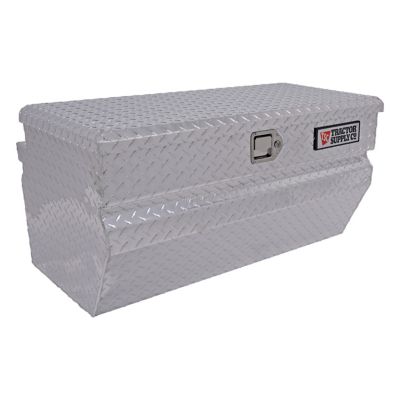
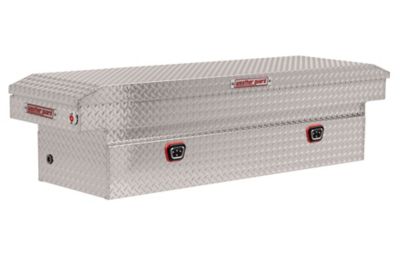
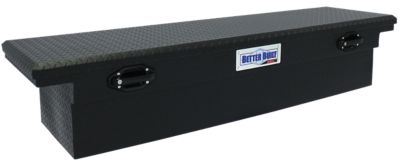
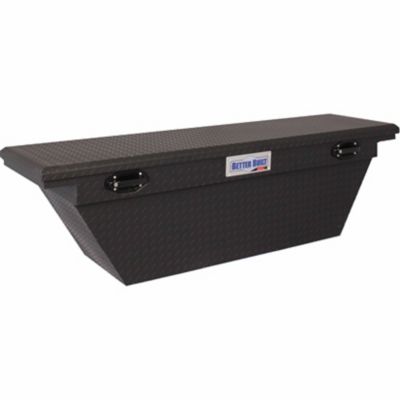
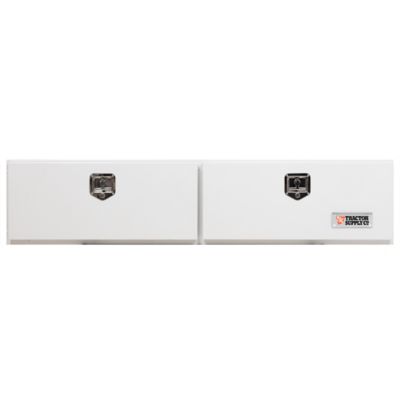
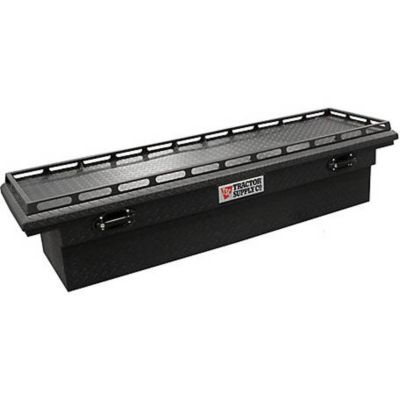
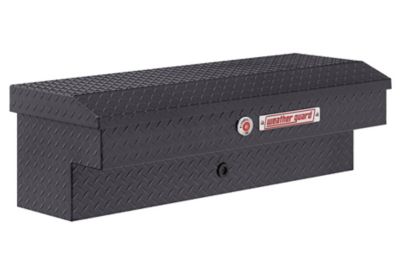
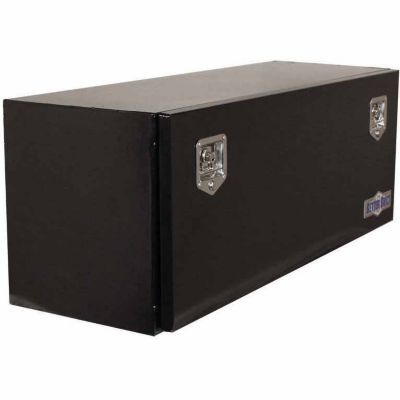
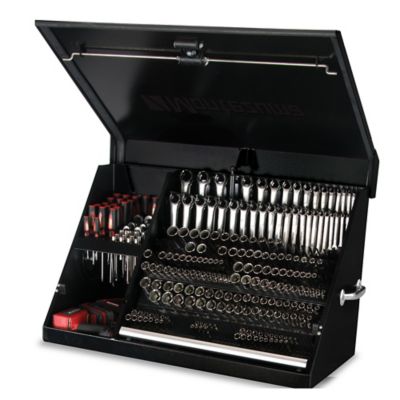
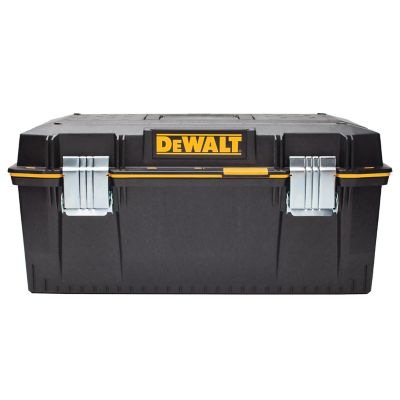
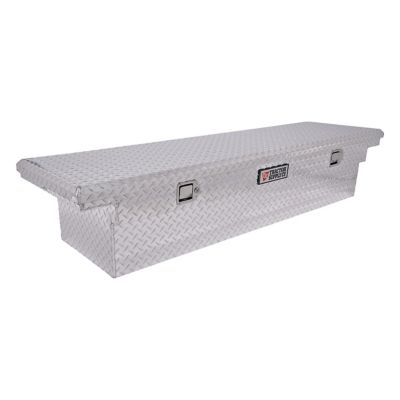
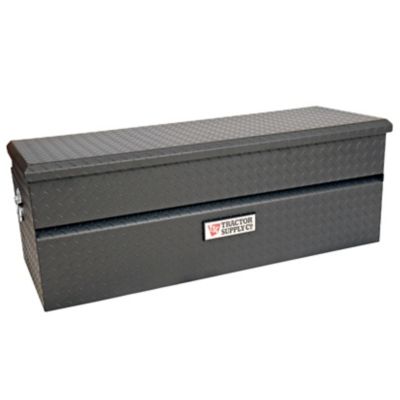
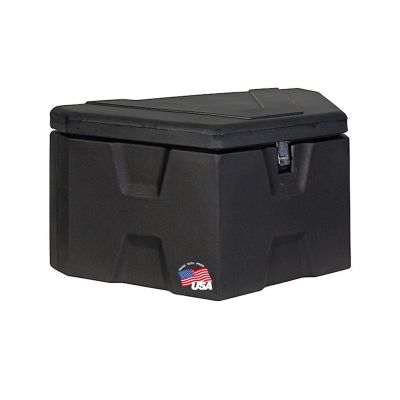
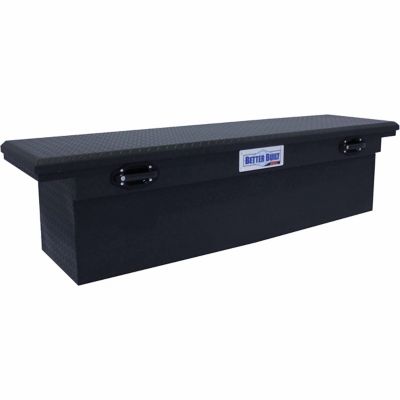
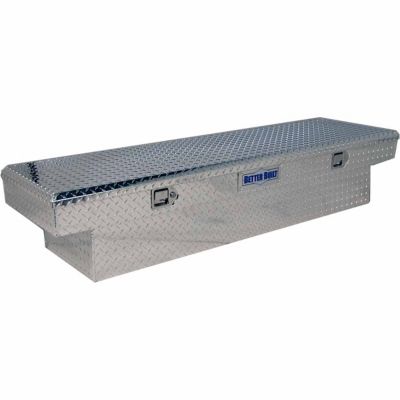
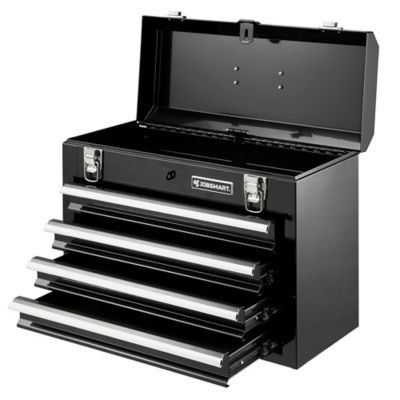
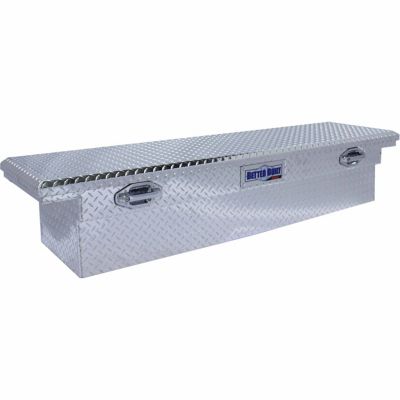
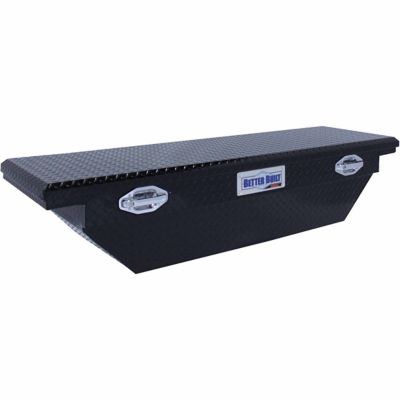
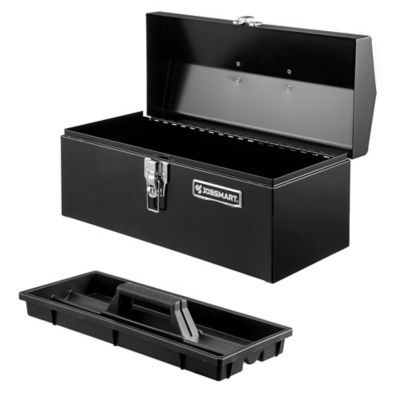
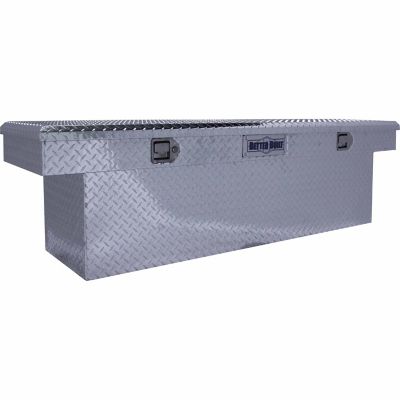
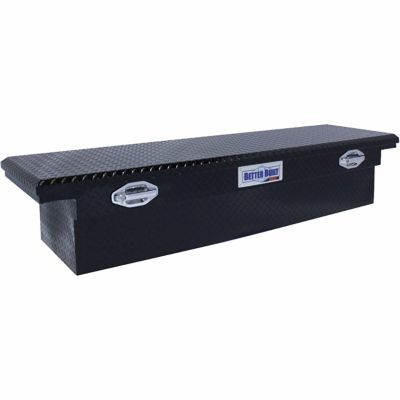
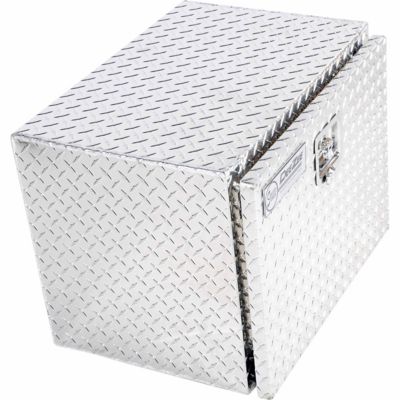
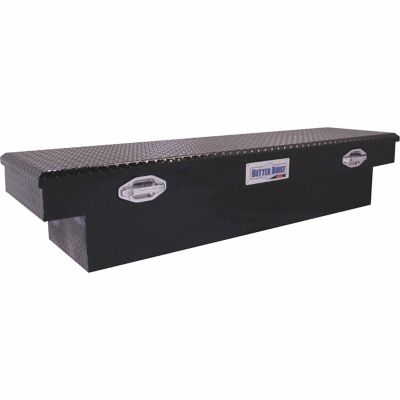
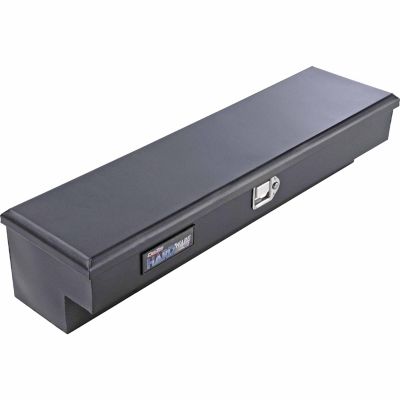
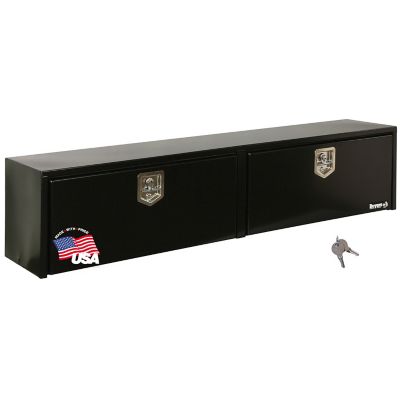
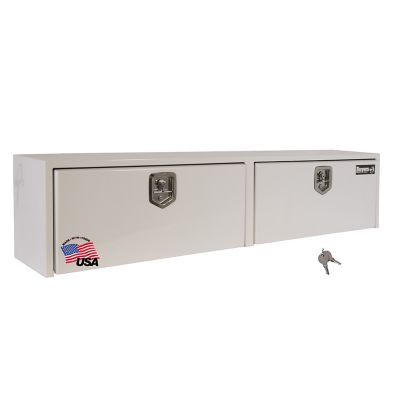
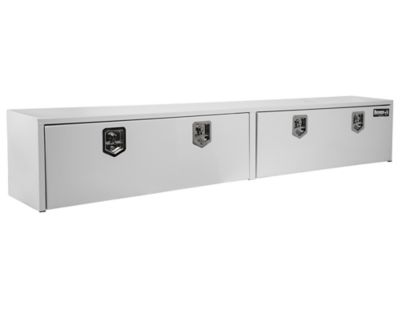
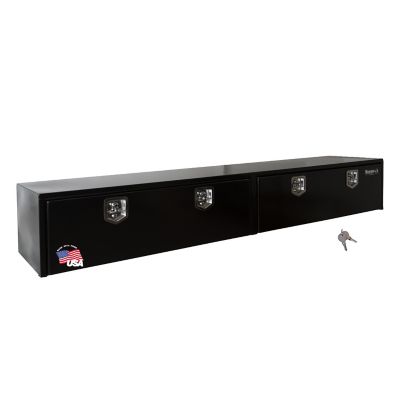
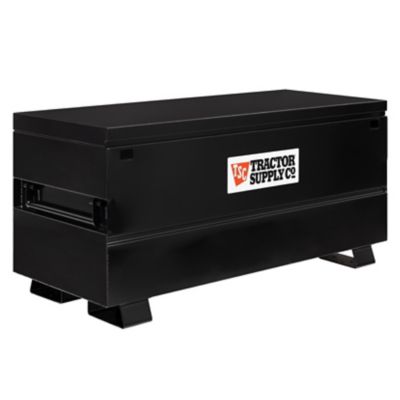
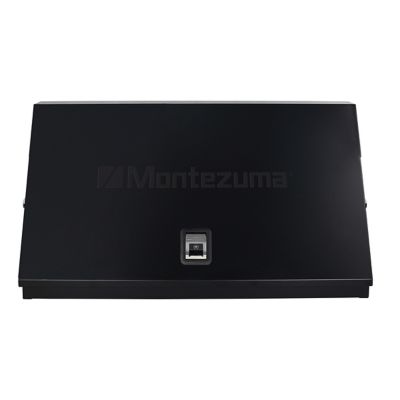
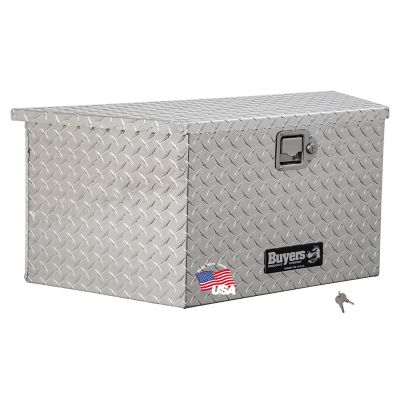
Flatbed tool boxes give farmers, ranchers, contractors, mechanics and hardworking DIYers a dependable place to carry the tools and supplies that tend to wander around a truck bed. Instead of letting wrenches slide under a tarp, fencing pliers get buried beneath feed sacks or tie-down straps disappear into the corners, a properly fitted box keeps everyday gear close at hand and easier to protect. These boxes are especially useful on flatbed trucks, service bodies, work trailers and other utility setups where open cargo space needs a little organization. They can hold hand tools, fasteners, gloves, measuring equipment, electrical supplies, recovery gear and smaller jobsite essentials while leaving room around them for lumber, feed, equipment or other large loads. When choosing a flatbed tool box, start with the available space and the way the truck is used. Measure the width, depth and height carefully, including rails, headache racks, wheel wells, stake pockets and other equipment that could affect the fit. Pay attention to lid clearance as well, since a box that opens into a rack, wall or nearby cargo may be frustrating to use. A low-profile design can help preserve visibility and bed clearance, while a deeper box may be a better match for bulky tools and supplies. Construction material matters, too. Steel offers a solid, hardworking feel, while aluminum can be lighter and may suit owners who want to manage added weight on the truck. Look for sturdy hinges, a lid that sits securely, smooth operation and a finish suited to dusty roads, rain, mud and changing temperatures. Weather-resistant seals can help keep moisture and road grime away from your gear, though no toolbox should be treated as a substitute for sensible storage of items that can rust or be damaged by water. A dependable latch and lock are also important when the truck sits at a jobsite, livestock auction, feed store or roadside pull-off. Think about the tools you reach for most often and whether the box lets you arrange them without stacking everything in a hard-to-reach pile. Trays, dividers and open compartments can make a big difference when you are trying to find a socket by feel with cold hands or need to grab a pair of pliers before the gate swings open.
A flatbed toolbox earns its keep through the small moments that add up over a season. It is the place for spare bolts when a gate hinge loosens, a ratchet strap when a load shifts, a tape measure for checking a panel, or a set of gloves kept ready for chores before sunrise. Crew leaders can use one to separate shared equipment from personal belongings, while rural property owners may appreciate having repair supplies in the truck instead of making a trip back to the shop every time a latch, hose clamp or piece of wire needs attention. Landscapers, utility workers, welders and builders can organize the box around the work they do most, and hunters, campers and outdoor users can use the protected storage for trail tools, tie-downs and recovery equipment. It can also make a practical gift for someone who spends more time working out of a truck than sitting behind a desk, especially a new landowner, contractor, farmhand or weekend mechanic building a useful setup one piece at a time. To get the most from the space, group tools by task and keep the items used daily near the front or in a top tray. Store heavier equipment low and avoid packing the lid so tightly that it strains the hinges or latch. A simple inventory can help prevent duplicate purchases and makes it easier to notice when a socket set, utility knife or pair of safety glasses has been left behind at the last job. Those who want to take organization a step further can explore a
Truck Tool Box Organizer for ideas on arranging smaller gear. During the cooler months, a box also provides a sensible spot for extra gloves, hand warmers, rain gear and emergency supplies, while a clean, dry interior helps protect tools after wet drives or muddy work. Before loading up, check that the box is mounted securely, the lid closes fully and the contents cannot shift into the hinge area. A little attention to fit, access and upkeep helps a flatbed tool box become part of the truck rather than just another piece of equipment, keeping the tools you count on ready for the next repair, delivery, fence line or jobsite.