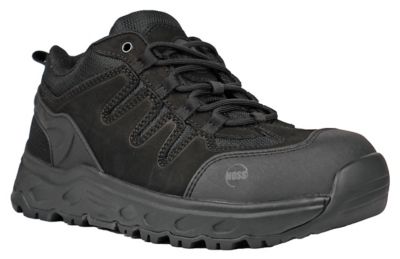
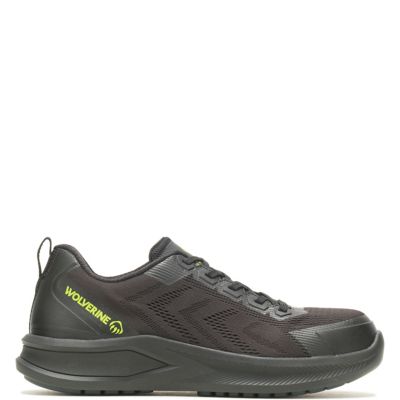
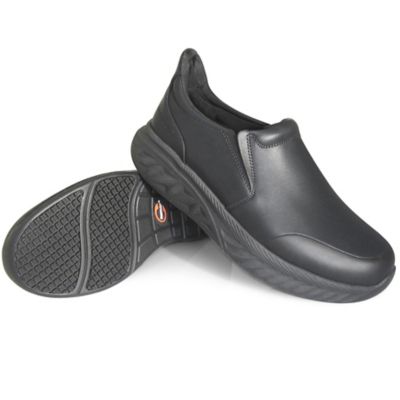
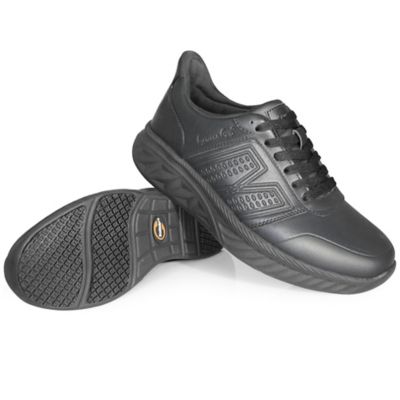
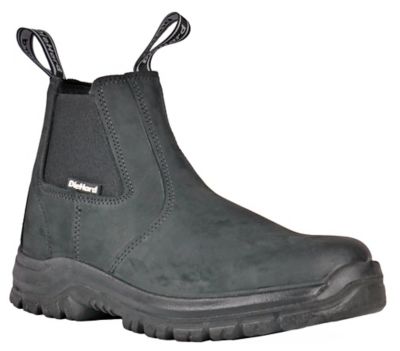
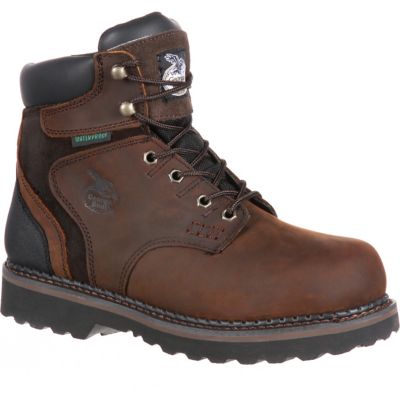
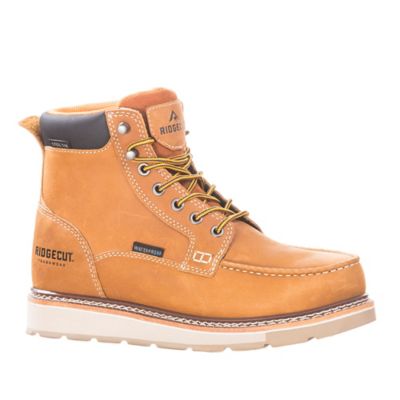
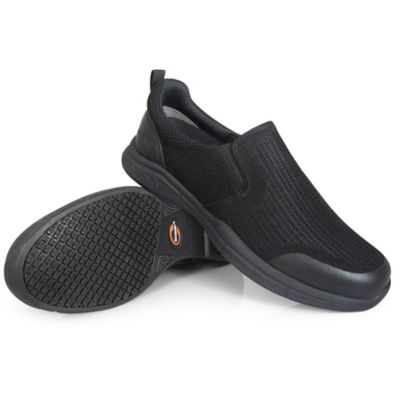
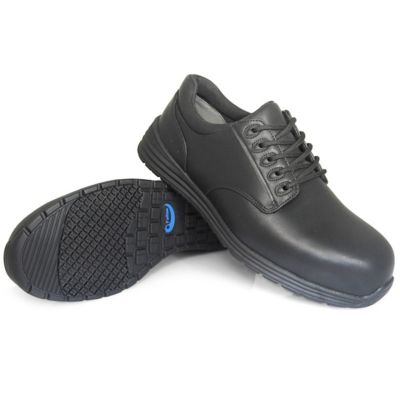
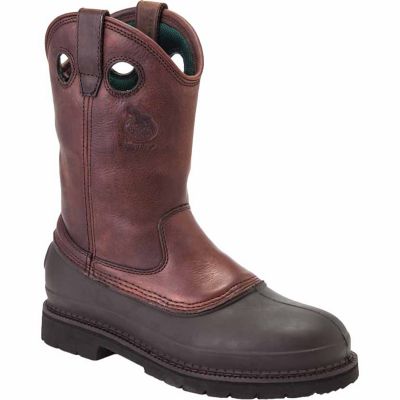
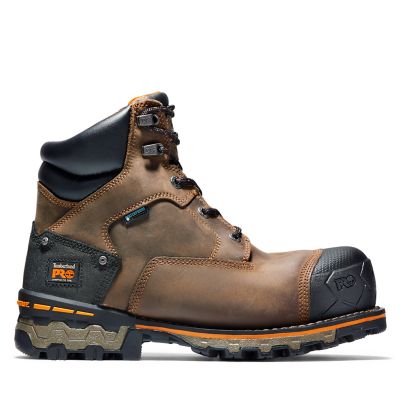
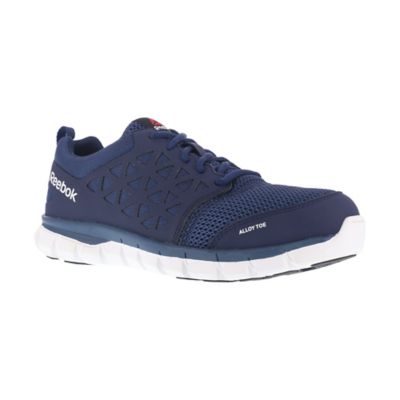
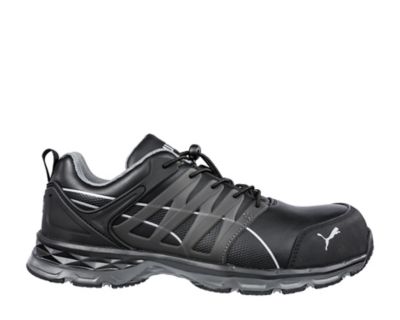
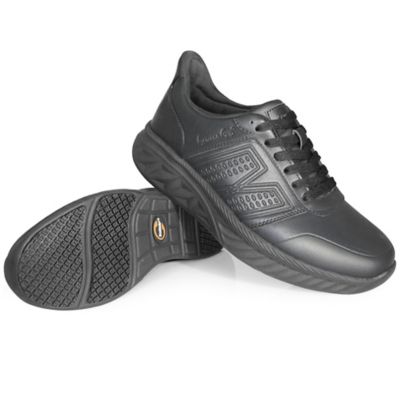
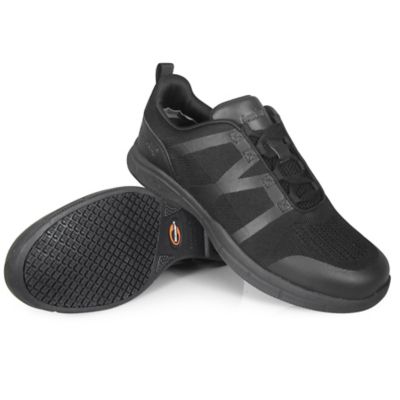
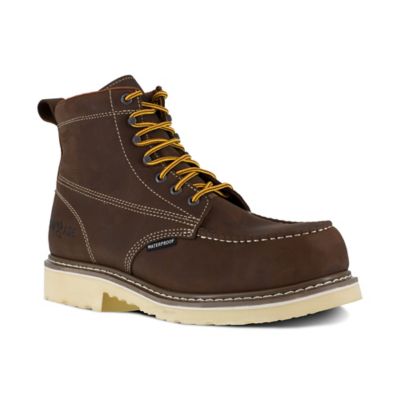
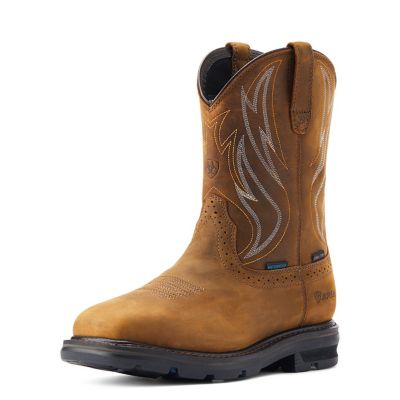
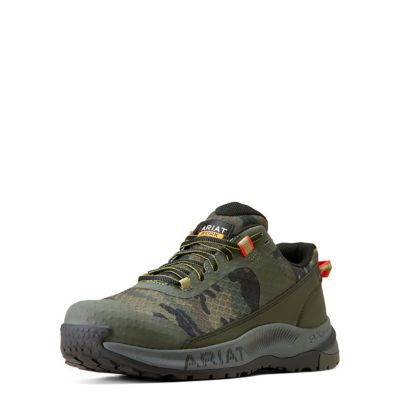
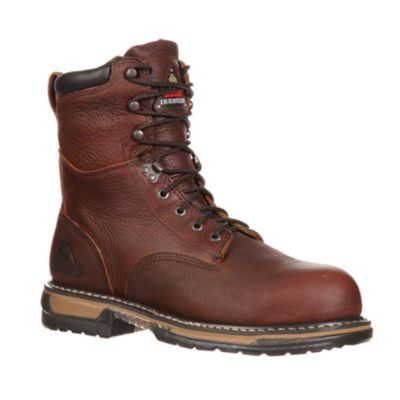
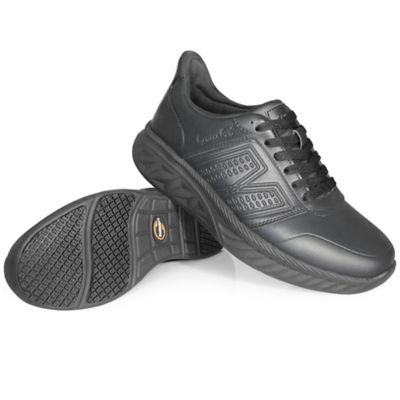
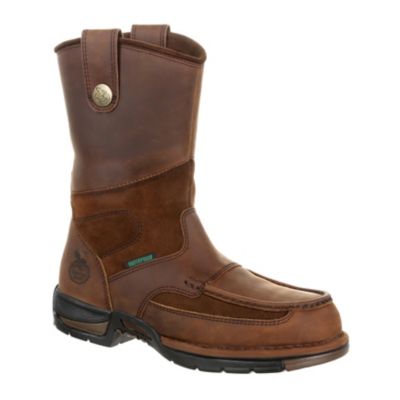
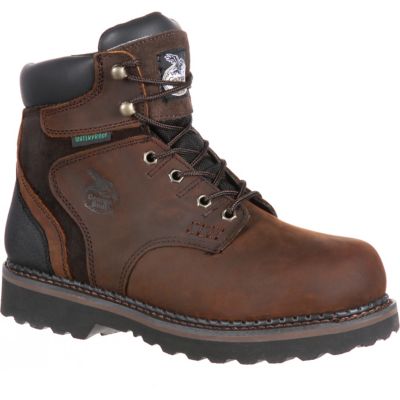
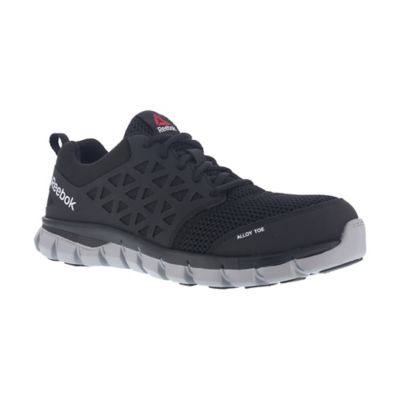
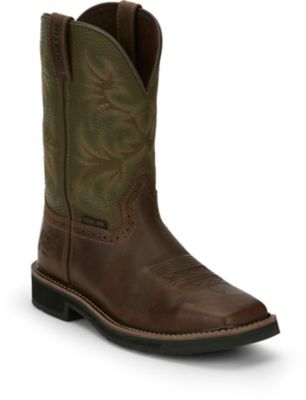
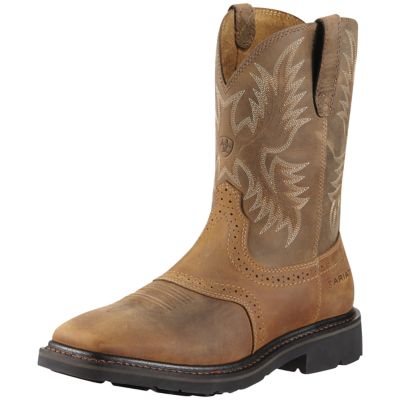
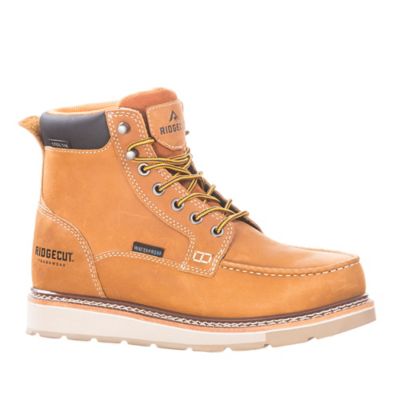
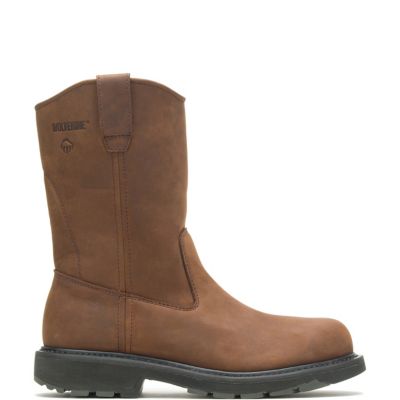
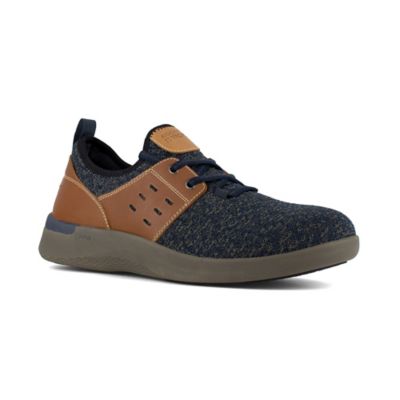
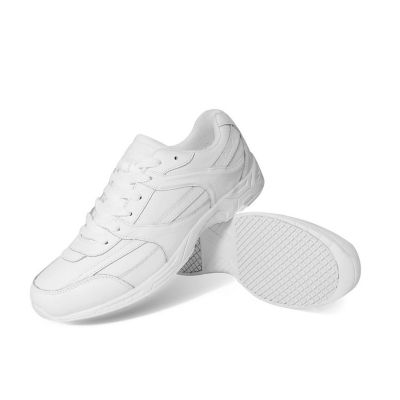
Shoes for mechanics need to do more than look good in the shop. A typical workday can mean standing on hard concrete, walking across a gravel lot, climbing in and out of equipment, kneeling beside a tire, and stepping through areas where oil, coolant, water, and metal shavings may be present. The right pair should feel steady and comfortable from the first task of the morning through the last cleanup of the day. When comparing mechanic shoes, start with the outsole. Oil-resistant, slip-resistant rubber helps provide dependable footing on shop floors where fluids can make smooth surfaces slick, while a tread pattern with enough bite can help when moving between the garage, driveway, field, and parts counter. Look for a sole that bends naturally without feeling flimsy, with a construction that can handle repeated flexing, scuffing, and contact with rough concrete. A low-top work shoe may suit someone who wants an athletic feel and easy movement around a service bay, while an ankle-height work shoe or boot can offer added coverage and support for outdoor repairs, uneven ground, and jobs that involve climbing or carrying equipment. During the cooler months, leather or other weather-resistant uppers can help keep feet more comfortable when a repair starts outside and finishes inside. Breathable panels may be useful in a warm garage, but they should be balanced with the level of protection needed for the work. For people who spend long hours around machinery, a shoe with a protective toe is worth considering. Steel toes provide traditional impact and compression protection, while composite or other non-metallic safety toes can weigh less and may be a practical choice for workers who move constantly or pass through metal detectors. Check the shoe’s stated safety ratings and make sure the toe protection meets the requirements of the job, since not every work shoe is designed for the same hazards. Electrical hazard protection may also be important for certain repair, maintenance, and construction environments, but it should be treated as one part of a broader safety plan rather than a substitute for safe work practices.
Comfort matters just as much as protection when a mechanic is on their feet for eight, ten, or more hours. Concrete does not give much back, and a shoe that feels fine for a quick errand can become a real burden after a full shift of walking, crouching, and standing in one place. Look for cushioning that supports the heel and arch without feeling overly soft or unstable. A firm, supportive footbed can help reduce fatigue, while enough room in the toe box allows toes to spread naturally without rubbing against the protective cap. The shoe should hold the heel securely, stay snug through the midfoot, and leave enough space for normal foot movement. Trying shoes on with the socks normally worn for work is a simple step that can prevent many fit problems. Pay attention to pressure along the tongue, ankle, and sides of the foot, especially when bending or kneeling. Full-grain leather and other durable uppers can stand up well to daily shop wear, and water-resistant materials are handy when morning dew, rain, wash bays, or muddy paths are part of the routine. No shoe is completely maintenance-free, though. Brushing off grit, wiping away fluids, allowing the pair to dry naturally, and replacing worn insoles can help extend useful life. Avoid putting wet work shoes directly beside a heater or stove, since intense heat can dry out leather, weaken adhesives, and change the fit. A second pair can be helpful for people who work every day in the trade, giving one pair time to air out while the other is in use. Socks also play a bigger role than many folks expect; moisture-wicking work socks can help manage sweat, while thicker socks may improve comfort in cold conditions, provided they do not make the shoes too tight. Mechanics who work with their hands may also want to pair dependable footwear with
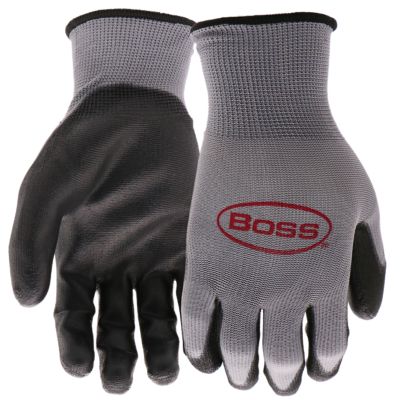
Mechanic Gloves for a more complete setup when handling sharp edges, greasy parts, fasteners, and rough materials.
Mechanic shoes make a practical gift for a professional technician, a farm or ranch hand, a maintenance worker, a weekend truck tinkerer, or anyone who spends more time in a garage than in a living room. They can be especially useful for a new apprentice, a student entering a trades program, or a family member who is always repairing trailers, lawn equipment, vehicles, and machinery. Before choosing a pair as a gift, check the wearer’s usual size, preferred fit, and workplace requirements. Some people strongly prefer a low-cut shoe for flexibility, while others want ankle coverage and a more boot-like feel. It is also worth finding out whether their job requires a steel toe, composite toe, electrical hazard rating, or a particular slip-resistance standard. A gift receipt or easy exchange option is helpful because work footwear needs to fit correctly; a pair that is too short, too narrow, or loose at the heel can cause discomfort and distraction during a long repair. Think about the setting where the shoes will be used as well. Someone servicing vehicles indoors may value lightweight cushioning and easy movement, while someone repairing farm equipment outdoors may place a higher priority on weather resistance, rugged tread, and support on uneven ground. Those working around welding, grinding, heavy parts, or moving machinery should select footwear based on the hazards listed by their employer or safety program. Shoes for mechanics are built for demanding days, but they work best when matched to the job, the wearer’s foot, and the conditions underfoot. A well-fitting pair helps a mechanic stay planted while leaning over an engine, comfortable while walking a parts aisle, and ready to move from the concrete shop floor to the gravel driveway as the workday changes.