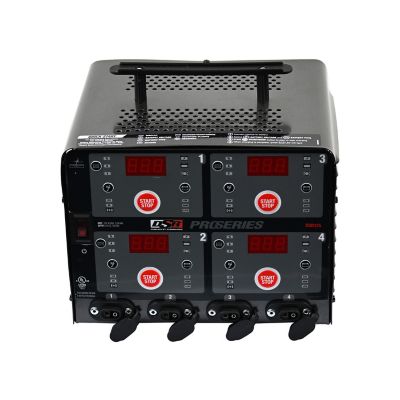
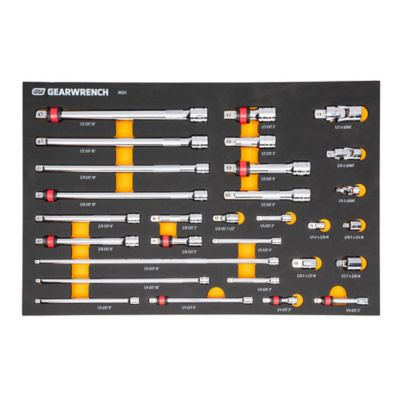
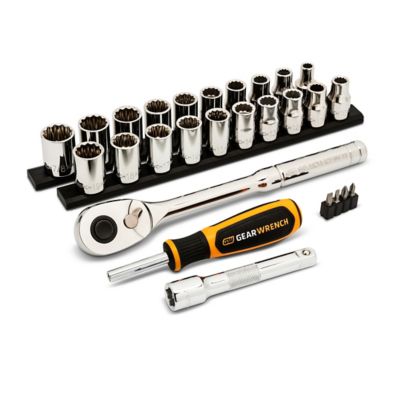
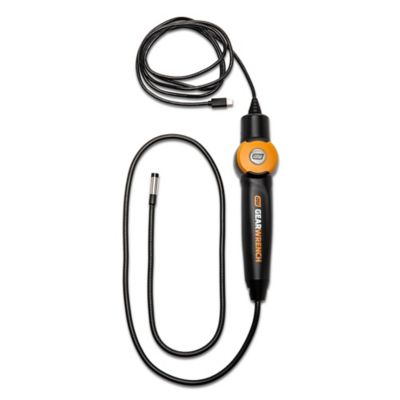
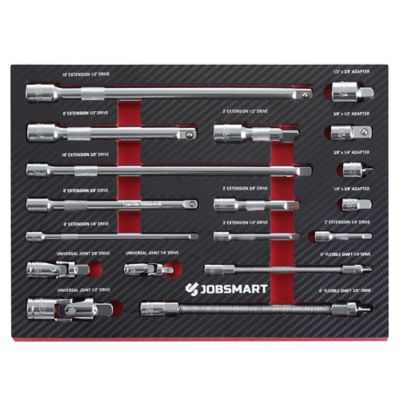
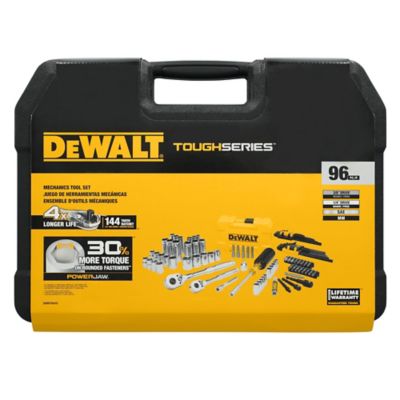
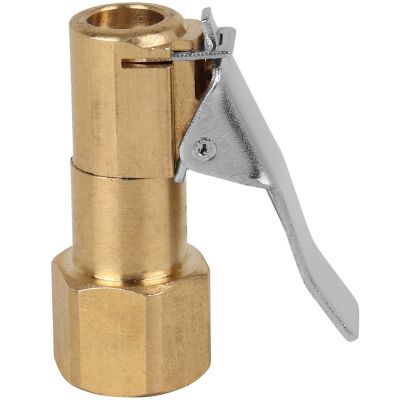
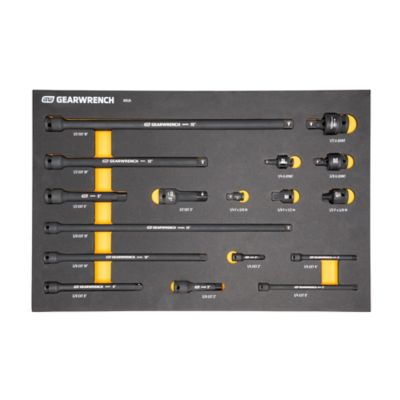
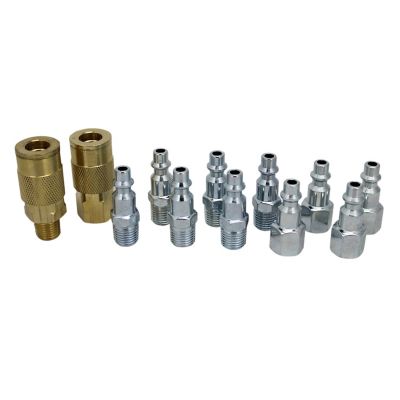
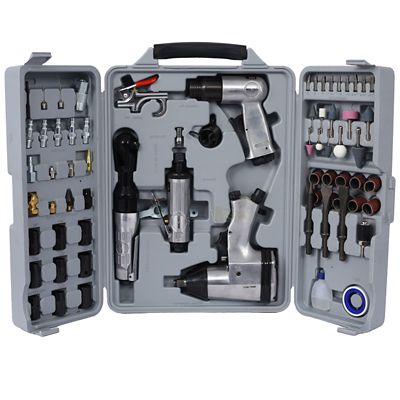
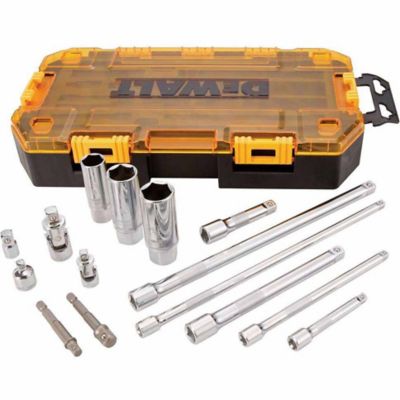
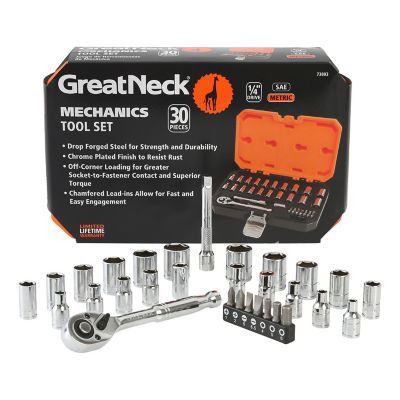
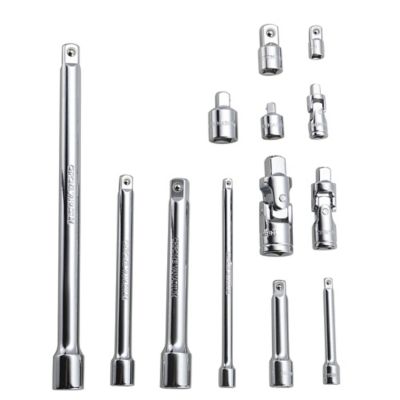
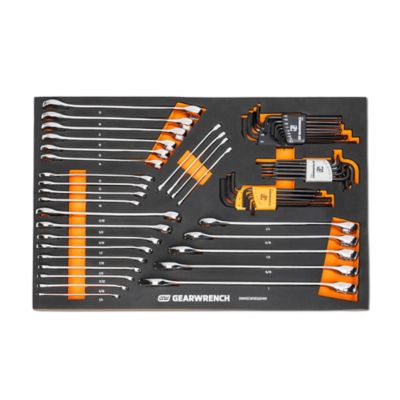
Accessories for mechanics can make a long day in the shop, garage, barn, or driveway go a whole lot smoother. The right add-ons help you reach tucked-away fasteners, keep small parts from rolling across the floor, and see what you are doing when the light under the hood is less than ideal. Socket extensions are handy for deep or recessed bolts, while universal joints help a socket turn at an angle when a straight-on approach is not possible. Adapters let you pair sockets and drive tools of different sizes, giving a well-used tool collection more flexibility without taking up much room in a toolbox. A low-profile ratchet can slip into tight engine bays and narrow spaces where a full-size handle gets boxed out. For stubborn or rusted hardware, a breaker bar adds leverage and can save your knuckles from the sudden jolt that comes with forcing a stuck nut loose. Magnetic parts trays are just as useful for small jobs as major repairs; they hold nuts, washers, clips, and bolts close by instead of letting them disappear beneath a workbench or into the gravel. These simple accessories are useful for professional technicians, farmers keeping equipment running, auto enthusiasts, weekend wrench-turners, and anyone who prefers to handle routine maintenance at home. They also make practical gifts for a new driver, a student learning automotive repair, or a handy friend who always seems to be fixing something after supper. A thoughtful set of mechanic accessories can fill the gaps in an existing toolbox and help organize the tools someone already owns.
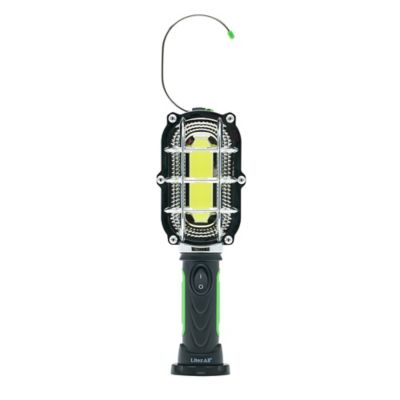
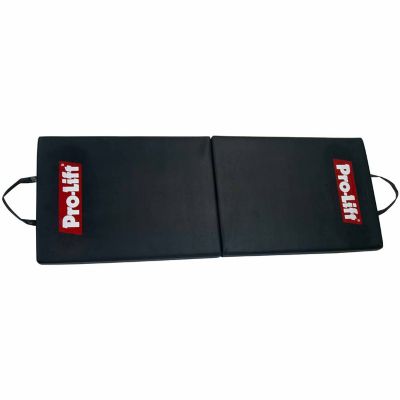
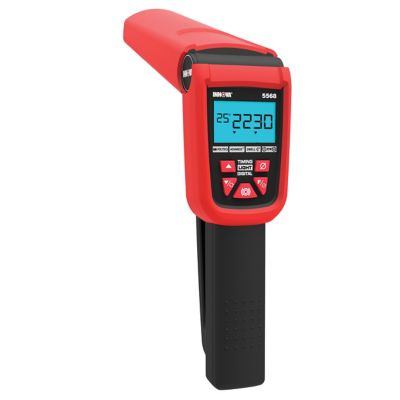
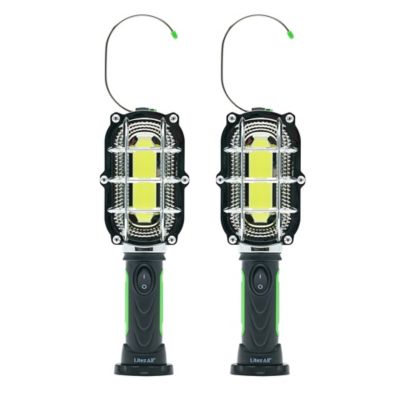
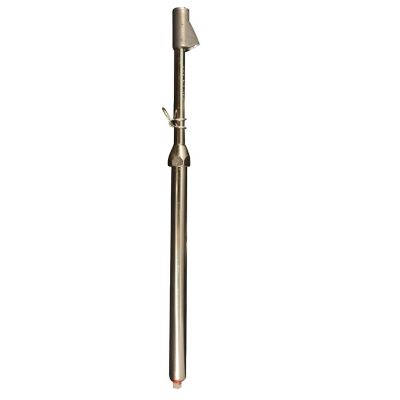
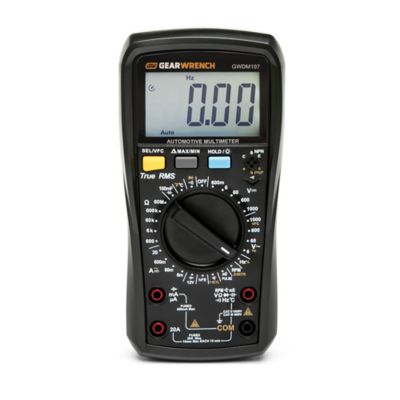
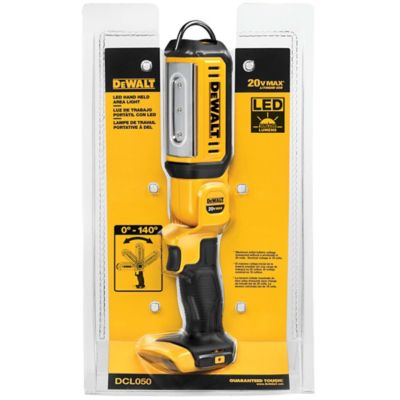
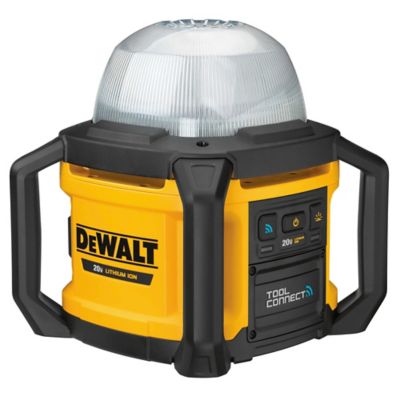
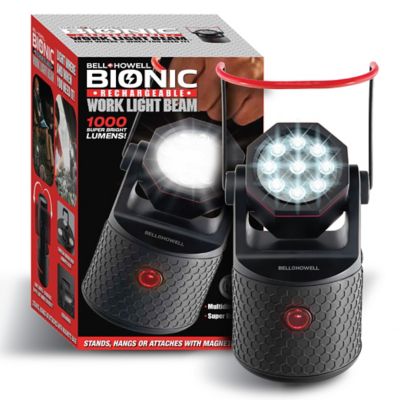
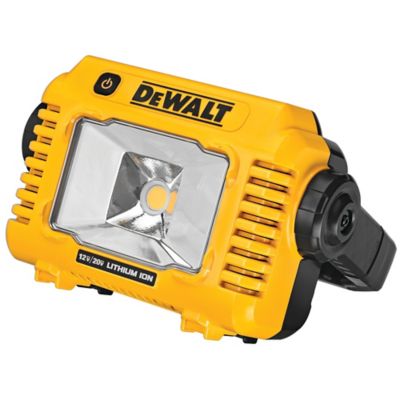
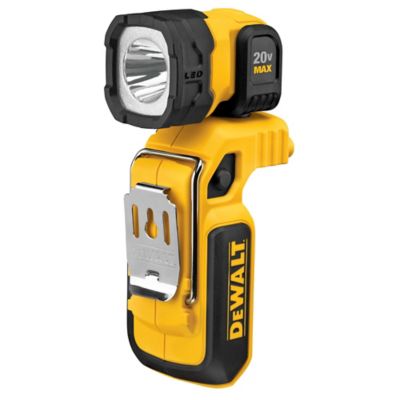
Good visibility and personal protection matter just as much as reach and leverage. An LED work light can brighten the back of an engine compartment, the underside of a truck, or the dark corner behind a dashboard, while a headlamp keeps both hands free when you are tracing a wire or lining up a fastener. Look for lighting that is easy to aim, comfortable to carry, and sturdy enough for a shop environment where it may pick up a little grease and dust. Safety glasses help shield eyes from rust flakes, dirt, metal shavings, and unexpected fluid splashes, and nitrile gloves help keep oils, cleaners, and grime off your hands while still allowing a good feel for small parts. A mechanic creeper can make work beneath a vehicle more manageable by providing a smoother way to move across the floor, especially when a repair takes more time than expected. Check the available clearance before choosing one, and consider padding, wheel movement, and how easily it can be stored when the job is done. Electrical and diagnostic accessories are useful for tracking down problems before replacing parts. An OBD-II code reader can help identify trouble codes from a compatible vehicle, giving you a starting point when a warning light comes on. A multimeter can check battery voltage, continuity, and other electrical readings, but it should be used with care and with the vehicle’s service information in hand. A dependable tire pressure gauge is another small accessory that earns its place in any garage. Correct inflation supports handling, tire wear, and fuel efficiency, and it is worth checking before a long haul, a change in weather, or a stretch of demanding work around the property.
When choosing accessories for mechanics, think about the kind of work the person does, the vehicles or equipment they service, and the space where repairs usually happen. A compact roadside kit may call for lightweight tools, a small light, gloves, and diagnostic basics that fit neatly behind a seat. A home garage may have room for larger storage solutions, a creeper, extra lighting, and a broad selection of extensions, adapters, pliers, and pry tools. For farm trucks, trailers, lawn equipment, and utility vehicles, look for accessories that can stand up to dust, mud, vibration, and the occasional hurried repair before chores begin. Drive size and compatibility are important when adding socket accessories, so match extensions, adapters, and universal joints to the ratchets and sockets already in the toolbox. Comfortable handles, readable markings, corrosion-resistant finishes, and secure storage can make everyday use easier, particularly for someone who works with tools for hours at a time. During the warmer part of the year, these accessories can help with maintenance before busy travel, hauling, and outdoor work, while during the cooler months they are useful for keeping vehicles and equipment ready when daylight is shorter and breakdowns are less convenient. A few well-chosen additions can turn a scattered collection into a more capable setup, whether the goal is changing a tire, checking a battery, reaching a buried fastener, or keeping a work truck in service. For more ideas when building out a practical repair setup, visit
Tool For Mechanic and explore accessories suited to the way you work.