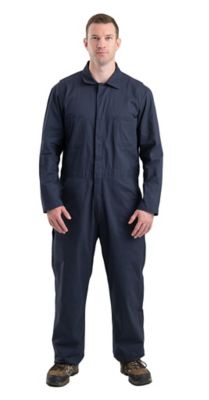
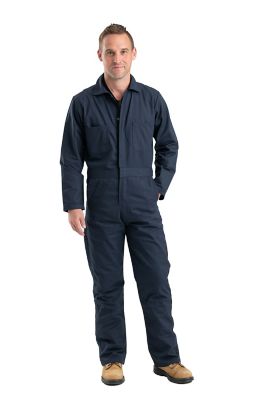
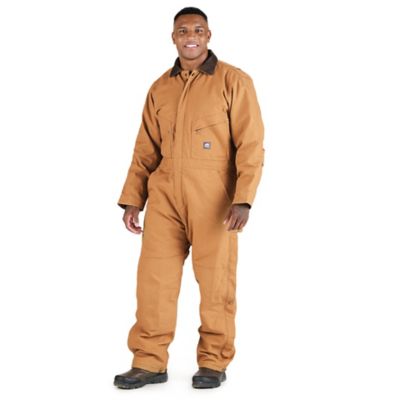
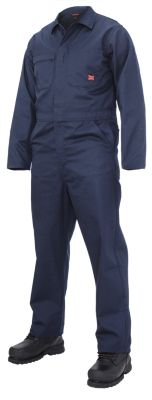
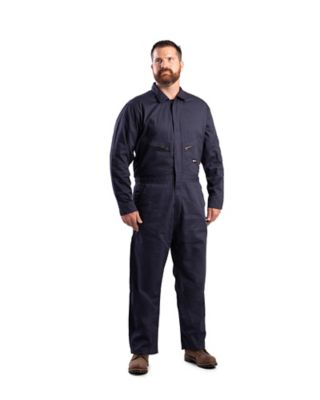
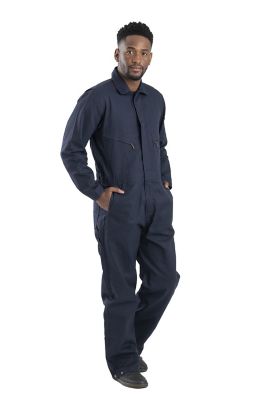
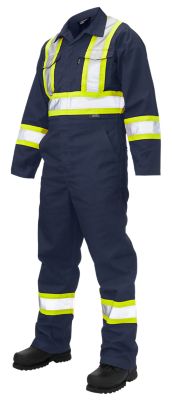
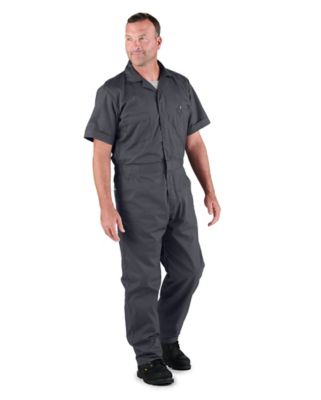
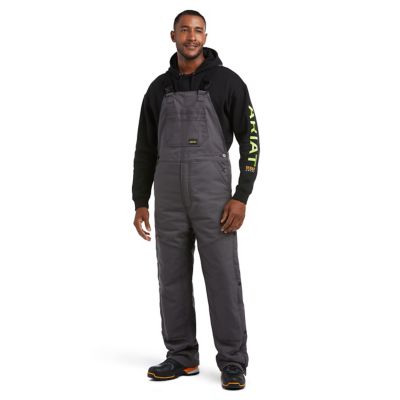
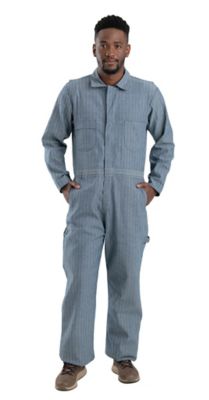
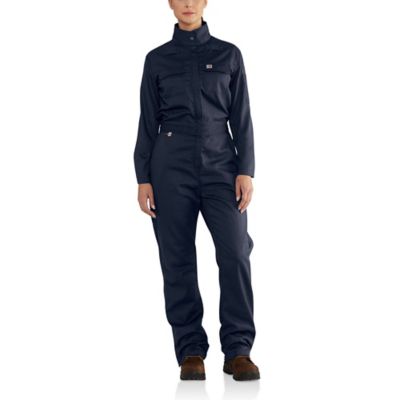
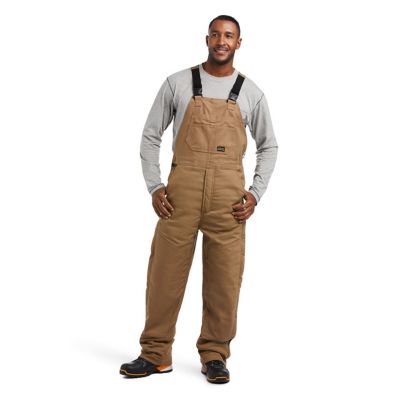
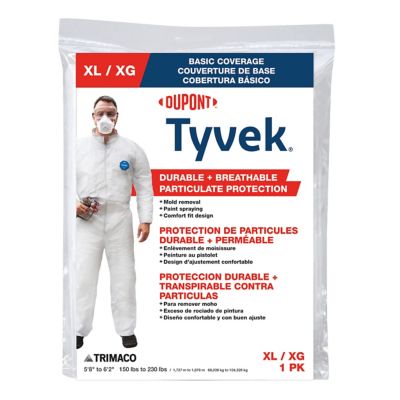
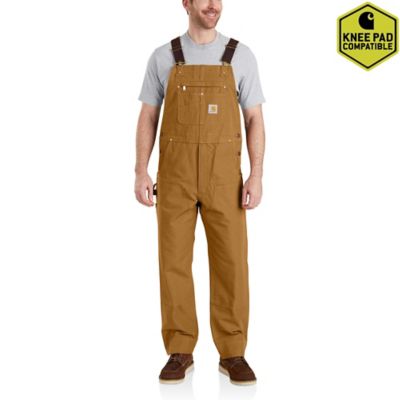
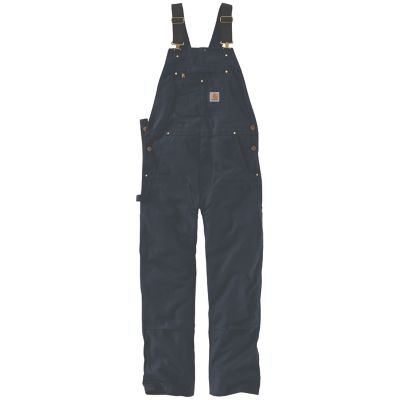
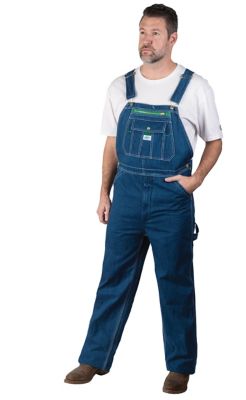
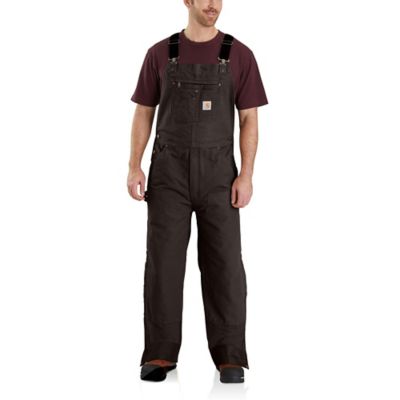
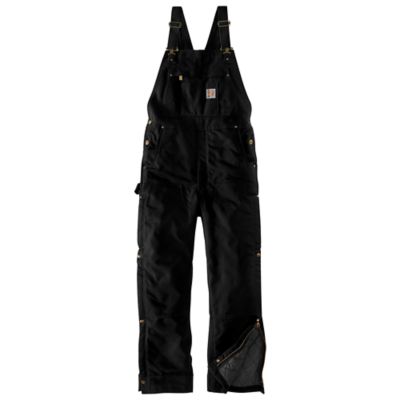
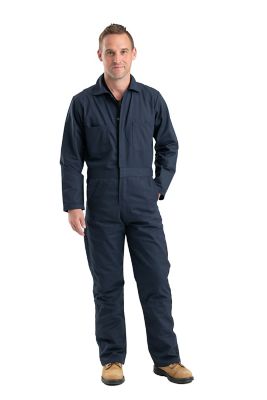
Mechanic coveralls are made for the kind of work that leaves a mark on your clothes and a little grit under your fingernails. They give working folks a practical layer for turning wrenches, checking equipment, servicing trucks, or handling chores around the farm, shop, garage, and homestead. Instead of putting your everyday shirt and jeans in the line of fire, coveralls help keep dust, grease, oil, mud, and other messes from settling into the clothes underneath. They can also add a bit of protection from rough surfaces, chilly drafts, and the occasional scrape when you are leaning over an engine bay or reaching around machinery. Many people wear them while working on tractors, trailers, lawn equipment, generators, and other vehicles, while others keep a pair handy for welding, fabrication, building repairs, or general maintenance. During the cooler months, coveralls can be pulled over a base layer or work shirt without making it harder to move, which is useful when a repair starts early in the morning and the shop has not warmed up yet. For outdoor work, look for a comfortable fit that leaves room to bend, kneel, climb, and reach without pulling across the shoulders or waist. A two-way zipper or sturdy front closure can make it easier to get dressed over other work clothes, while adjustable cuffs and a secure collar help keep out dust, sawdust, and cold air. Roomy pockets are handy for gloves, a small flashlight, a pencil, fasteners, or a phone, though it is still smart to keep sharp tools in a proper tool belt or pouch. Coveralls should feel comfortable enough for a full day of work but not hang so loose that they catch on handles, moving parts, or corners around the shop. Check the sizing details and think about what you will wear underneath before choosing a size, especially if the coveralls will be used over a sweatshirt or heavier layers.
When comparing mechanic coveralls, pay attention to the fabric, stitching, closure, and overall construction rather than choosing by appearance alone. A sturdy cotton blend can offer a good balance of comfort, durability, and easier care, while a heavier fabric may stand up well to repeated use around rough equipment and workbenches. Some work settings call for a breathable material that feels less bulky during long hours, while others make a tougher, more substantial pair worthwhile. Reinforced stress points, dependable snaps or zippers, and well-sewn pockets can make a noticeable difference after repeated washing and wear. Think about the jobs that fill most of your day. Someone who spends hours under pickup trucks may appreciate flexible fabric and plenty of movement through the back and knees. A small-engine mechanic may value easy access to pockets and a front closure that opens smoothly. For farm work, a comfortable cut and fabric that handles regular washing can matter as much as extra storage, since coveralls may be worn while servicing a baler one day and fixing a gate or water line the next. If the work involves sparks, chemicals, or other specialized hazards, make sure the garment is appropriate for that task and follow all safety requirements; coveralls are useful workwear, but they are not a substitute for task-specific protective equipment. Color can be practical, too. Darker shades may help hide grease and shop dust between washes, while lighter colors can make it easier to spot certain stains or debris. Before buying, consider whether the coveralls will be worn mostly indoors, outdoors, or in a mix of both, and whether they need to fit over layers as temperatures shift. It is also worth checking the care instructions. Work clothes last longer when stains are treated promptly, closures are fastened before washing, and garments are cleaned according to the manufacturer’s directions. Keeping a dedicated pair near the garage or barn can save time and help prevent a last-minute scramble when a repair pops up.
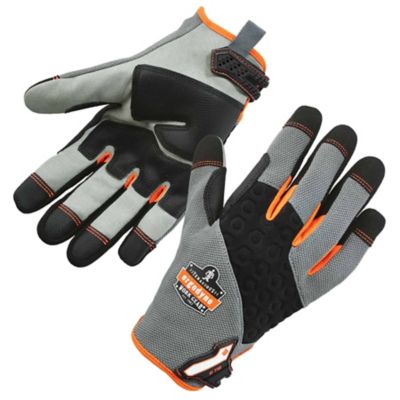
Mechanic coveralls can be a useful gift for the person who is happiest with a project spread across the workbench, from a seasoned mechanic or equipment operator to a new homeowner learning how to keep things running. They also make sense for farm families, weekend restorers, maintenance crews, vocational students, and anyone who spends free time rebuilding an old vehicle or keeping a fleet of outdoor equipment in shape. A practical gift does not have to be fancy to be appreciated; a well-fitting pair of coveralls can become the garment someone reaches for whenever the toolbox comes out. Pairing them with dependable work gloves, a shop towel, or
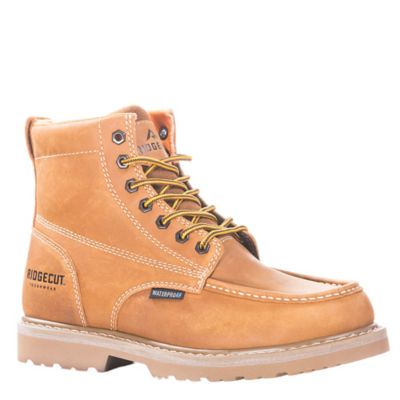
Shoes For Mechanics can round out a useful workday setup without getting in the way of personal preferences. For everyday care, shake out loose dirt before washing, rinse away heavy grime when possible, and avoid putting heavily soiled workwear in with household clothing. Letting coveralls dry fully before storing them helps prevent musty odors, and checking zippers, snaps, and seams from time to time can catch small problems before they become bigger ones. Keep in mind that no work garment stays spotless around grease, gravel, and livestock areas, and that is part of the reason mechanic coveralls earn their place in the closet. They are built to take on the mess so your regular clothes do not have to, whether you are making a quick adjustment before chores, spending a long afternoon under a hood, or handling repairs while the wind picks up outside. Choose a pair that matches the work, fits comfortably over the layers you normally wear, and has the durability to keep pace with the jobs waiting in the garage, barn, or shop.