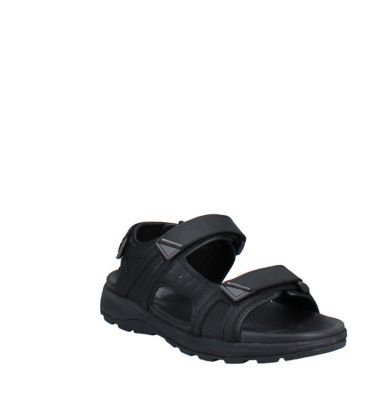
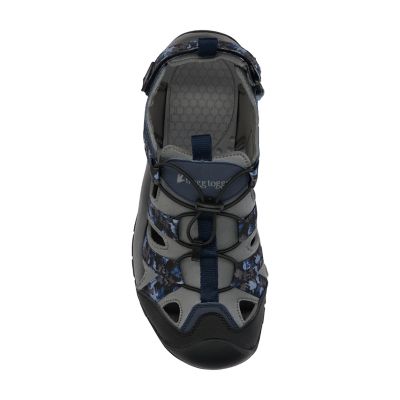
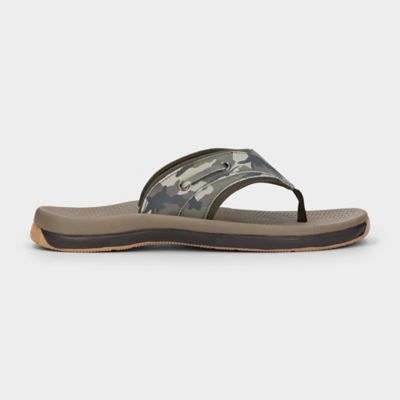
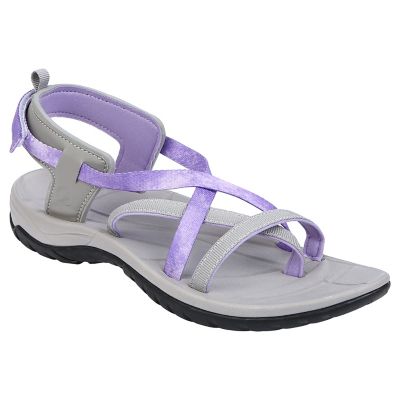
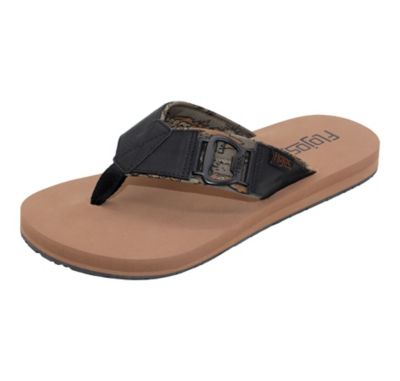
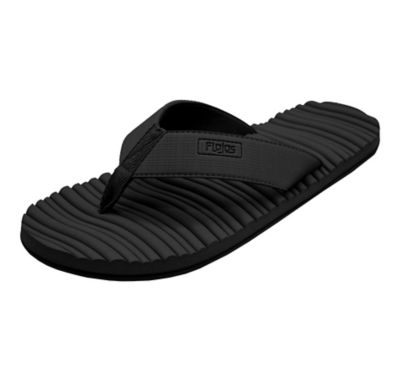
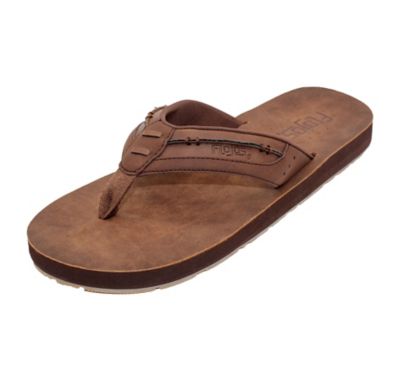
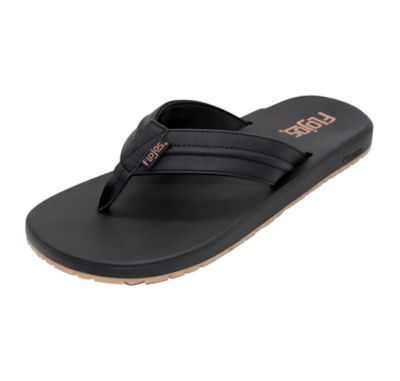
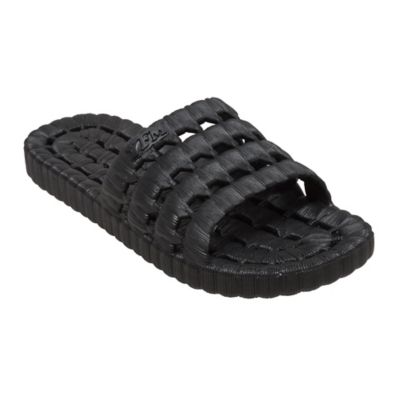
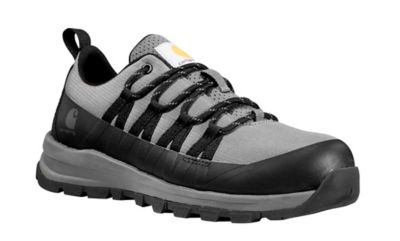
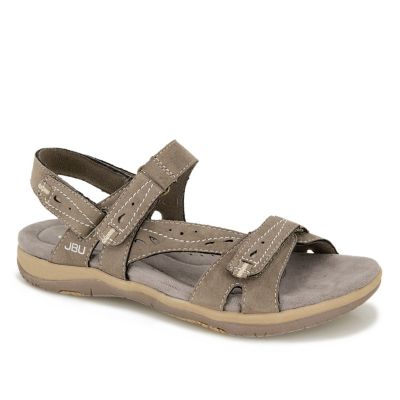
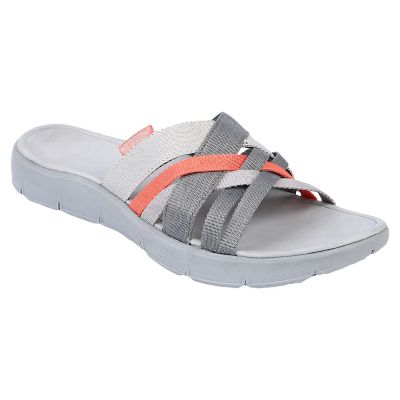
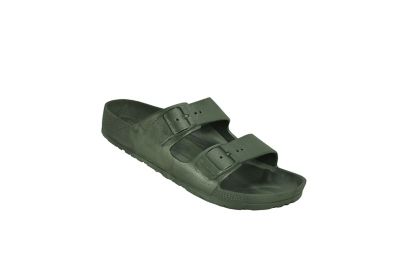
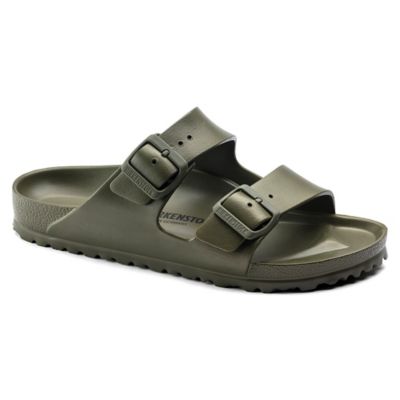
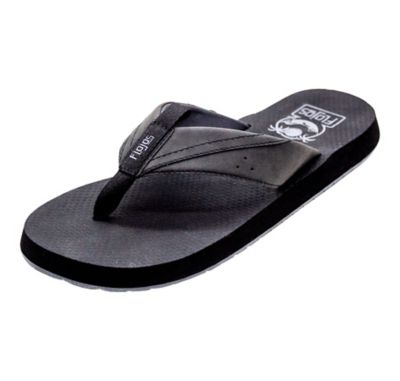
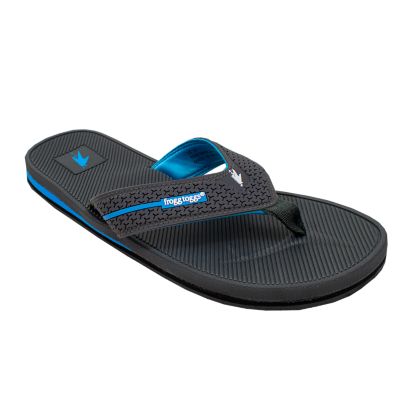
Men’s hiking sandals are a handy choice when you want more airflow than a traditional hiking shoe without giving up the grip and support needed on the trail. They work well for warm-weather hikes, creekside walks, campsite chores, travel, fishing trips and easygoing days spent exploring back roads or public land. Many folks also keep a pair by the door for quick trips outside, especially when the ground is dry and the weather is mild. Open designs let water drain and air move around your feet, which can be a real comfort after crossing a shallow stream or walking dusty trails. Look for a sturdy outsole with deep, multidirectional rubber lugs that can bite into loose dirt, gravel, mud and slick rocks. A tread pattern that feels dependable underfoot matters more than a smooth, casual sole when you are climbing a bank, stepping across uneven ground or carrying a small pack. Some hiking sandals have a closed toe or reinforced front that helps shield your toes from roots, pebbles and stray branches, while open-toe styles offer more ventilation and freedom of movement. Think about the places you normally walk before choosing between them. A simple open sandal may be plenty for level paths and campgrounds, while rocky riverbeds, steep trails and rough wooded terrain call for a more protective build.
A good fit starts with a footbed that holds your heel steady and supports your arch without feeling hard or awkward. Contoured midsoles can help spread pressure across your foot and provide a little protection from sharp stones underfoot, which is especially helpful during long walks. Cushioning should feel comfortable but not so soft that your foot rolls around when the trail turns uneven. Adjustable straps are just as important as the sole. Secure buckles, hook-and-loop closures or wraparound webbing can help keep the sandal from sliding sideways on an incline, and they make it easier to fine-tune the fit as your feet swell during a full day outdoors. Straps should sit smoothly against your skin without rubbing at the heel, across the top of the foot or between the toes. If you plan to wear hiking sandals without socks, pay close attention to seams, edges and padding. If you prefer socks during cooler mornings or around camp, leave enough room for them without making the sandal loose. Try them on late in the day, when feet are often at their largest, and walk on a firm surface to check for heel lift, pinching and pressure points. A little room in front of the toes is useful on downhill sections, but too much space can let your foot slide and make a strap work harder. Durable webbing, strong stitching and a sole that flexes where your foot naturally bends can help a pair hold up through repeated use. Quick-drying materials are useful around creeks and wet grass, while sturdy synthetic components are easy to brush clean after a dusty trail. For extended hikes, pay attention to the overall weight as well; a lighter sandal can feel welcome after several miles, but a slightly more substantial design may offer better protection on rough ground.
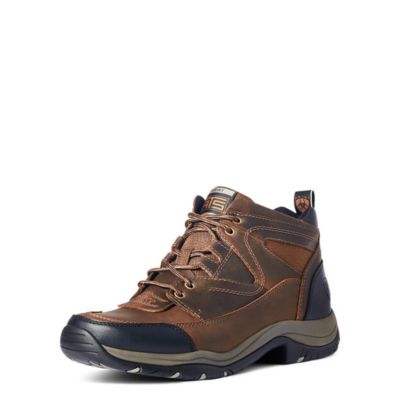
Men’s hiking sandals can make a practical gift for someone who enjoys camping, kayaking, fishing, gardening, travel or relaxed outdoor time. They are especially useful for a person who spends the day moving between a trail, a boat ramp and a campsite, where wet feet and muddy ground are part of the routine. A gift giver can make a better choice by considering the recipient’s usual terrain, whether he prefers an open or closed toe, and whether he needs a roomy fit or more structured support. Keep in mind that sandals are not a substitute for insulated footwear during freezing conditions, deep snow or icy trails. As the weather shifts through the cooler months, they may still earn their keep indoors, around the barn, at camp or on mild days, while a protective hiking shoe is often the safer pick for cold, wet and rocky outings. For a more covered option, browse
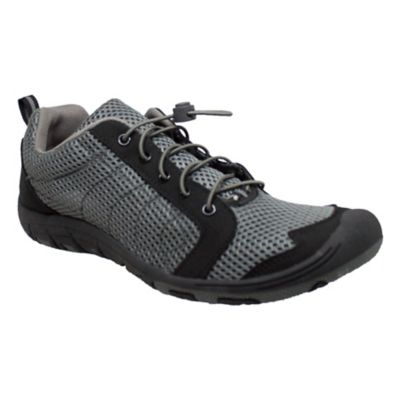
Men's Black Hiking Shoes. After a muddy or sandy outing, rinse hiking sandals with clean water, shake out grit and let them dry fully away from intense direct heat. Check the straps, buckles and tread from time to time, since worn closures or smooth spots on the sole can affect stability. With the right traction, a secure fit and support matched to the trail, men’s hiking sandals can be a comfortable part of an outdoor setup from easy morning walks to long days exploring creeks, fields and wooded paths.