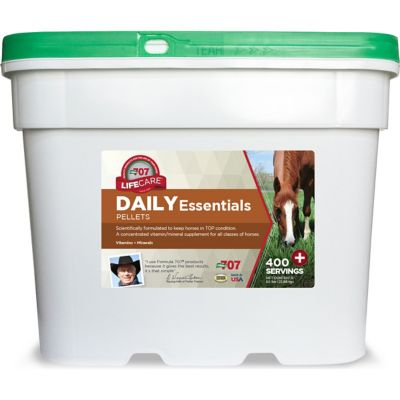
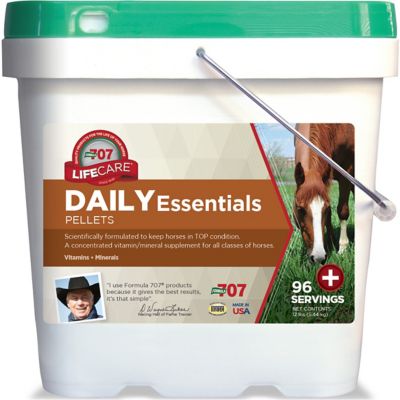
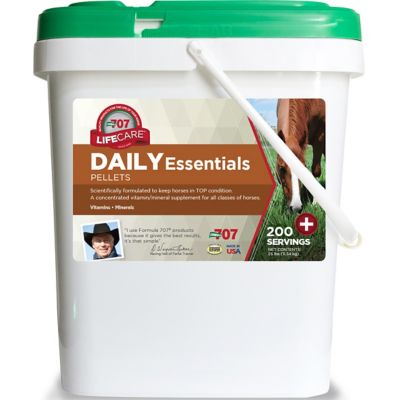
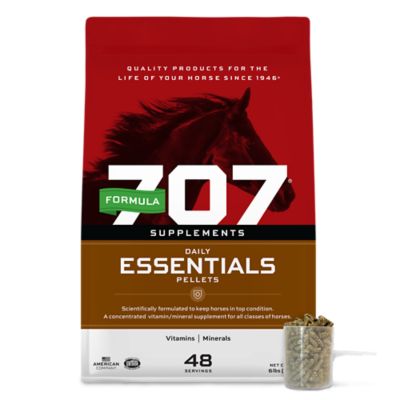
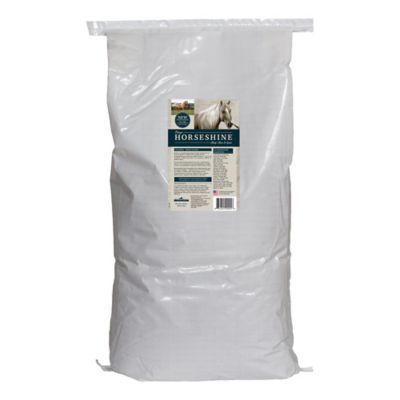
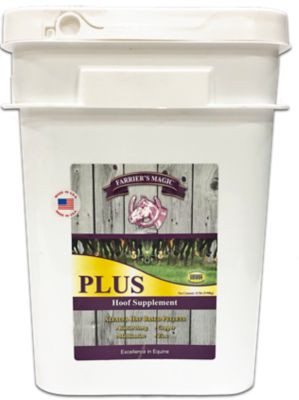
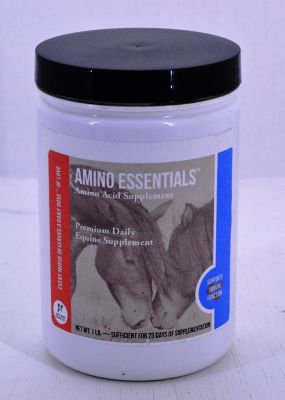
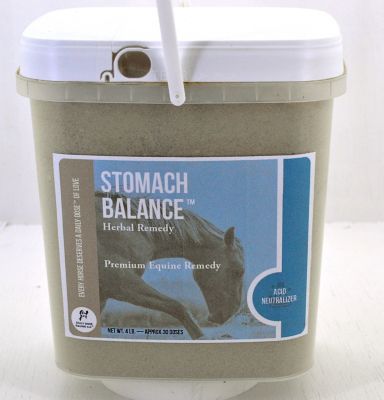
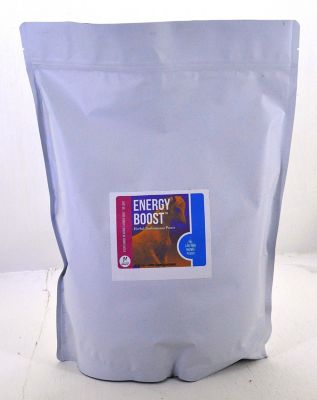
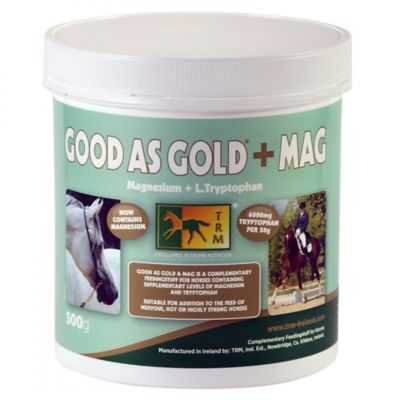
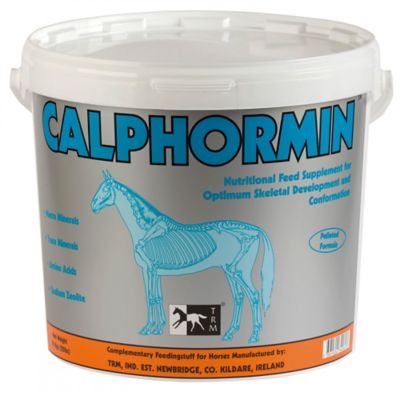
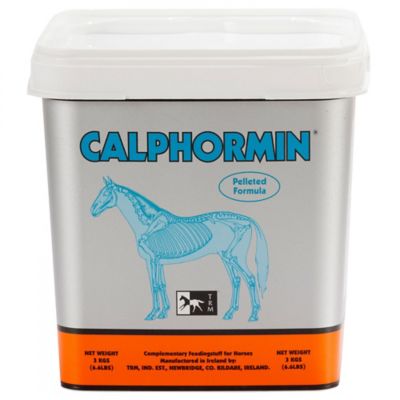
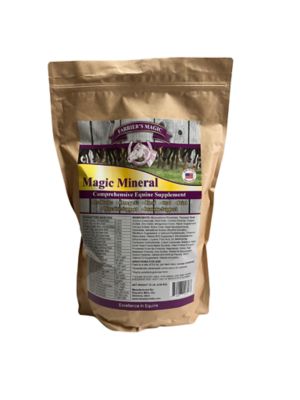
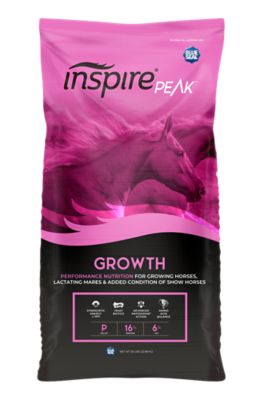
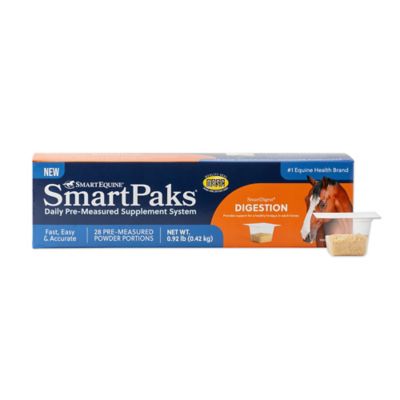
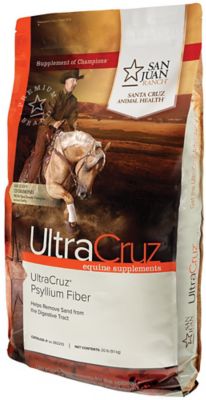
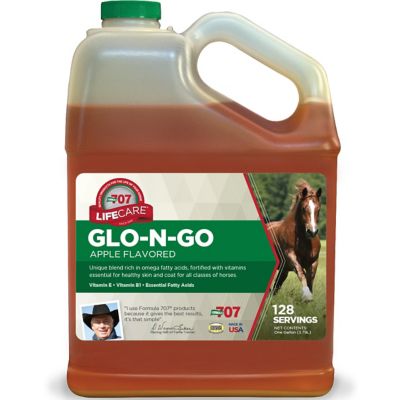
Foal supplements can help fill nutritional gaps during the earliest stages of a young horse’s life, when steady growth and a well-balanced diet matter most. A foal’s needs change quickly from birth through weaning, and the right support depends on age, breed, size, nursing status, forage quality, and the mare’s milk supply. Some foal supplements are designed for everyday growth support, while others are intended for short-term use during digestive upset, stress, travel, or a major change in feed. Common categories include complete vitamin and mineral blends, bone and joint support, trace mineral formulas, digestive aids, and milk replacer or milk-replacer additives for orphaned, rejected, or compromised foals. Look for nutritional support that supplies important vitamins such as A, D, and E, along with B vitamins where appropriate, and amino acids such as lysine that help support muscle and tissue development. Calcium and phosphorus deserve close attention because young horses need these minerals in the proper balance for healthy skeletal development; adding a single mineral without considering the rest of the ration can create an imbalance. Copper and zinc are also important trace minerals for cartilage, connective tissue, coat quality, and normal growth. A foal supplement should complement good-quality mare’s milk, forage, and properly formulated feed rather than serve as a substitute for a complete feeding program. Before choosing one, check the feeding directions, serving size, age recommendations, ingredient list, and whether the formula is meant for daily use or occasional support. It is also wise to compare the supplement with the mare’s feed and any creep feed the foal already receives, since doubling up on vitamins or minerals may do more harm than good. During the warmer part of the year, clean water, shade, and careful feed storage help protect both mare and foal from dehydration, spoiled ingredients, and unnecessary digestive stress. As cooler weather arrives, pasture quality may change, making a nutritional review especially useful. A veterinarian or equine nutrition professional can help evaluate body condition, growth rate, manure consistency, hoof development, and the full ration before a new supplement is introduced. Keeping a simple record of what the foal eats and how it responds can make those conversations more productive and help avoid making several feed changes at once.
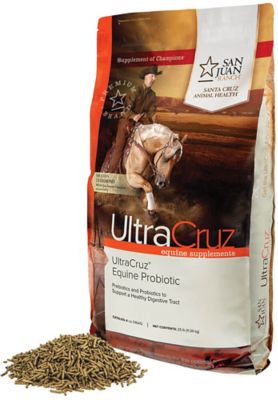
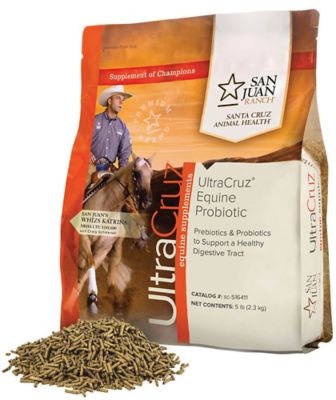
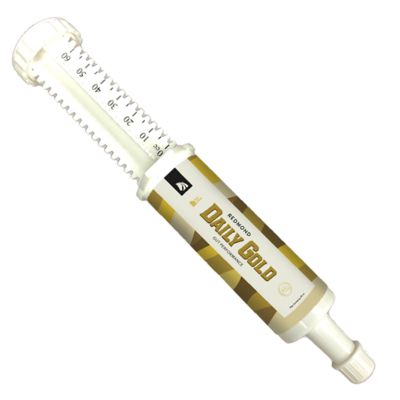
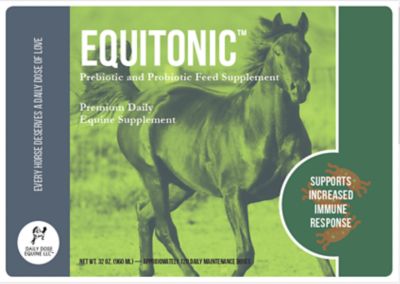
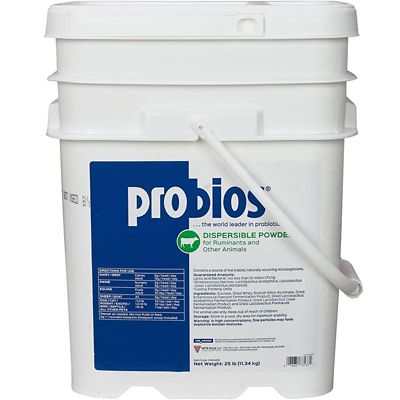
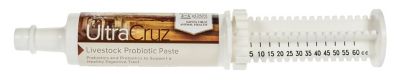
Digestive support is another common reason horse owners shop for foal supplements. Young foals have sensitive digestive systems, and changes such as first turnout, creep-feed introduction, weaning, hauling, or separation from the mare can affect manure consistency and appetite. Prebiotics, probiotics, yeast-based ingredients, and other gut-support formulas may help maintain a healthy digestive environment, but they should be selected for the foal’s age and used according to the label. Products intended to bind unwanted substances or manage occasional loose manure are generally short-term tools, not replacements for finding the underlying cause. Diarrhea, weakness, depression, fever, poor nursing, dehydration, colic signs, or a foal that stops eating calls for prompt veterinary attention, especially in a newborn. Milk replacer and specialized neonatal nutrition products can be valuable when a mare cannot provide enough milk, but bottle- or bucket-feeding a foal takes careful technique and a consistent schedule. Mixing instructions, water temperature, sanitation, and portion size all matter, and sudden changes can upset an already delicate gut. Many owners keep basic foal-care supplies on hand before foaling season because problems rarely show up at a convenient time; having the right nutrition support available can make a stressful night more manageable while professional help is arranged. Foal supplements can also make a thoughtful gift for a new horse owner, breeder, rescue volunteer, or farm family preparing for a new arrival, particularly when paired with practical items such as a clean feed scoop, storage container, or grooming supplies. For anyone raising other young livestock, it can be helpful to explore related nutrition options, including
Sheep Supplements, while remembering that species-specific formulas are not interchangeable. Store supplements in a cool, dry place with the lid secured, follow expiration dates, and use a clean scoop to keep moisture and barn dust out of the container. Whether the goal is to support bone development, provide balanced vitamins and trace minerals, encourage a healthy gut, or assist with neonatal feeding, the best choice is one that fits the foal’s complete diet and current stage of growth. Steady observation remains one of the most useful tools on the farm: a bright eye, willing appetite, firm manure, smooth coat, sound movement, and gradual growth are encouraging signs, while any sudden change deserves attention.