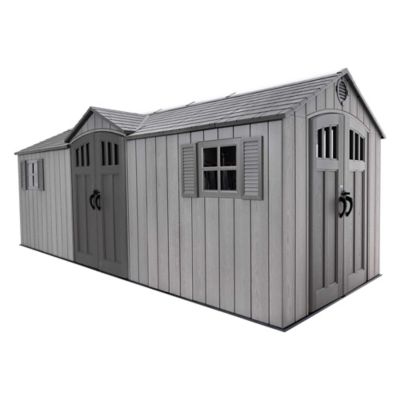
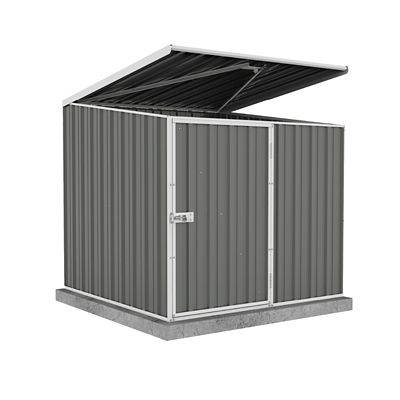
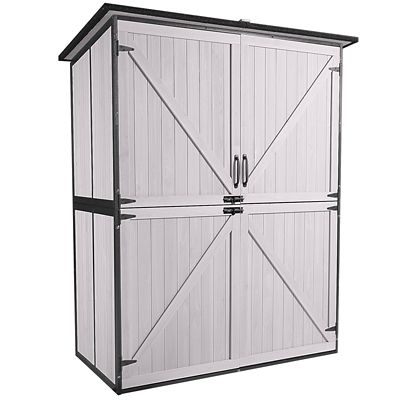
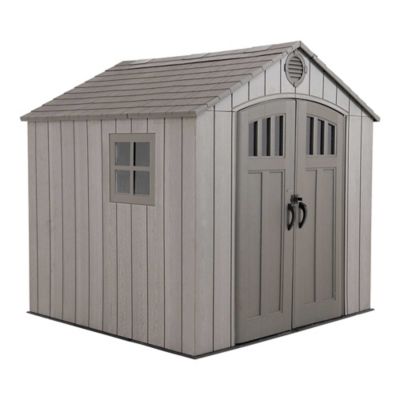
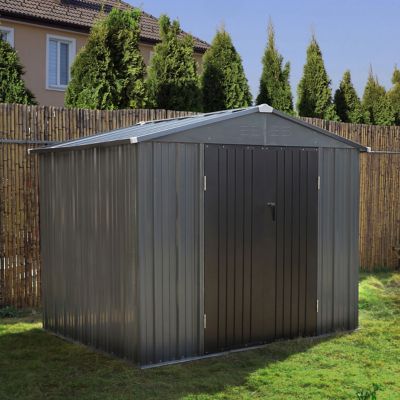
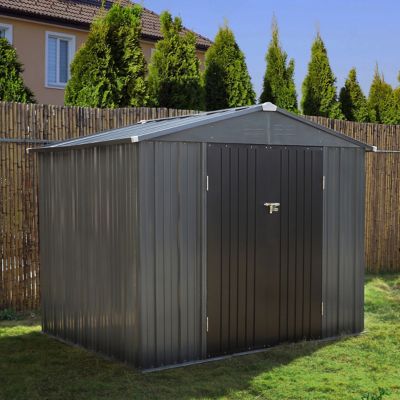
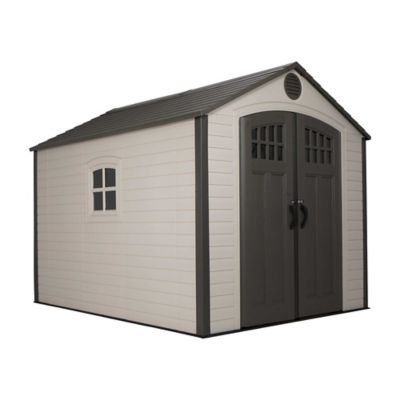
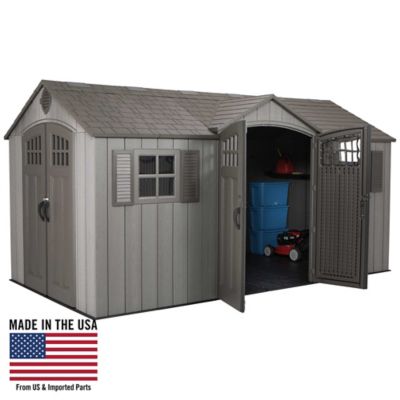
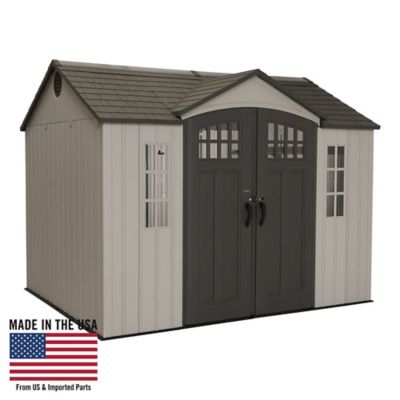
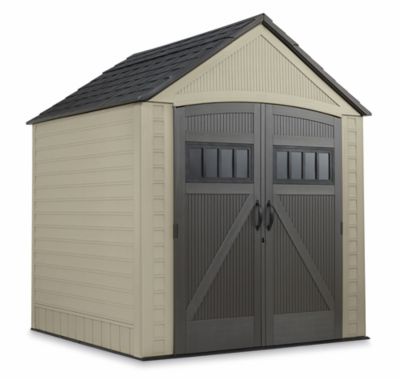
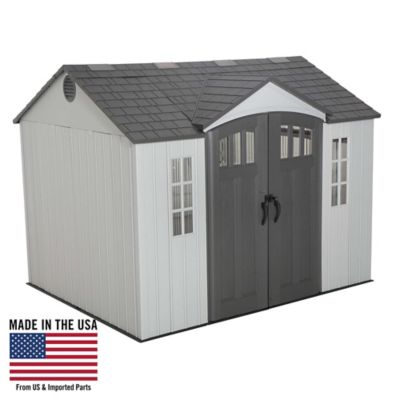
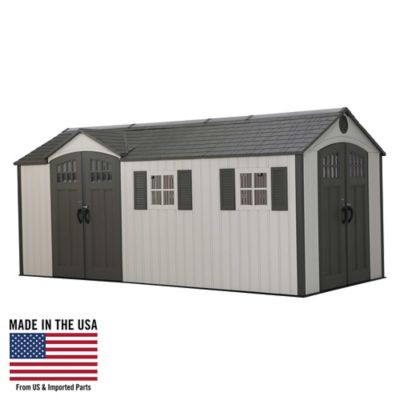
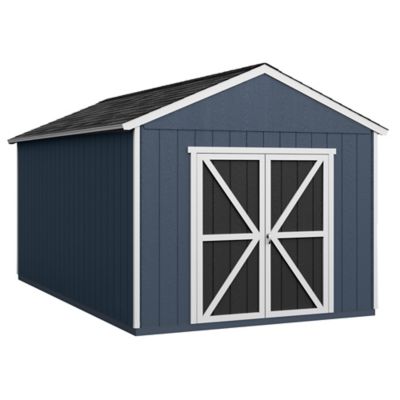
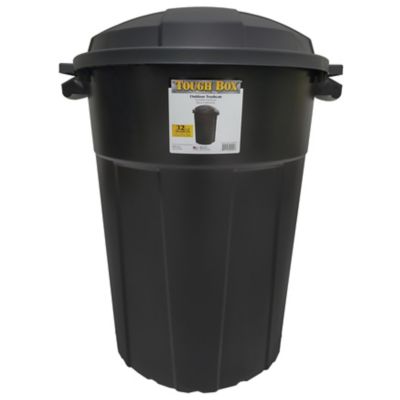
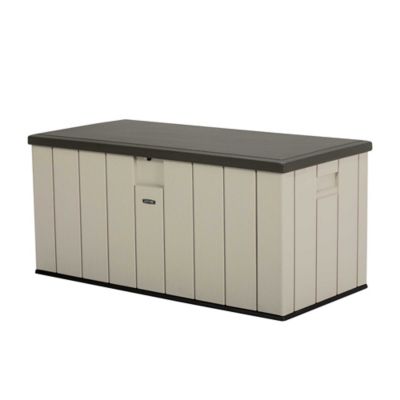
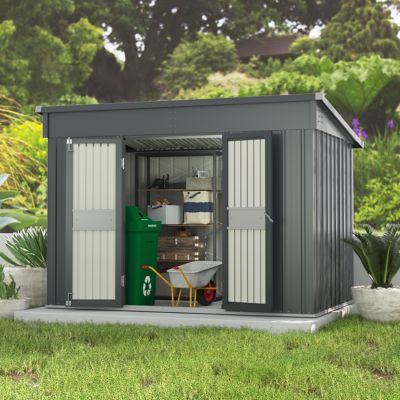
Sheds for trash cans offer a tidy way to keep rolling bins tucked beside the house, garage, barn, or fence line instead of leaving them in plain view. A well-sized enclosure can help keep lids from blowing open, prevent cans from tipping across the driveway, and give the area around your home a cleaner, more finished look. It can also add a little peace of mind when raccoons, stray dogs, neighborhood cats, or other critters are known to nose around after dark. These outdoor enclosures are useful for homeowners, renters with suitable outdoor space, landlords, small businesses, and anyone who wants a better place to keep garbage, recycling, or yard-waste bins between collection days. They can be especially handy on rural properties where wind, wildlife, and long driveways make loose trash cans a regular nuisance. During the warmer part of the year, an enclosure helps keep bins shaded and less noticeable near patios, gardens, and outdoor gathering areas. As the weather turns cooler and windy days become more common, it can help keep empty cans from rolling across the yard or collecting rain and fallen leaves. A trash can shed may also be a thoughtful housewarming gift for someone settling into a new home, updating a rental property, or spending time improving the look and function of an outdoor space. While these sheds are made for practical storage, they do more than hide a couple of bins; they help create a designated spot for an everyday chore that often gets overlooked.
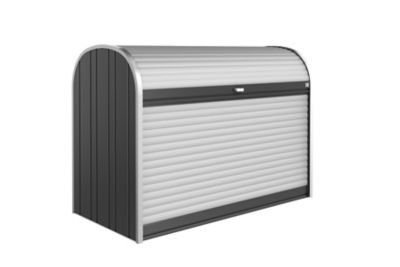
Start by considering how many cans need to fit inside and how much room is needed to use them comfortably. A compact enclosure may be suitable for one standard rolling bin, while a wider design can hold two or three trash, recycling, or compost containers side by side. Measure the total height, width, and depth of the cans, including wheels, handles, lids, and any side hardware, then leave enough clearance for the bins to roll in and out without scraping the enclosure. A tight fit may look neat, but it can turn collection day into a wrestling match, especially when the cans are full. Lift-up top lids make it easier to toss in a bag without opening the whole structure, while front-swinging doors or wide access panels allow the bins to be pulled out for pickup. Some designs include chains, hooks, or other lid connectors that raise the trash can lid when the shed lid is opened, which can be convenient for daily use. A secure latch may discourage animals and other people from getting into the cans, though a latch is not a substitute for following local rules about garbage storage or wildlife-resistant containers. If bears or other large animals are active in the area, check with the local waste service or wildlife office for approved practices. Ventilation also matters. Slits, gaps, or screened openings allow air to move through the enclosure and can help reduce the heavy, stale odor that may build up in a closed space. Good airflow works best when bags are tied securely, liquids are kept out of the bin, and the container is cleaned from time to time. Position the shed on a firm, level surface such as concrete, pavers, compacted gravel, or another stable base. Avoid low spots where water gathers, and leave enough room around the doors for safe access after rain, snow, or a windy day.
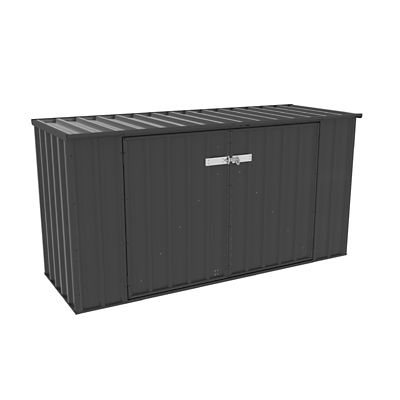
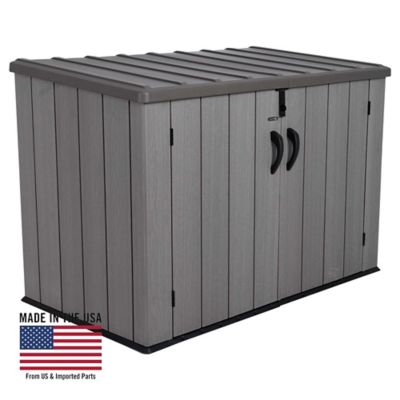
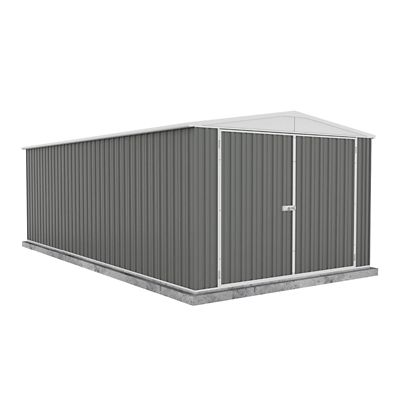
Material choice comes down to the look you want, the amount of upkeep you are willing to handle, and the conditions around your property. Galvanized steel has a straightforward utility look and is valued for its strength, resistance to rust, and ability to stand up to everyday bumps from carts, tools, and outdoor equipment. Resin or other plastic-style construction is lightweight, weather-resistant, and generally easy to rinse clean, making it a practical choice for homes where low maintenance is a priority. Smooth surfaces can also be helpful when mud, spilled food, or other messes need to be washed away. Wood brings a warmer, more natural appearance that can blend with garden beds, porches, barns, and privacy fencing, but it may need paint, stain, or other protection to help guard against moisture, insects, and sun exposure. Whichever material fits your property, look for sturdy hinges, a lid that opens smoothly, doors that do not sag, and hardware suited to outdoor use. Think about the route from the enclosure to the curb or collection point as well. A shed that looks perfect beside the garage will be frustrating if its doors open into a narrow walkway or the bins must be lifted over a step. Keep the path clear of hoses, toys, firewood, and farm tools, and make sure the enclosure does not block utility access, drainage, or a gate. Some homeowners place these sheds behind a fence or near a side entrance, while others choose a spot close to the driveway so collection crews can reach the cans easily. For more outdoor storage ideas that can help organize bulky household and yard items, explore
Horizontal Outdoor Storage Sheds. A properly sized trash can shed will not make garbage disappear, but it can keep the bins upright, covered, and out of the way while giving your outdoor space a cleaner, more organized feel through changing weather and busy seasons.