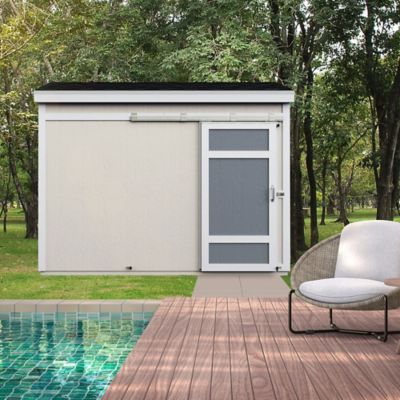
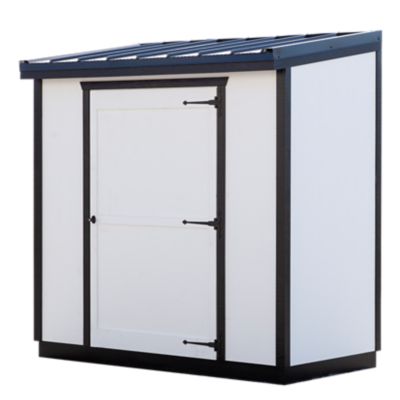
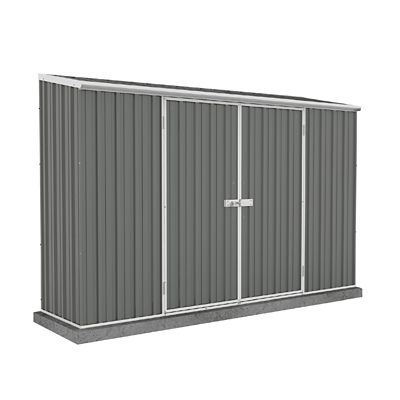
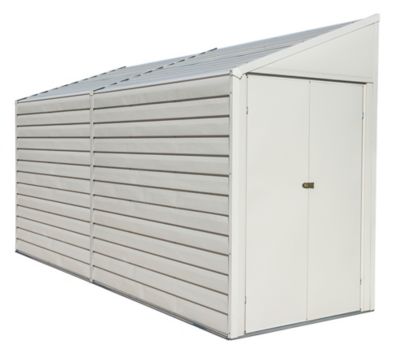
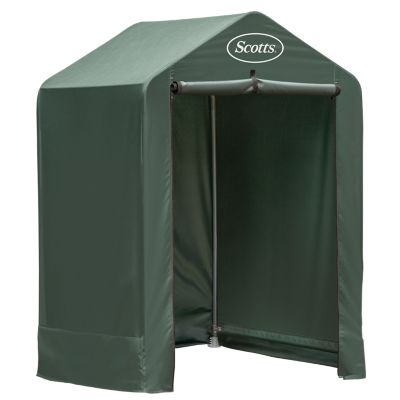
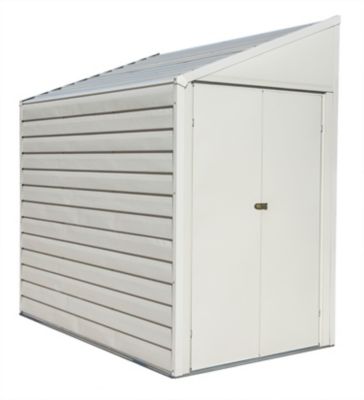
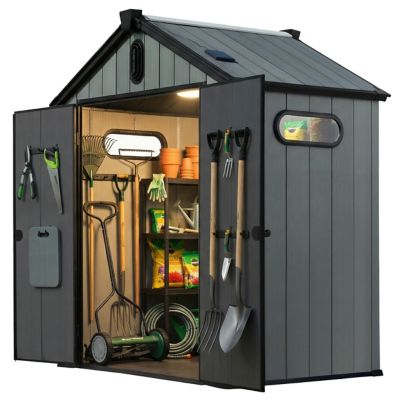
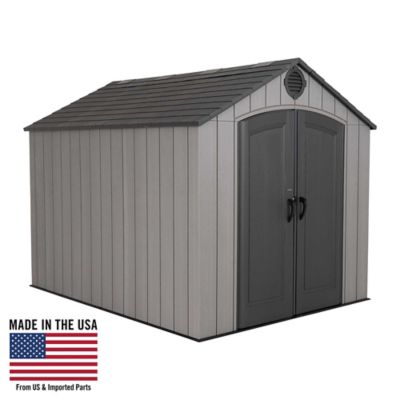
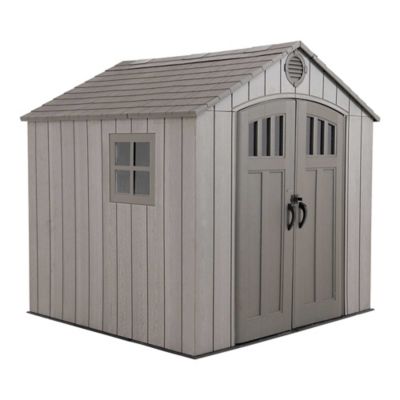
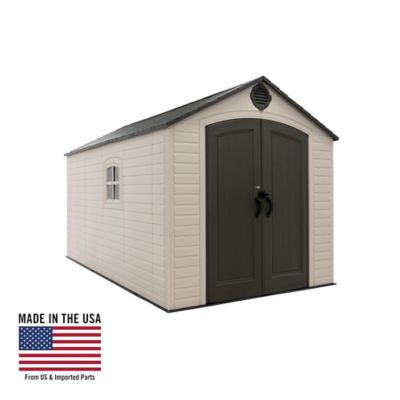
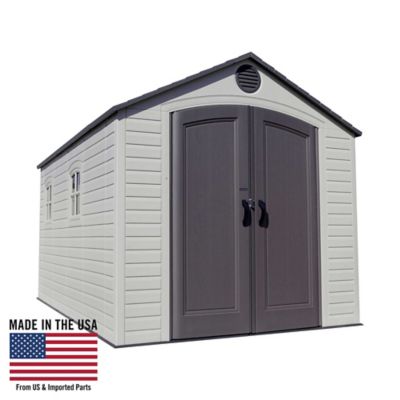
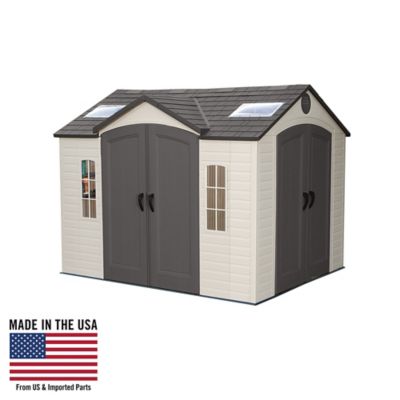
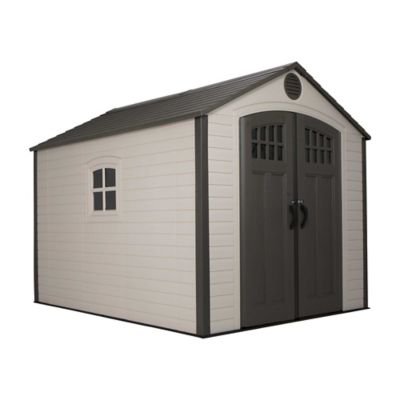
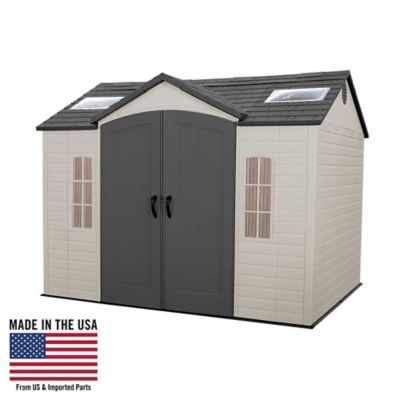
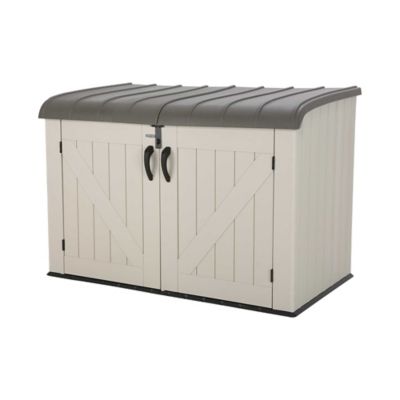
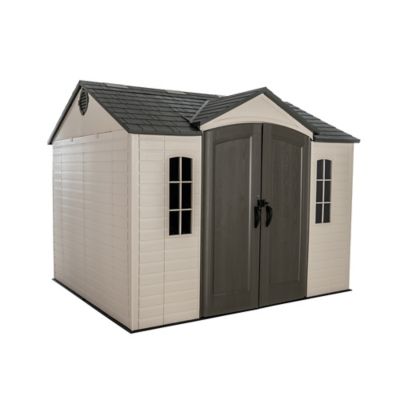
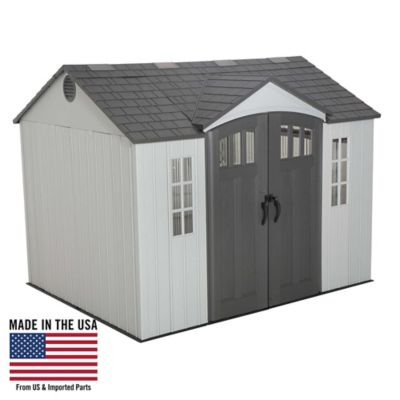
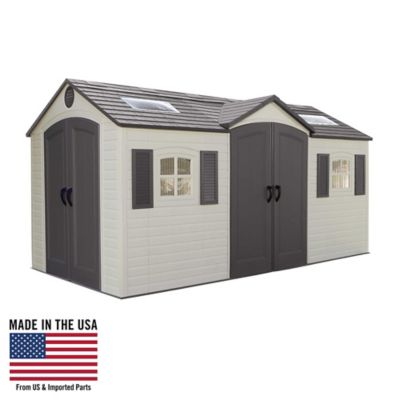
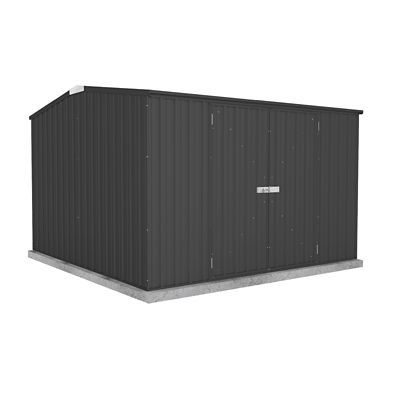
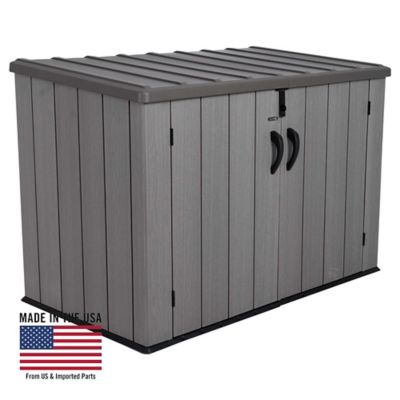
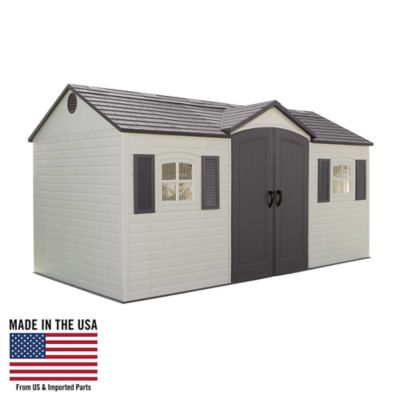
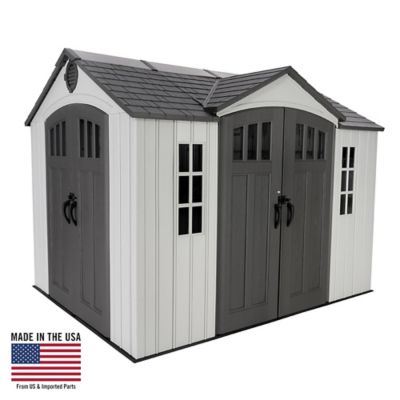
A lean-to shed is often a good fit for the side of a house because its single-sloped roof and compact footprint work well in narrow spaces. It can turn a strip of yard beside the home into a handy storage spot without taking over the backyard. The right fit depends on more than the shed’s advertised width and depth, though. Roof overhangs, handles, trim and the room needed to open the doors all count toward the space it needs. A narrow storage shed can hold long-handled tools, watering supplies and smaller yard equipment while keeping them close to where the work happens. For a household with a crowded garage or no separate workshop, that extra room can make everyday chores a little simpler. Low-profile designs can sit more comfortably beneath nearby windows, while taller models give rakes, shovels and other upright tools room to stand. A shallow shed with wide doors may make more sense than a deeper one when the space between the house and fence is tight. Door placement matters just as much: an end-entry layout needs a clear approach from one direction, while doors along the broad side need opening room across the passage. Double doors can help with wider equipment, but their swing should not block a gate or the route to the backyard. Sliding doors can reduce swing clearance, though their tracks and opening width still deserve a close look. Interior dimensions also matter, since wall thickness and framing can leave less storage room than the exterior measurements suggest. A shed that fits neatly beside the house should still leave access to utility meters, vents, shutoffs and other service points. Property lines, required setbacks and local building rules may affect placement, too. Lean-to describes the roof shape, not necessarily how the structure is supported; some designs stand independently, while others require an approved connection to an existing building. A freestanding shed should not be assumed suitable for wall attachment.
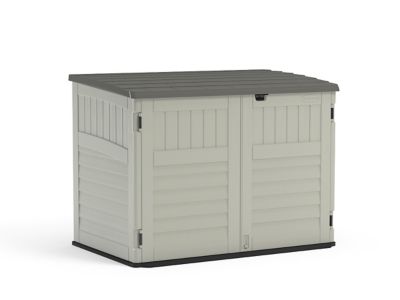
Material choice affects the look of a side-yard shed, the upkeep it needs and how its storage space feels in daily use. Resin sheds generally need no painting and can be cleaned with mild soap and water, following the manufacturer’s care directions. Their molded panels offer a tidy appearance beside siding or fencing, and some designs include integrated supports for compatible shelving. Metal sheds often have relatively thin wall profiles, which can help preserve interior room within a compact footprint. Protective finishes help limit corrosion, but scratched coatings, fasteners and areas near the base need attention over time. Wood sheds bring a familiar outbuilding look and may allow shelving or tool hangers to attach to framing where the design permits. Painted or stained wood needs ongoing finish care, and the lower edges should stay clear of soil and trapped moisture. Across all materials, panel thickness, framing, door construction and the base system matter more than appearance alone. A firm, level foundation helps doors line up and keeps the structure properly supported; the required base and anchoring depend on the shed and the site. Some sheds include a floor, while others need a separate foundation or floor assembly, so the complete setup matters when comparing dimensions and intended use. Flooring should support the weight of the equipment going inside, including concentrated loads from wheels or shelving legs. A low threshold can make it easier to roll equipment through the doorway, while a taller lip may require an approved ramp. Raised floor edges can help separate stored belongings from ground-level dampness, but they do not replace proper site drainage. Vents can help with air movement, and windows or translucent panels can make it easier to spot a tool at the back. Window placement also affects privacy when the shed sits close to a walkway or neighboring property. The best match balances storage needs, upkeep and the amount of space available for getting work done.
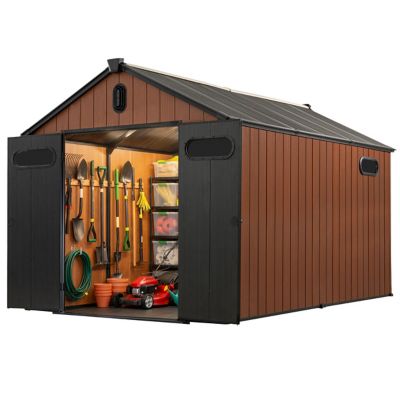
Inside a shed for the side of a house, a little breathing room makes a big difference. Long-handled tools are easier to reach when they have a clear place along the wall rather than leaning across the doorway. Shelves can hold smaller supplies above floor level, provided the walls or framing are designed to carry them. Hooks, rails and racks should match the shed’s approved attachment points and weight limits; not every panel can support a loaded shelf. For gardening households, a compact shed can keep planting supplies and yard tools together without carrying everything through the garage. For folks maintaining a larger property, it can serve as a convenient secondary storage spot near a gate or regular work area. Bikes and wheeled equipment need enough aisle space to come out without unloading everything first. A deeper shed may hold more, but that extra capacity is less helpful if the things at the back are hard to reach. Wide openings, sensible shelf depth and a clear floor path often make a modest footprint work harder. Lockable doors can help control access, although the strength of the hinges, latch and anchoring also contributes to security. Any fuel, chemicals or other restricted materials need storage that follows their labels and local requirements, with access kept away from children and animals. An ordinary storage shed is not automatically suitable for running powered equipment or housing systems that need dedicated ventilation and service clearance. Storage needs elsewhere on the property may also call for a
Shed For Pool Equipment, where the enclosure must suit the equipment and its operating requirements. For everyday upkeep, clear door tracks, sound hinges, secure fasteners and an unobstructed base help a shed stay easy to use. A well-chosen side-yard shed gives tools a home, leaves the passage workable and keeps the next chore from starting with a search through a packed garage.