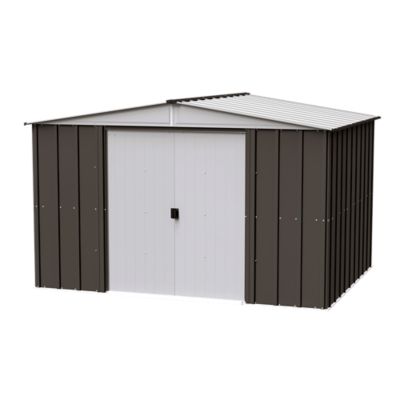
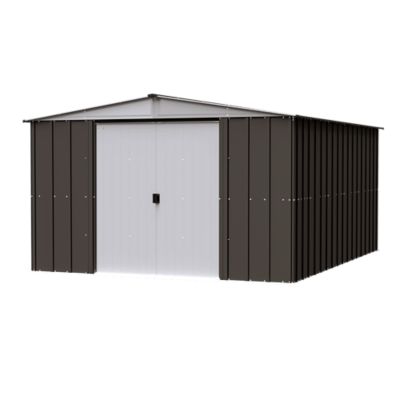
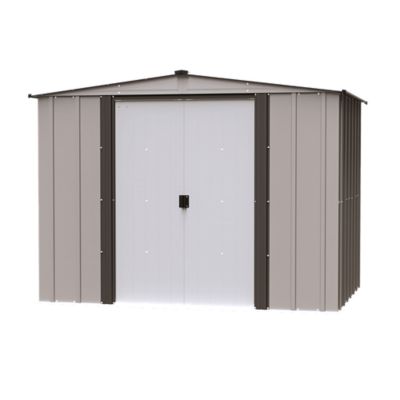
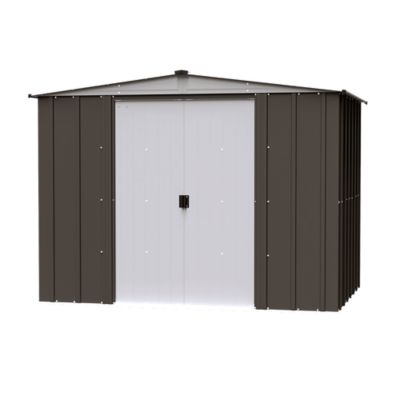
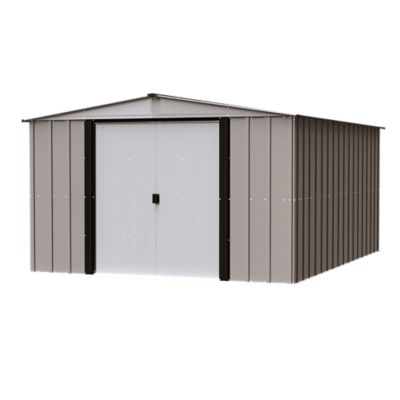
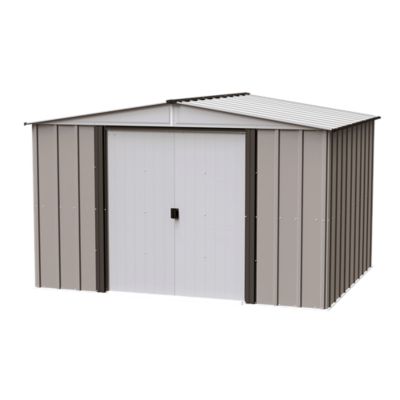
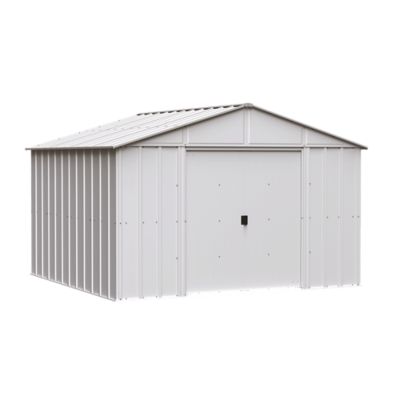
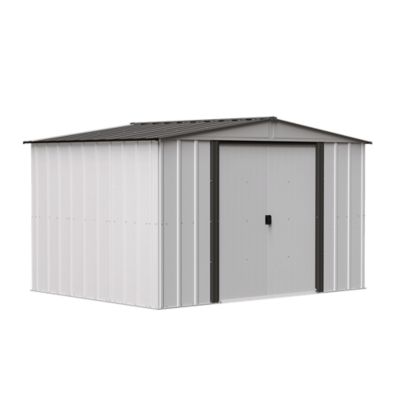
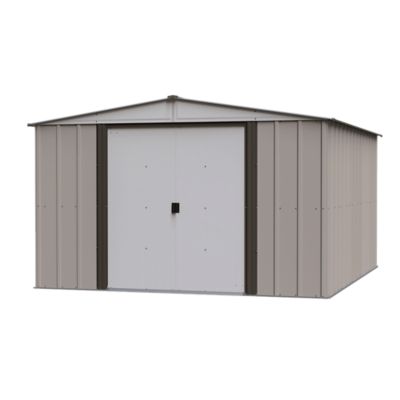
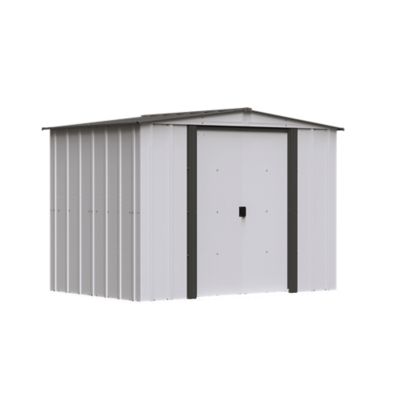
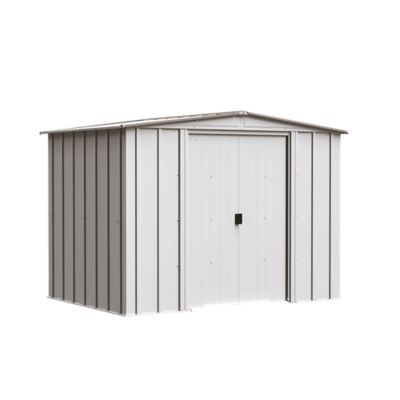
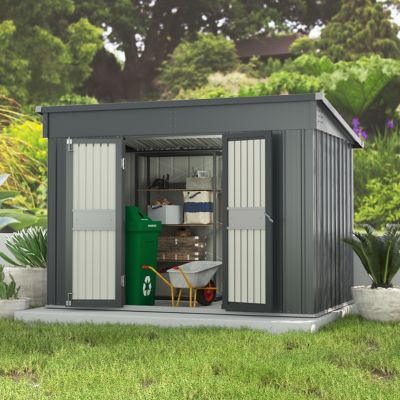
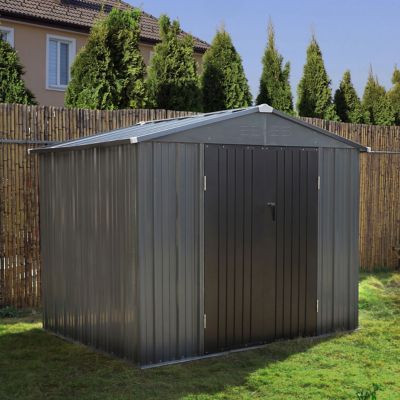
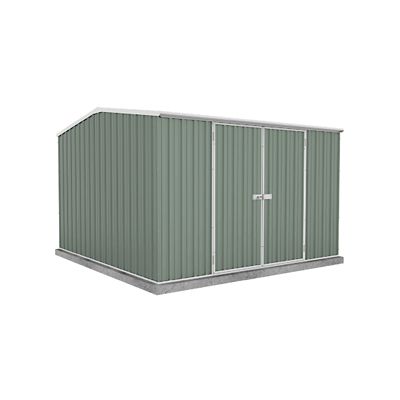
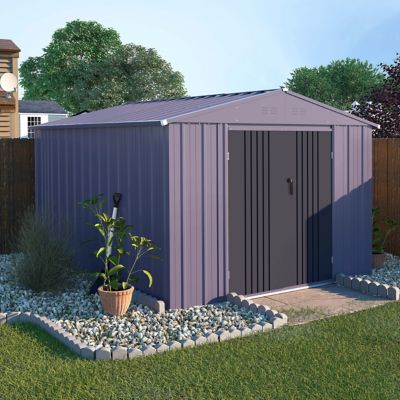
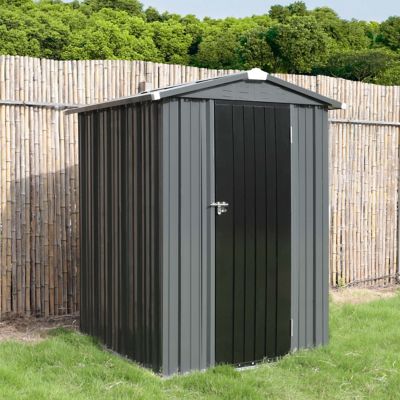
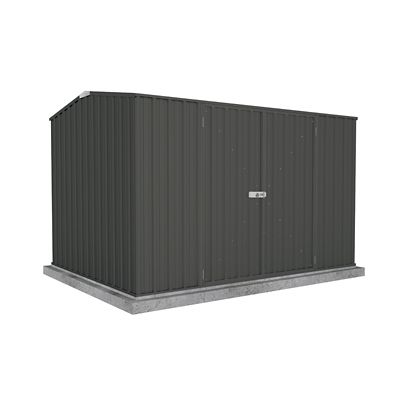
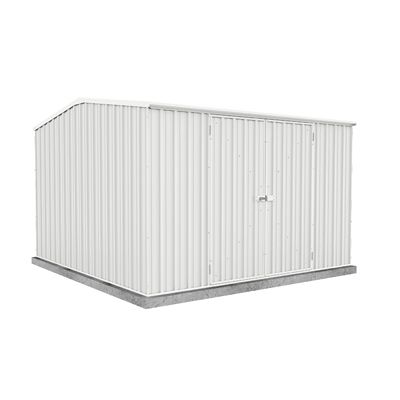
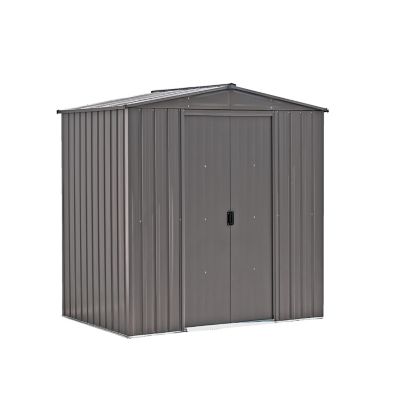
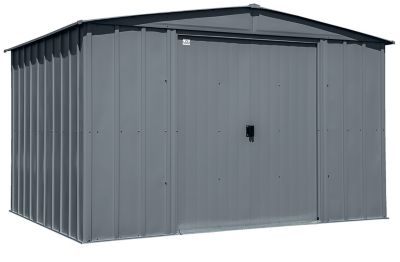
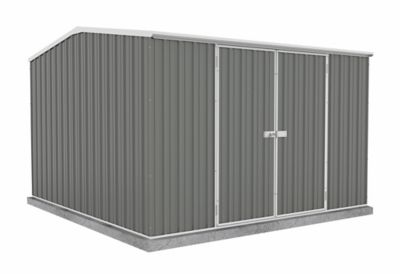
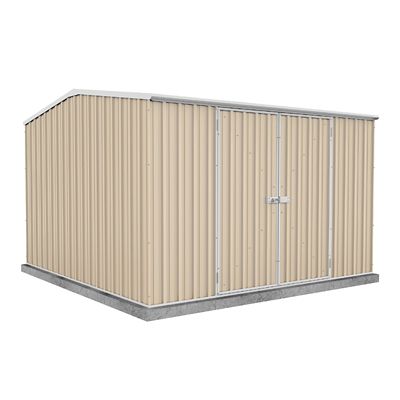
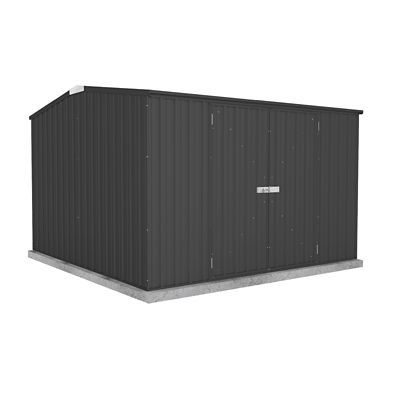
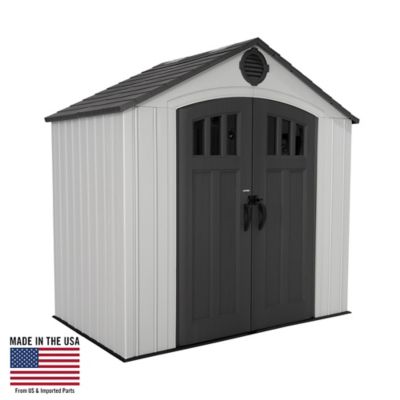
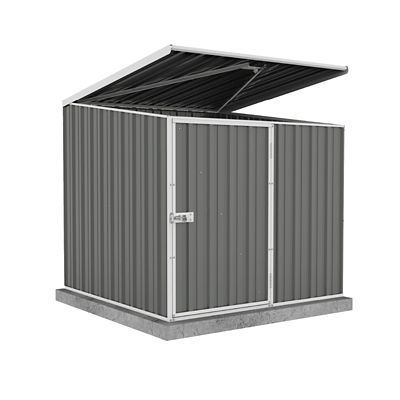
Outdoor metal storage sheds give lawn equipment, garden tools and everyday yard supplies a place of their own without taking over the garage or a corner of the barn. These freestanding storage buildings generally pair metal wall and roof panels with a supporting frame, creating enclosed space for equipment between jobs. Galvanized steel is a common material, with a zinc coating that helps limit corrosion; painted or coated finishes add another layer of surface protection. Panel thickness, frame design and the way the building is anchored all contribute to how the shed holds up over time. Metal does not need staining like a wood exterior, though it still benefits from routine cleaning and attention to scratches, joints and fasteners. For someone tending a vegetable patch, a shed can keep digging tools, garden carts and watering supplies close to the work. On a small acreage, it can separate lawn care gear from equipment that belongs in the barn or workshop. A compact shed may suit long-handled tools and a push mower, while a larger footprint can provide room for a riding mower and a clear path around it. The useful space depends on more than the dimensions listed for the building. Wall shape, roof slope, interior supports and the door opening all affect what fits comfortably. Exterior measurements may include roof overhangs, so the space inside can be smaller than the overall footprint suggests. A mower that fits on the floor still needs enough doorway clearance for its deck, handle or attachments, along with room to roll it into place. Leaving a little breathing room around frequently reached gear makes the space easier to work with than packing every inch from wall to wall. The right fit feels less like another place to pile things and more like a handy extension of the work already happening around the property.
Door style and access make a difference when a shed becomes part of the daily routine. Sliding doors do not require an outward swing area, which can help beside a fence or along a narrow yard path. Hinged doors need clear space in front, while a wide double-door opening can make moving larger equipment less of a squeeze. Threshold height matters, too: a raised entrance can be an obstacle for small mower wheels or a loaded garden cart, and any ramp needs to suit both the equipment weight and the entrance design. Inside, enough headroom near the doorway and along the center aisle makes it easier to carry a rake upright or reach a shelf without ducking beneath a roof brace. For tool-focused setups,
Outdoor Tool Storage Sheds can keep frequently reached gear together instead of scattered between the porch, garage and barn. Long-handled tools fit neatly along a wall when secured on properly supported racks, leaving the middle open for wheeled equipment. Wall-mounted hooks and shelving need attachment points designed to carry their load rather than relying on thin metal panels alone. Heavier supplies belong on a floor or shelf rated for their weight, with a clear route to the door. A shovel needed for a quick fence repair should not be trapped behind three other pieces of equipment. Door placement also affects the layout outside the shed. An entrance facing the work area saves steps, but it still needs room for equipment to approach without clipping a fence post or cutting across a planting bed. Lockable handles or hasps can help control access, although the protection offered depends on the door, frame, hardware and lock together. A tidy layout makes it easier to see what belongs where and notice when something has not made its way back.
A sound base is just as important as the metal shell above it. Outdoor metal storage sheds need a level, properly prepared foundation that matches the building’s requirements, whether that means a concrete slab or another approved base system. Some shed configurations include flooring components, while others require a separate floor or foundation, so that distinction matters when planning the finished space. The base needs to support both the structure and everything stored inside without settling unevenly. Even a small shift can interfere with door alignment or leave gaps where panels meet. Anchoring is a separate consideration from simply setting a shed on a flat surface; the correct attachment method depends on the building, foundation and site requirements. Property lines, utility easements, permit rules and access for assembly can also affect where the structure belongs. A location with good drainage helps keep water from collecting around the base, while the roof’s drainage path should direct runoff away from the entrance and foundation. Ventilation deserves attention because moisture can collect inside an enclosed metal building, particularly when damp equipment goes straight into storage. Vents, a suitable foundation moisture barrier and space for air to circulate can help manage that concern, depending on the shed design. Letting freshly rinsed tools dry before putting them away helps protect their surfaces as well. Ongoing care is straightforward: clear debris from around the building, keep door tracks free of grit and inspect fasteners and panel connections periodically. Scratched coatings or spots of corrosion need attention with treatments recommended for the metal and finish. Roof panels are not automatically walking surfaces, and shelving should never exceed its rated capacity. With a suitable foundation, sensible access and regular upkeep, a metal storage shed can give hardworking gear a steady home while freeing up space for the next job in the garage, shop or barn.