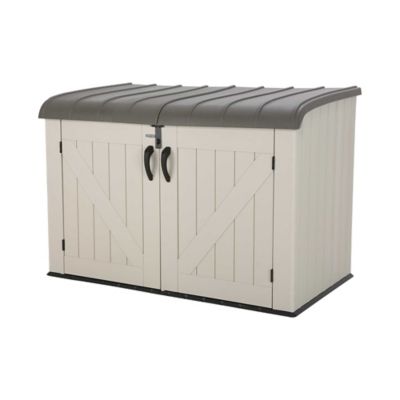
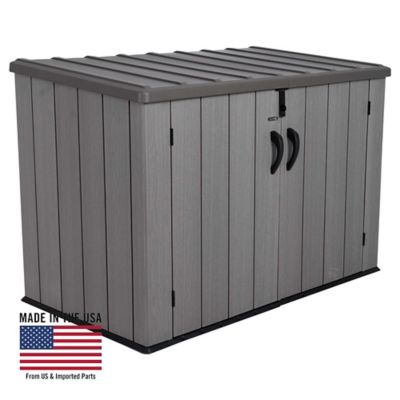
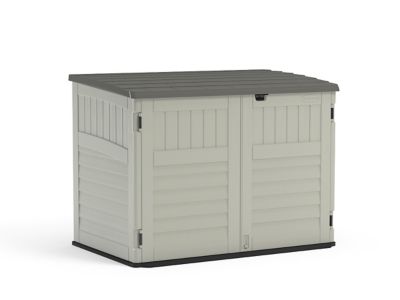
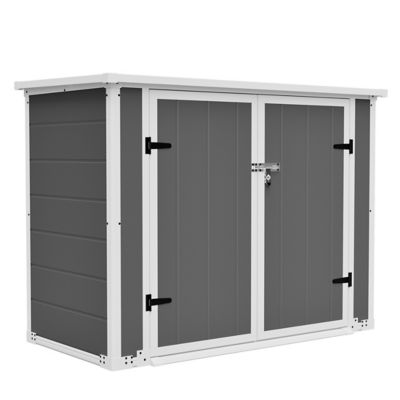
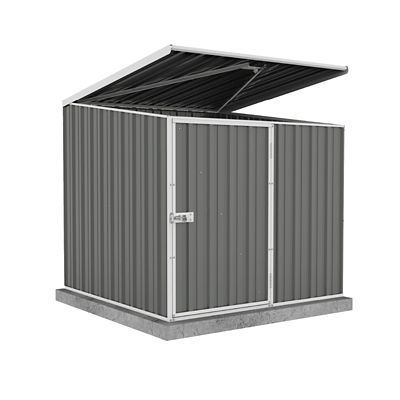
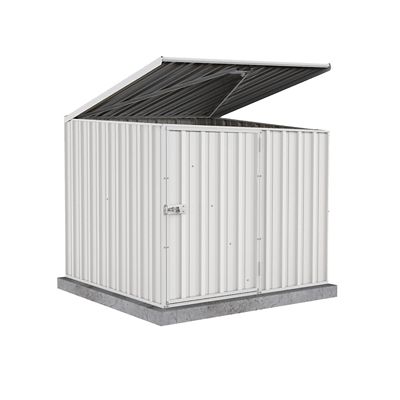
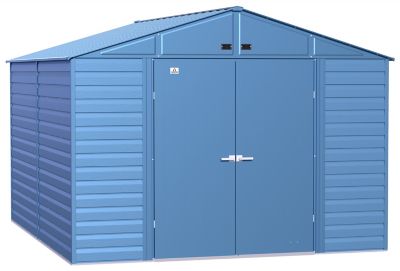
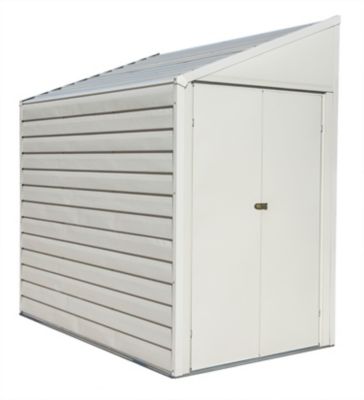
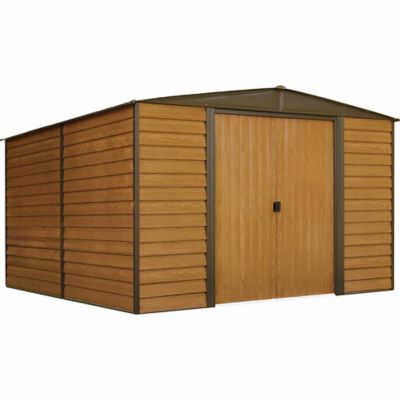
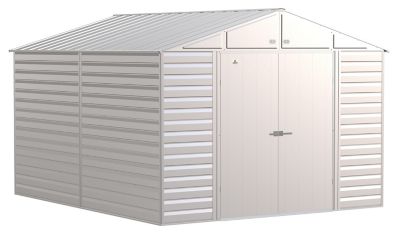
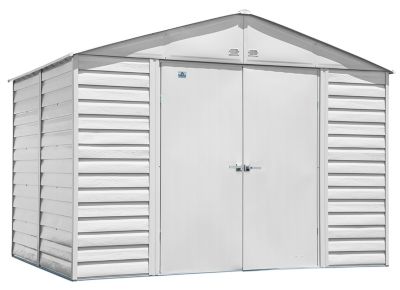
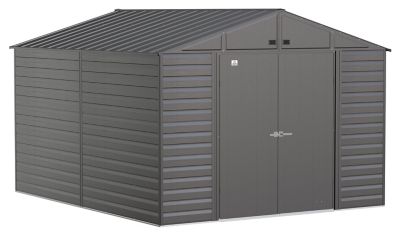
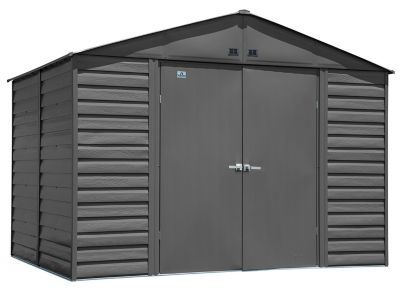
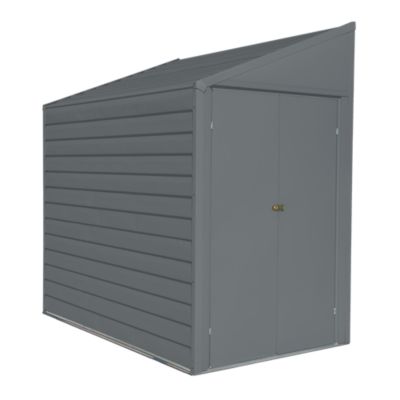
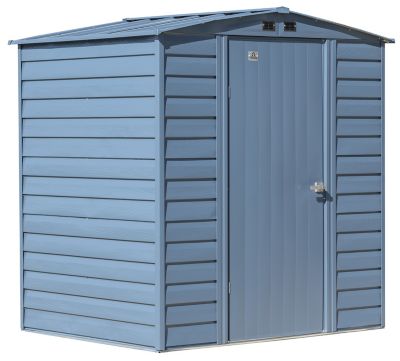
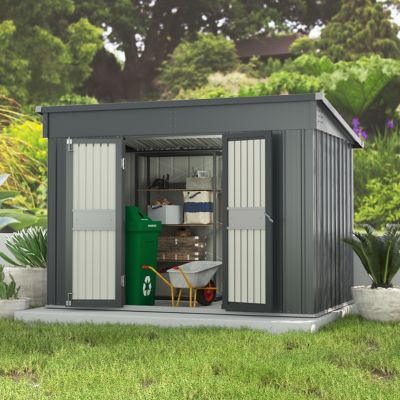
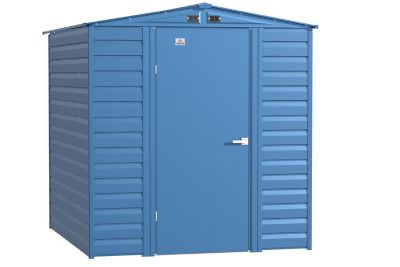
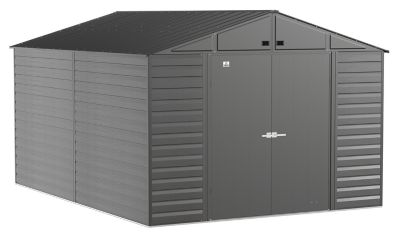
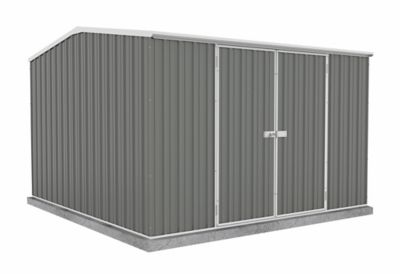
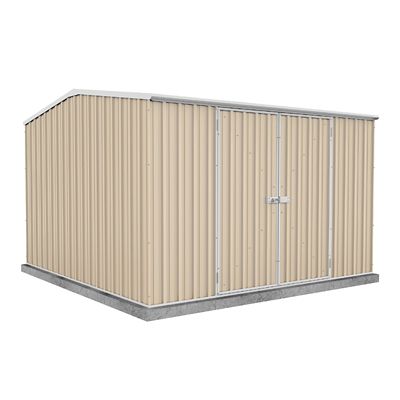
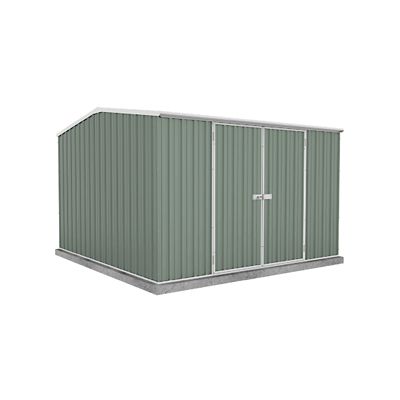
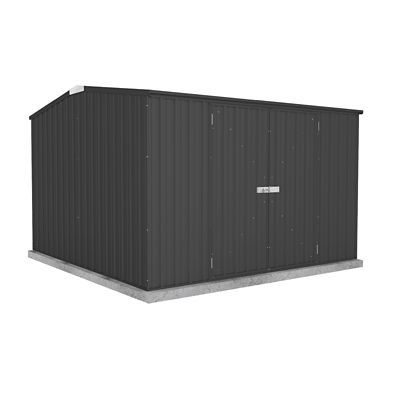
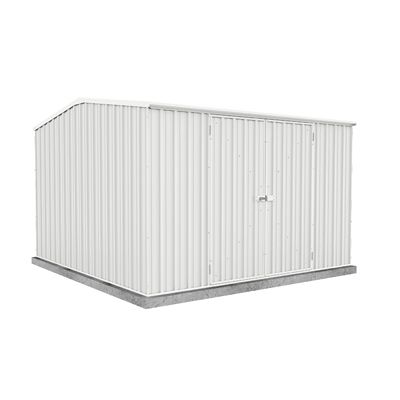
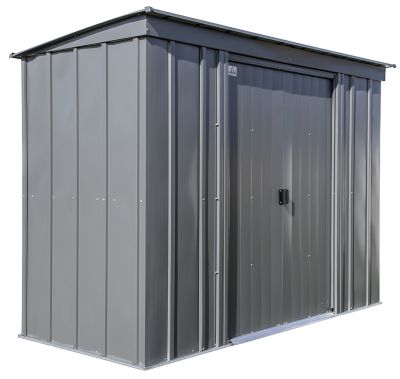
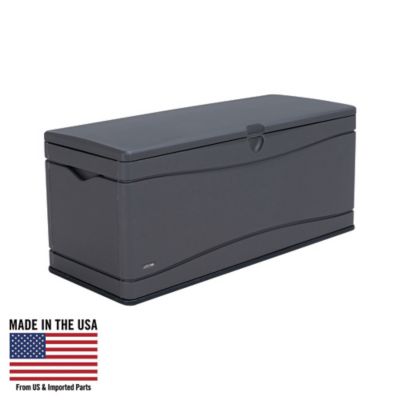
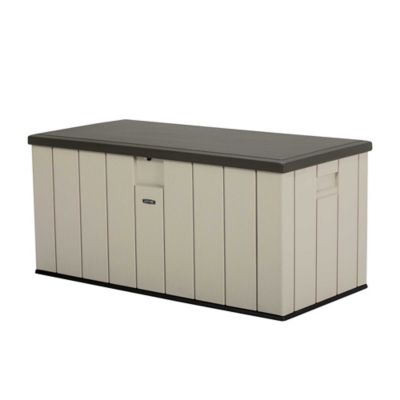
Horizontal outdoor storage sheds are low-profile outdoor enclosures that give yard tools, patio supplies, and other everyday gear a place outside the house or garage. Many have a top-opening lid and front doors, making it easier to reach a watering can from above or roll a trash cart out through the front. Their wide, shorter shape can fit beside a fence, along an exterior wall, or near a patio without taking up the same vertical space as a tall shed. That layout works well for homeowners with smaller yards, folks keeping a busy back porch in order, and anyone who wants frequently needed supplies close to where the work happens. A horizontal shed can hold bags of potting mix, empty planters, coiled hoses, or outdoor cushions, provided its dimensions and protection level suit the contents. The important distinction is between overall size and usable interior space: a shed may look roomy outside while hinges, sloped walls, or lid supports take up space inside. Capacity listed in cubic feet helps describe total volume, but interior width, depth, and height tell more about whether a particular cart, cushion stack, or piece of lawn equipment will fit. Wide front openings are handy for awkward loads, while top access makes smaller supplies easier to grab without moving everything in front of them. Not every horizontal shed has both openings, and some lids require the front doors to open first. Those differences matter when the shed sits close to a walkway or holds something that comes out several times a day. The appeal is straightforward: less clutter around the yard and a dedicated spot for gear that otherwise ends up leaning against the house. A lower profile can also leave more of a fence line or garden view visible, though the footprint still needs enough room for comfortable access.
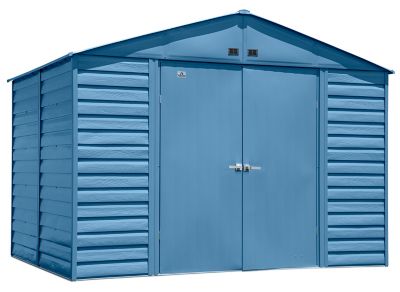
Materials and placement have a big say in how a horizontal storage shed fits into everyday life. Molded resin is a common choice because it does not rust and generally needs little more than cleaning according to the manufacturer's directions. Wall construction, panel thickness, and reinforcement vary, so the material name alone does not tell the whole story. Metal construction offers rigid panels and may include protective finishes that help limit corrosion; scratches, exposed edges, and fasteners deserve attention during routine checks. Wood brings a familiar look beside a house or outbuilding, but its finish and ground clearance need ongoing care. Across materials, solid hinges, well-supported lids, and doors that line up cleanly are worth a close look. A firm, level base supports the structure and helps doors and lids operate as intended. Depending on the shed, that base might be a concrete pad, properly prepared pavers, or another foundation allowed by the manufacturer. An included floor does not automatically remove the need for site preparation, and a floor's load limit matters when storing heavy bags or equipment. Placement also affects access: front doors need swing room, a lifting lid needs clearance overhead, and a rolling bin needs a clear path across the threshold. Tucking a shed beneath a window or along a narrow side yard can work well when those clearances are part of the plan. Water should drain away from the base rather than collect beneath it, and the location should not block vents, utility equipment, gates, or access needed for home maintenance. Anchoring requirements, property rules, and local requirements can differ by structure and location. For shoppers comparing construction styles,
Outdoor Metal Storage Sheds offer another category to consider alongside the low-profile layout, with interior dimensions and door clearance still central to the fit.
Day-to-day convenience often comes down to small details that are easy to overlook in an empty shed. A lid support can make loading less awkward, while a locking point may help limit casual access when paired with a compatible lock. A lockable shed is not the same as a secure storage building, and valuable equipment may need a different arrangement. For trash and recycling storage, the number and size of carts matter, along with enough headroom to open their lids or remove them without a struggle. For garden supplies, shallow bins can keep gloves, plant ties, and small tools from disappearing behind larger containers. Shelves, hooks, and hanging storage belong only where the shed supports them; adding weight to an unsupported wall or lid can damage panels and interfere with operation. Heavy contents generally belong low and within the floor's stated limits, leaving lighter supplies easier to reach. Cushions and fabric accessories should be clean and fully dry before storage, since an outdoor enclosure is not necessarily airtight, watertight, or climate controlled. Ventilation can help with air movement, but it does not guarantee that moisture will stay out. Feed, seed, and other materials that attract animals may need sealed containers and storage suited to pest control rather than loose bags tucked into a corner. Fuel, pesticides, pool chemicals, and similar materials require storage that follows their labels and any applicable safety requirements; an ordinary yard shed is not automatically suitable. Keeping dirt out of door tracks, clearing debris from lid edges, and checking hinges and fasteners helps prevent small problems from interrupting the daily routine. Cleaning methods and coatings should match the material rather than relying on a harsh cleaner or an unapproved treatment. Whether the goal is a tidier patio, a clear garage aisle, or a handy home for garden gear, the right horizontal outdoor storage shed matches the space, the contents, and the way those doors will open every day.