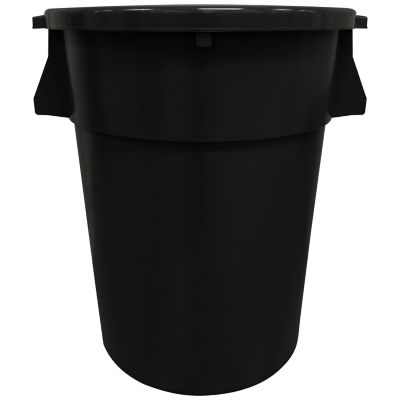
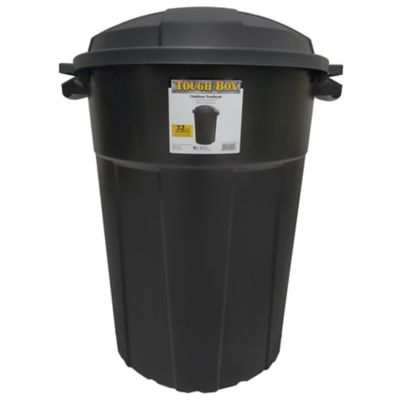
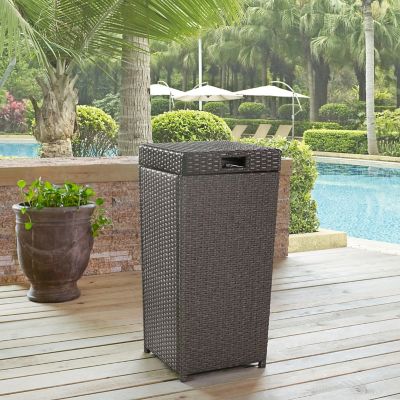
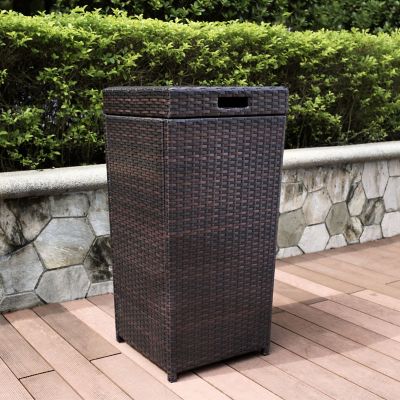
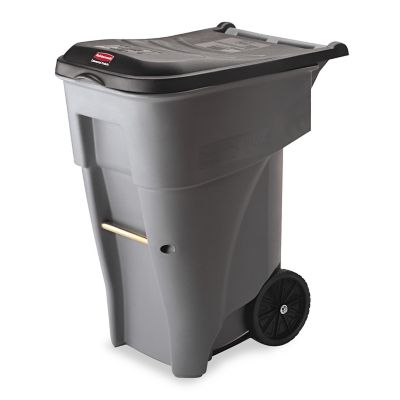
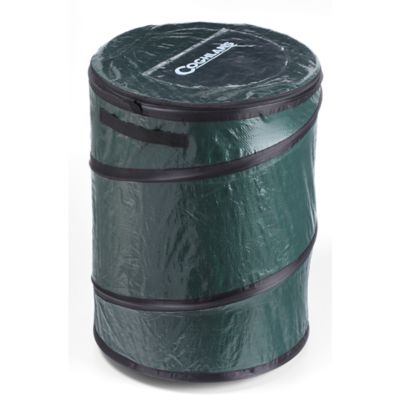
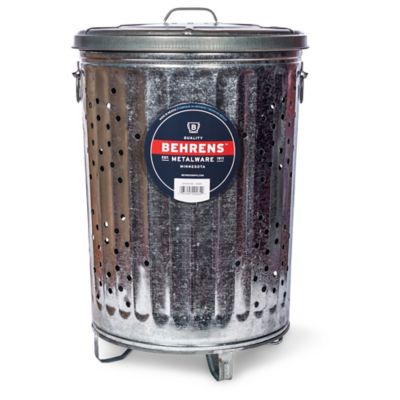
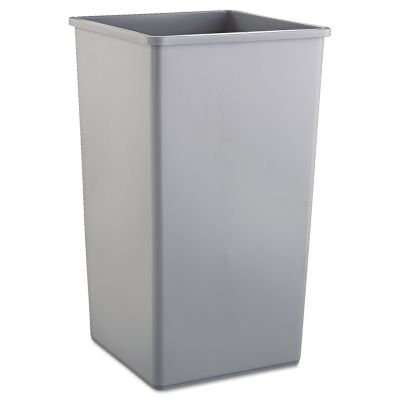
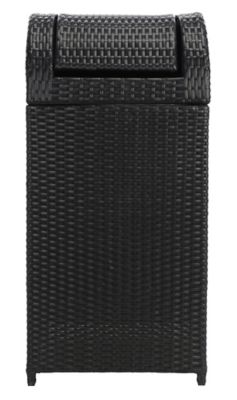
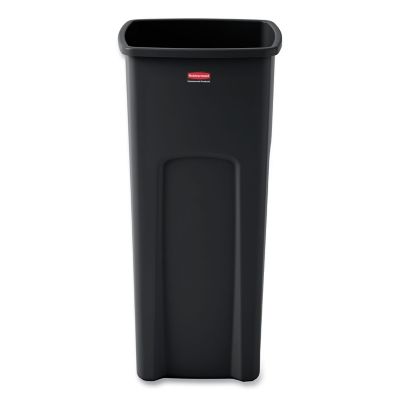
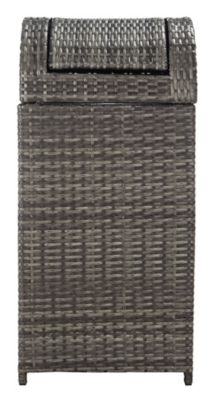
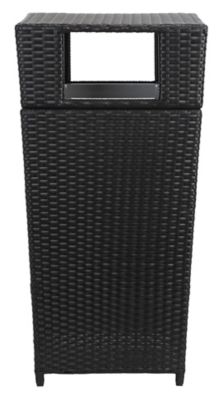
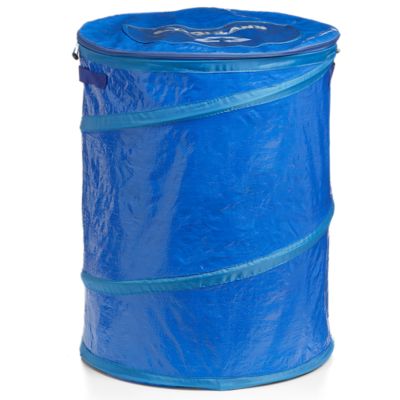
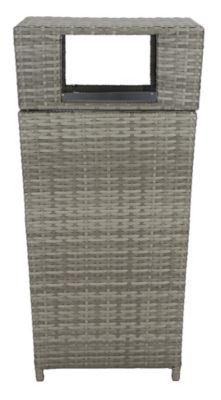
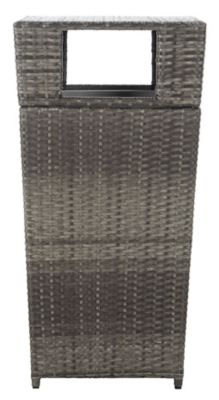
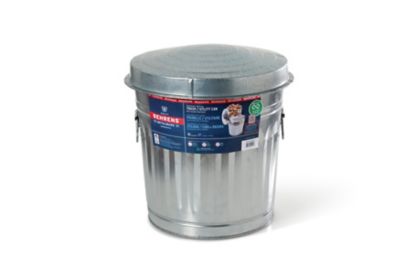
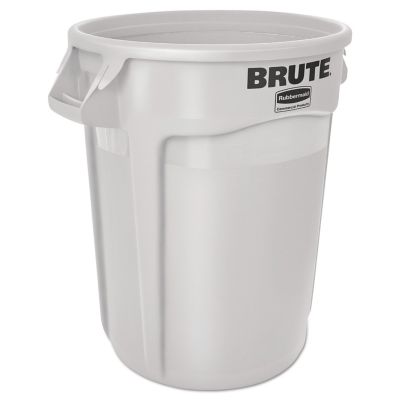
Outdoor trash cans with lids give everyday waste a proper place, whether that’s beside the garage, behind the shop or near a backyard gathering area. A covered container helps keep loose wrappers, food packaging and bagged household trash together instead of leaving a mess around the property. On an acreage, a can near the barn entrance can catch empty packaging before it piles up on a workbench; beside a patio, a smaller container gives guests a convenient spot for plates and napkins. The right construction depends on what goes into the can, how often it gets emptied and how far it needs to travel. Plastic containers generally weigh less than comparable metal designs and are easy to rinse, making them practical for routine household waste and frequent trips between a storage spot and a collection point. Wall thickness, molded ribs and a reinforced rim all contribute to how well a plastic can holds its shape through regular handling. Steel offers a firm body that stands up to bumps around busy work areas, while galvanized surfaces help resist corrosion. Metal can dent, though, and damage to a protective finish deserves attention before corrosion spreads. A smooth interior makes either material easier to wipe down, especially when a bag leaks or small scraps settle below the liner. Rounded interior corners leave fewer tight spots for grime to collect, while a broad base helps a container sit securely on a level surface. Around a garage or workshop, a compact can may tuck neatly beside a bench without crowding the work area. For a household that carries out several bags between collection days, a larger container can keep those bags together. Capacity, body shape and construction work together here: a tall, narrow can may fit a tight space, but a wider opening can make it easier to lower a full bag into place without catching it on the rim.
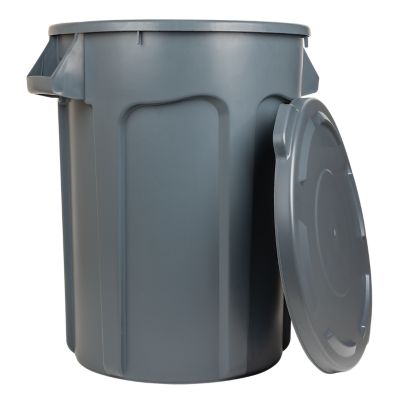
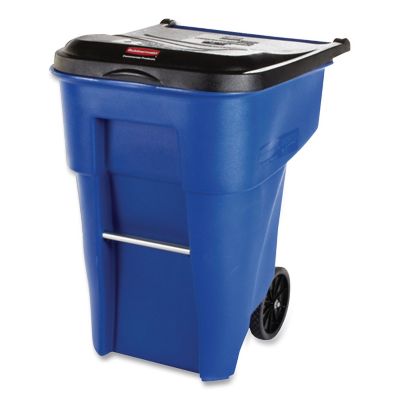
Lid style makes a noticeable difference in how an outdoor trash can fits into the daily routine. A lift-off lid gives full access to the opening, which is handy for lowering in a tied bag or clearing out the bottom of the can. A hinged lid stays attached during opening and emptying, so there’s no separate piece to set down while handling trash. Snap-on edges and latching closures provide different ways to keep the top seated, but the lid still needs to match the container’s rim and close without forcing it. A cover can discourage access to waste, though an ordinary lid should not be mistaken for a wildlife-resistant closure. Where animals regularly get into trash, purpose-built containment and careful storage matter more than simply adding a heavier top. Fit also extends to the space around the container. A hinged lid needs room to swing open, and a lift-off style needs overhead clearance plus somewhere convenient to rest while the can is open. Near a gate, fence or garage door, those few inches can make the difference between an easy chore and an awkward reach. Capacity deserves the same practical attention. Gallon ratings describe volume, not how much weight someone can comfortably lift, and a large can filled with dense material can become difficult to move long before it looks full. Bag dimensions matter, too: a liner needs enough width to settle into the body and enough extra length to fold over the rim and tie closed. Tight-fitting bags can pull loose as trash drops in, while excessive liner material can bunch under the lid. Molded grips or firmly attached handles help with short carries and tipping during emptying. Wheels make longer trips along a driveway less of a strain, with wheel size, axle placement and handle height affecting how the loaded container moves. A can that rolls well still needs a clear route and a manageable load, especially where gravel, thresholds or uneven ground interrupt the path.
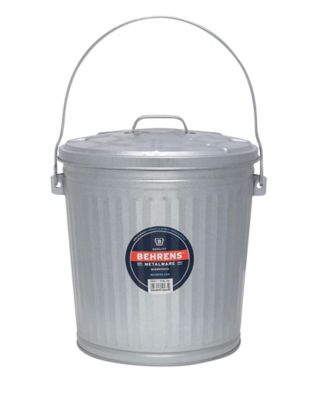
Keeping outdoor trash cans with lids in good working shape comes down to sensible placement, regular cleaning and attention to the parts handled most. A level spot with a firm surface helps the base sit squarely, keeps wheels from settling into soft ground and makes the area easier to sweep. Leaving enough space around the can helps prevent scraped knuckles and makes it easier to lift a bag without dragging it across nearby equipment. For households with curbside collection, local rules may set limits on container size, total weight, bagging or lid design, so those requirements belong in the decision along with the space at home. Separate containers for trash, recycling and yard material can make cleanup simpler where local services accept those waste streams. Clear labels help family members and visitors put things in the right place without lifting every lid. Inside the can, a properly fitted liner catches most residue, but occasional washing still matters. Mild soap, water and a brush can remove buildup around the rim, underside of the lid and bottom seams; rinsing thoroughly and letting the container dry before replacing the liner helps prevent lingering moisture and odors. Cleaning products should suit the container material and its finish. Hinges, latches, handles and wheel mounts benefit from an occasional check for looseness, cracks or binding. A missing or damaged cover does not always mean replacing the whole container. For a compatible metal can,
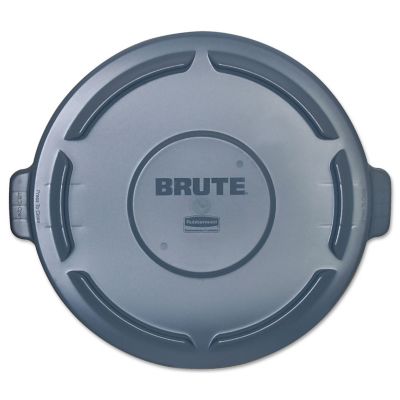
Steel Trash Can Lids offer a way to restore coverage, with rim diameter, edge shape and attachment details determining the fit. Household trash containers are not a substitute for proper storage of hot ashes, oily rags, chemicals or other materials that need special handling. With the right size, a well-fitting lid and a spot that’s easy to reach, an outdoor trash can becomes a straightforward part of keeping the house, shop and surrounding property picked up.