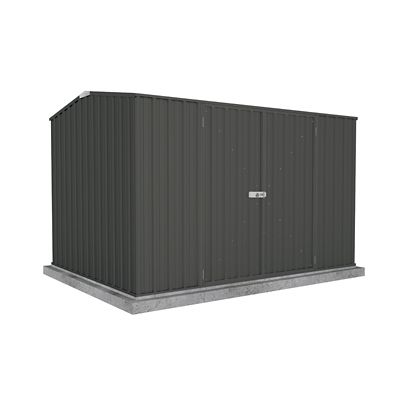
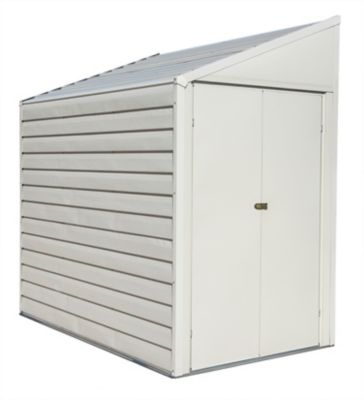
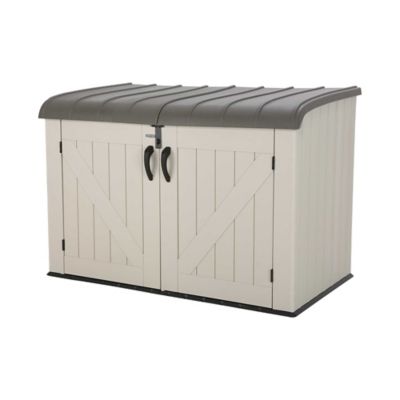
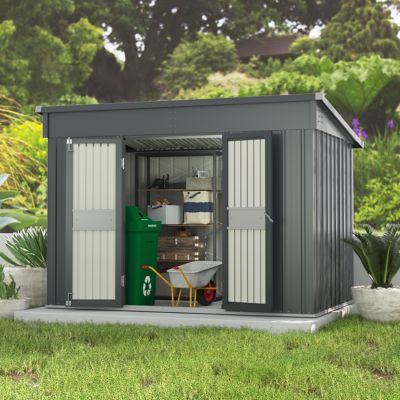
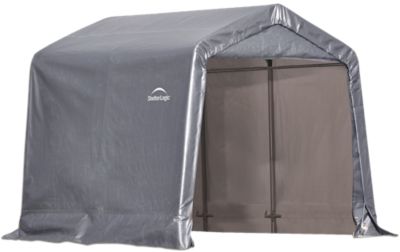
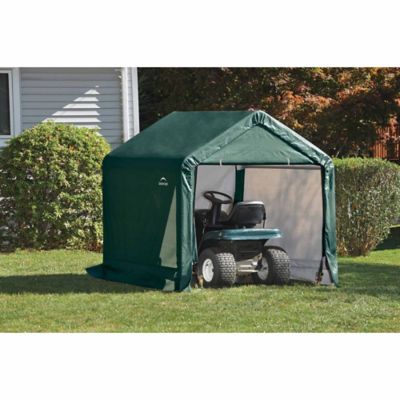
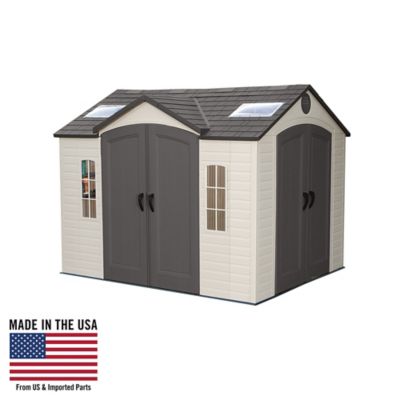
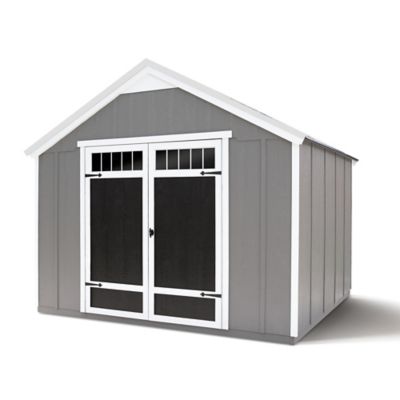
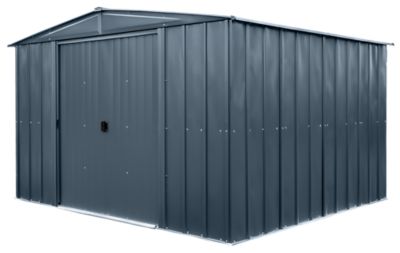
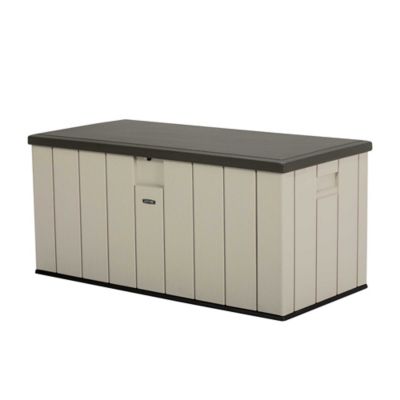
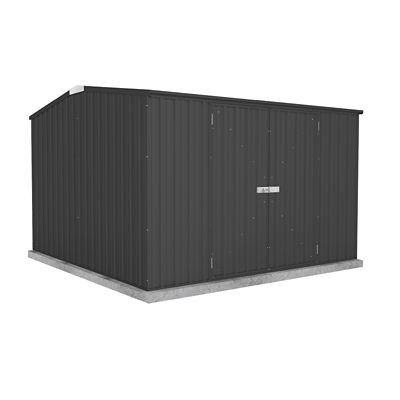
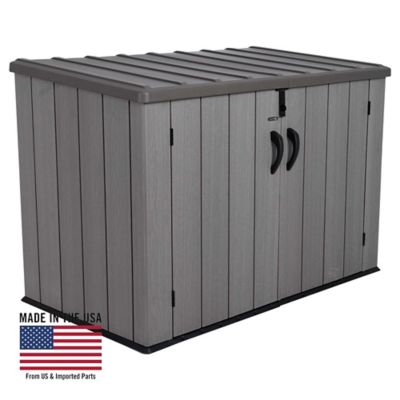
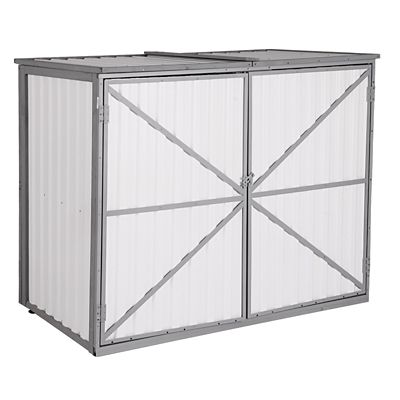
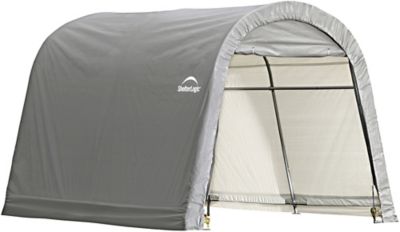
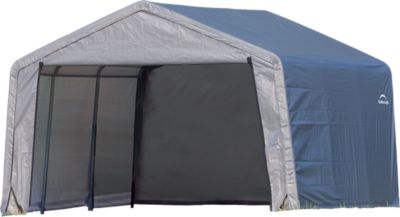
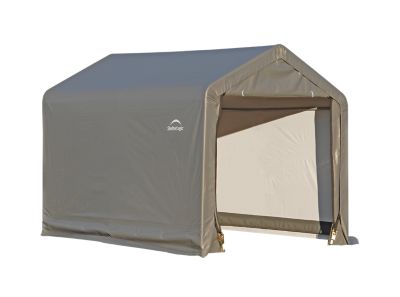
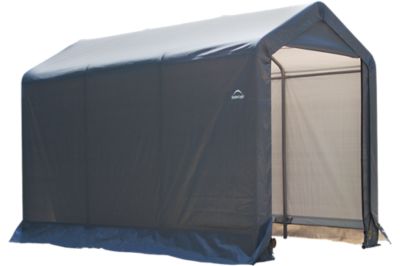
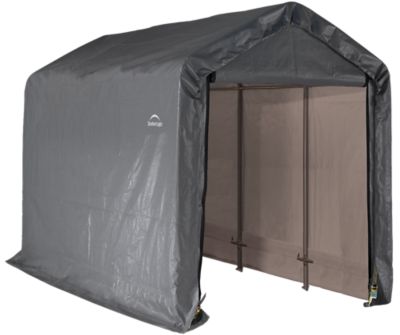
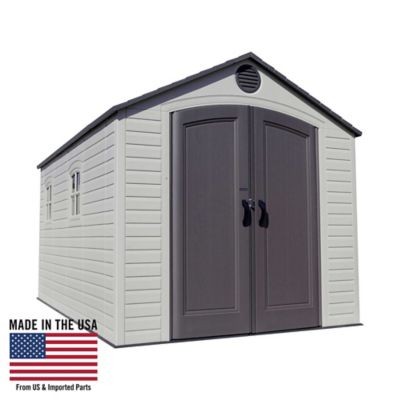
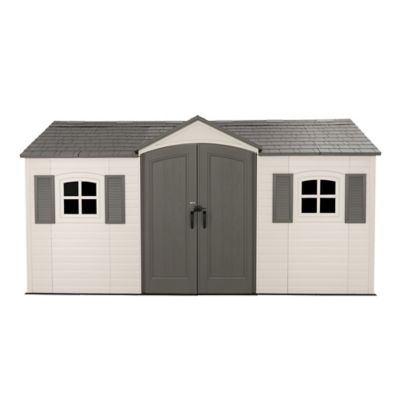
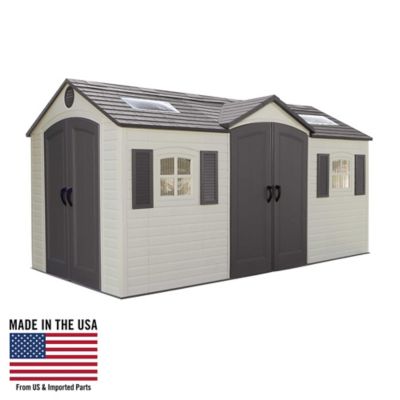
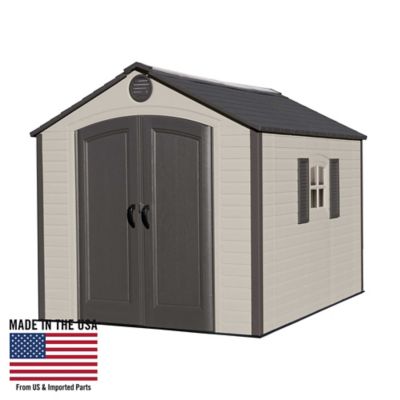
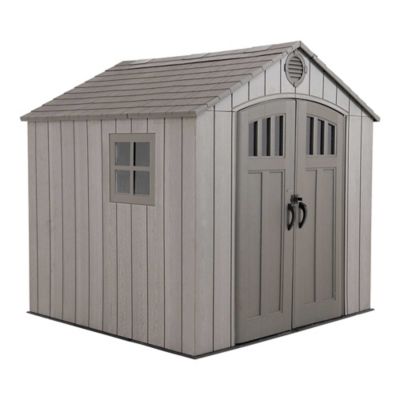
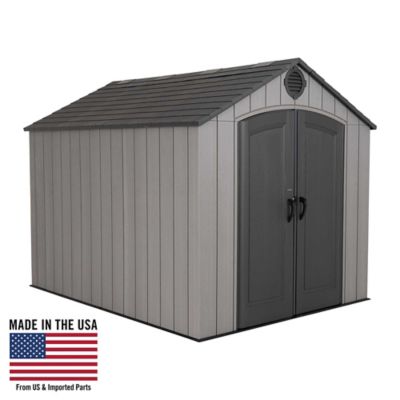
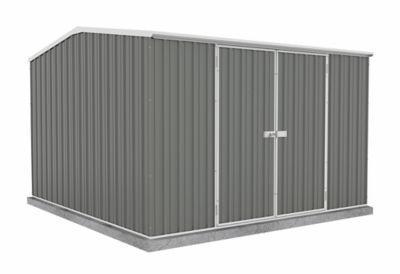
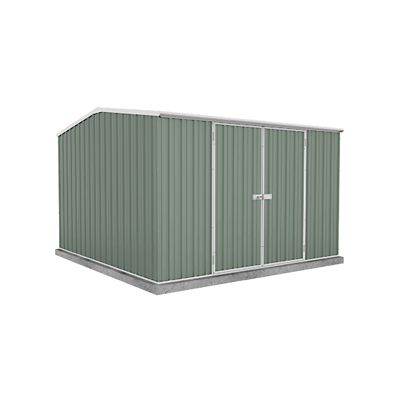
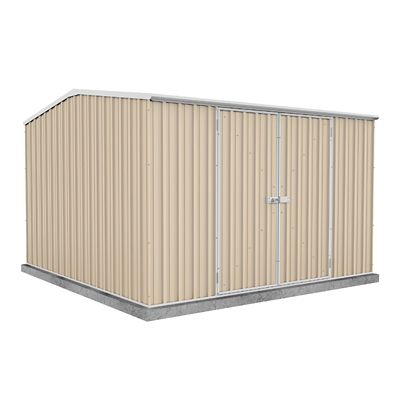
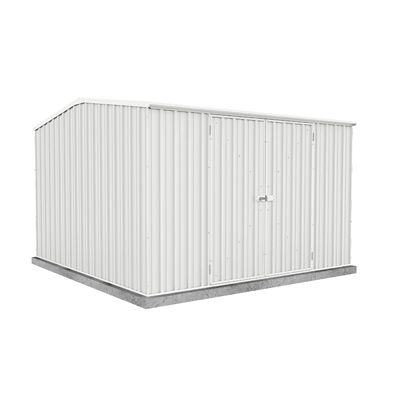
A shed for pool equipment gives pumps, filters, cleaning gear, and maintenance supplies a place of their own instead of letting them take over the porch or garage. Around a busy backyard pool, that can mean fewer tangled hoses underfoot and less hunting for the brush when it’s time to clean the walls. The right setup depends on whether the shed will shelter operating equipment, hold supplies, or provide separate spaces for both. An enclosure around a working pump and filter needs more than enough floor space: airflow, drainage, electrical access, and room for service all matter. A storage shed for nets, vacuum heads, and coiled hoses has different demands, with wall space and an easy-to-reach layout often carrying more weight. Low-profile enclosures can keep an equipment pad out of sight without taking up the footprint of a walk-in building. Taller sheds provide room for long cleaning poles, while wider layouts can accommodate larger gear without piling everything in front of the door. For households with an above-ground pool, a compact shed near the pool area may keep maintenance supplies close at hand. Properties with larger pools or more backyard gear may benefit from a walk-in layout that leaves a clear aisle between storage areas. A pool equipment shed can also help separate pool chores from the rest of the work around the place, so wet hoses aren’t draped across yard tools and pool brushes aren’t leaning against feed bins. Sheltering equipment may reduce direct exposure to sun and rain, but a shed alone does not make every location suitable for pumps or electrical components. Equipment instructions, shed specifications, and local requirements determine what belongs inside. For a broader look at shed styles and backyard storage layouts,
Best Shed can help put the options in context. The goal is a space that fits the pool setup without making everyday upkeep harder.
Materials make a difference in how a pool storage shed handles moisture, splashes, and routine care. Resin sheds generally resist rot and do not rust, making them worth considering near damp cleaning gear. Their performance still depends on panel construction, reinforcement, assembly, and the manufacturer’s stated limits for shelves and wall attachments. Hanging a heavy hose reel from a wall that isn’t intended to support it can strain the structure, even when the shed has plenty of floor space. Galvanized steel sheds offer rigid panels and a practical appearance, though protective finishes need attention around scratches, cut edges, and fasteners. Pool chemicals can contribute to corrosion, so metal construction does not remove the need for proper chemical separation. Wood sheds bring a familiar outbuilding look and may offer framing suitable for shelving or tool racks when the structure allows it. They also need appropriate sealing or painting and checks for soft spots, particularly near the base and door threshold. Across materials, service life depends on a sound foundation, secure anchoring, intact roof connections, and care that follows the shed maker’s directions. A level base helps doors line up and keeps the building from settling unevenly. Drainage around the site matters just as much; puddles beside the threshold can turn a simple cleanup into a muddy chore. Floor construction deserves a close look, too. Some sheds include a floor, while others require a separate base, and any planned load needs to stay within the structure’s limits. Operating pool equipment may require its own pad rather than a shed floor. Smooth interior surfaces can make dirt and cobwebs easier to clear away, while accessible hinges and latches simplify routine upkeep. Door seals, roof joints, vents, and hardware all deserve occasional checks. No material removes the need for maintenance, but a shed matched to its setting and cared for as directed can remain a useful part of the pool area for years.
Fit goes beyond the shed’s outside measurements. Interior dimensions, doorway width, roof clearance, and the space taken up by framing determine how much working room remains once equipment is inside. A filter tank may fit under the roof yet still lack the overhead clearance needed to lift out its cartridge or open its housing. A pump basket needs room for its lid to come off, and valves, unions, drain points, and controls need to stay within easy reach. Wide doors or an opening lid can improve access, provided those openings work with the equipment layout and do not interfere with fencing or nearby structures. A cramped enclosure can make a five-minute basket cleanout a knuckle-scraping job. Ventilation is equally important: pumps and other operating components must have the airflow and clearances their manufacturers require. An ordinary storage shed is not automatically suitable for enclosing running machinery, and fuel-burning pool heaters have separate combustion-air, venting, and clearance requirements. A qualified pool professional can assess the installation, with electrical work handled by a qualified electrician where required. Storage needs its own separation plan. Pool chemicals should stay in their original labeled containers, secured from children and animals, and stored strictly according to their labels. Incompatible chemicals, including chlorine products and acids, must remain separated as directed; placing them together on a shelf or in a shared spill tray can create a serious hazard. A general-purpose shed is not automatically an appropriate chemical storage space, even if it has vents. Toys, towels, and other frequently handled belongings belong away from chemical storage, and chemical containers should not sit above equipment where leaks could cause damage. For cleaning tools, simple organization goes a long way: supported poles stay off the floor, loosely coiled hoses are easier to retrieve, and smaller fittings stay together in designated containers. With sensible access, suitable materials, and clear separation between storage and working equipment, a shed can keep the pool area orderly while leaving room to get the job done.