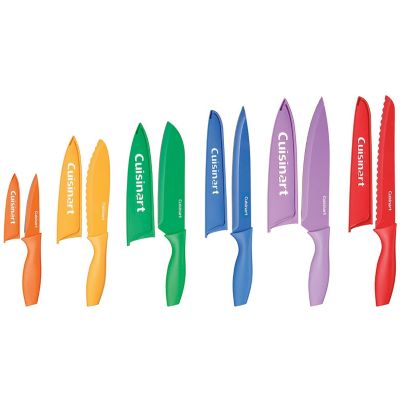
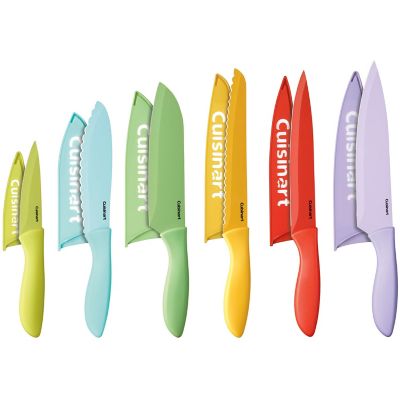
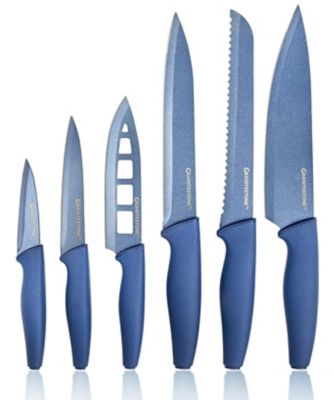
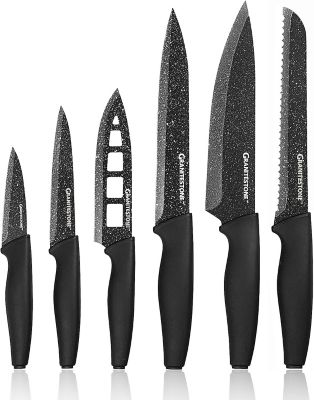
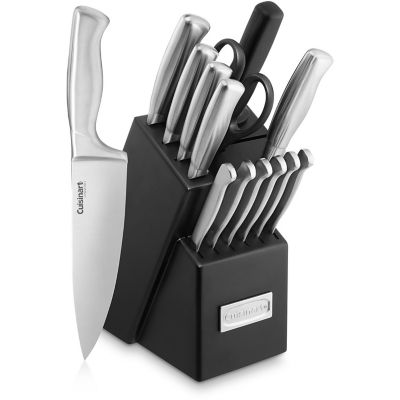
A tomato knife is a small serrated kitchen knife made to cut through a tomato’s skin and soft flesh with less crushing or loss of juice. Its toothed edge catches the slick surface, helping the blade start a slice without the downward pressure that can flatten a ripe tomato. Most tomato knife blades measure about 4 to 5 inches long, a handy size for sandwich slices, salad wedges, and the smaller cuts that go into a bowl of fresh salsa. That combination of a compact blade and a serrated edge makes sense wherever tomatoes earn their place on the kitchen counter, from a farmhouse kitchen to a little workspace beside the pantry. A large slicing tomato needs an edge that reaches across its width comfortably, while cherry and grape tomatoes call for close control and a handle that stays steady in the hand. Some tomato knives have a forked tip, with two small prongs for lifting and moving slices onto a sandwich or serving plate. Others have a single pointed or rounded tip, so the shape is worth considering alongside blade length. The fork is a serving convenience rather than the feature that makes the knife cut well; the serrated edge does that work. Tooth size, spacing, and blade thickness also affect the feel of a cut. A thin blade generally moves through tender flesh with less resistance, while the serrations help break the skin before the rest of the edge follows through. For anyone who has watched a dull straight blade skid across a tomato or mash a slice meant for a burger, the purpose of this small kitchen tool is easy to appreciate. It fills a straightforward role: making tidy cuts in tender produce without reaching for a much larger knife, whether supper means a simple sandwich after chores or a full platter for family gathered around the table.
Materials and handle fit make a difference in how a tomato knife feels over many meals. Stainless steel is a common blade material because it resists corrosion and is relatively easy to care for, especially around acidic foods such as tomatoes and citrus. Stainless steel still needs cleaning and drying, and different steel formulations can vary in edge retention and sharpening needs. Higher-carbon steels can hold a fine edge, but corrosion resistance depends on the particular alloy rather than the carbon description alone. Blade construction matters, too, though a forged blade is not automatically a better fit for every cook than a stamped one. A lighter knife can feel nimble during a bowl’s worth of tomato prep, while a little more weight may feel steadier to someone who prefers a substantial handle. The useful balance is the one that lets the hand guide the blade without gripping hard. Handle materials commonly include molded polymers, wood, and metal, each with its own feel and care needs. A textured polymer handle can offer a secure grip and straightforward cleanup. Wood brings a warmer feel but generally needs protection from prolonged moisture, and some wood handles benefit from occasional treatment according to the maker’s directions. Metal handles can be easy to wipe clean, although their shape and texture matter when hands are damp. Rounded edges, room for the fingers, and a smooth handle-to-blade transition all contribute to comfort. A handle should fit the person doing the cutting, not simply look substantial beside the blade. Cooks with larger hands may appreciate more gripping room, while smaller hands may feel more at ease with a slimmer profile. For left-handed cooks, edge geometry and handle shaping deserve attention, since some serrated blades have a bevel primarily on one side. The broader selection of
Sharp Blades offers a related starting point when considering cutting tools for different tasks, while a tomato knife remains a focused choice for the kitchen’s softer ingredients.
A tomato knife can earn its drawer space beyond the tomato bowl, provided the food suits its size and edge. Small citrus fruits, strawberries, tender peaches, and some soft rolls are reasonable companions for a compact serrated blade. Results depend on the food’s firmness and the knife’s design; a sticky soft cheese may cling to the blade, and a thick-crusted loaf usually calls for a longer bread knife. Peach pits, frozen foods, bones, and other hard materials fall outside a tomato knife’s intended work. In everyday cooking, its appeal is often the quick transition between modest tasks: slicing a tomato for a toasted sandwich, cutting a lime for dressing, or opening a small roll without dragging out several larger tools. During the cooler months, that same knife fits naturally into soup-and-sandwich suppers, taco nights, and trays of fresh vegetables set out before dinner. Gardeners, home cooks, and folks who regularly pack lunches may all appreciate that kind of practical kitchen gift, especially when handle comfort and storage needs are part of the choice. Long service starts with sensible care rather than extra fuss. Hand washing with mild dish soap and prompt drying is a sound general approach, with the manufacturer’s care directions taking priority. Long soaks leave handles and blade joints sitting in moisture, while loose contact with other utensils can damage the edge. A fitted blade guard, an appropriate knife block slot, or secure storage that keeps the cutting edge protected helps preserve the teeth and keeps fingers away from them. Wood and food-safe plastic cutting boards are gentler on an edge than glass, stone, or a dinner plate. Serrations can keep cutting effectively for a long stretch, but they do not stay sharp forever. Restoring them may call for a tapered sharpening rod sized to the individual scallops or professional sharpening rather than a standard pull-through sharpener. With a comfortable grip, a protected edge, and care suited to its materials, a tomato knife is a small, useful part of getting good food onto the table.