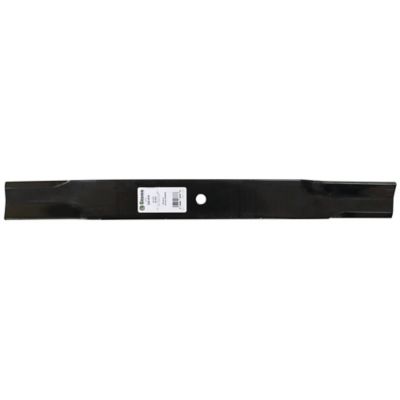
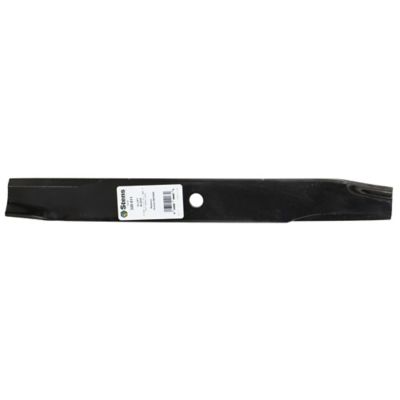
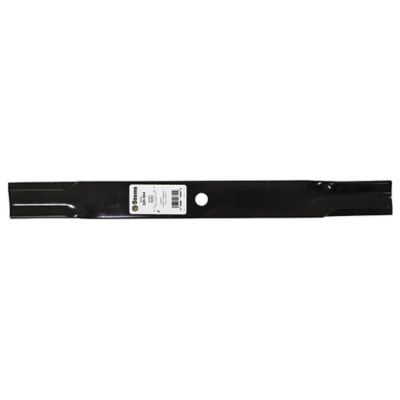
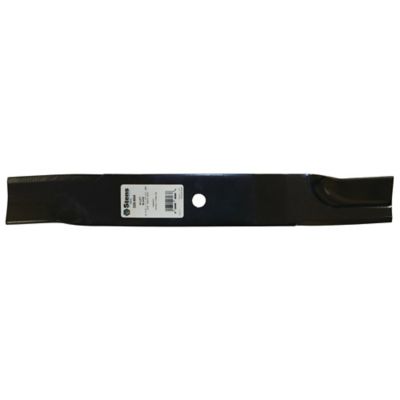
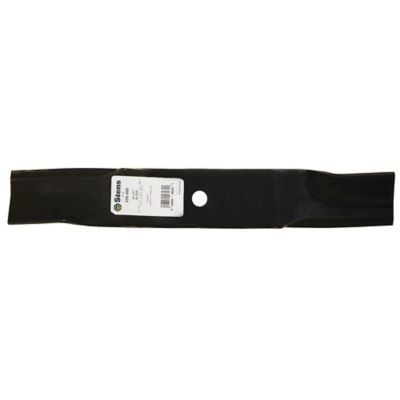
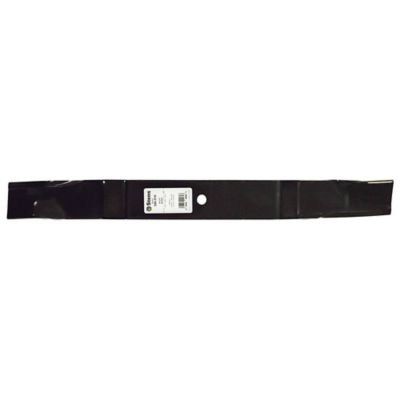
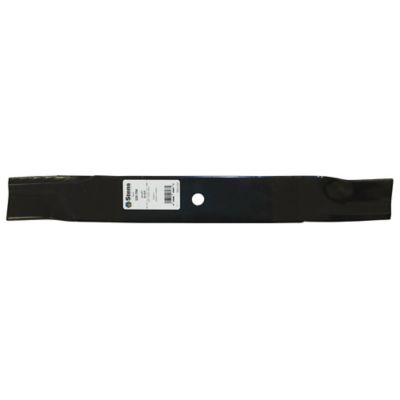
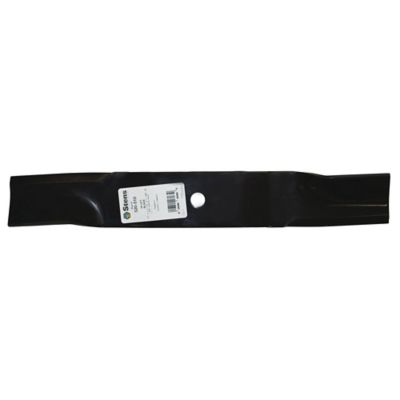
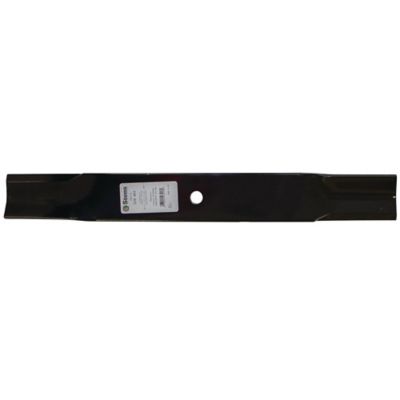
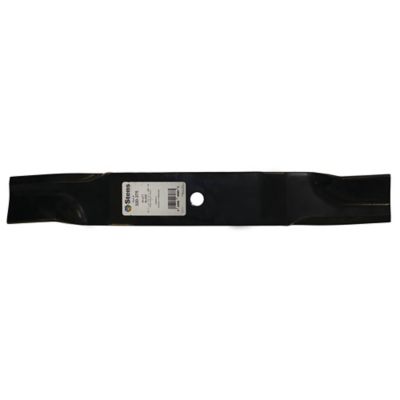
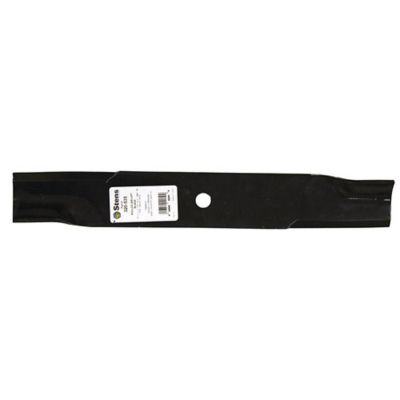
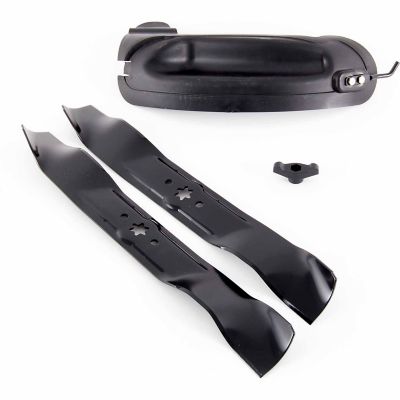
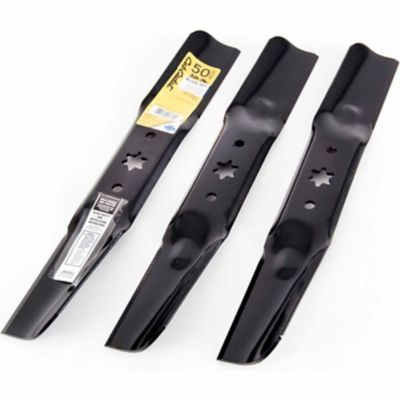
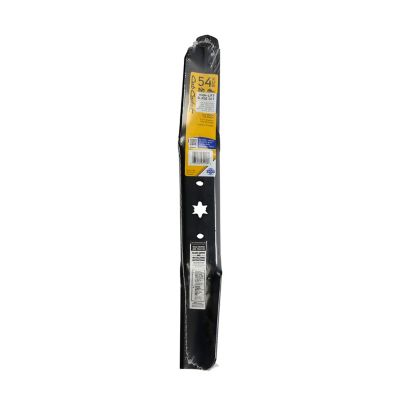
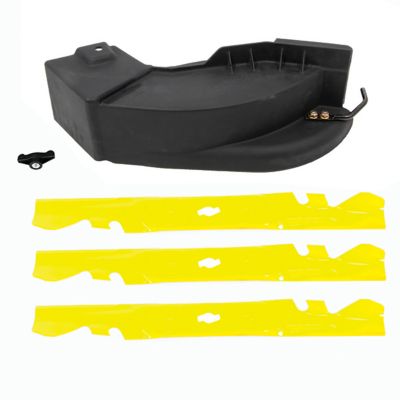
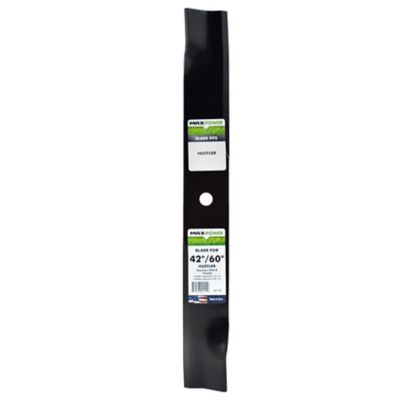
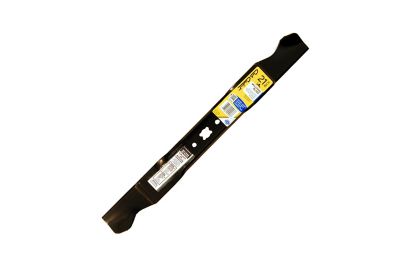
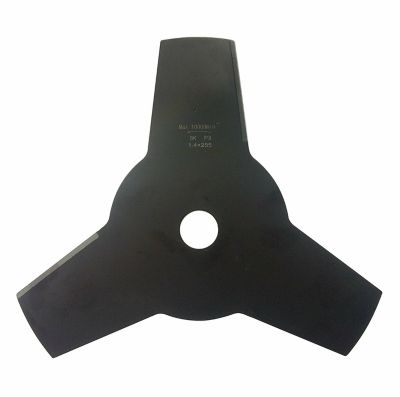
Replacement mower blades do more than put a fresh edge under the deck. Their shape, cutting surface, and fit help determine how evenly a mower trims grass and how well it moves clippings through the deck. For a homeowner keeping the yard around a farmhouse tidy, that can mean fewer ragged strips along the driveway. For a groundskeeper or mowing crew covering several properties, it can mean a more consistent finish from one stretch of turf to the next. The right replacement starts with the mower’s model and serial number, the deck identification, and the blade part number specified by the equipment manufacturer. Deck width alone does not establish blade compatibility, since mowers with the same cutting width can have different spindle arrangements, mounting hardware, or blade dimensions. A multi-blade deck also takes individual blades sized to work together; its advertised cutting width is not the length of each blade. Blade length, width, thickness, center-hole shape, and mounting-hole pattern all matter, along with any offset in the blade body. Even a blade that appears close in size may have the wrong clearance or mounting profile. Matching those details helps protect the deck assembly and supports the cut the machine was built to deliver. A readable equipment label and the correct parts diagram are more useful than guessing from the outline of an old blade. When the job involves more than cutting edges,
Gravely Lawn Mower Parts provides a related place to look for mower components. Blade replacement may also bring attention to the condition of the fasteners, washers, and spindle assembly, though each component needs its own fit check. Whether the mower handles a small home lawn or broad stretches around outbuildings, a properly matched blade belongs with the deck’s specified hardware and operating setup. That fit is the foundation for useful performance, not just a detail on a parts list.
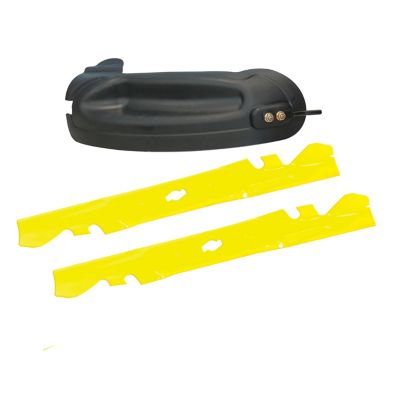
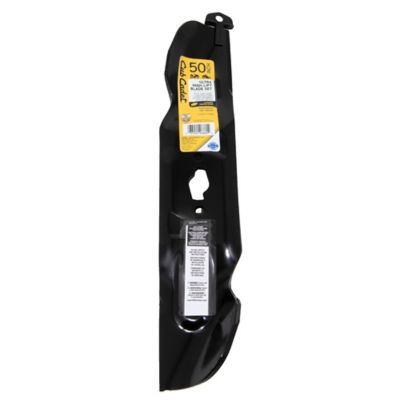
Blade style shapes what happens to grass after the cutting edge passes through it. Standard blades generally support the deck’s intended everyday mowing and discharge pattern, while high-lift designs have a more pronounced sail that creates airflow to help raise grass and move clippings. That extra lift can suit certain discharge or collection setups, but it is not automatically the best choice for every property. In sandy ground or areas with exposed soil, stronger airflow can draw more abrasive material through the deck, adding wear to blades and surrounding surfaces. Lower-lift designs may be specified for some of those conditions, depending on the mower. Mulching blades have profiles intended to keep clippings circulating for additional cutting, helping return smaller pieces to the lawn when paired with a compatible mulching setup. A blade alone does not turn every deck into a mulching system; baffles, discharge closures, and other manufacturer-specified components may be part of that arrangement. Bagging likewise depends on the whole collection system, not just the amount of lift on a blade. The best match follows the deck manufacturer’s recommendations and the way the mower actually works around the property. A broad, open yard with a side-discharge setup presents different demands from a lawn where clippings need to be collected near walkways. Grass height, density, mowing speed, and deck cleanliness also affect the result, so a different blade profile cannot make up for every mowing problem. Many mower blades are made from heat-treated steel, with the material and treatment selected to balance edge retention, strength, and resistance to wear. Thickness and weight are part of the specified design rather than a reason to substitute a heavier blade. Blade contours can look simple on the bench, but the cutting edge, sail, and mounting area each have a job once the deck is running. Matching that design to the task helps keep the focus on an even lawn instead of repeated passes over clumps and missed patches.
Blade condition matters just as much as blade style. A sharp, properly maintained cutting edge slices grass more cleanly than a rounded edge that leaves torn, stringy tips. Along a fence line or beside a gravel drive, an unnoticed stone can nick an edge or damage a blade, even when the mower otherwise seems to run normally. Uneven cutting, new vibration, or a change in discharge can warrant an inspection, although those symptoms can also come from deck leveling, spindle wear, tire pressure, or other equipment issues. Routine sharpening can address ordinary edge wear when the manufacturer permits it, but it does not repair cracks, bends, damaged mounting holes, or excessive thinning. Those conditions call for replacement rather than an attempt to straighten or patch the blade. The raised sail deserves attention too, because abrasive soil can wear that section even when the cutting edge still looks serviceable. Sharpening should preserve the specified edge angle and blade balance; removing substantially more metal from one end can introduce vibration and stress the spindle assembly. For owners who would rather keep shop work straightforward, having blade service handled by a qualified mower technician can take the guesswork out of assessing wear and balance. Any inspection or service beneath a mower requires the shutdown, power-isolation, and support procedures in its operator’s manual. Heavy work gloves help protect hands from sharp edges, but they do not replace securing the machine against movement or accidental starting. Installation also depends on the correct blade orientation, fasteners, and manufacturer-specified tightening torque, which vary by equipment. Between mowing jobs, removing accumulated grass according to the manual and storing spare blades clean and dry can help limit corrosion and make damage easier to spot. Cutting edges should be protected in storage, away from children and animals. For folks maintaining their own acreage and crews responsible for a steady mowing route, replacement blades are practical working parts whose value comes down to correct fit, a suitable cutting profile, and sound condition every time the deck goes to work.