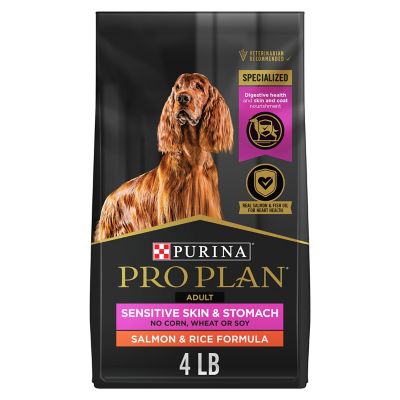
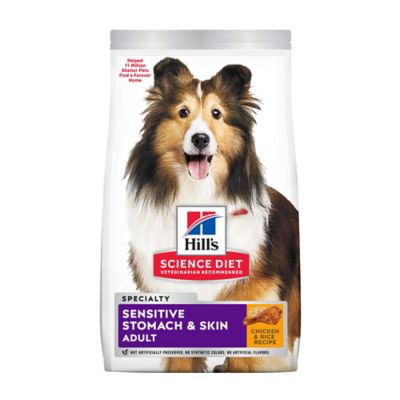
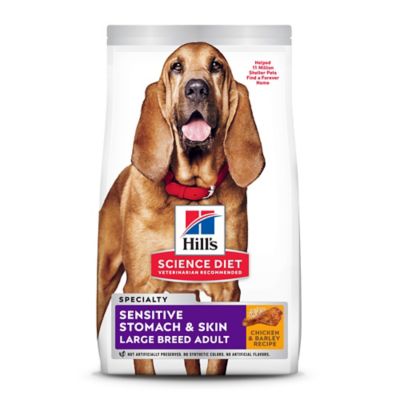
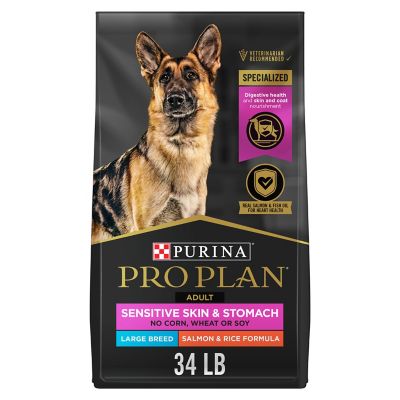
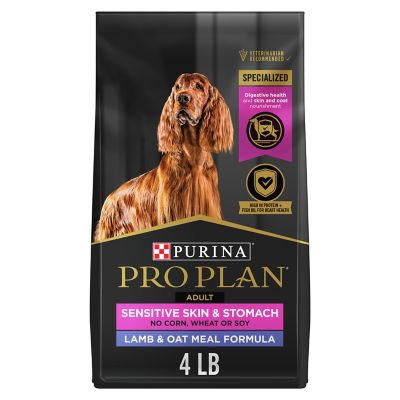
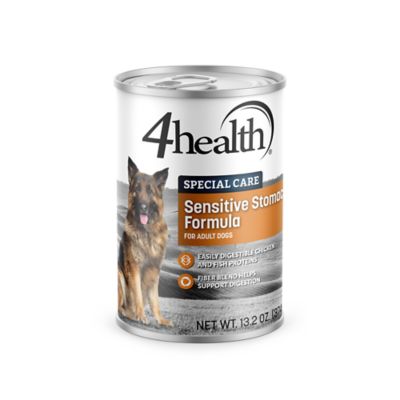
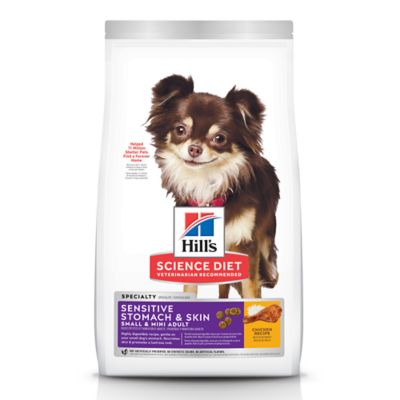
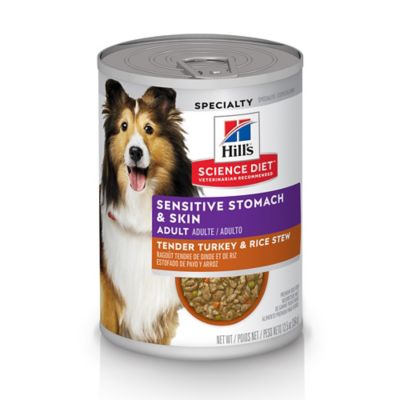
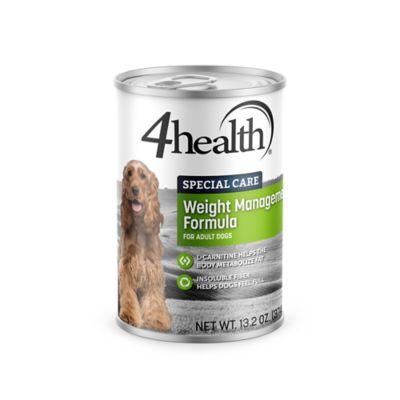
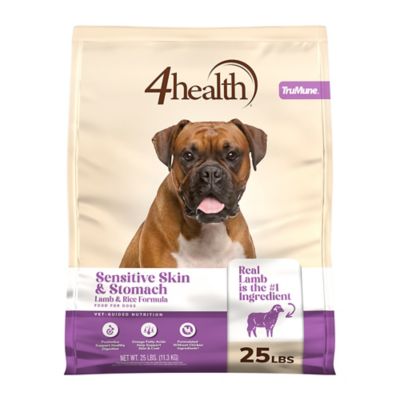
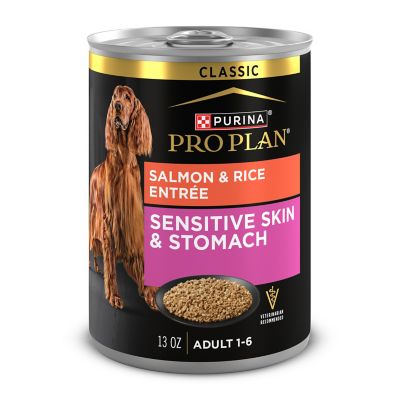
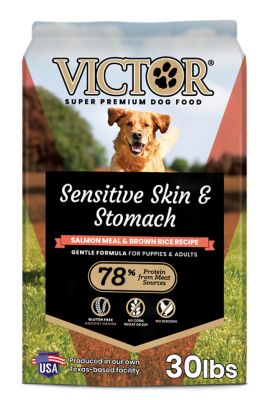
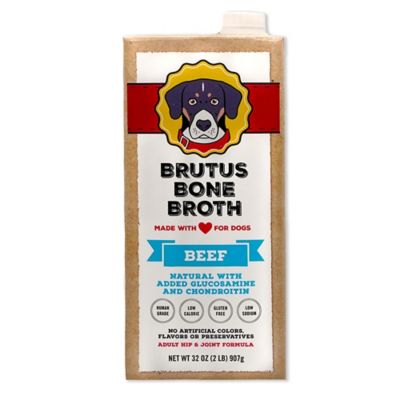
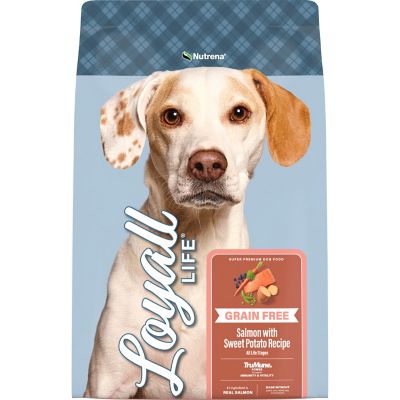
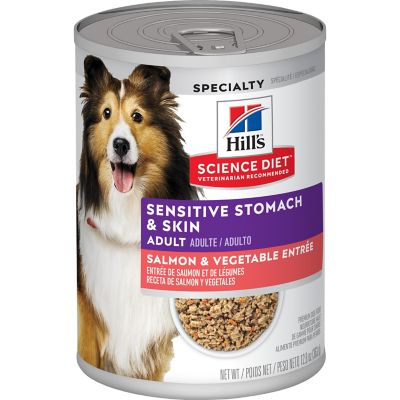
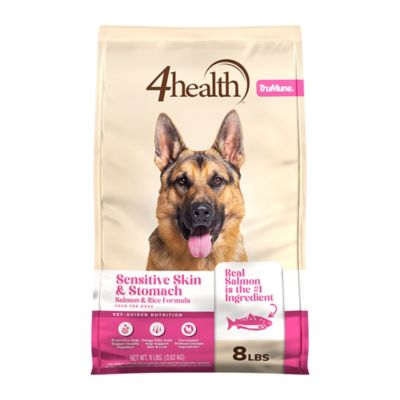
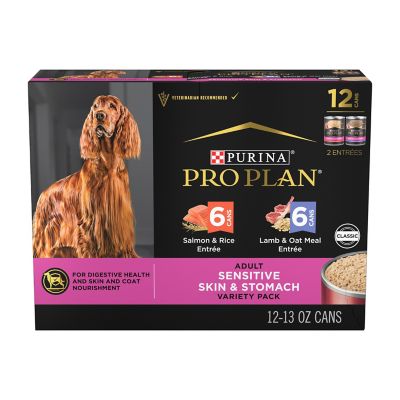
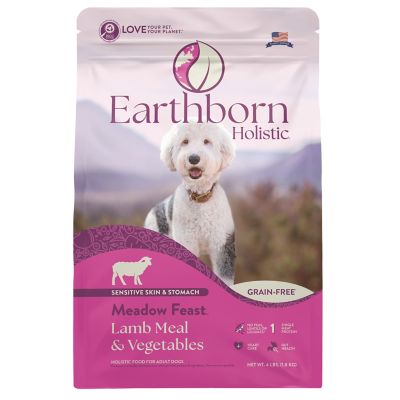
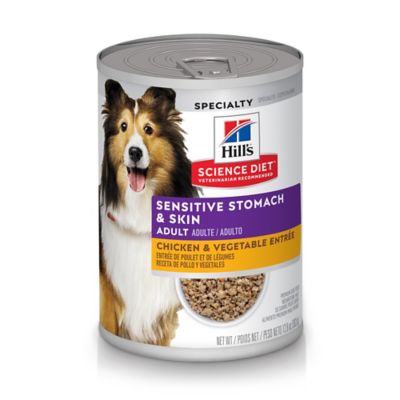
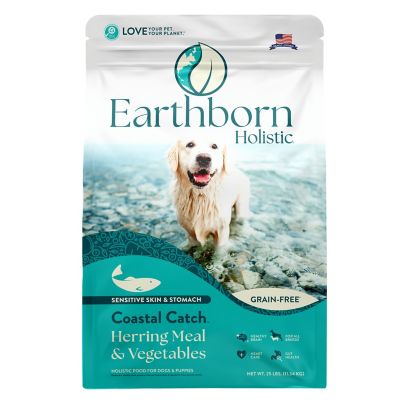
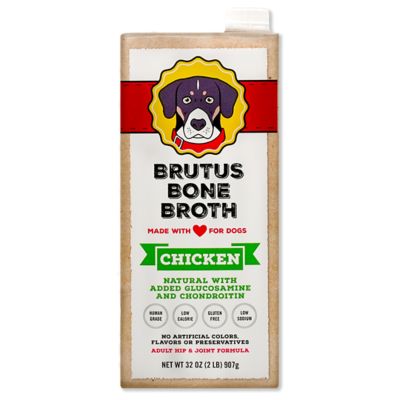
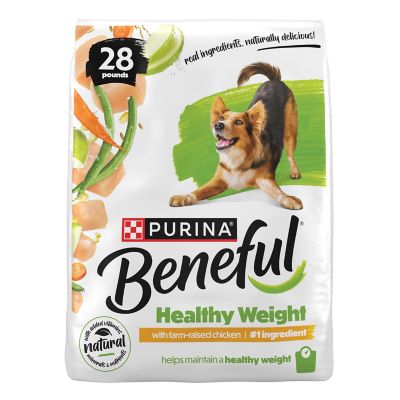
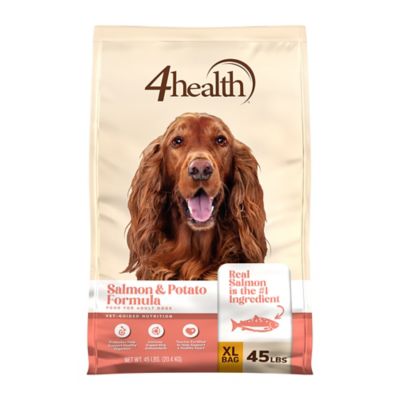
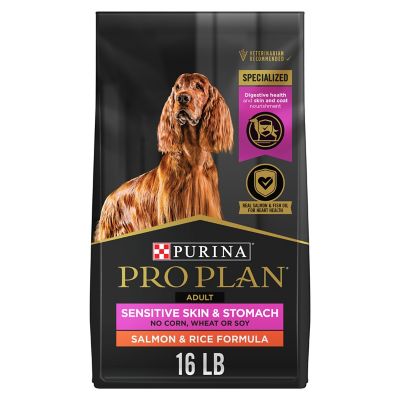
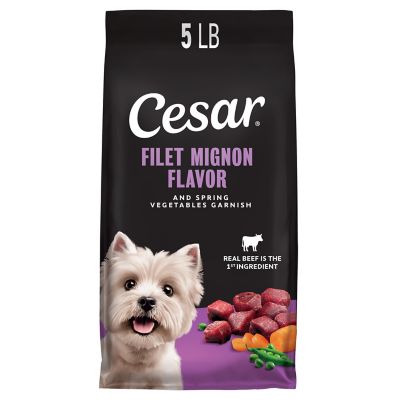
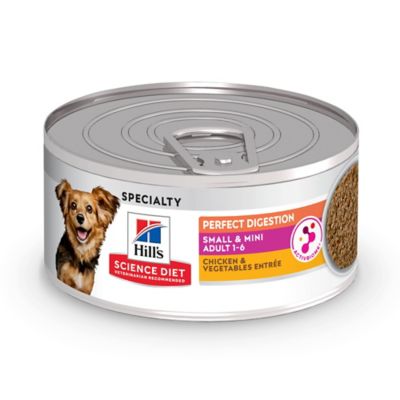
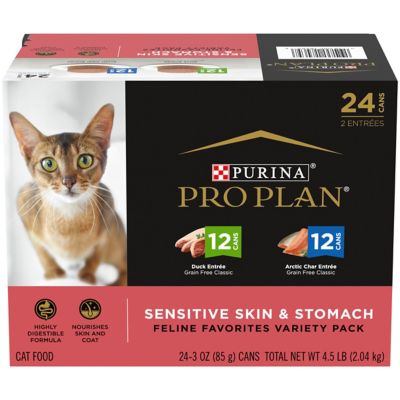
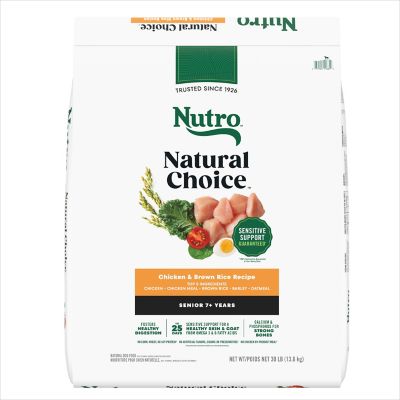
Sensitive stomach dog food is made for dogs whose digestion does better with a steady, simple meal routine. A dog with a sensitive stomach may have loose stools, gas, occasional vomiting, or a noisy, unsettled belly after eating certain foods, although these signs can also point to illness, parasites, allergies, or another health concern. If digestive trouble is sudden, severe, keeps coming back, or comes with blood, weakness, pain, dehydration, or a loss of appetite, contact a veterinarian before changing your dog’s diet. For everyday digestive support, look for highly digestible recipes with clear ingredient lists and balanced nutrition for your dog’s life stage. Gentle protein choices may include salmon, lamb, duck, or venison, while some dogs do well with chicken or turkey. Easily processed carbohydrates such as rice, oatmeal, or barley can provide energy without making mealtime feel heavy. Recipes with moderate fat levels may be a better fit for dogs that struggle with rich foods, but the right choice depends on your dog’s age, size, activity level, and medical history. Puppies, older dogs, working dogs, and dogs with diagnosed health conditions can have different nutritional needs, so a veterinarian can help narrow down the best formula.
Changing food slowly is one of the simplest ways to help a sensitive stomach adjust. Even a well-made recipe can cause digestive upset if it replaces the old food all at once. Start by mixing a small amount of the new food with your dog’s regular meal, then gradually increase the new portion over several days while decreasing the old food. Some dogs need a longer transition, especially if they have had repeated stomach trouble. Keep meals measured and consistent, and avoid adding table scraps, greasy leftovers, new treats, or several toppers at the same time. A food journal can be handy for tracking recipes, treats, serving sizes, stool changes, and other details that are easy to forget. Ingredients that support digestion may include prebiotic fibers, such as beet pulp or inulin, which help nourish beneficial gut bacteria, along with live probiotics that support a balanced digestive system. Fiber can also help promote more regular stools, but more is not always better; too much fiber may cause gas or bulkier stools. Fresh water should always be available, especially during warmer weather, after outdoor activity, or when a dog has experienced diarrhea. Feeding smaller portions more often may also be easier on some dogs than one large meal, but follow your veterinarian’s advice if your pet needs a special feeding schedule.
Sensitive stomach food can be useful for households caring for a dog that has never seemed comfortable on a standard recipe, as well as for families bringing home a newly adopted dog with an unknown food history. It can also make a thoughtful, practical addition to a care package for a friend who is fostering a dog, welcoming a rescue pet, or helping an older neighbor keep up with pet supplies. Check with the recipient before giving food, since dogs may need a specific veterinary diet or may already be following an elimination plan. A calm routine matters just as much as the food itself. Keep treats similar to the main recipe when possible, introduce new chews one at a time, and store food in a cool, dry place with the bag sealed between meals. During the cooler months, dogs may spend more time indoors and get fewer opportunities to exercise, so measured portions can help maintain a healthy weight; as the weather warms, watch hydration and keep food protected from heat and moisture. If your household also has a cat with digestive sensitivities, see
Cat Food For Sensitive Stomach for options suited to feline nutrition. With a gradual transition, dependable meal times, sensible treats, and guidance from your veterinarian when symptoms persist, a sensitive stomach dog food can be part of a comfortable, nourishing routine.