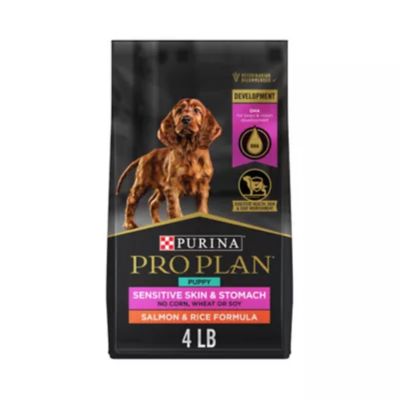
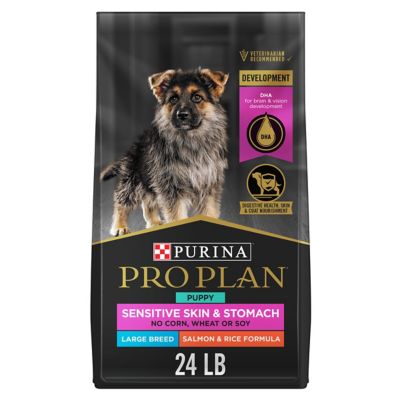
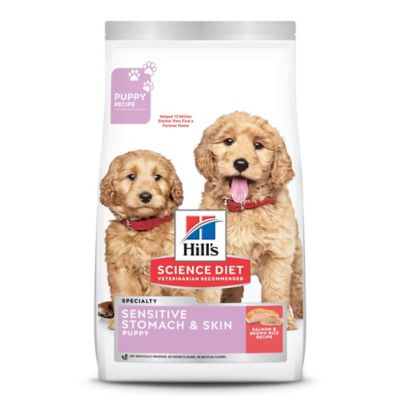
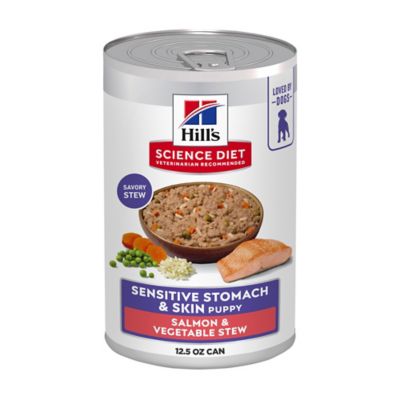
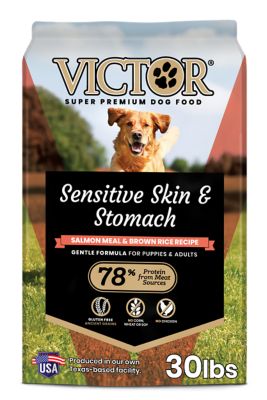
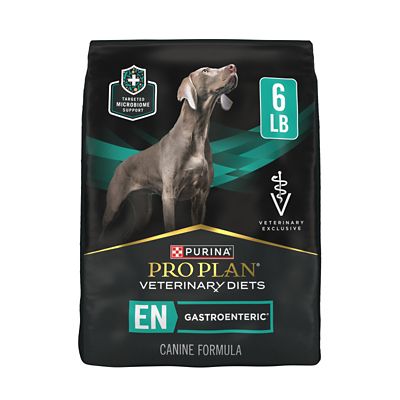
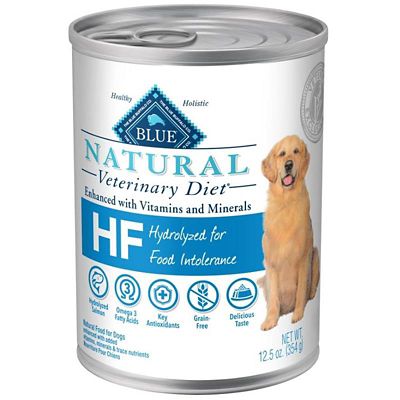
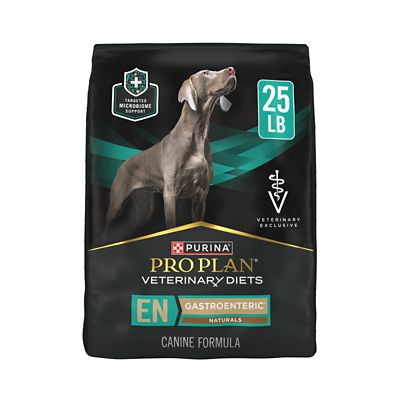
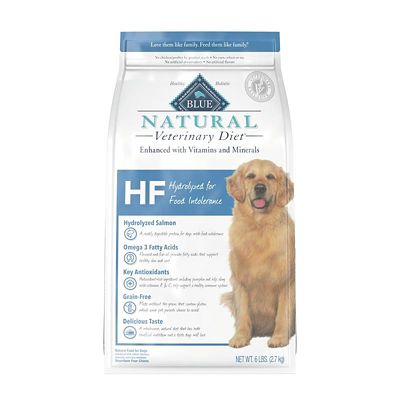
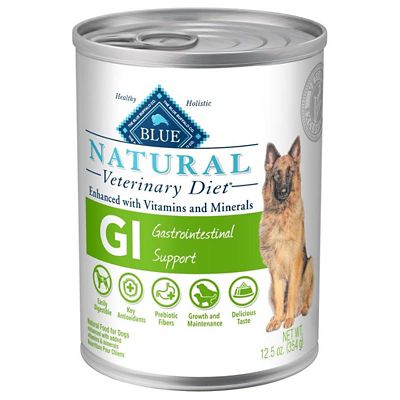
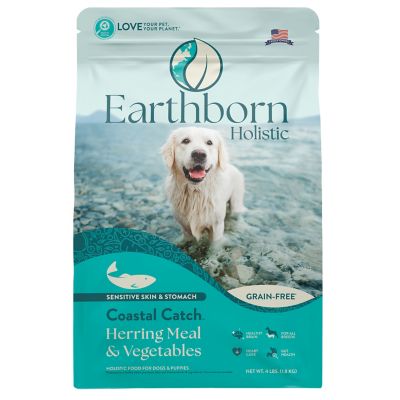
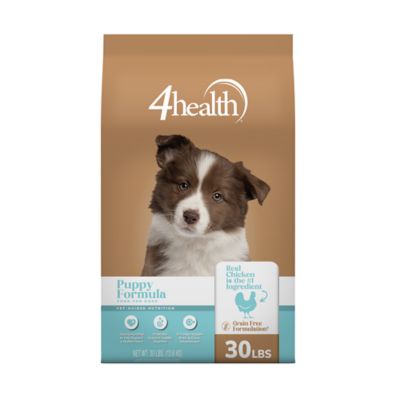
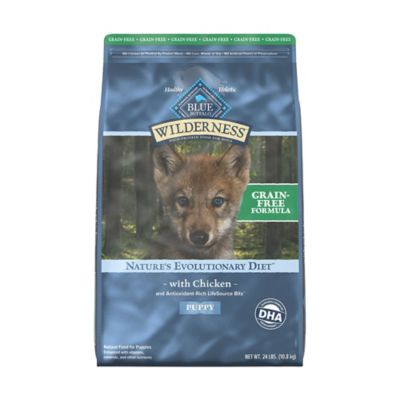
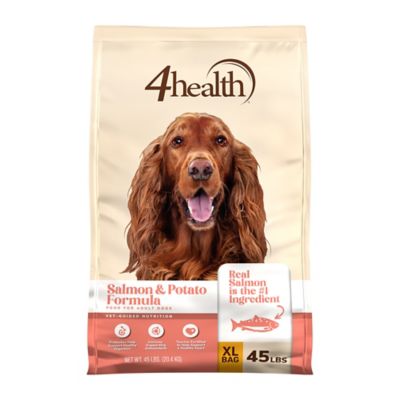
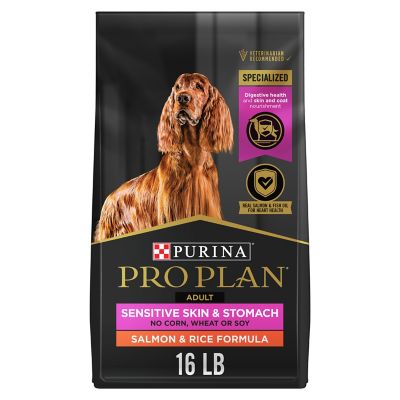
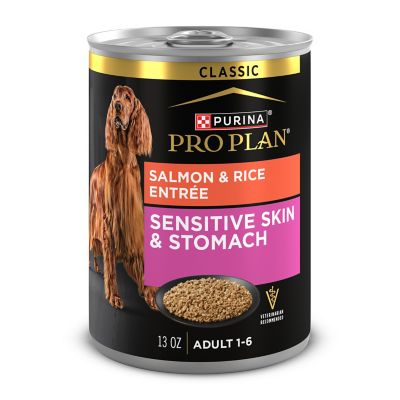
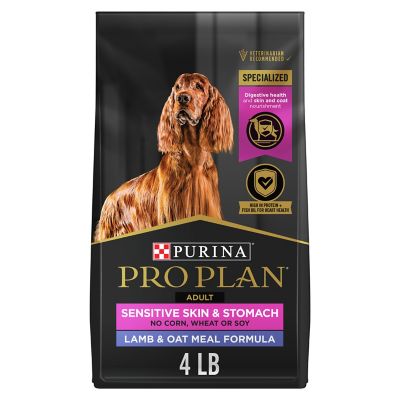
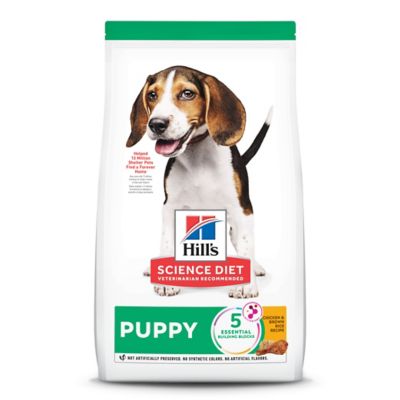
Sensitive stomach puppy food brings together digestive support and the nutrition a young dog needs for steady growth, from building muscle to developing bones and teeth. Features worth comparing include digestible protein, carbohydrates that a puppy tolerates well, appropriate fiber, and a complete and balanced nutritional profile for growth. A sensitive-stomach label alone does not establish that a food meets a puppy’s needs, so the nutritional adequacy statement matters just as much as the ingredients on the front of the bag. Look for a statement indicating that the food meets AAFCO nutrient profiles for growth or all life stages, or that feeding tests establish its suitability for growth. Adult maintenance food is not a substitute for puppy food, even when its digestive features sound like a good match. Breed size matters, too. A puppy expected to reach 70 pounds or more as an adult needs food whose adequacy statement includes growth of large-size dogs, since appropriate calcium and energy intake help support skeletal development. Smaller puppies may do better with smaller kibble pieces that fit comfortably in little mouths, while larger puppies still need a size and texture they can manage without struggling. Across sizes, protein supplies essential amino acids, fat provides energy and essential fatty acids, and vitamins and minerals support normal development. Fat should not simply be cut out to settle a tender belly; growing puppies need enough of it, and the right level depends on the individual dog and veterinary guidance. A puppy following along during morning chores may have different calorie needs from a quieter pup that spends more time stretched out beside the couch. Feeding amounts therefore need to fit age, expected adult size, activity, and body condition rather than appetite alone. The feeding chart offers a starting point, with adjustments as the puppy grows. A food that supports comfortable digestion still has to support the whole puppy, not just firmer stools.
Ingredient choices can make a difference, but no single protein or grain agrees with every puppy. Sensitive stomach puppy food may feature chicken, salmon, lamb, or another animal protein alongside carbohydrates such as rice or oatmeal. Those ingredient names offer clues about a recipe, not a promise that it will settle every upset stomach. A protein that suits one puppy may not suit another, and a new protein is not automatically easier to digest. Limited-ingredient recipes can make it easier to keep track of what goes into the bowl, provided they also supply complete and balanced nutrition for growth. They are not the same as veterinary therapeutic diets, and they do not confirm or rule out a food allergy. When a veterinarian recommends a food trial, treats, chews, table scraps, and flavored supplements can all affect the results. Fiber deserves a look as well: different fiber sources help support stool consistency and normal intestinal function, while prebiotic fibers nourish beneficial bacteria in the gut. Some formulas also contain live probiotics to support digestive health. Their effects depend on the strains, amounts, and formulation, so a probiotic claim is one feature to weigh rather than a guarantee. Dry kibble offers straightforward measuring and storage, while wet puppy food adds moisture and a softer texture that some young dogs find appealing. Either format needs the appropriate growth statement, and mixing the two means accounting for calories from both. Soft food is not automatically gentler, just as dry food is not automatically harder to digest. Grain-free food is not a default answer for a sensitive stomach, either. Corn, wheat, and soy are not automatic troublemakers for every dog, and removing grains without a clear reason may not address the problem. A veterinarian can help separate food sensitivity from parasites, infection, overeating, or a puppy’s habit of picking up something questionable along the fence line.
Everyday feeding habits help a suitable recipe do its job. A sudden switch, an overflowing bowl, or a handful of rich treats can unsettle digestion even when the main food is a good fit. Unless a veterinarian recommends another approach, a gradual transition over about seven to ten days gives a puppy time to adjust, with some dogs needing longer. Smaller, regularly scheduled meals can be easier to manage than one large serving, although meal frequency should fit the puppy’s age, size, and health. Measuring portions and counting training rewards toward the daily total helps keep an eager eater from getting more than that growing body needs. For a puppy learning to sit at the gate or walk politely on a leash, part of the daily kibble allowance can serve as a reward without adding another food to the mix. Fresh drinking water should always be within reach. Storage and bowl care matter, too: keep dry food in its original bag inside a clean, tightly closed container, follow the package directions, and store it somewhere dry and away from pests. Keep the scoop clean and dry, wash food bowls regularly, and refrigerate leftover wet food promptly according to its label. Keeping the original packaging also preserves the lot number and feeding information. When comparing
Sensitive Stomach Dry Dog Food, check the life-stage statement carefully, since digestive support does not make an adult formula suitable for a growing puppy. Changes in stool, appetite, and energy can help show how a feeding routine is working, but repeated food switching can make patterns harder to spot. Persistent digestive trouble deserves a veterinary check rather than another bag change. Repeated vomiting, bloody diarrhea, marked tiredness, or refusal to eat calls for prompt veterinary attention, especially in a young puppy that can become dehydrated quickly. With appropriate nutrition and a consistent routine, the bowl can support both a comfortable belly and the busy business of growing up.