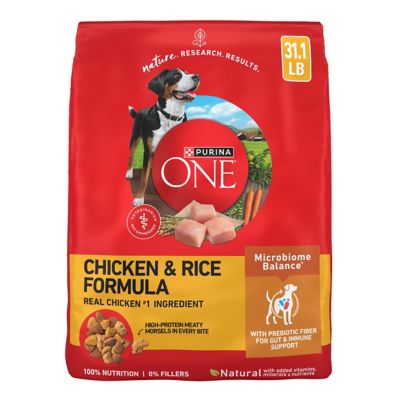
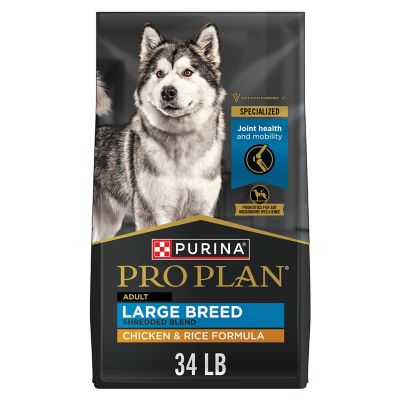
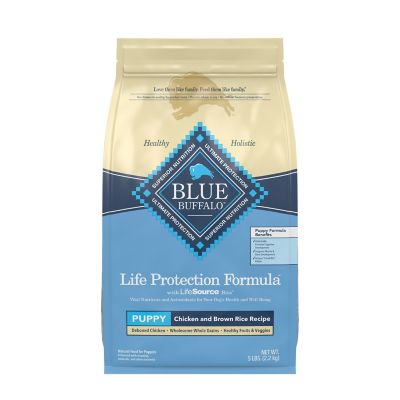
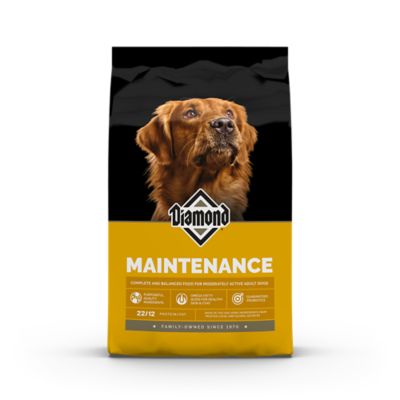
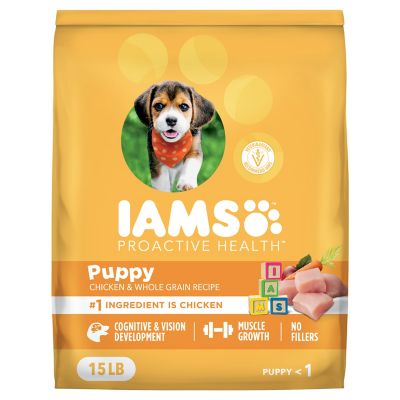
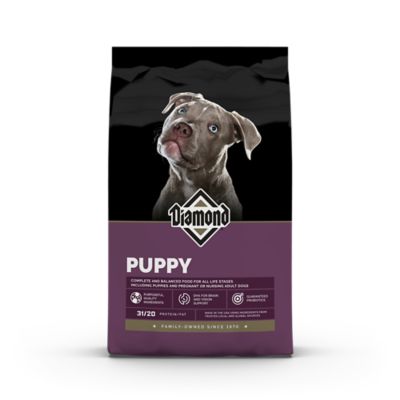
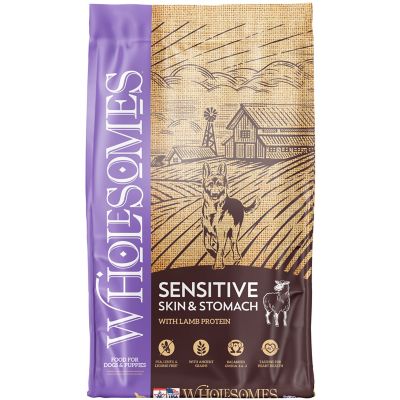
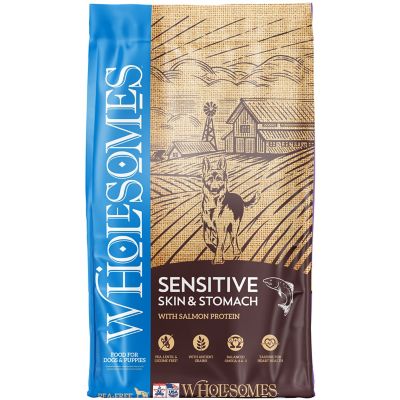
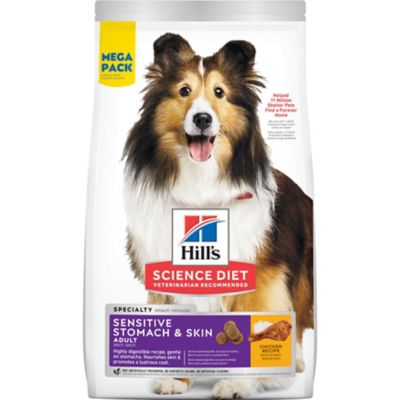
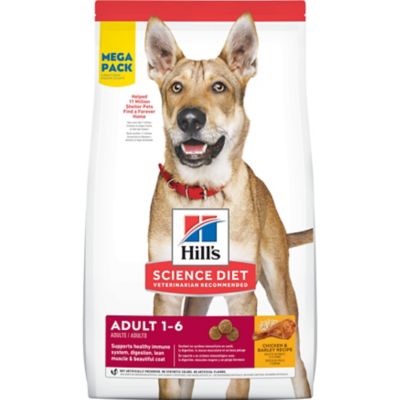
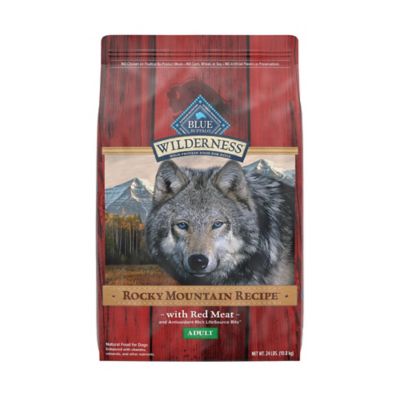
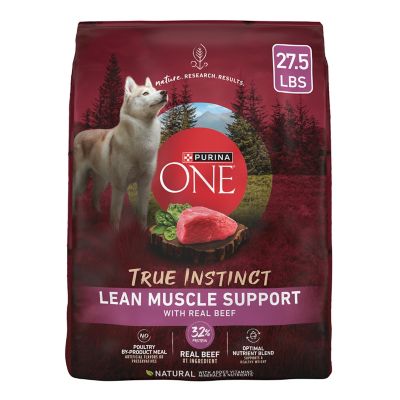
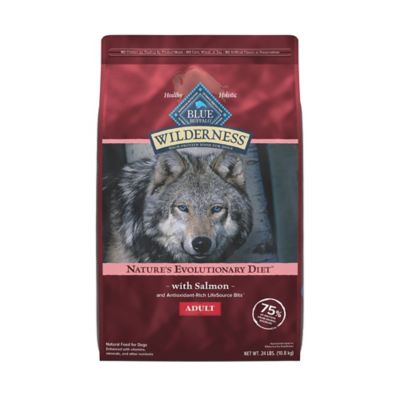
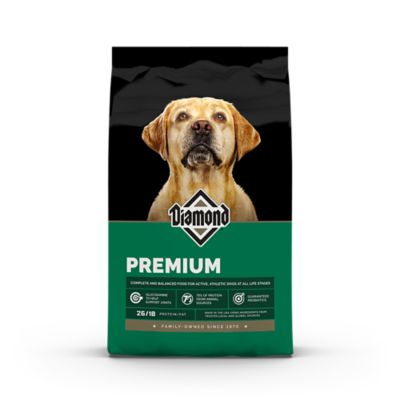
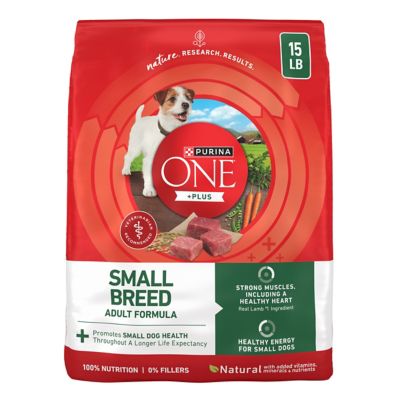
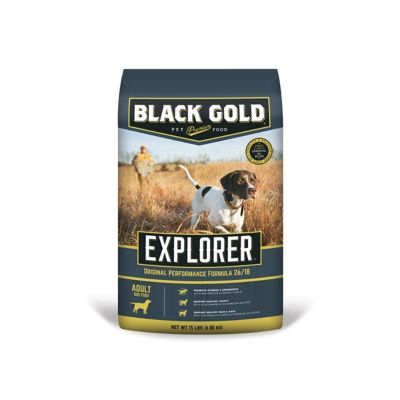
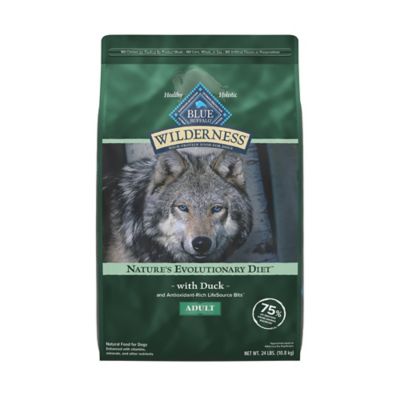
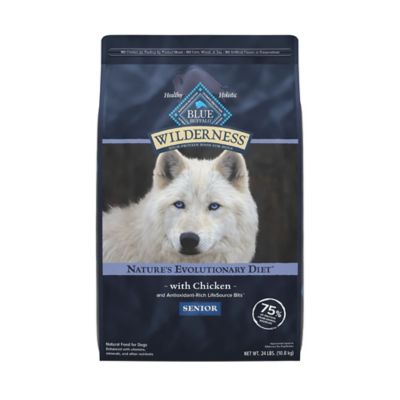
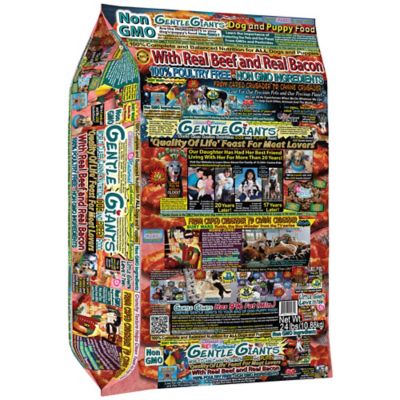
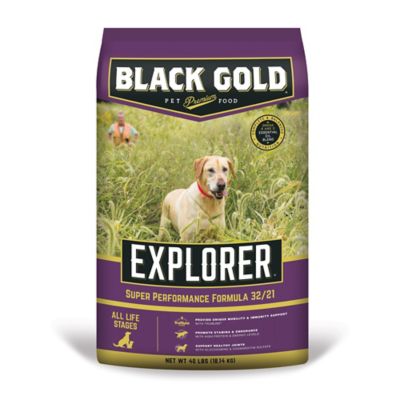
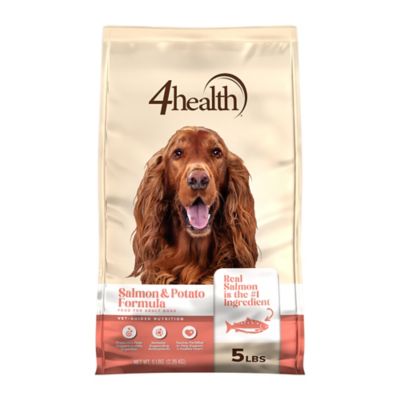
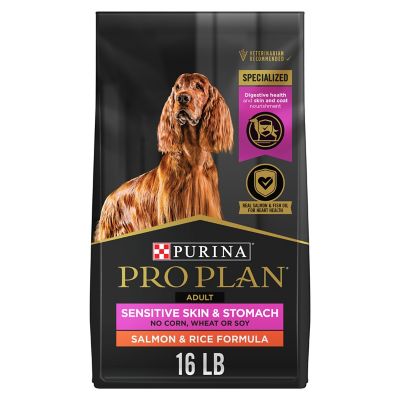
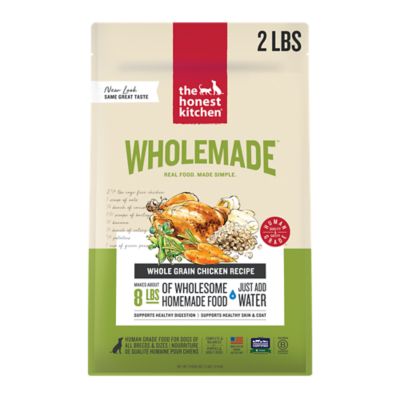
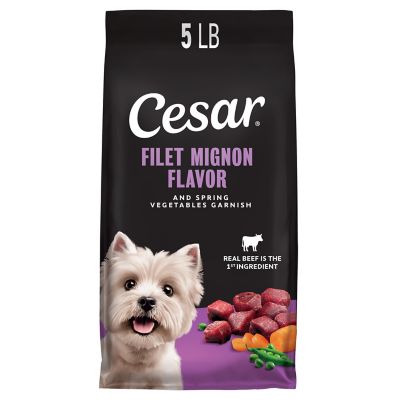
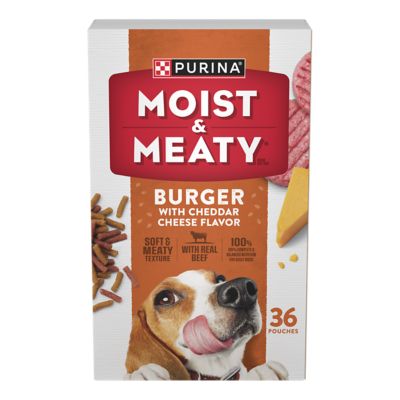
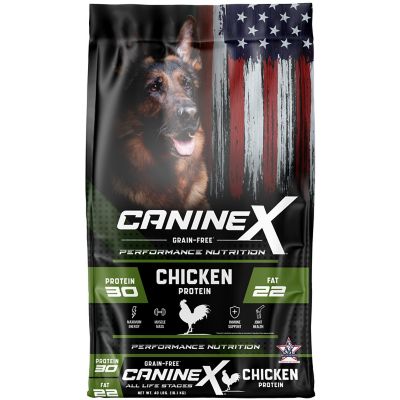
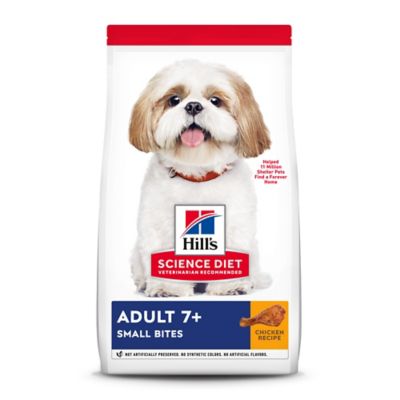
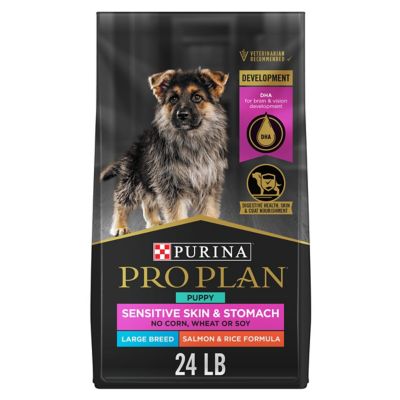
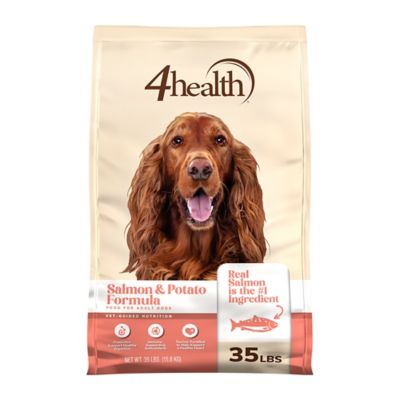
Natural dry dog food gives you a convenient, shelf-stable way to fill your dog’s bowl with a recipe built around recognizable ingredients. Many natural formulas feature a named meat, poultry or fish—such as chicken, beef, turkey or salmon—as the first ingredient, along with grains, vegetables, fruits, legumes or other wholesome ingredients. The word “natural” can mean different things from one recipe to another, so it pays to read the ingredient panel instead of relying on the front of the bag alone. Look for clearly named protein sources and recipes made without artificial colors, artificial flavors or synthetic preservatives. Some options include wholesome grains such as brown rice, oats, barley, quinoa or chia, while others are grain-free and use ingredients such as peas, lentils or potatoes for energy and texture. Neither style is automatically right for every dog; the best choice depends on your dog’s age, size, activity level, health needs and what agrees with their stomach. A hard-working farm dog that spends long days moving through pasture may need a different calorie level than a smaller companion who prefers the porch and a sunny patch of floor. Puppies, adult dogs and senior dogs also have different nutritional needs, so check the life-stage statement on the package and choose a food labeled complete and balanced for your dog’s stage of life. If your dog has a known allergy, food sensitivity or ongoing digestive trouble, compare ingredients carefully and talk with your veterinarian before changing foods. When switching recipes, blend the new food with the old food over several days to help your dog adjust. Keep fresh water available, store the bag in a cool, dry place, and use the feeding directions as a starting point while watching your dog’s body condition, energy and appetite.
When comparing natural dry dog food, start with the details that matter most to your household. A named animal protein near the top of the ingredient list can help you understand what gives the recipe its flavor and nutritional foundation. Check whether the recipe includes one primary protein or several, especially if you are trying to avoid an ingredient that has caused trouble in the past. If your dog does well with grains, a recipe made with wholesome ancient or traditional grains may provide a familiar source of carbohydrates and fiber. If you are considering grain-free food, review the complete ingredient list and discuss the change with your veterinarian, particularly if your dog has a medical condition or a history of diet-related concerns. It is also useful to compare guaranteed analysis, calorie content and feeding instructions rather than judging value by bag price alone. A larger bag may suit a multi-dog home or a big breed, while a smaller bag can be a practical way to test a new recipe before committing to more food. For households with several dogs, separate feeding areas and measuring cups can make portions easier to manage. Traceable sourcing is another consideration for shoppers who want more information about where ingredients come from or how a food is made. Some manufacturers provide sourcing details, lot information or customer service contacts on the package or their website. Recipes described as minimally processed or human-grade may appeal to owners who prefer a particular style of preparation, but those terms should still be considered alongside nutritional adequacy, ingredient quality, freshness and your veterinarian’s advice. Natural dry food can also pair neatly with other feeding routines. Use measured pieces as training rewards, place a little in a puzzle feeder for a bored house dog, or add warm water to soften the kibble for dogs that prefer a tender texture. During warmer weather, keep opened food away from damp sheds, hot vehicles and direct sun; during cooler months, a sealed container in the pantry or mudroom helps protect the food from moisture and pests.
A bag of natural dry dog food can be a thoughtful, practical gift for a friend bringing home a new puppy, adopting a rescue dog or caring for an older companion. It is especially handy for neighbors, relatives and fellow animal lovers who are settling into a new routine and may appreciate a dependable pantry staple more than another toy. Before giving food as a gift, find out the dog’s current recipe, size, age and any allergies or dietary restrictions, since a sudden change can upset a dog’s stomach and some pets need a veterinarian-recommended diet. For your own dog, these foods fit right into everyday life, from a quick breakfast before chores to a measured evening meal after a long walk down the lane. Keep the bag sealed between feedings, wash bowls regularly and follow storage guidance to help maintain freshness. Some owners like to keep a smaller supply in a travel bin for road trips, camping weekends or visits to family, making it easier to keep meals consistent when the normal routine changes. If your dog enjoys a softer meal or you like to add variety, you can browse
Natural Wet Dog Food as another option, keeping total daily calories and portion sizes in mind. Whether you share your home with a lively young dog, a steady working partner or a gray-muzzled friend who still follows you from room to room, the right natural dry dog food should offer dependable nutrition, a flavor your dog enjoys and ingredients you feel good about serving.