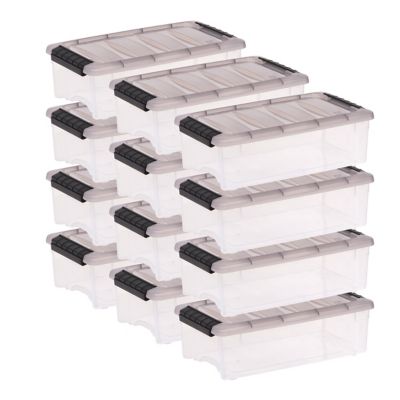
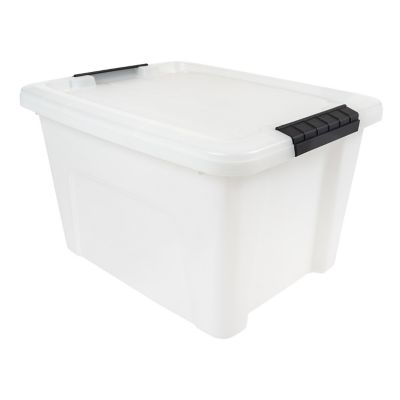
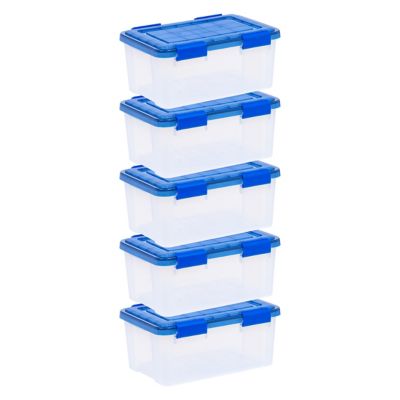
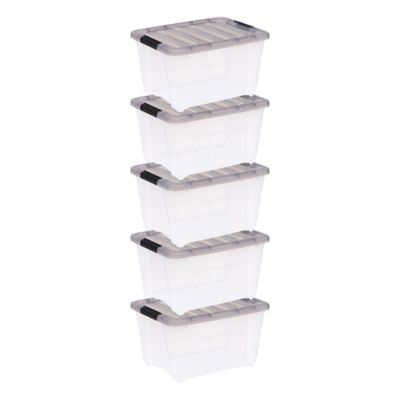
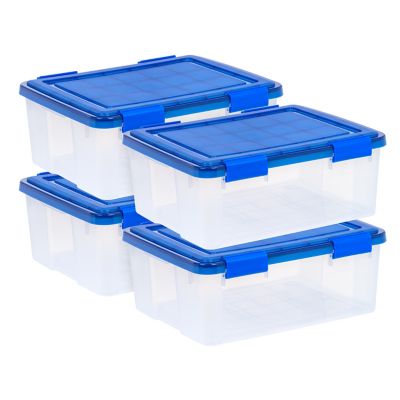
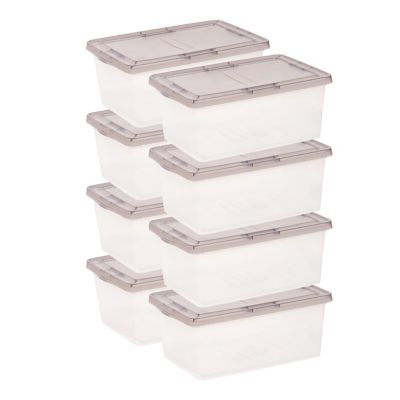
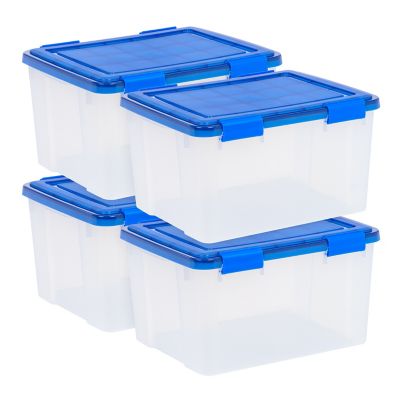
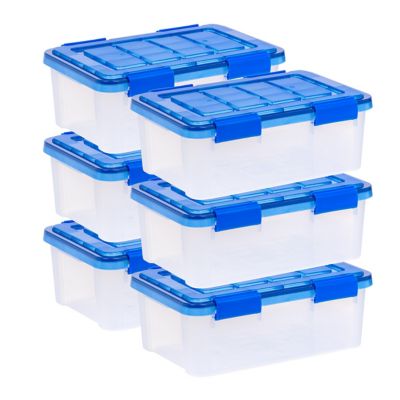
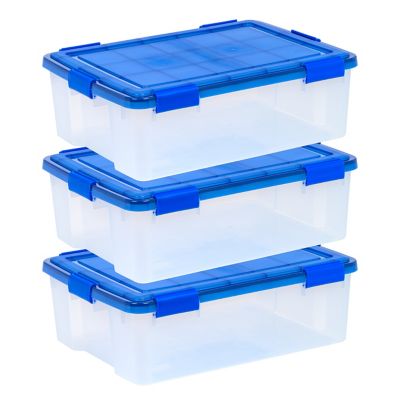
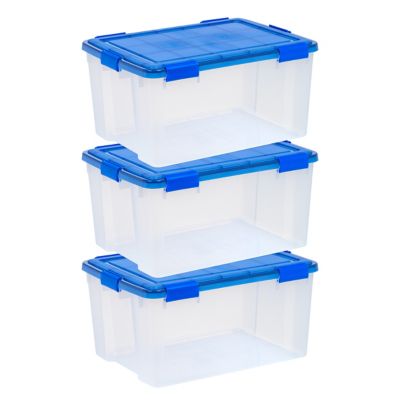
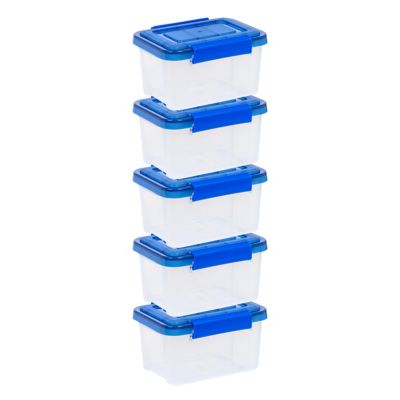
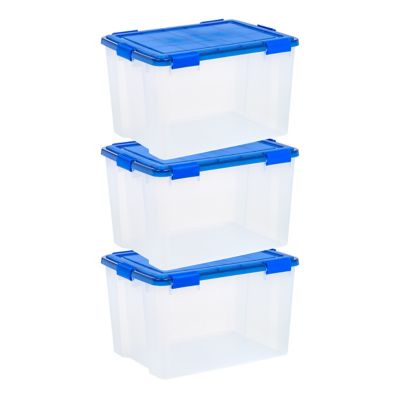
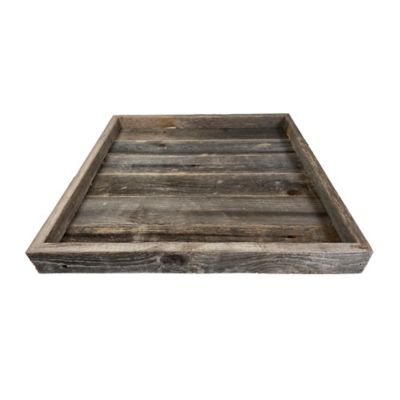
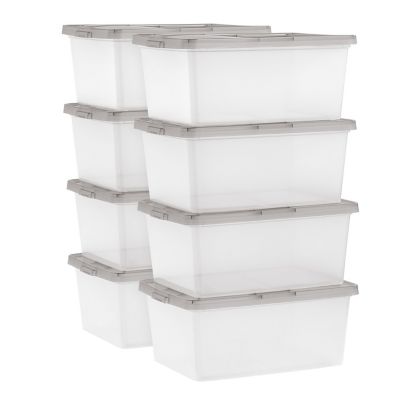
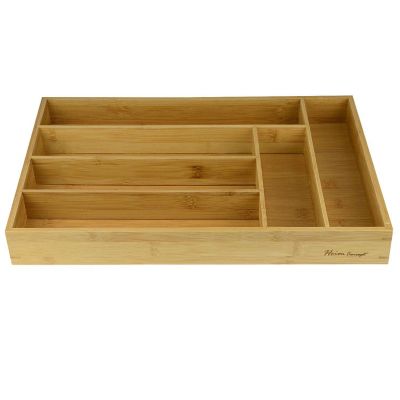
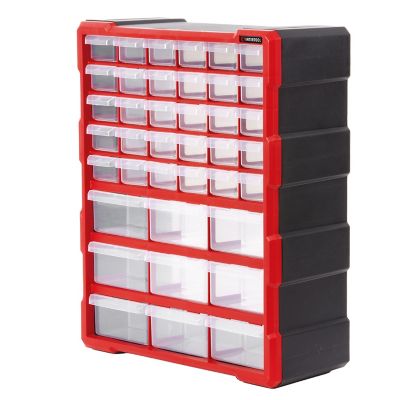
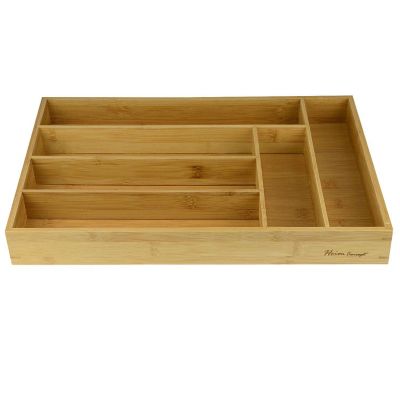
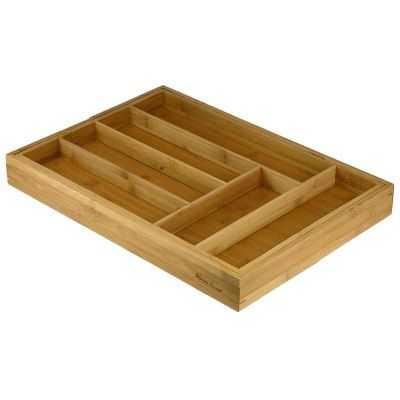
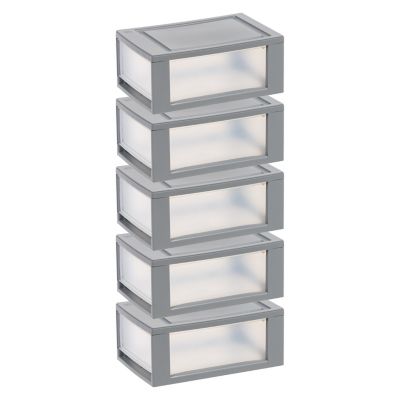
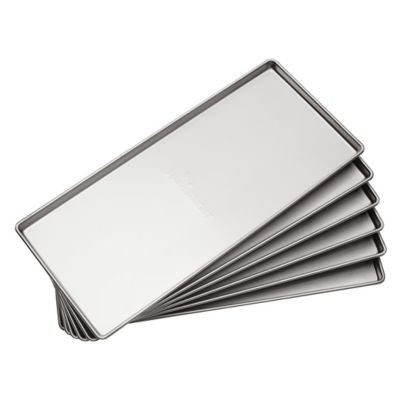
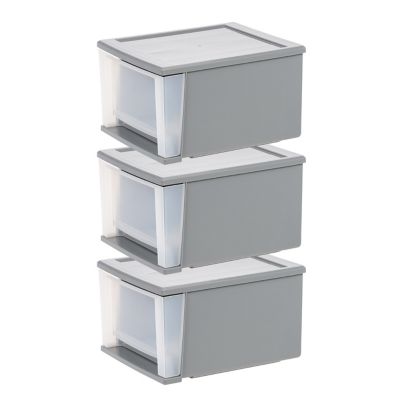
Storage trays are a simple way to bring order to the small items that tend to wander across desks, counters, shelves and drawers. They can separate paper clips, pens, sticky notes and charging cords in a home office, keep hair ties and everyday grooming supplies together on a bathroom vanity, or sort batteries, rubber bands, tape measures and small tools in a kitchen or workshop drawer. In a mudroom, a tray can hold pocket items such as keys, gloves and flashlights, while a barn office or garage workbench may benefit from several trays lined up by task. Their open shape keeps contents in view, making it easier to spot what you need without digging through a crowded drawer. Small plastic trays are often available in the low-dollar range, while larger styles or trays with added compartments may cost a little more. Clear and translucent options make it easy to see contents at a glance, and white or other light colors can brighten a dark drawer. Trays with textured bottoms may help items stay in place when the drawer opens, while smooth interiors are easy to wipe clean after collecting dust, sawdust or spilled toiletries. For craft supplies, office materials or children’s art tools, divided trays can keep each group in its own section. Sliding or stackable designs can make better use of vertical space, especially where shelf room is limited.
Before choosing storage trays, measure the inside of the drawer, cabinet or shelf rather than relying on the outside dimensions of the furniture. Check the length, width and available height, and leave enough clearance for the drawer to open without catching on the tray. A tray that fits snugly may make the most of the space, but a little breathing room can make it easier to lift out for cleaning. Think about the items going inside, too. Shallow trays work well for flat supplies, jewelry, fasteners and writing tools, while deeper trays can hold batteries, small hardware, pet care supplies or rolled-up cords. Compartments are helpful when pieces need to stay sorted, but an open tray may be more flexible for items that change from day to day. For a garage or shop, look for sturdy plastic construction and a base that sits flat on the work surface. For a bathroom, choose a tray that can be wiped down easily and that leaves room around bottles so moisture does not collect underneath. In a kitchen junk drawer, group like items together instead of filling one tray with everything: one section for batteries, another for measuring tools, and another for fasteners or spare parts. A quick measurement and a short list of what needs a home can keep a storage project from turning into another crowded container. When a drawer needs more room than a tray can provide, browse
Storage Drawers for another way to keep supplies contained and within reach.
Storage trays also fit naturally into seasonal routines around the home, farm and shop. During the cooler months, an entryway tray can gather hats, gloves, keys and pocket knives so they are ready when everyone heads outside. A tray near the back door can keep hand warmers, small flashlights and dog leashes together, while a utility-room tray can hold spare light bulbs, batteries and other items that are easy to misplace when days grow shorter. In a home office, separate trays can make paperwork, stamps and writing supplies easier to manage when indoor projects take up more of the day. They can also make a thoughtful gift for someone settling into a new house, setting up a first apartment, organizing a workshop or preparing a desk for school. A family member who enjoys sewing, painting or small repair work may appreciate a set of trays that keeps supplies sorted without taking over the whole room. The best choice is usually based on the recipient’s space and routine: clear trays suit someone who likes to see every item, divided trays help a person who prefers careful sorting, and stackable trays can help where shelf space is tight. Whether they sit in a kitchen drawer, bathroom cabinet, office, garage, tack room or mudroom, storage trays give everyday items a place to land and make regular chores feel less scattered. A few well-sized trays can turn a jumble of loose parts into a setup that is easier to maintain through changing seasons and busy days.