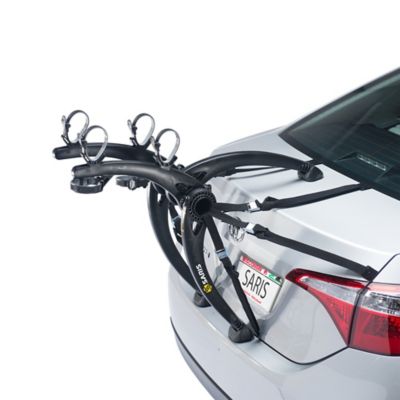
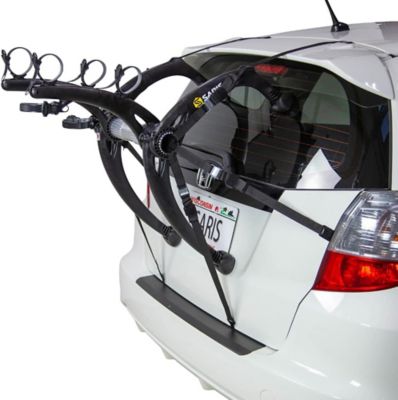
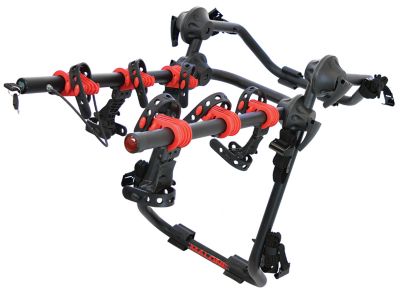
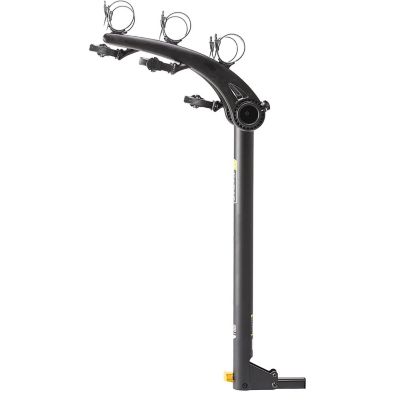
Sedan bike racks make it easier to bring bikes along for rail trails, campground roads, gravel lanes, and weekend rides without giving up the trunk space or fuel economy of a larger vehicle. The best rack depends first on how many bikes you plan to carry, what those bikes weigh, and how often you expect to load and unload them. A trunk-mounted rack is a popular choice for sedan owners because it is generally affordable, easy to store, and does not require a permanent change to the vehicle. Adjustable straps and padded contact points hold the rack against the trunk and rear body panels, while cradles and tie-downs help keep the bikes steady during travel. These racks can work well for occasional rides, family outings, or keeping in the trunk for spur-of-the-moment trips, but fit is especially important. Check that the rack is made for your sedan’s year, body style, trunk shape, and spoiler design, and follow the stated weight and bike limits instead of guessing. Some sedans have narrow trunks, raised trim, or factory spoilers that affect how the arms and straps sit. Before every trip, make sure the rack is centered, all straps are snug, and each bike is secured at the frame with no loose ends near the tires or exhaust. Clean grit and road dust from the contact areas before installation, since trapped dirt can rub against the paint as the car moves. Soft pads, frame protection, and a clean towel between bike parts can add another layer of care, especially on a well-loved sedan that sees plenty of gravel roads. Keep in mind that a trunk rack may limit access to the trunk while it is installed and loaded, and it can cover the license plate, taillights, backup camera, or rearview sightline depending on the rack and bikes. If anything important is blocked, use the proper lighting or plate solution required for your area and adjust the setup before heading out.
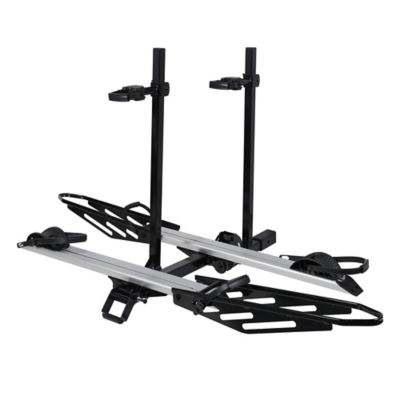
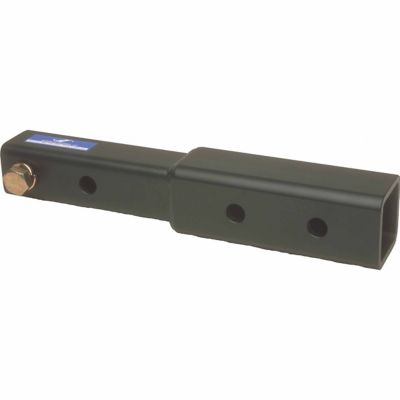
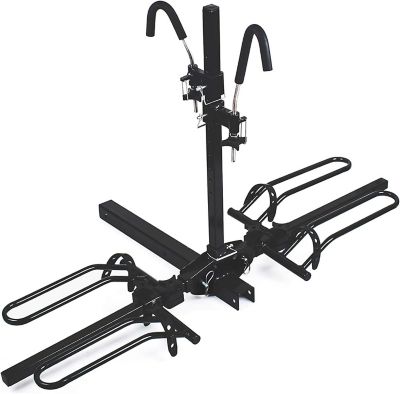
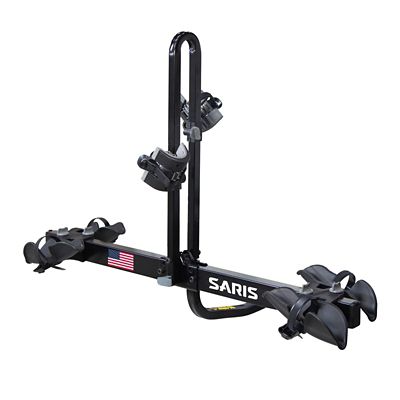
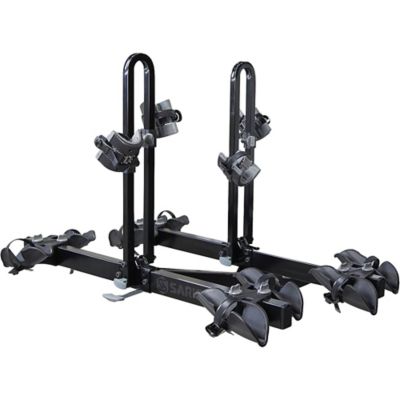
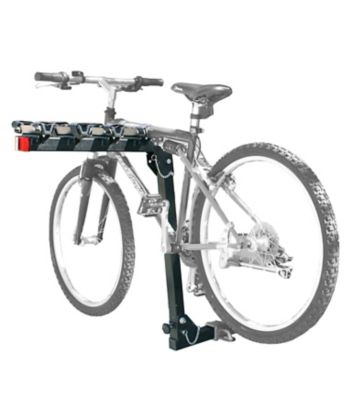
A hitch-mounted rack is another strong option when a sedan already has a trailer hitch receiver or when you are willing to have one installed. These racks attach to the receiver instead of resting directly on the trunk, which can reduce contact with the car’s paint and make loading more straightforward. Platform-style racks support the bikes by the wheels and are often a good fit for heavier mountain bikes, fat-tire bikes, and many electric bikes, provided the rack and hitch are rated for the combined load. Hanging racks hold bikes by the frame and can be lighter and easier to store, though some step-through, full-suspension, and unusually shaped frames may need an adapter bar for a level, secure fit. Always weigh each bike without relying on a rough estimate, then add the weight of the rack itself and compare the total with the rack capacity, hitch class, and sedan tongue-weight rating. Electric bikes deserve extra care because batteries and larger frames can make them much heavier than standard road or hybrid bikes. Remove batteries and other loose accessories before transport when the manufacturer allows it, and use a loading method that does not require you to lift more than you can safely handle. A ramp or a second set of hands can be useful for heavier bikes, especially at a trailhead after a long ride. Hitch racks generally keep the trunk more usable than trunk-mounted racks, but they can still block access, extend beyond the rear bumper, or affect the vehicle’s departure angle. Check the receiver size, anti-wobble hardware, locking features, wheel spacing, tire width range, and the amount of clearance between the bikes, rack, exhaust, and sedan. After driving a short distance, pull over in a safe spot and check the straps, cradles, hitch pin, and bike spacing again. It is common for a new setup to settle slightly once the road vibration gets to it. A rack made for a sedan should keep the load stable without putting extra strain on the vehicle, and a properly installed hitch should be handled by a qualified installer when the job is outside your experience.
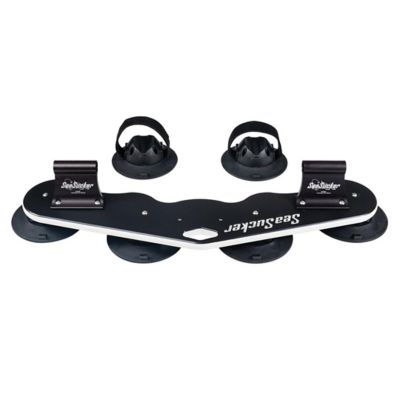
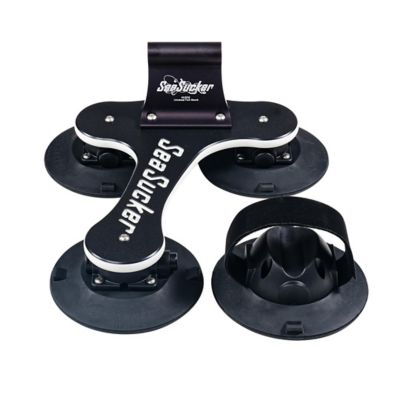
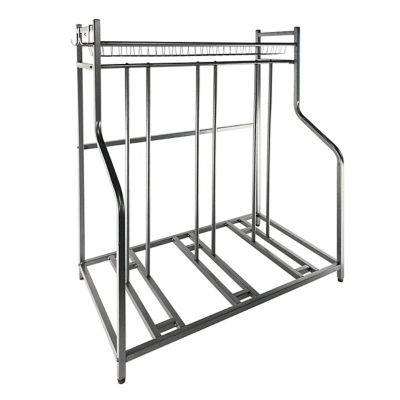
Roof-mounted bike racks can also suit sedan owners who already have crossbars, but they call for a little more planning. They keep the trunk and rear lights clear and leave the rear bumper open for loading other gear, yet the bike sits higher and must be lifted overhead. Remember the added height before pulling into a garage, barn bay, carport, drive-through, or older bridge clearance. A quick note taped to the dashboard can help prevent the all-too-familiar mistake of driving away with a bike still on the roof. Roof racks may add wind noise and affect fuel use, and they are less convenient when carrying a heavy bike or when the weather turns wet and cold. Whether you choose a trunk, hitch, or roof setup, match the rack to your riding habits rather than choosing by price alone. A solo rider carrying one lightweight bike may value quick installation and easy storage, while a family may need separate cradles, generous spacing, and room for several different frame styles. Riders who head down country roads or travel to state parks will appreciate a rack that stays quiet over bumps and does not require constant retightening. If you are shopping for a cyclist’s birthday, retirement, graduation, or holiday gift, a sedan-compatible rack can be a thoughtful choice when you know the recipient’s vehicle, bike count, and riding style; a gift card or a chance to compare fit together may be better than guessing at receiver size or weight limits. For riders who store bikes at home between outings, a
Garage Bike Racks option can help keep equipment off the floor and ready for the next trip. During the warmer part of the year and into the cooler months, inspect straps for fraying, bolts for looseness, rubber pads for wear, and locking parts for smooth operation. Store the rack indoors or under cover when possible, wash away road salt and mud, and take the bikes off when the car is parked for an extended period. A careful fit, sensible weight limit, and quick inspection before each drive will help protect your sedan, your bikes, and everyone sharing the road.