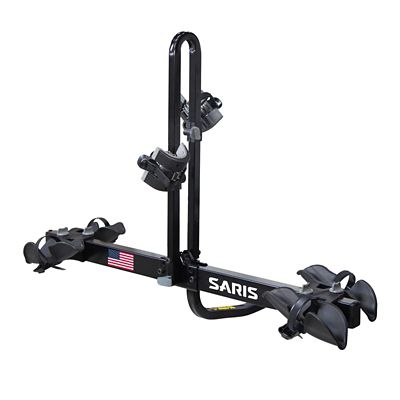
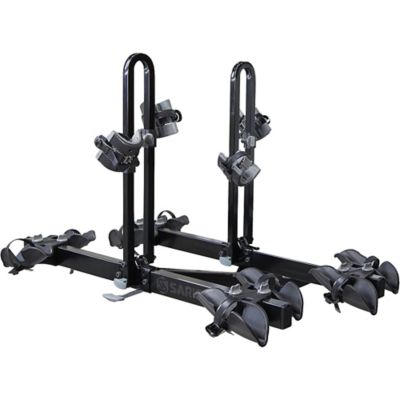
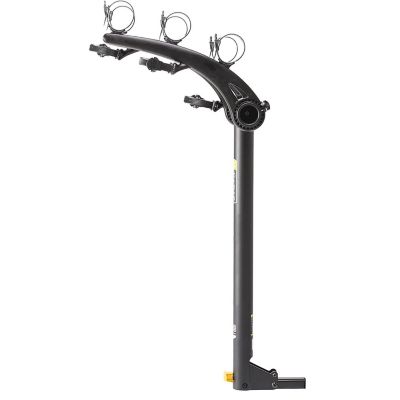
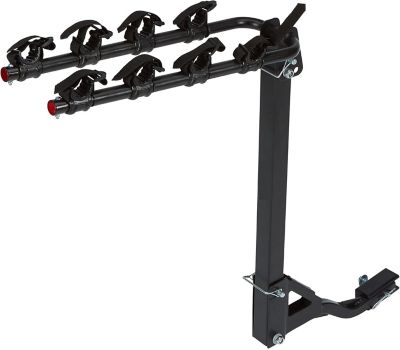
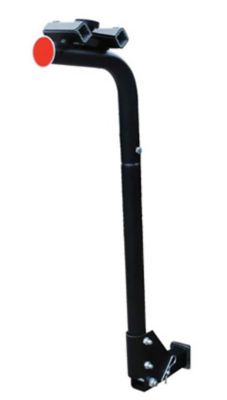
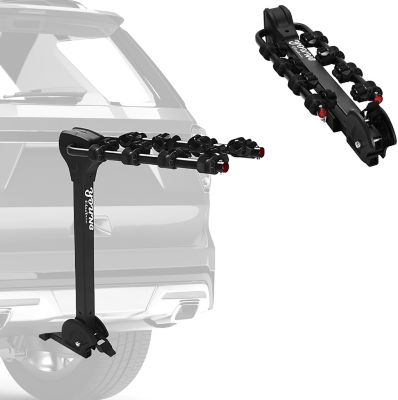
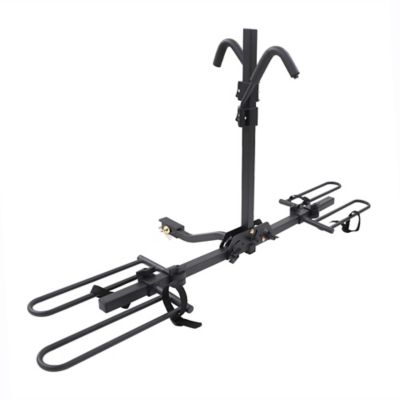
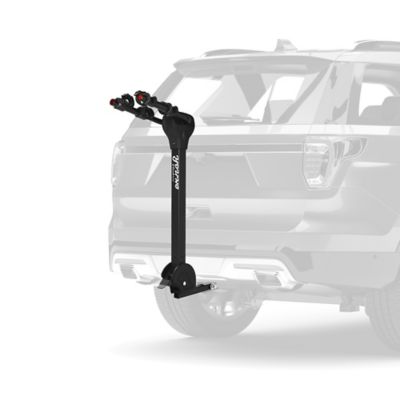
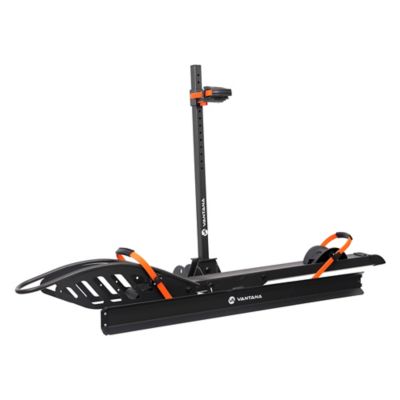
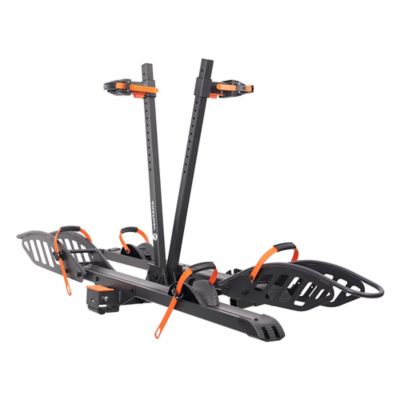
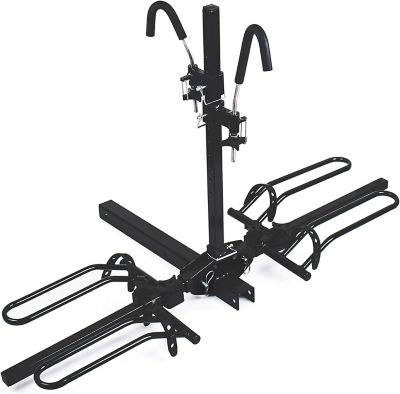
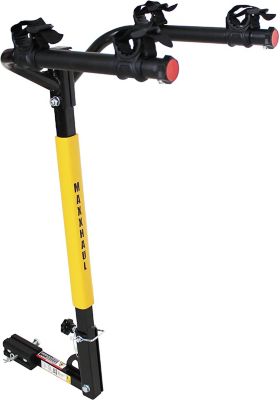
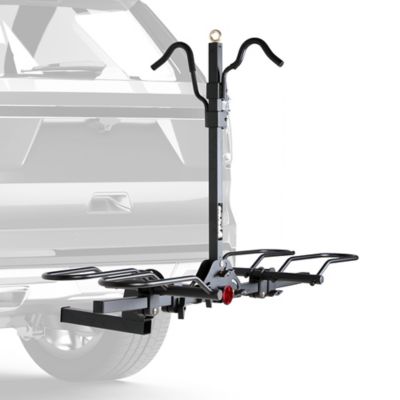
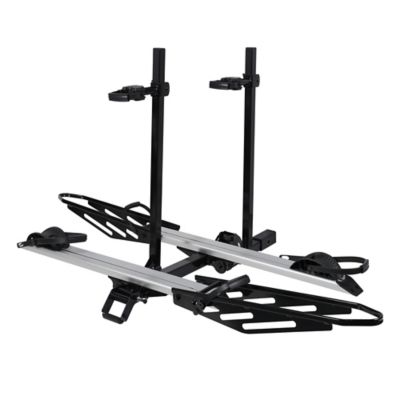
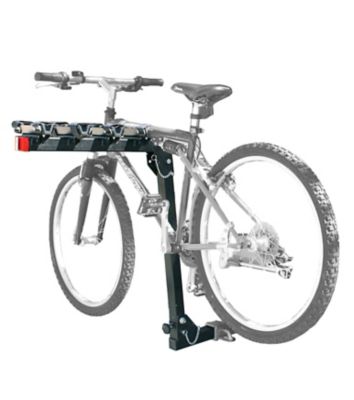
SUV bike racks carry bicycles outside the vehicle, leaving the cargo area open for helmets, riding shoes, a cooler and the rest of the day’s gear. The main styles attach to a hitch receiver, mount on roof crossbars or fasten to an approved rear hatch with straps. The right fit depends on the SUV’s mounting points, the number of bicycles coming along and the weight and shape of each bike. For a family headed to a rail trail or a rider hauling a mountain bike to a favorite trailhead, those details matter more than the vehicle’s size alone. Hitch bike racks keep loading closer to the ground than roof carriers, which can make a difference with a tall SUV or a heavier bicycle. Platform hitch racks support bikes in wheel trays, with retaining arms or straps that vary by design. Some hold the tires without touching the frame, while others secure the frame directly, so the attachment method matters for carbon frames, fenders and unusual frame shapes. Hanging hitch racks support bicycles from their frames and can offer room for several bikes without a full set of trays. Step-through frames and smaller children’s bikes may need a manufacturer-approved adapter bar to sit properly on the arms. Vertical hitch racks carry bicycles upright, but wheel size, fork design and loading requirements still need to match the carrier’s specifications. For households bringing several riders along,
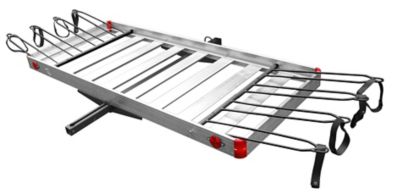
4 Bike Hitch Racks offer a focused way to compare carriers built around that bike count. Receiver size is another essential match: a rack must fit the receiver and meet the requirements listed for both the vehicle and carrier. The combined weight of the rack and bicycles must stay within all applicable limits, including any vehicle restrictions on hitch-mounted accessories. Capacity also has two parts: the total number of bikes and the permitted weight per bike. Four open spaces do not necessarily mean a carrier can handle four heavy electric bicycles.
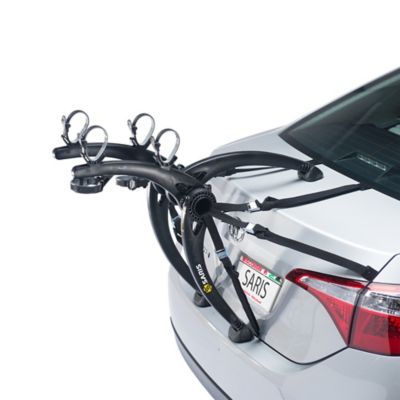
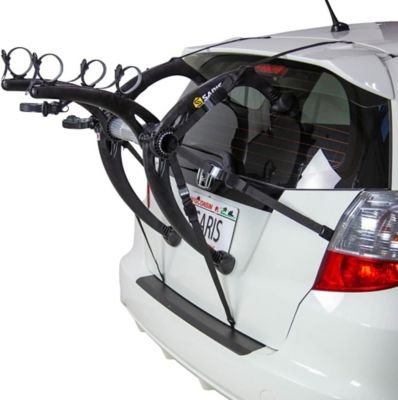
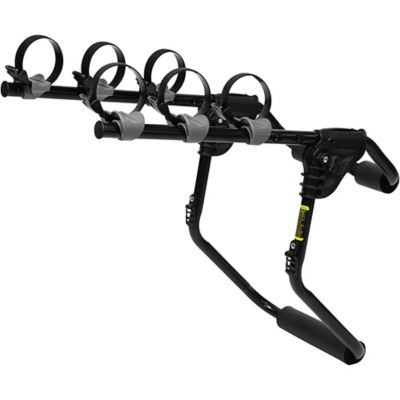
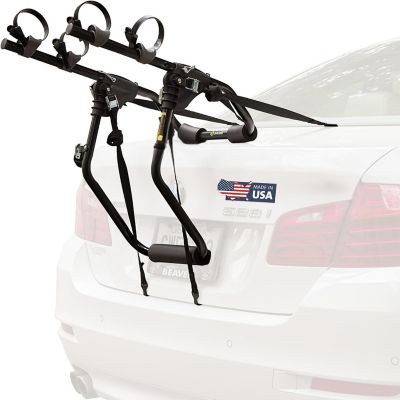
Roof-mounted SUV bike racks suit vehicles with compatible crossbars and riders who prefer to keep a carrier away from the receiver. Some designs carry a bicycle with both wheels attached, while fork-mount styles require removal of the front wheel and a matching fork attachment or approved axle adapter. Crossbar shape, bar spacing and the mounting hardware all affect fit; raised roof rails by themselves are not the same as a complete crossbar system. The vehicle’s roof-load limit also needs to account for the bars, carriers and bicycles together, along with the limits of each component. On a taller SUV, lifting a bike onto the roof can take considerable reach, especially after a long ride when arms and shoulders are tired. A roof setup also adds height that matters at garage doors, covered parking areas and low entrances. Knowing the loaded vehicle’s clearance is part of living with that style of carrier. Rear strap-mounted racks offer another mounting approach, but compatibility is specific to the vehicle rather than simply to the SUV category. Hatch shape, glass placement, rear spoilers, wipers and the location of approved strap contact points can rule out an otherwise appealing design. Some vehicles cannot accept this type of rack at all. Where a strap-mounted carrier is approved, padded feet and correctly positioned straps help support the load, though grit trapped between a pad and the body can still mark the finish. Rear-mounted spare tires create another fit consideration, whether the rack attaches to the spare-tire assembly or sits behind it on a hitch. Clearance around the tire, bumper and hatch needs to come from the carrier’s fit information, not an assumption based on appearance. Tilt-away and swing-away mechanisms can make rear access easier, but their operating rules differ. Some allow movement with bicycles loaded, while others require unloading first, an important distinction when the snack bag or a child’s helmet is tucked behind the back seat.
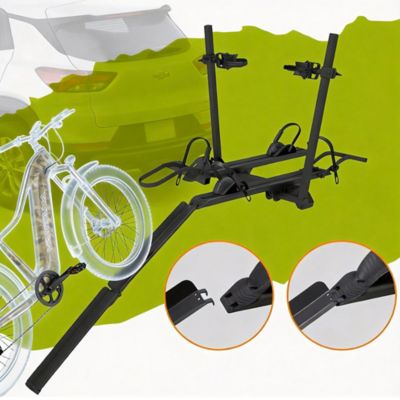
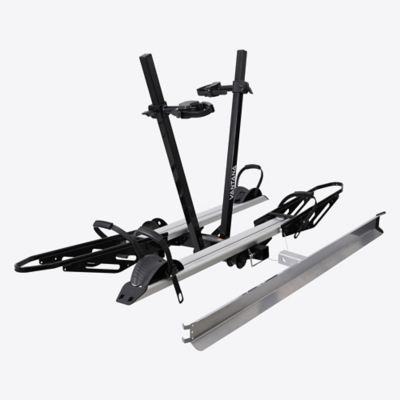
Materials and hardware help explain how an SUV bicycle carrier handles regular hauling. Steel frames often bring substantial strength, while aluminum components can reduce the weight a person has to lift when installing or removing the rack. Actual load ratings matter more than material alone, and protective finishes, sound welds and well-fitting fasteners all contribute to service life. Wheel trays, ratcheting straps, cradles and padded contact points should suit the bikes being carried, including tire width, wheel diameter and wheelbase. A fat-tire bike, a long-wheelbase electric bike and a small youth bicycle can present very different fit challenges on the same carrier. Electric bikes deserve particular attention because their weight may exceed the limits of racks intended for lighter bicycles; a loading ramp can help only when it is approved for that rack. Battery removal should follow the bicycle manufacturer’s directions, and the rack still needs to support the remaining bike weight within its stated limits. On multi-bike carriers, spacing between handlebars, pedals and frames helps limit rubbing during the drive. Anti-sway features and hitch-stabilizing hardware can reduce movement when fitted as directed, but they do not replace proper loading and secure attachment. Integrated locks or compatible cable locks may help deter theft during a lunch stop, with separate protection needed for the rack-to-vehicle and bike-to-rack connections. Rear carriers can also affect visibility of the license plate, lights, camera or sensors, making vehicle fit and applicable road requirements worth checking before travel. Regular care is straightforward: remove road grit from contact surfaces, inspect straps and retaining parts for wear, and check fasteners according to the manufacturer’s schedule. Moving joints and locks need only the maintenance specified for their design. A rack that folds compactly or separates into manageable sections can be easier to store in a garage or shed between outings. Whether the trip is a solo ride after chores or a family drive to a trailhead, a well-matched carrier keeps the hauling setup practical without treating every bicycle or every SUV as the same.