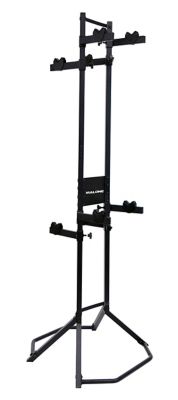
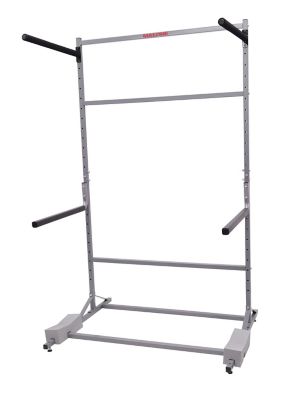
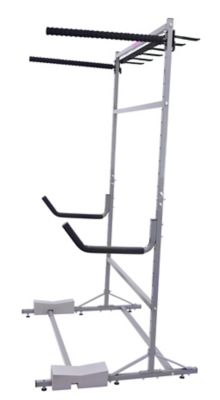
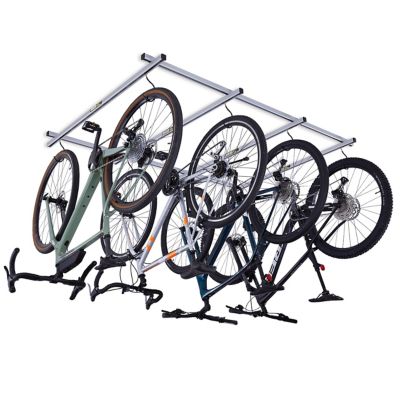
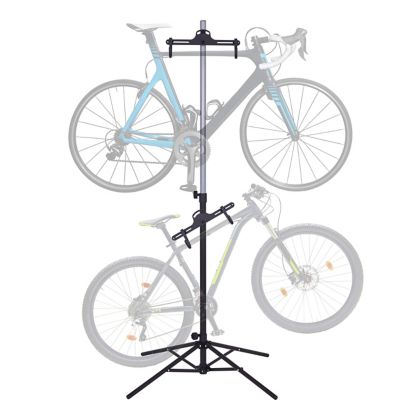
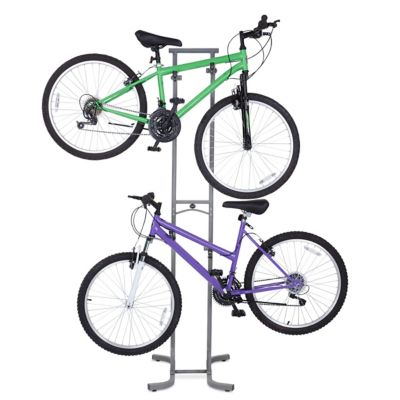
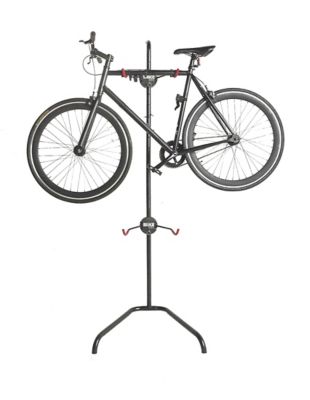
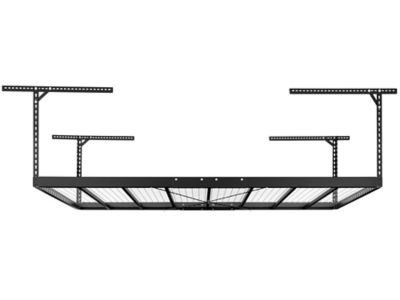
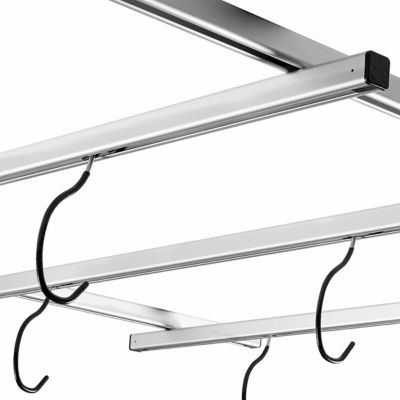
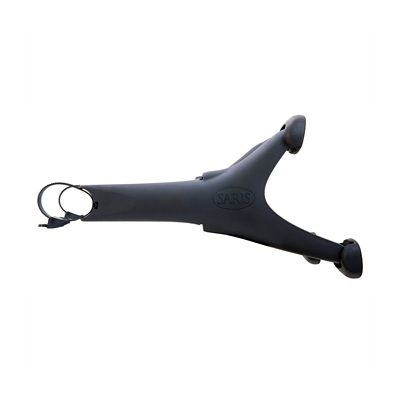
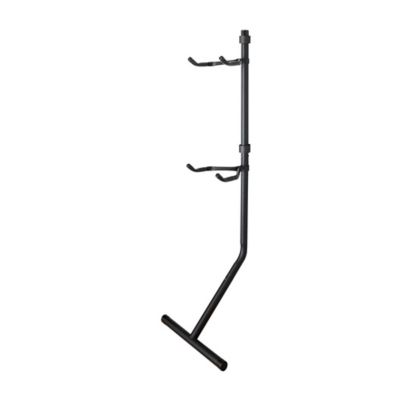
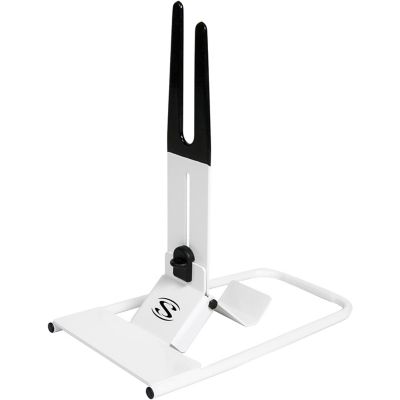
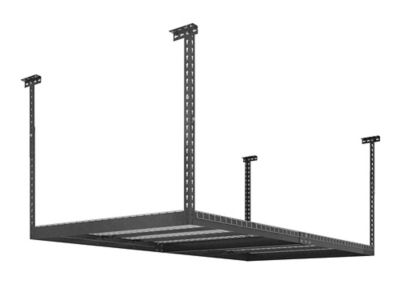
Garage bike racks are storage systems that hold bicycles upright, against a wall, or overhead, helping keep parking spaces and walkways clear. The main styles include freestanding floor racks, wall-mounted racks, pivoting racks, and ceiling-mounted hoists, with each style making different use of garage space. A floor rack supports bikes at ground level, making it a practical choice for riders who want to roll a bicycle into place without lifting it. Many freestanding designs need no attachment to a wall or ceiling, though their footprint matters in a garage that also holds a pickup, mower, and workbench. Vertical wall-mounted bike racks hold bicycles with one wheel above the other, trading some wall height for more open floor space. Horizontal wall racks support a bicycle sideways, often beneath the top tube, and can work well where there is a broad stretch of open wall. Pivoting bike racks let a supported bicycle swing closer to the wall, which can help beside a parking bay or along a narrow passage. Ceiling bike racks and pulley hoists put storage overhead, leaving room below when the ceiling height and installation location allow it. The right arrangement depends as much on the household’s routine as on the number of bicycles. A bike that heads down the lane every afternoon benefits from an easy-to-reach spot, while a bicycle ridden less often may fit better farther from the main entrance. In a shared garage, individual storage positions help keep handlebars and pedals from tangling together. Leaving room to wheel a bike out without moving a trash can, feed cart, or another bicycle makes the whole setup easier to live with. A rack earns its space when putting a bike away feels just as straightforward as taking it out.
Fit goes beyond counting how many bicycles a garage bike rack can hold. Wheel diameter, tire width, bicycle weight, frame shape, and accessories all affect how a bike sits in its storage position. A narrow road tire, a broad mountain bike tire, and a small child’s bicycle may not settle into the same wheel channel or hook equally well. Fenders can interfere with some wheel-holding designs, while baskets, rear carriers, and wide handlebars add to the space each bicycle needs. Electric bicycles deserve particular attention because the weight of the complete bike may exceed the limits of some storage racks. The stated capacity for each bicycle matters alongside the total capacity of a multi-bike system, and compatibility with heavier bicycles should be confirmed in the manufacturer’s specifications. Frame-supporting racks also need suitable contact points, especially for step-through frames, full-suspension bikes, or frames with sloping top tubes. Padded cradles and coated hooks can help limit scuffs, but the support method still needs to match the bicycle manufacturer’s storage recommendations. Steel construction offers strength and a steady feel, while aluminum components can reduce the weight of the rack itself. Paint, powder coating, and protective contact sleeves help shield surfaces from everyday wear, though those finishes still benefit from occasional attention. For wall-mounted systems, the strength of the mounting surface is part of the setup: wall studs or suitable masonry, proper hardware, and the specified attachment method all matter. Drywall alone is not a substitute for the structural support called for in the installation instructions. Ceiling-mounted systems need suitable structural anchoring, plus clearance from garage door tracks, lights, and the moving door. A bicycle hanging overhead also needs enough room beneath it for the activities planned in that space. Measuring the bicycle in its stored position, including its handlebars and pedals, gives a more useful picture than looking at rack dimensions alone. Even a compact rack can place a bike farther into the room than expected.
Everyday handling and basic care help a garage bicycle storage setup stay useful over time. Ground-level parking is often easier for children or anyone who finds lifting a bicycle awkward, while wall storage can suit riders comfortable raising a wheel into position. Reach matters, too: a hook that looks tidy high on the wall may be inconvenient for a shorter rider, and a loaded ceiling hoist needs controls that can be operated as directed. Freestanding racks need a level, stable location where a bicycle can settle into its holder without leaning against nearby equipment. In a busy family garage, enough spacing between bikes makes it easier to grab the right one without scraping a brake lever across a neighboring frame. Keeping tires, chains, and pedals clear of parked vehicles helps prevent marks and snags as people move through the space. After a bicycle is washed, letting it dry before storage helps keep water from collecting around padded supports or metal joints. Dirt and grit on contact surfaces can rub against a frame or wheel, so those areas benefit from a wipe-down. Mounting hardware, hinges, straps, and pulley lines also need inspection at the intervals described by the manufacturer, with worn components addressed before the rack carries a bicycle again. Storage that leaves valve stems, locks, and commonly handled accessories within reach can make small tasks less of a chore. For a household with several riders, separate spaces for adult and children’s bicycles help keep the garage orderly without turning every ride into a reshuffling job. A thoughtfully matched bike rack can also make a practical gift for a cycling family, a new homeowner, or someone setting up a workshop, provided the bicycle measurements and mounting needs are known. Garage storage serves a different purpose from vehicle transport;
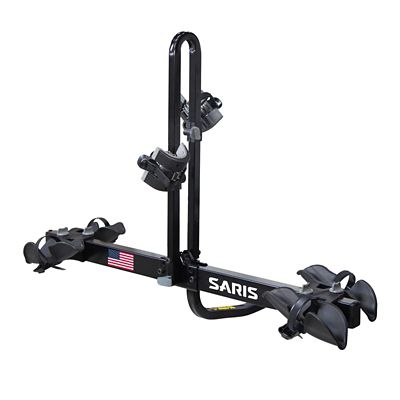
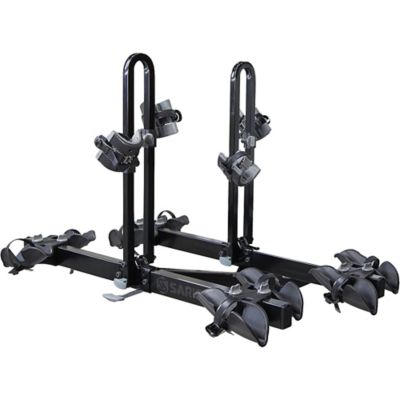
Hitch Mount Bike Racks are intended for carrying bicycles on a compatible vehicle rather than organizing them inside the garage. Keeping those jobs separate makes it easier to match each rack to the way the bicycles travel and where they belong between rides.