Bike racks for mountain bikes fall into two main groups: vehicle racks that carry bikes to the trail and storage racks that keep them organized at home. Both need to suit the bike’s size, weight, tire width, and frame shape, but they serve different jobs. A transport rack holds a bike securely during travel, while a garage or shed rack gives it a steady parking spot between rides. Mountain bikes often have wider handlebars, larger tires, and longer wheelbases than road bikes, so a rack that fits a narrow-tire bicycle may not have enough room. For trips beyond the back fence or local riding loop,
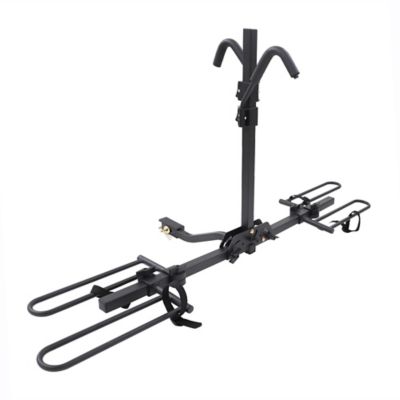
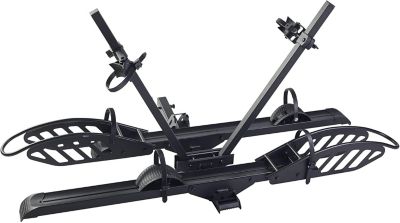
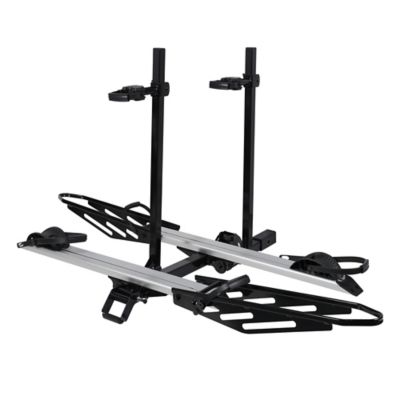
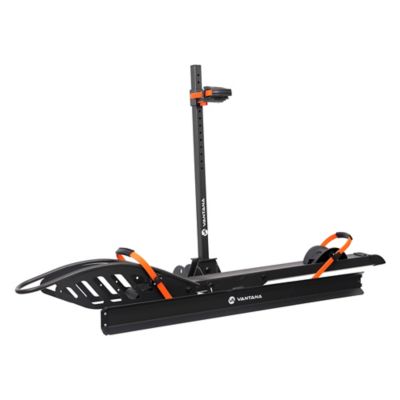
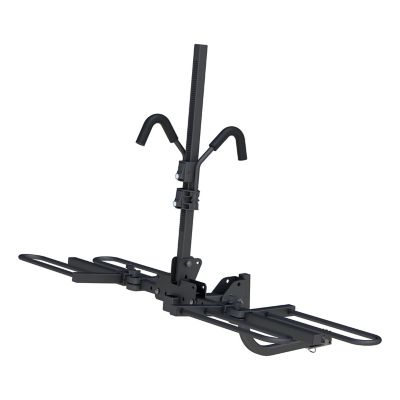
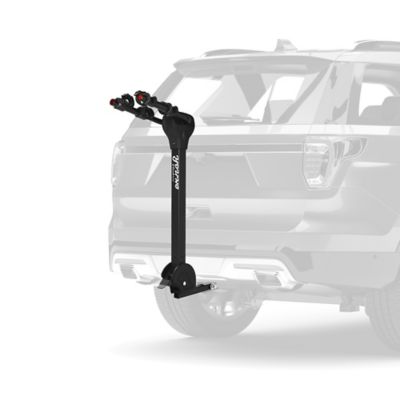
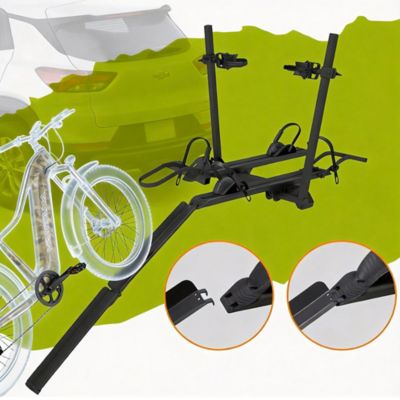
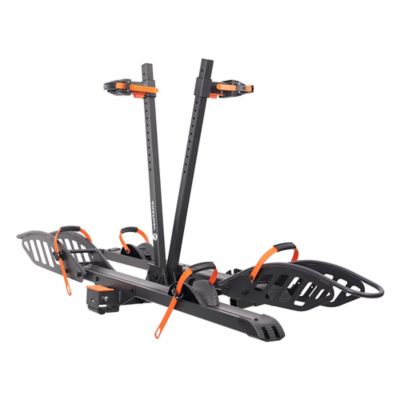
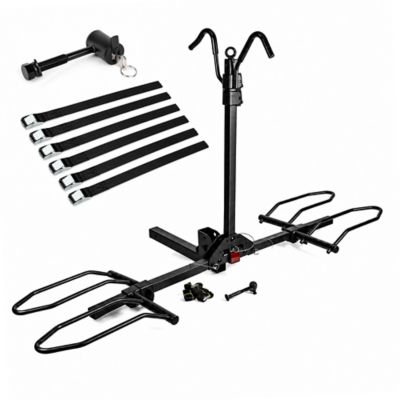
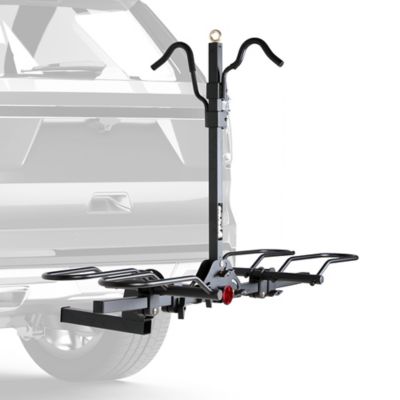
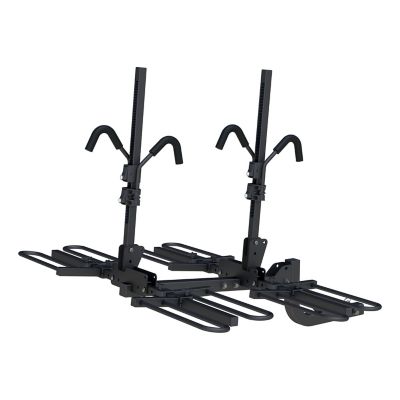
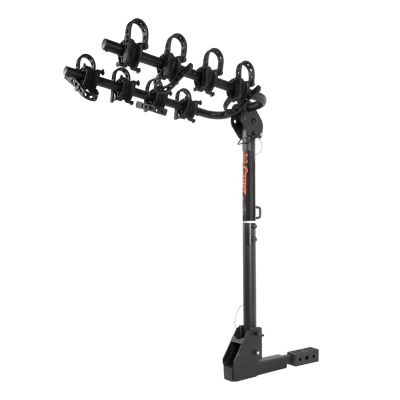
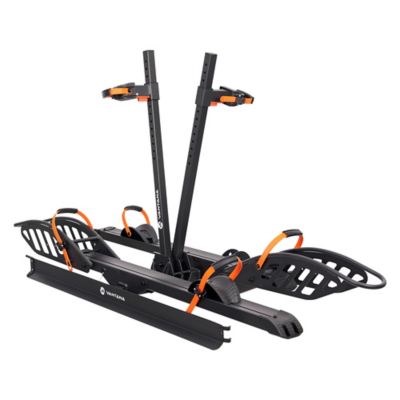
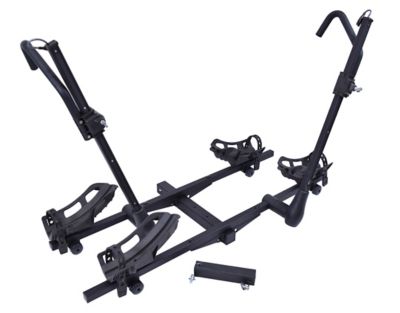
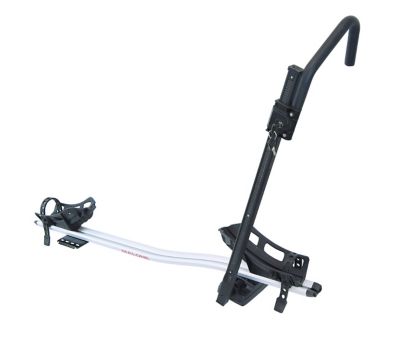
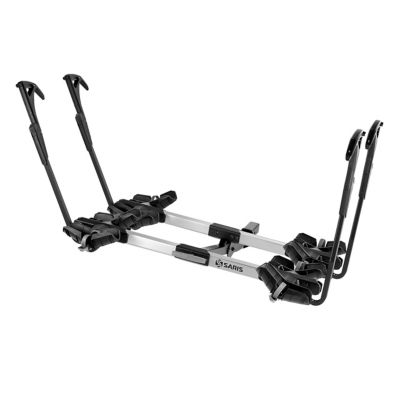
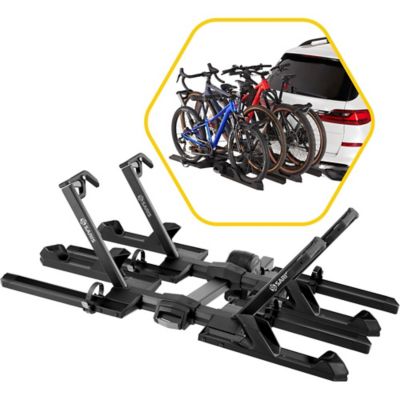
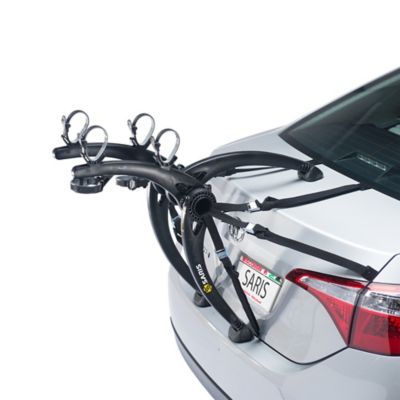
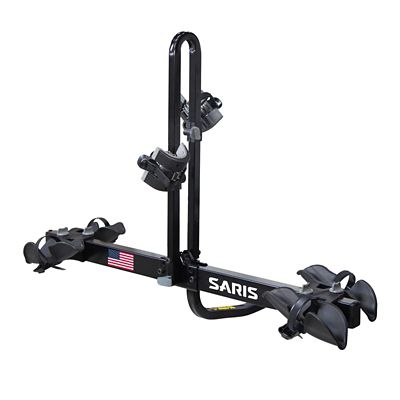
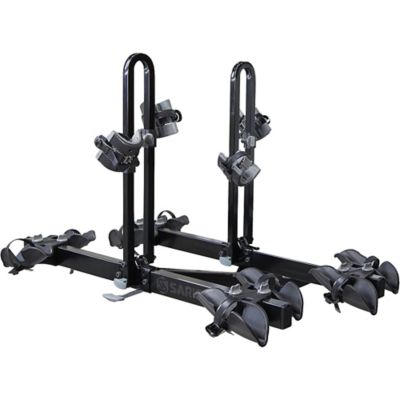
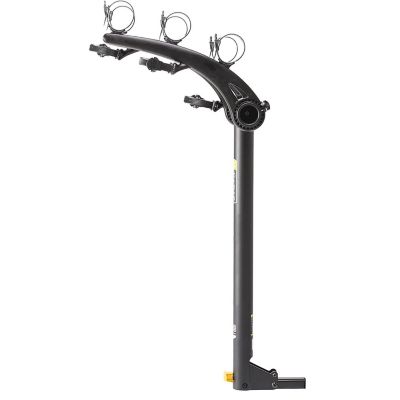
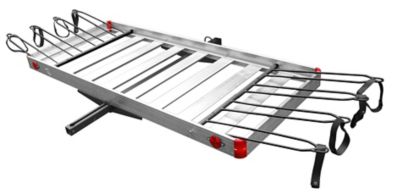
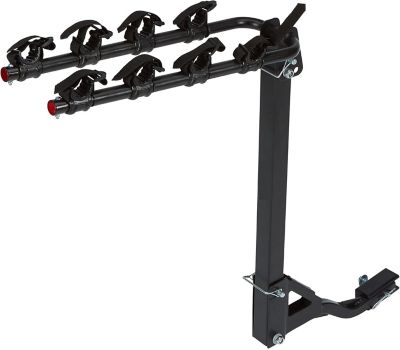
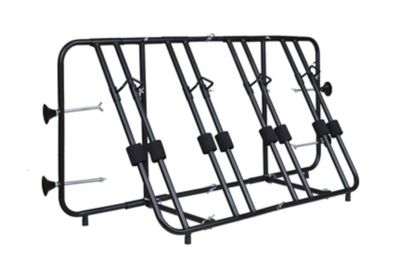
Bicycle Racks for Vehicles include several mounting styles with different loading heights and vehicle requirements. Hitch-mounted platform racks support bikes in wheel trays and often keep them low enough to load without lifting overhead. Hanging hitch racks carry bikes from support arms, making frame shape and approved attachment points important considerations. Roof-mounted racks leave the rear of the vehicle open, though lifting a mountain bike onto a tall truck or SUV takes more effort and adds to overall vehicle height. Trunk-mounted racks depend on the vehicle’s body shape and the manufacturer’s fit requirements; spoilers, rear glass, and hatch design can affect compatibility. Pickup-bed racks provide another approach, securing bikes within the bed rather than behind the truck. Some hold the front wheel, while others attach at the fork and require wheel removal. The right arrangement depends on how many bikes travel together, how much room the vehicle has, and whether the same space also carries tools, camping gear, or riding equipment. A rider hauling one bike after work has different needs than a family heading out with several bikes of different sizes.
Fit goes beyond counting the number of bike spaces on a rack. Wheel diameter, tire width, wheelbase, and individual bike weight all affect compatibility, especially with long-travel mountain bikes, fat-tire models, and electric mountain bikes. A rack’s total carrying capacity does not necessarily mean every position can support the same weight, so per-bike limits matter alongside the overall rating. For hitch-mounted carriers, the vehicle and hitch limits also need to account for the rack’s own weight. A heavy electric bike may call for a higher-capacity platform and, where the rack design permits, a loading ramp. Battery removal should follow the bike and rack manufacturers’ directions rather than serve as a workaround for an unsuitable carrier. Frame construction matters, too. Full-suspension layouts can leave little open space inside the front triangle, and sharply sloped top tubes may sit unevenly on hanging support arms. Carbon frames need attachment methods approved for their construction. Wheel-holding racks can reduce frame contact, but their hooks or straps still need to work with the bike’s tires, fenders, and other equipment. Between adjacent bikes, enough spacing helps keep brake levers, pedals, forks, and handlebars from rubbing together. That extra room can be especially helpful when an adult trail bike rides beside a smaller child’s bike. Tilt and swing-away features may improve access to a hatch or tailgate, but clearance varies with the vehicle, rack, and loaded bikes. Steel and aluminum are common rack materials: steel can add weight, while aluminum often makes a carrier easier to handle. Tube design, joints, hardware, protective finishes, and the stated load rating matter more than material alone. Padded contact points and replaceable wheel straps can also make a difference over years of loading, unloading, and trips down the road.
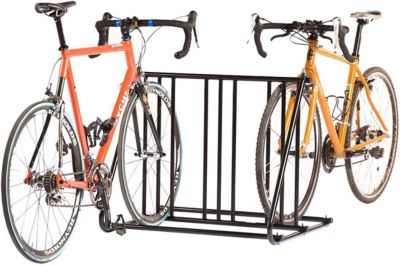
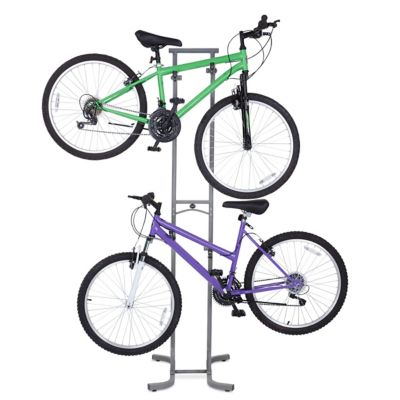
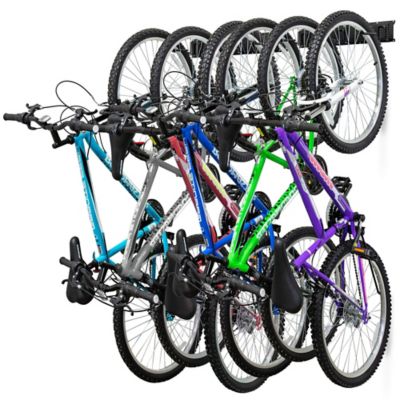
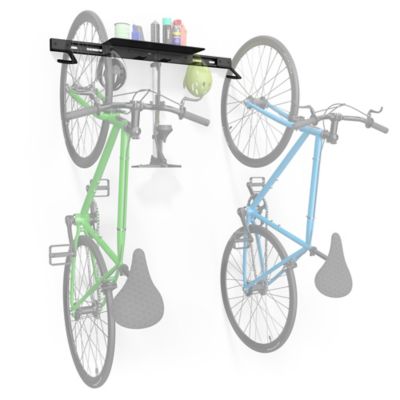
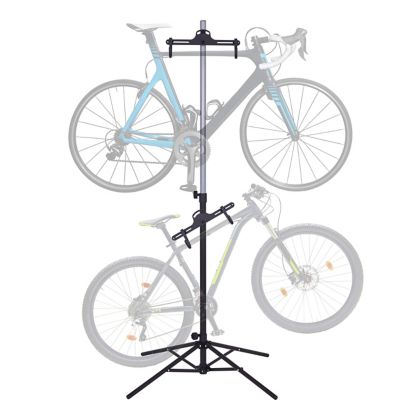
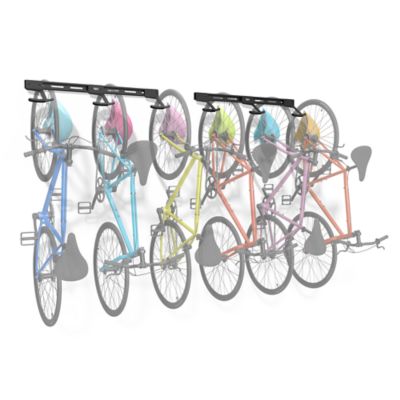
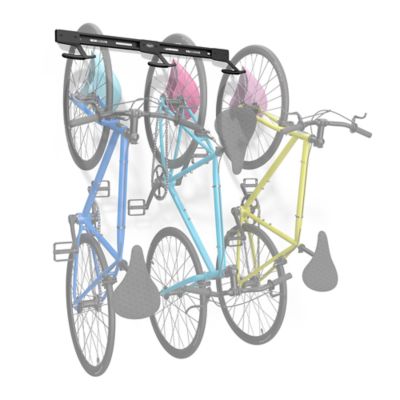
At home, mountain bike storage racks help keep wide bars and pedals out of walkways while leaving room for the mower, workbench, or feed cart. Freestanding floor racks are handy for riders who want to roll a bike into place without lifting it onto a wall. Their wheel slots need enough width for mountain bike tires, and the support should avoid pressing against disc brake rotors or other vulnerable parts. Wall-mounted racks can hold bikes horizontally or vertically, depending on the design and available space. Horizontal storage needs enough wall length for the whole bike; vertical storage takes less wall width but lets the bike project farther into the room. Some wall racks pivot so the bike can swing closer to the wall, although handlebar width, pedal position, and neighboring equipment still affect the clearance. Mounting height matters when a heavier bike must be lifted, and any wall or ceiling system needs suitable structural support and fasteners for its rated load. Drywall alone is not a substitute for the attachment specified by the rack manufacturer. Ceiling storage can free up floor space, but lifting requirements and overhead clearance deserve attention before committing to that layout. For a household with several riders, separate supports or well-spaced parking positions make it easier to pull out one bike without untangling the rest. Care is straightforward across transport and storage styles: remove grit from contact points, wipe down trays and supports, inspect straps for cracking or fraying, and check fasteners as directed. Worn padding can expose a frame or rim to rubbing, while damaged coatings deserve attention before corrosion spreads. Locks and locking hitch hardware can add a layer of security, though they do not replace sensible parking and storage choices. A rack can also be a practical gift for a mountain biker, provided the giver knows the bike measurements, carrying weight, vehicle fit, or mounting space involved. Whether the goal is a clear garage floor or an easier trip to the trailhead, a well-matched rack makes the bike simpler to move, park, and reach for the next ride.