Bicycle Racks For Trucks
Find bicycle racks for trucks to help haul your bikes to the trailhead or campground. Compare truck bike racks with your pickup’s fit requirements, bike sizes, and carrying needs in mind, and check mounting requirements and weight limits before you choose.
$314
.99
Sale Was $349.99 Save $35.00 (10%)
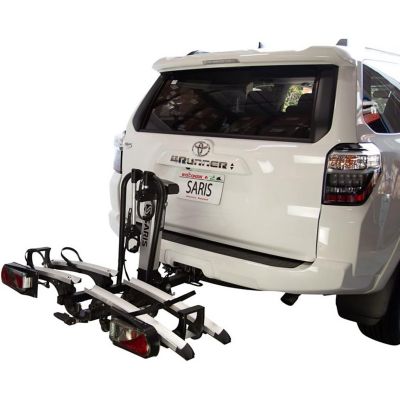
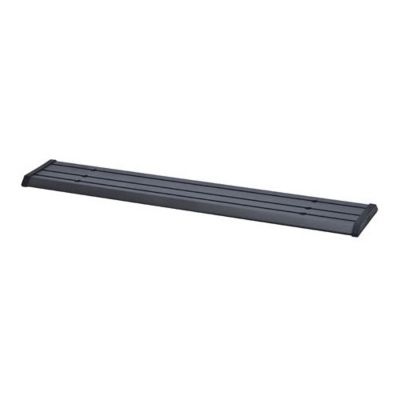
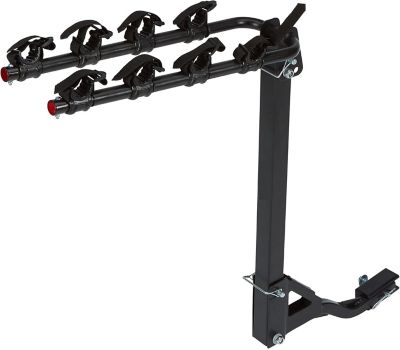
$59
.99
Sale Was $89.99 Save $30.00 (33%)
$289
.99
Sale Was $399.99 Save $110.00 (28%)
$350
.99
Sale Was $389.99 Save $39.00 (10%)
$107
.99
Sale Was $119.99 Save $12.00 (10%)
$79
.99
Sale Was $139.99 Save $60.00 (43%)
$119
.99
Sale Was $299.99 Save $180.00 (60%)
$289
.99
Sale Was $379.99 Save $90.00 (24%)
$79
.99
Sale Was $164.99 Save $85.00 (52%)
$159
.99
Sale Was $204.99 Save $45.00 (22%)
$259
.99
Sale Was $299.99 Save $40.00 (13%)
$349
.99
Sale Was $379.99 Save $30.00 (8%)
$59
.99
Sale Was $129.99 Save $70.00 (54%)
$359
.99
Sale Was $399.99 Save $40.00 (10%)
Best Of FAQ
What types of bicycle racks are available for trucks?
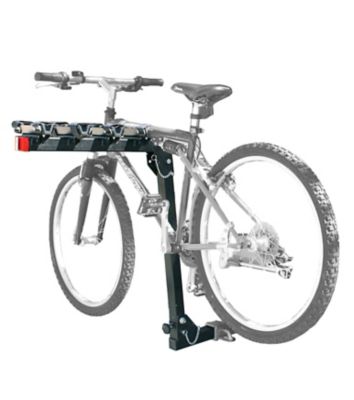
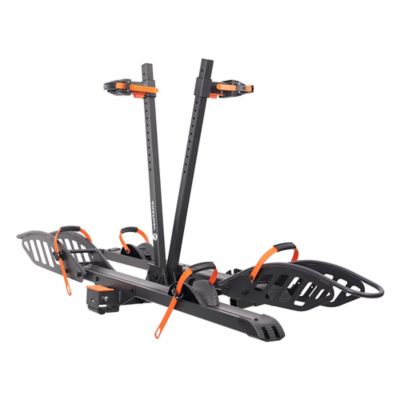
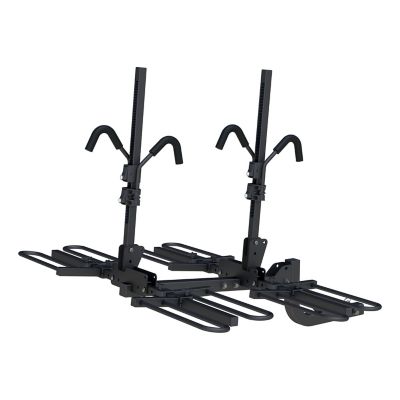
Common styles include hitch-mounted racks, truck-bed racks, and tailgate pads. Hitch racks carry bikes behind the truck, bed racks hold bikes inside the bed, and tailgate pads let bikes ride with their front wheels hanging over the tailgate.
Do bicycle racks for trucks require drilling?
Not always. Some racks attach through a hitch receiver, clamps, or existing bed attachment points, while other designs call for drilling. Check the rack’s installation instructions to see what the setup involves.
How is a tailgate pad different from a truck-bed bike rack?
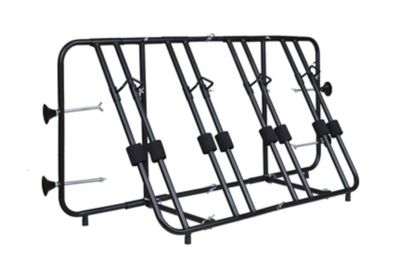
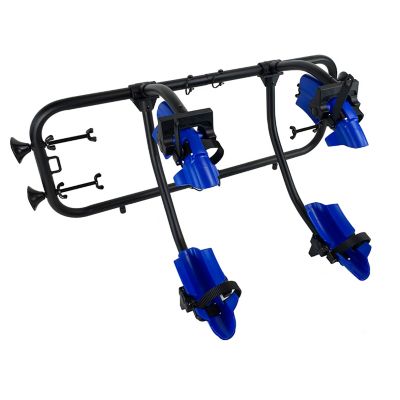
A tailgate pad wraps over the tailgate, with bikes resting across it and extending into the bed. A truck-bed bike rack uses mounting hardware inside the bed, often attaching at a wheel or front fork. Fork-mounted designs generally require taking off the bike’s front wheel.
Can I open my truck’s tailgate with a bicycle rack attached?
That depends on the rack design and your truck. Some hitch racks tilt or swing away for tailgate access, while others need to be removed. Bed-mounted setups and tailgate pads can also affect access, so check the rack’s operating details before choosing.
How do bicycle racks for trucks store between trips?
Storage depends on the style. Some hitch racks fold, some bed racks come apart, and tailgate pads can be taken off and laid flat or folded as directed. Follow the maker’s instructions for removing and storing the rack, and keep loose hardware together for the next ride.
Best Sellers
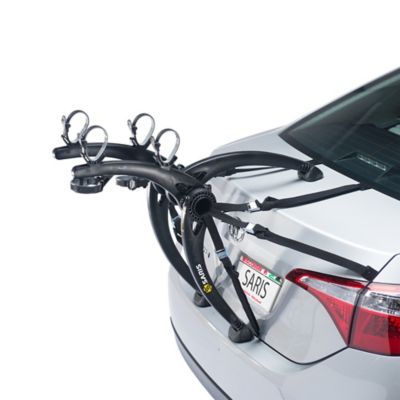
-
"It's worked out great to transport my Fuji on my VW Jetta"
-
"Bike rack is great. The directions are not the best, it took a couple of us to figure it out"
-
"This is one of the best rack setups I have ever used, it allows for a quick removal when not needed"
-
"Great quality. Heavy duty metal. Great price and free ship to store was nice"
-
"Looks great in my 2020 dodge tradesmen. I have hauled ladders, conduit and lumber and it works great"