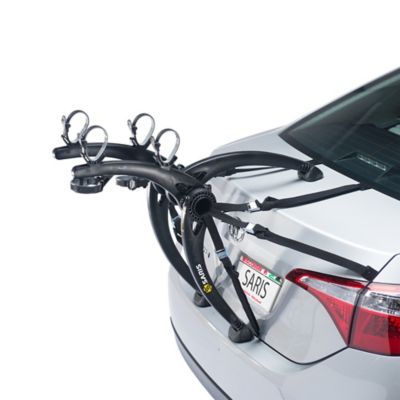
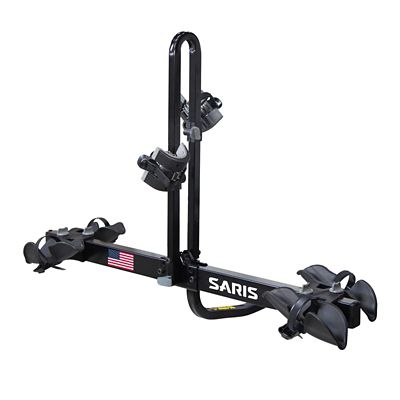
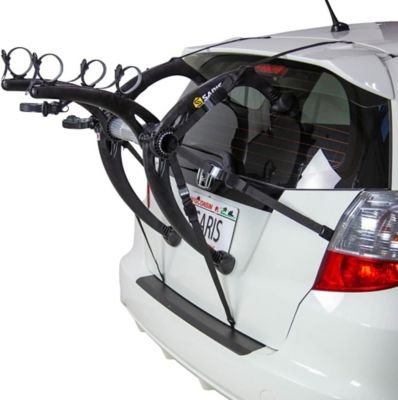
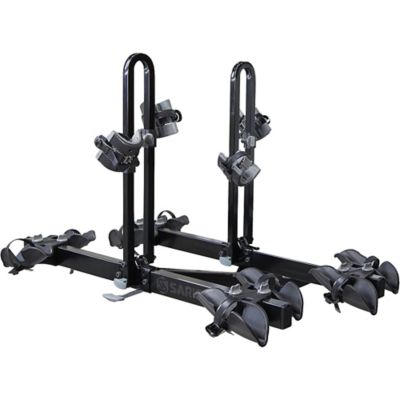
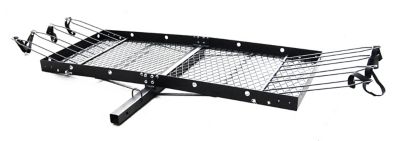
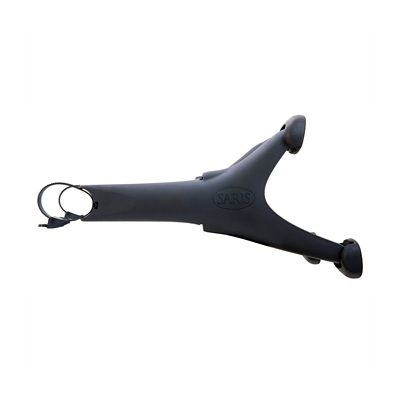
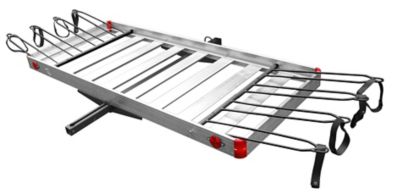
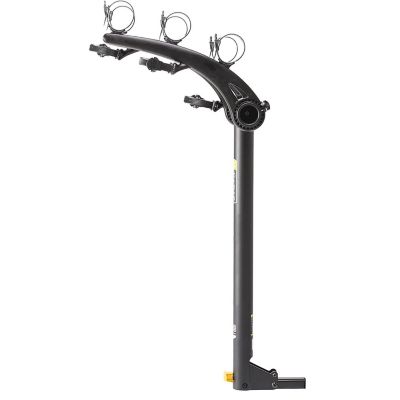
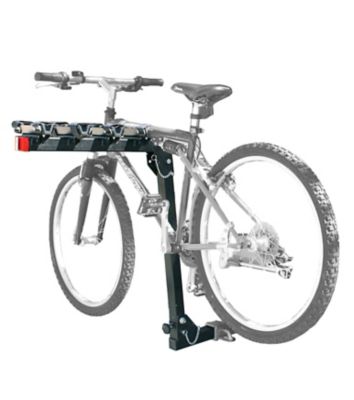
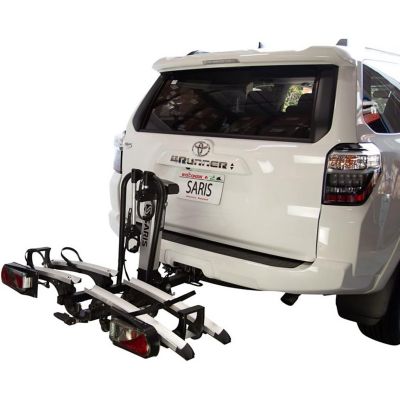
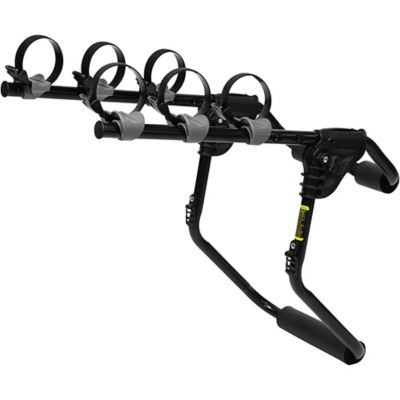
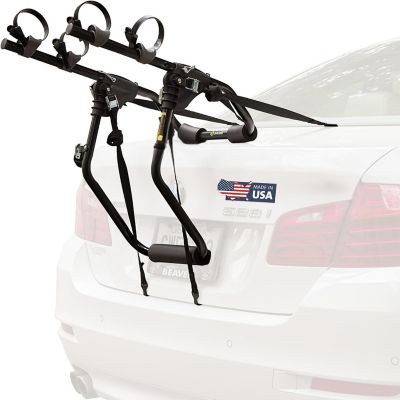
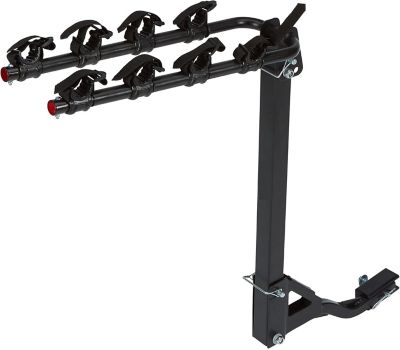
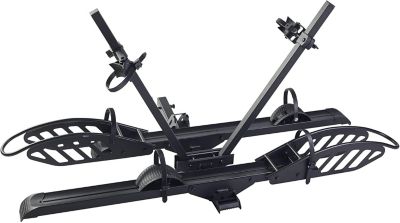
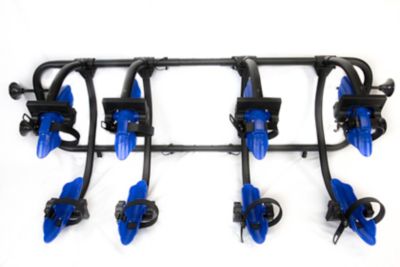
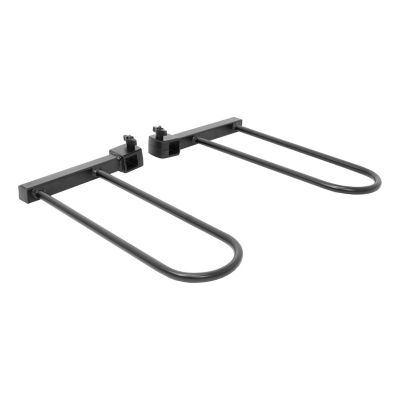
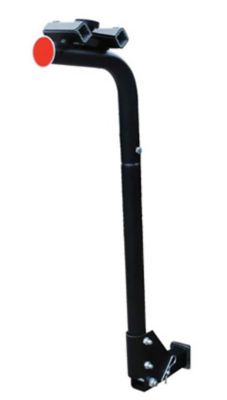
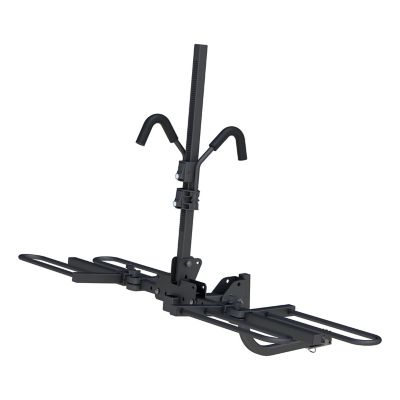
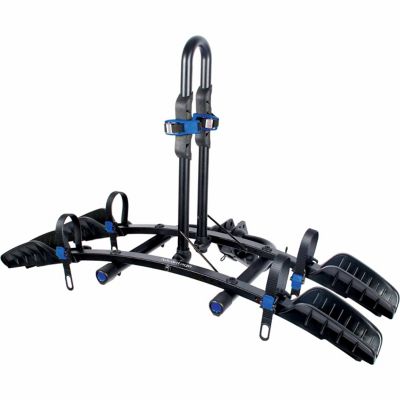
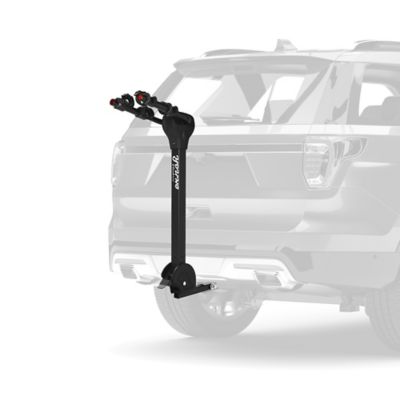
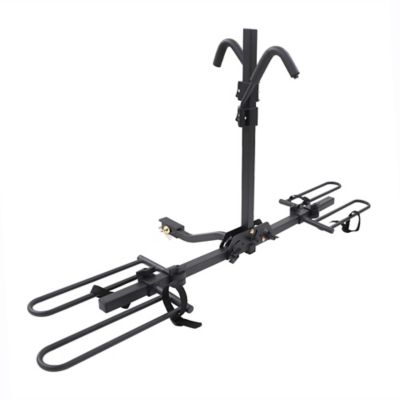
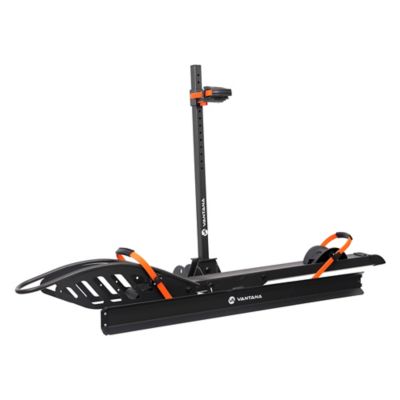
Bicycle racks for vehicles mount to a hitch receiver, trunk or roof to carry bikes outside the passenger compartment. They leave more room for people, riding gear and the everyday supplies that tend to travel along, whether the destination is a trailhead, a campground or a paved path outside town. Hitch-mounted bike racks connect at the rear of the vehicle and commonly fit 1-1/4-inch or 2-inch receivers, though the rack and receiver must match. Platform styles support bikes in wheel trays, while hanging styles hold them by the frame. That difference affects loading height, frame compatibility and how bikes sit next to one another. Some hitch racks fold closer to the vehicle when empty or tilt away for rear access; access with bikes aboard depends on the design and vehicle clearance. Trunk-mounted bike racks attach with straps, hooks and padded contact points, making them an option for certain vehicles without a hitch. Their fit depends on the shape and construction of the trunk or hatch, along with features such as spoilers and rear glass. Roof-mounted bike racks attach to compatible crossbars and carry bicycles above the vehicle. Some secure both wheels, while others require removal of the front wheel and a compatible fork attachment. Roof placement keeps the area behind the vehicle clear, but it adds lifting height and overhead clearance to the picture. For drivers comparing
Sedan Bike Racks, trunk shape, receiver fit and roof crossbar compatibility help narrow the choices. A car, SUV, pickup or van may accept more than one mounting style, but appearance alone does not establish fit. Vehicle and rack fit information matters, especially around rear-mounted spare tires, split tailgates and wide-opening hatches. The right setup gives bicycles a designated place to ride without asking the passenger seats or cargo area to make room for muddy tires and handlebars. It also keeps the loading routine suited to the person doing the lifting, an important detail when rides happen often rather than once in a while.
Bicycle capacity is only part of what separates one vehicle bike rack from another. Weight limits, wheel dimensions, wheelbase and frame shape all help determine which bicycles a rack can carry. A rack described as a two-bike carrier still has individual-bike and total-load limits, so two bicycles that fit the available spaces may not meet its weight requirements. Electric bikes deserve particular attention because their weight can exceed the limits of racks intended for lighter bicycles. For hitch-mounted carriers, the rack's weight and the bicycles' combined weight must stay within the applicable limits for the vehicle, hitch and rack. Adapters and extensions can affect those limits, and their compatibility depends on the manufacturer's instructions. Platform racks may offer a convenient loading position for heavier bikes, with some designs accepting compatible ramps, but a low tray does not automatically mean a higher carrying capacity. Tire width matters, too: broad tires need trays and straps sized to hold them, while a small child's bike may have a wheelbase or wheel diameter outside a carrier's supported range. Hanging racks work with many conventional frames, although step-through frames and some smaller or sharply angled frames may require an approved adapter bar. Wheel-holding racks can reduce frame contact, which may matter for bicycles with finishes or frame materials that call for particular handling. Spacing between bikes helps keep pedals, handlebars and saddles from knocking together on the drive. On a family outing, the mix might include an adult mountain bike, a step-through bike and a child's bicycle rather than three matching frames. A carrier's fit requirements need to account for every bike making that trip. Rear-mounted racks also change the space behind the vehicle, so clearance near the exhaust, ground clearance and visibility of lights and the license plate deserve attention. Roof carriers add overall height, making garage doors, carports and other low overhead spaces part of the fit picture.
Materials and construction influence how a bike rack handles repeated loading, road vibration and time in storage. Steel components provide strength, while aluminum can help keep the carrier's weight down for lifting and installation. Protective finishes help shield metal surfaces, and padded cradles, lined clamps and wheel straps provide contact points intended to hold bikes without unnecessary rubbing. Those softer parts matter just as much as the main frame: a worn strap or damaged pad can change how a bicycle rests on the rack. Regular care includes clearing grit from trays and cradles, cleaning contact surfaces and checking fasteners, straps, hinges and locking parts according to the manufacturer's directions. Trunk-rack pads and the vehicle surfaces beneath them need particular attention because trapped dirt can rub against the finish. A clean, dry rack is easier to store between trips, and folding arms or trays can reduce the space it takes up along a garage wall or in a shed. Weight and folded size also matter for anyone who removes the carrier after each outing rather than leaving it attached. Locking features may secure a rack to the vehicle, bicycles to the rack or both, depending on the design; those functions are separate from the straps and clamps that hold bikes during travel. Anti-rattle connections can help limit movement at the receiver, but they do not replace correct installation or the required safety checks. For a rider heading out after chores, a family hauling bikes to a park or friends meeting for a gravel-road ride, the most practical carrier fits both the bicycles and the routine. Easy-to-reach release handles, manageable lifting height and room to open the cargo area can make a noticeable difference when helmets, water bottles and a lunch cooler are coming along. A vehicle bike rack can also make a thoughtful gift for a cyclist, provided the vehicle fit, bike measurements and weight requirements are known. Those details turn a useful piece of hauling equipment into a good match for the miles ahead.