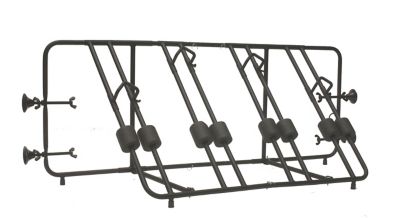
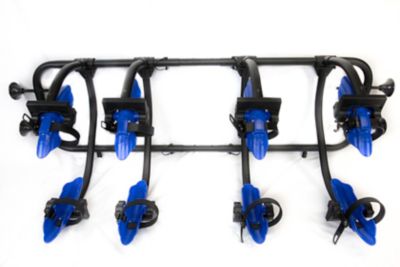
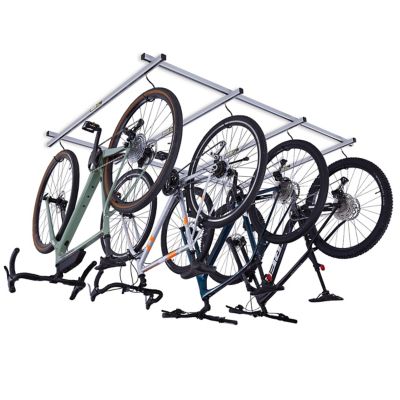
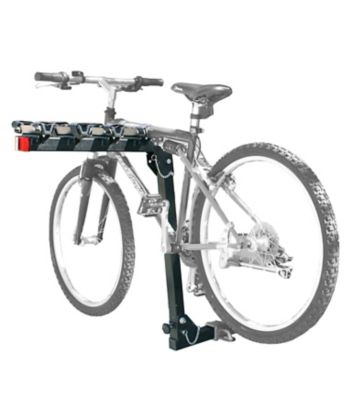
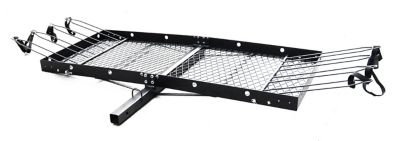
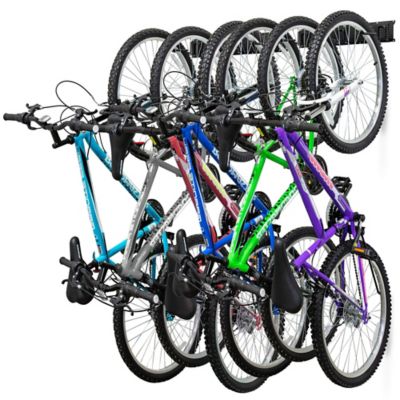
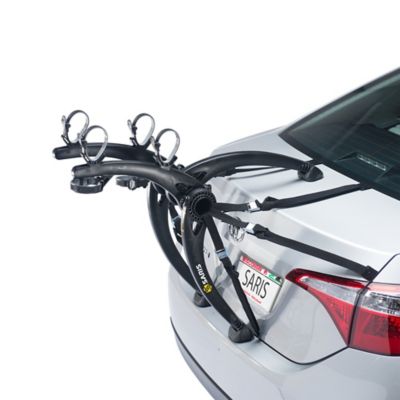
A 4 bike rack can make it easier to bring the whole crew along, whether you are loading up for a paved trail, a quiet gravel road, or a ride around the campground. These racks are made for households with several riders, cycling groups, and anyone who wants a dependable way to keep bikes organized between outings. Vehicle-mounted carriers are a popular choice for road trips because they let you transport multiple bikes without filling the back of an SUV, pickup bed, or family van. Indoor storage racks can be just as useful when the bikes need a home in the garage, shed, mudroom, or workshop. When comparing a 4 Bike Rack, start by thinking about where it will be used and how often it will be moved. A wall-mounted rack can save valuable floor space and help keep bikes upright and out of the way, while a freestanding rack offers flexible storage without drilling into studs or masonry. Freestanding designs are handy for renters, shared garages, and families who like to rearrange their storage area as the seasons change. A vehicle rack is a better fit for trail days and travel, especially when bikes need to ride outside the vehicle so there is still room for coolers, helmets, camping gear, groceries, or a muddy pair of work boots.
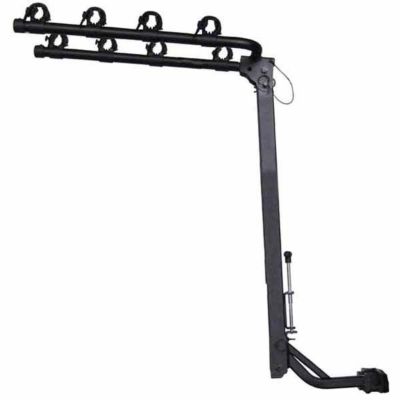
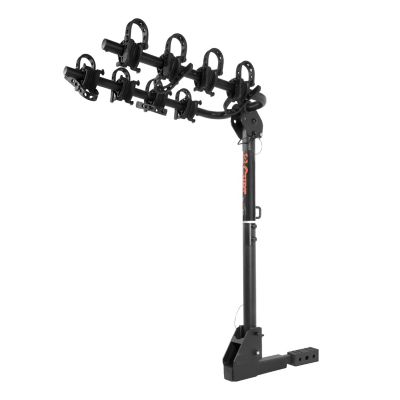
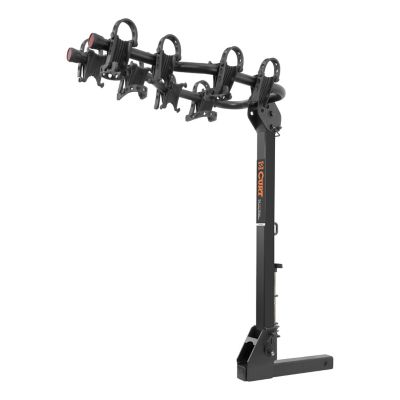
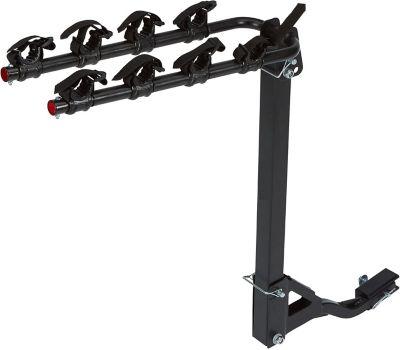
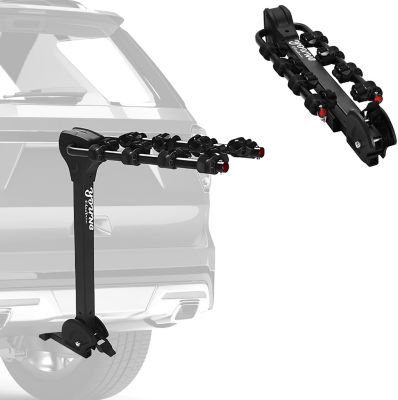
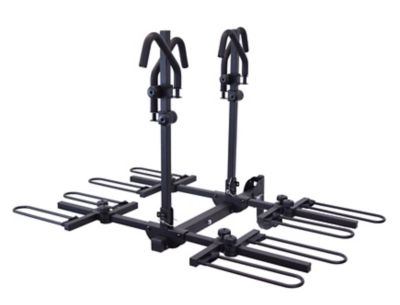
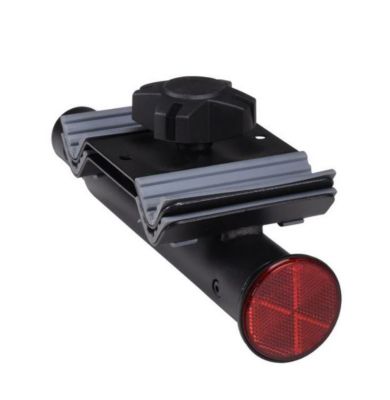
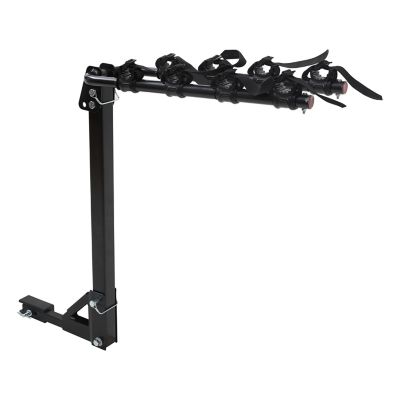
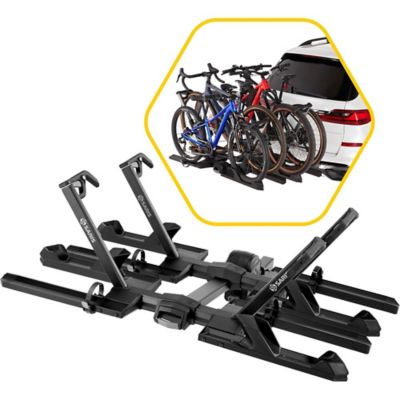
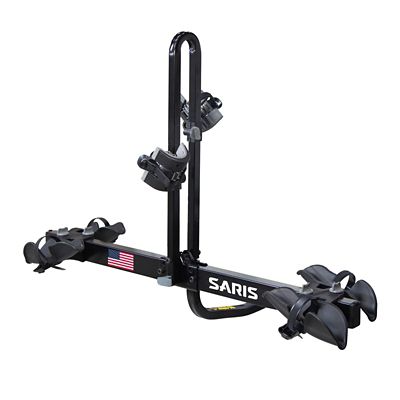
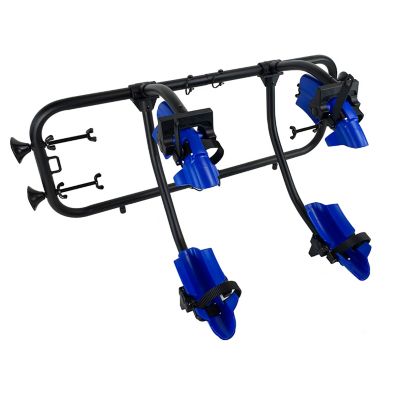
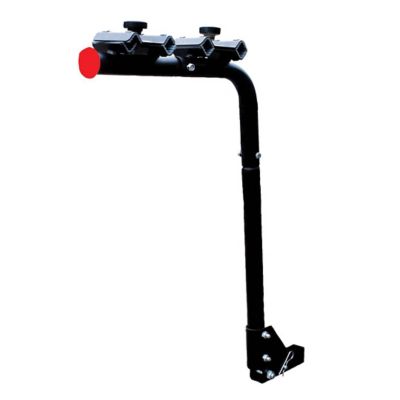
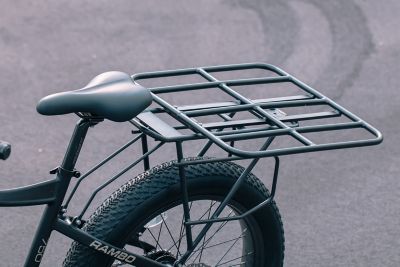
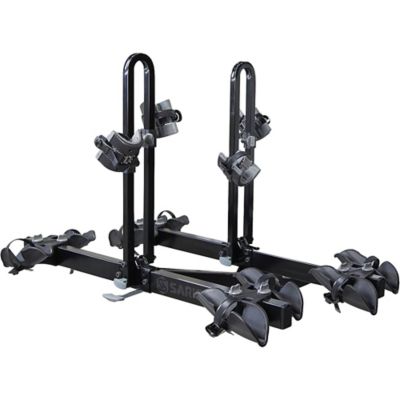
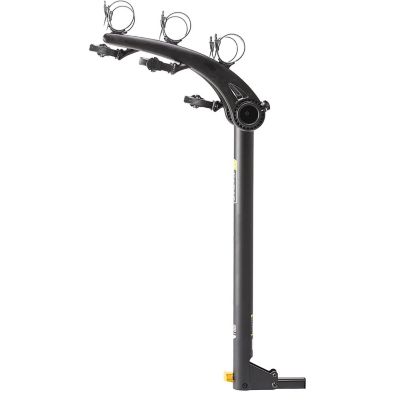
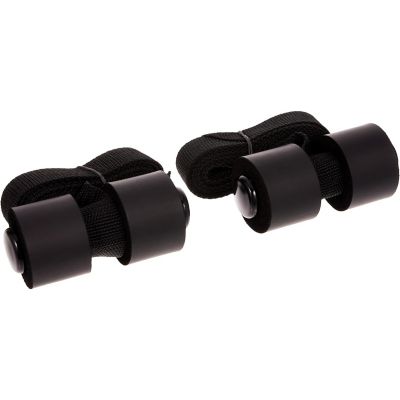
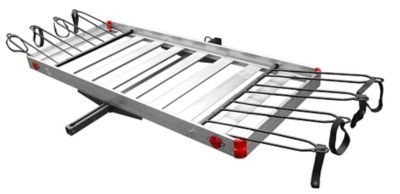
For a hitch-mounted 4 Bike Rack, check the vehicle and receiver requirements before choosing a carrier. Many larger four-bike carriers are designed for a heavy-duty 2-inch hitch receiver, so the size and class of the hitch matter just as much as the rack itself. Confirm the receiver opening, tongue-weight rating, and the carrier’s maximum total weight, then compare those numbers with the weight of all four bikes. Electric bikes, fat-tire bikes, and full-suspension models can weigh more than standard road or children’s bikes, and four bikes together can add up quickly. The rack should be secured properly, with the hitch pin, safety features, straps, and locking hardware fitted as directed. It is also worth checking the vehicle’s rear clearance and whether the carrier includes a tilt or swing-away feature for access to the tailgate or hatch. Hanging-style carriers support bikes by the frame, often using top-tube cradles and adjustable straps. They can be a practical, budget-friendly option for standard frame shapes and regular family bikes. Platform-style carriers support the bikes by their wheels, which can be a better choice for step-through frames, wider tires, and bikes with unusual tubing. Look for features such as adjustable wheel trays, padded contact points, anti-sway cradles, and generous spacing between bikes. A little room between handlebars and pedals helps prevent rubbing during the drive, while soft straps and frame protection help keep the finish looking good. If bikes have fenders, baskets, rear racks, dropper posts, or other accessories, make sure the rack can accommodate them. Before heading down the road, tighten every connection, secure loose straps, and check that the bikes do not block the license plate or rear lights. A short walk-around after loading and another check after the first few miles can help catch shifting straps or movement before they become a problem.
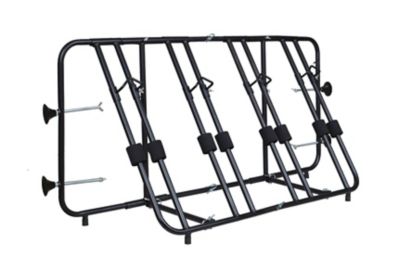
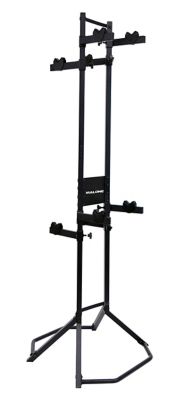
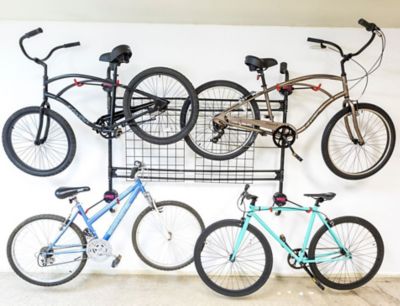
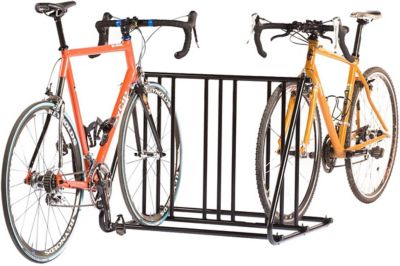
Indoor and freestanding four-bike racks are useful for keeping gear in order during cooler months, rainy stretches, and those in-between days when a ride may have to wait. A dedicated storage spot helps prevent bikes from leaning against the tractor shed, getting tangled with garden tools, or taking up the walkway by the back door. Wall racks generally need solid mounting into a suitable surface, and the fasteners should match the wall construction and the combined weight of the bikes. If drilling is not practical, a freestanding rack can be placed on a level floor and moved when needed. Measure the available space, including handlebar width and the room needed to roll bikes in and out, before making a choice. Families often use one rack for adult bikes and smaller youth bikes, so adjustable height or multiple support positions can be helpful. These racks also make thoughtful gifts for new homeowners, active families, college students with limited storage, or anyone who has started riding with friends. A cyclist who already owns one bike may appreciate a rack that leaves room for a future upgrade or a partner’s bike, while a household with young riders can use the extra capacity as children grow into larger frames. For drivers who only need to carry one or two bikes, a
2 Bike Hitch Rack may be a simpler match, but a four-bike design offers room for family rides and visiting friends. Keep bikes clean and dry before storing them, wipe away grit from contact points, and check straps, trays, bolts, and mounting hardware from time to time. With the right style, fit, and weight capacity, a 4 Bike Rack helps turn a crowded garage or complicated trail-day load into a simple part of getting outside.