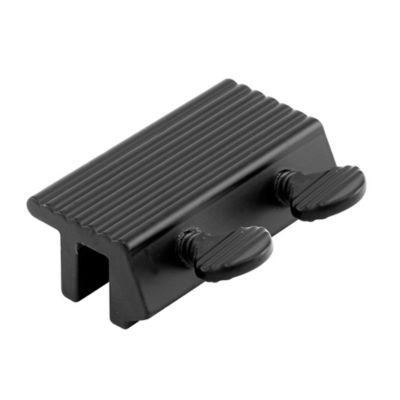
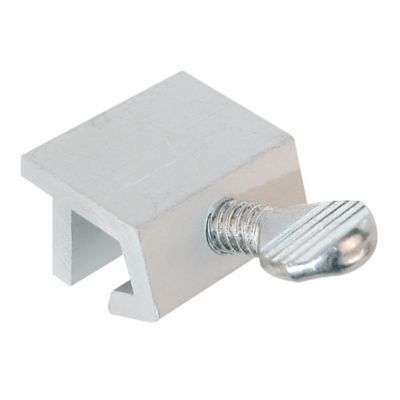
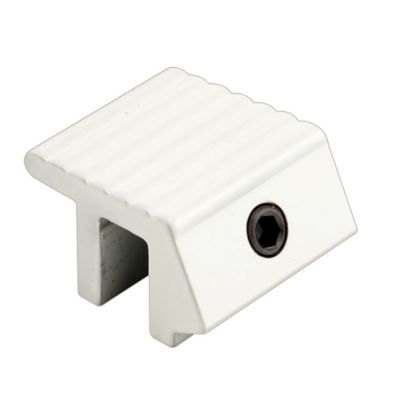
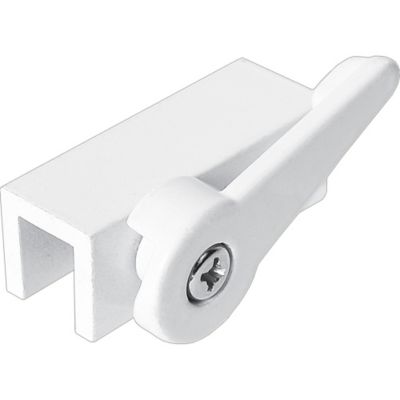
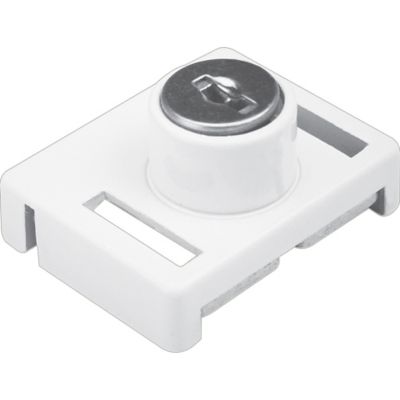
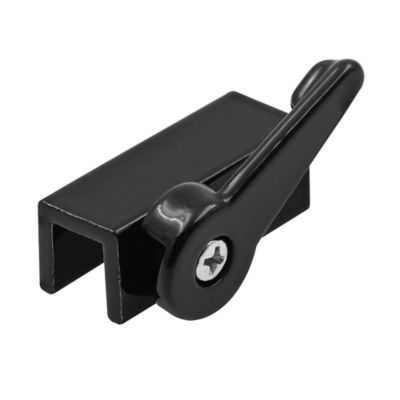
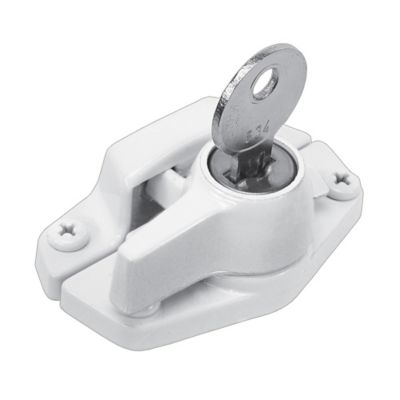
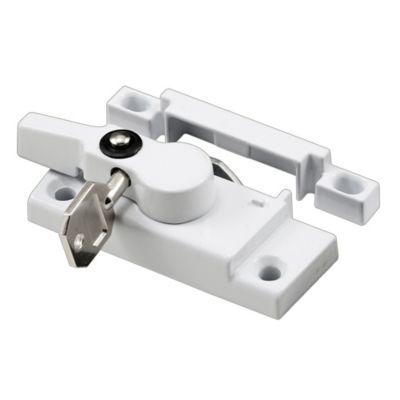
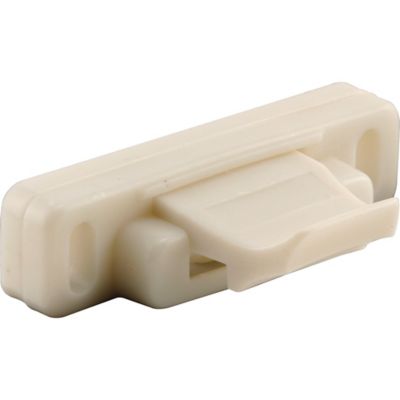
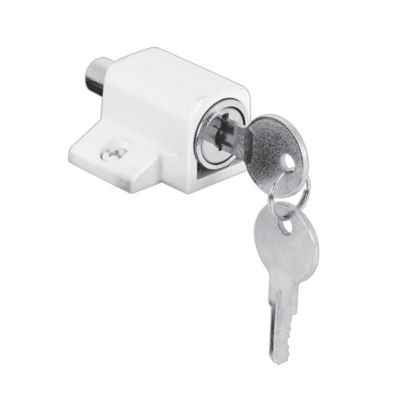
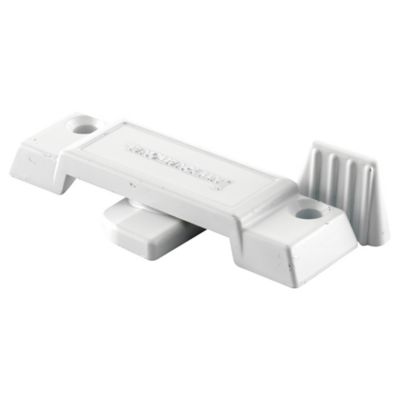
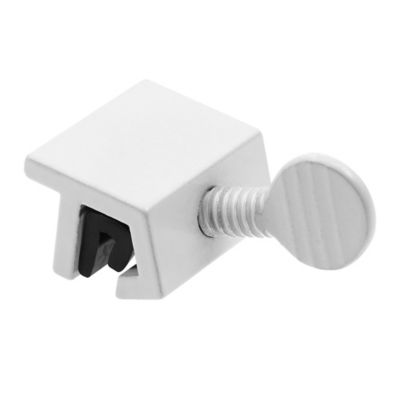
Security locks for sliding windows are secondary hardware devices that attach to a window track or frame to limit how far the sliding sash can move. They add another barrier alongside the window’s original latch, helping resist unwanted opening when properly matched to the window and installed as directed. For a ground-floor bedroom, a laundry room beside the driveway, or an office overlooking the barn, that extra stopping point can be a practical part of everyday home security. Sliding window locks come in several basic styles, including thumbscrew track locks, hex-key adjustable stops, keyed locks, and stops intended for limited ventilation. Thumbscrew models typically clamp onto a compatible rail and tighten by hand, making them convenient where an adult needs to remove or reposition the stop without reaching for a toolbox. Hex-key designs require a matching wrench for adjustment, while keyed versions require a key to operate their locking mechanism. Those differences matter in a household where access to the lock needs some control, though no design should be assumed to provide child protection or meet emergency-release requirements without checking its stated purpose. A track stop works by placing an obstruction in the sash’s path; it does not necessarily pull the sash tightly against the frame or replace a broken original latch. Hardware that limits sliding also may not prevent the sash from lifting out of its track, so the window’s overall construction matters. These locks make sense for homeowners, renters with permission to add hardware, and folks looking after a farmhouse, workshop office, or other building with compatible sliding windows. Their usefulness comes down to the details: a firm attachment, the right track dimensions, and a locking action that suits the people opening and closing that window. A small piece of hardware can add a meaningful obstacle, but it belongs alongside sound frames, intact glass, and working primary latches rather than standing in for them.
Fit is the first consideration with sliding window security hardware, because window tracks are not all shaped alike. A horizontal sliding window moves sideways along a rail, while a single-hung or double-hung window has a sash that travels vertically. A lock described for one arrangement should not be assumed to fit the other unless its specifications say so. Even among horizontal sliders, rail thickness, track height, nearby trim, and clearance beneath the moving sash can vary. The clamp opening must accommodate the rail, and the lock body needs enough room to sit squarely without rubbing against glass, seals, or adjacent hardware. A narrow aluminum track on a kitchen window presents a different attachment surface from a wider vinyl channel in a bedroom. Some clamp-on designs suit metal rails but are not appropriate for hollow vinyl sections, which can deform under concentrated pressure. Wood frames may call for a different mounting approach altogether. Aluminum, zinc alloy, and steel are common materials in this hardware category, with the body, screw, and contact surfaces each contributing to how the lock holds. Body thickness, thread engagement, and the shape of the clamping surface often tell more about long-term performance than appearance alone. Protective pads can help limit marking where a design includes them, but padding does not make an otherwise incompatible lock suitable for a frame. No-drill track locks can be appealing where permanent holes are not wanted, while screw-mounted hardware needs a suitable fastening surface and permission for alterations where applicable. Tightening should follow the manufacturer’s directions; extra force can strip threads, dent a rail, or damage a frame instead of improving security. When the original sash latch is missing or no longer engages,
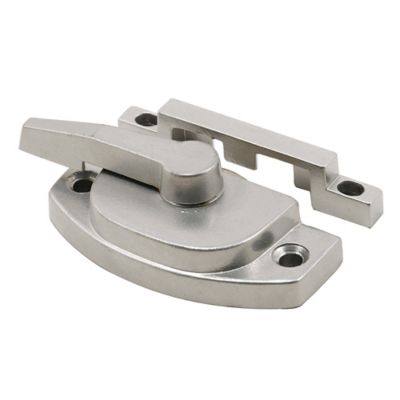
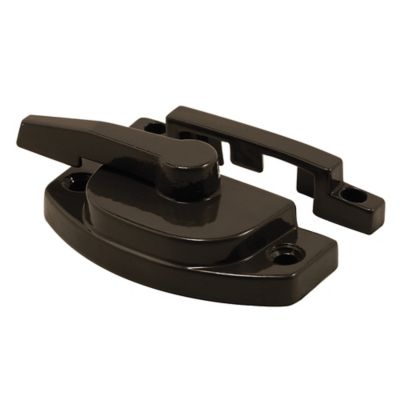
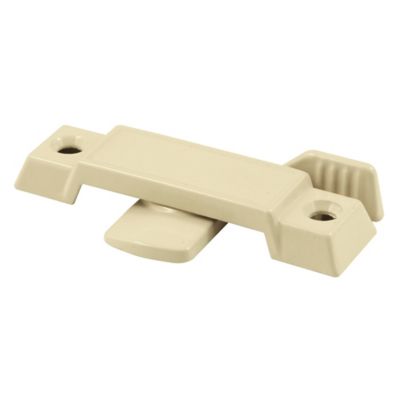
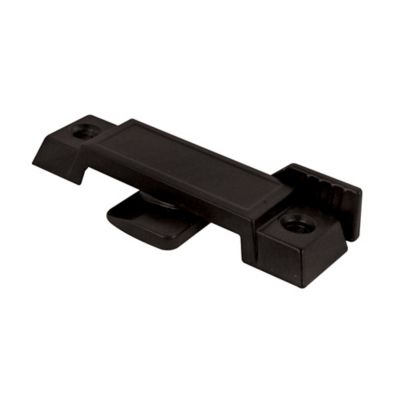
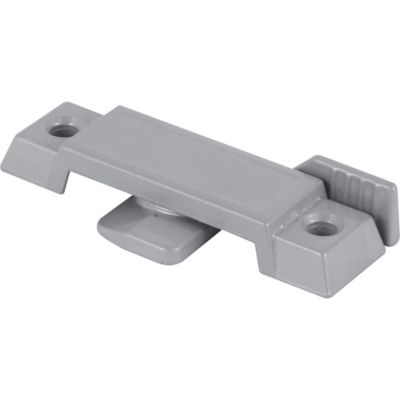
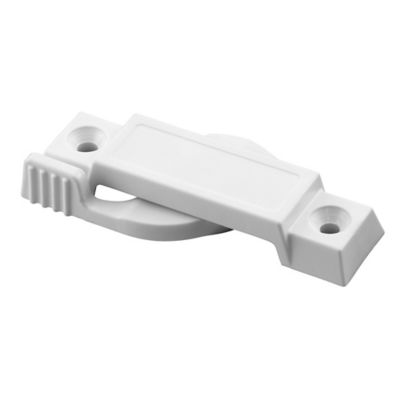
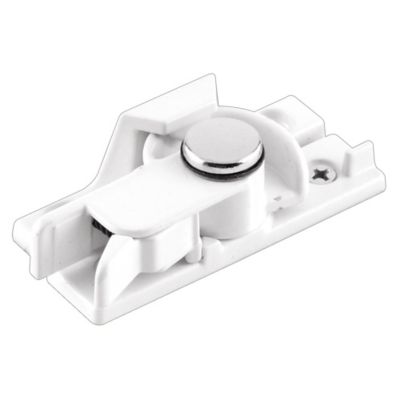
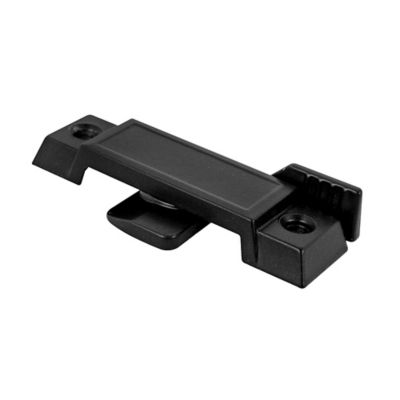
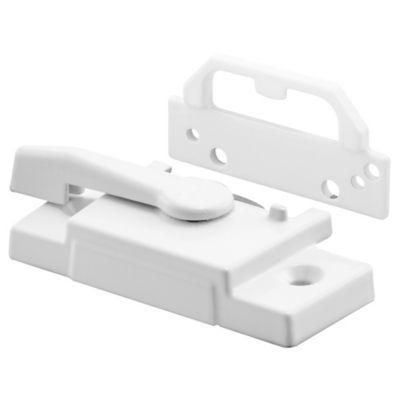
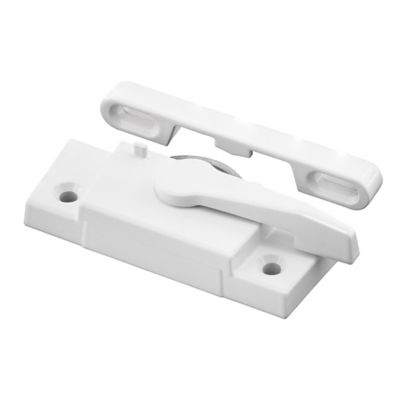
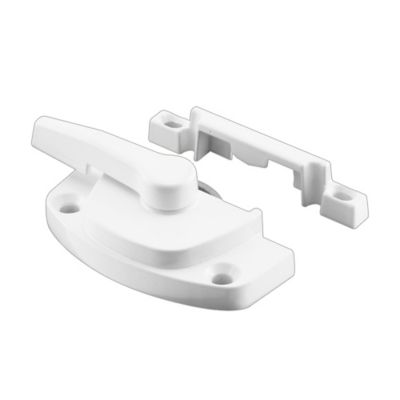
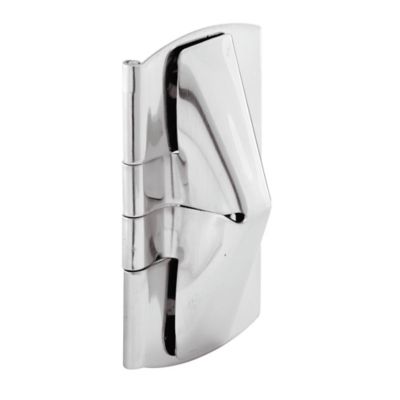
Replacement Window Sash Locks address a different hardware need from an added track stop. Matching the function to the problem helps keep both the primary closure and the secondary restraint doing their intended jobs.
Day-to-day convenience matters just as much as the way a lock looks on the frame. A window opened regularly benefits from hardware that an authorized adult can operate without a struggle, while a seldom-opened office window may call for a different balance of access and restraint. Some sliding window stops can hold the sash at a limited opening for ventilation, provided that placement is within the manufacturer’s intended use. That opening still leaves a gap, and a partially open window should not be treated as offering the same protection as a fully closed and properly locked one. Reach-through access is another consideration: a hand-operated lock near an opening may be accessible from outside. Ventilation stops also are not substitutes for purpose-built window fall-prevention devices, and insect screens do not prevent falls. In homes with children, the hardware’s stated safety function and applicable requirements deserve close attention rather than assumptions based on how tightly a stop grips. Bedrooms and other spaces with emergency escape windows bring a separate concern. Added hardware must not interfere with required emergency operation, and keyed or tool-operated devices may be unsuitable where escape rules require release without a key, tool, or special knowledge. Beyond those considerations, care is fairly straightforward. Dust, grit, paint buildup, and household residue can keep a clamp from sitting flat or make the sash drag before it reaches the stop. Clean contact surfaces and clear tracks support proper seating, while occasional checks can reveal loose screws, worn threads, cracked pads, or marks developing on the frame. Cleaning products and lubricants should follow the hardware and window manufacturers’ recommendations, since residue on a gripping surface can affect its hold. For windows opened often, checking that the stop remains firmly positioned is a sensible part of routine upkeep. The best match is hardware that fits the actual window, supports its intended use, and remains manageable for the household—not simply a lock that looks sturdy in the package.