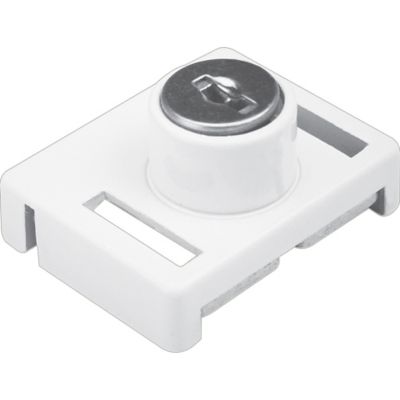
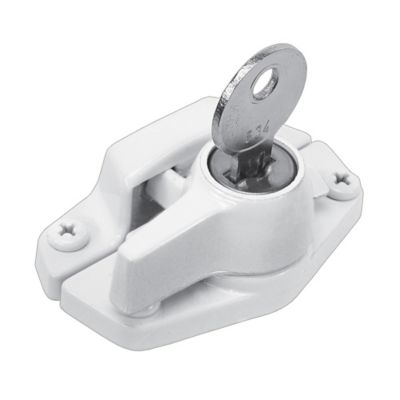
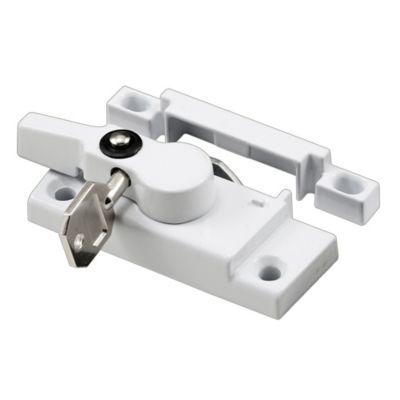
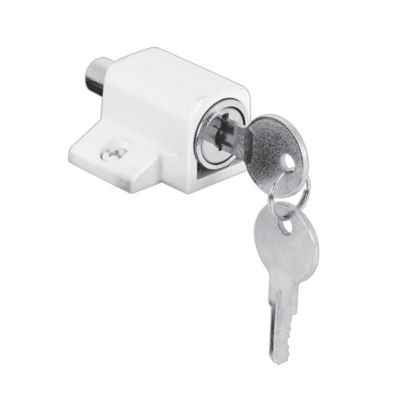
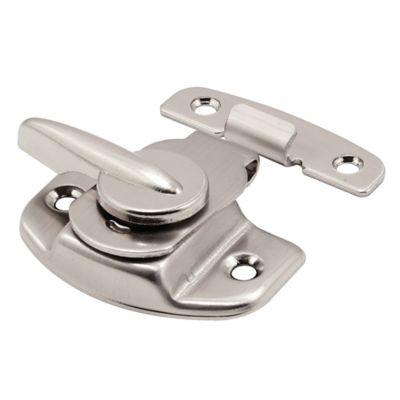
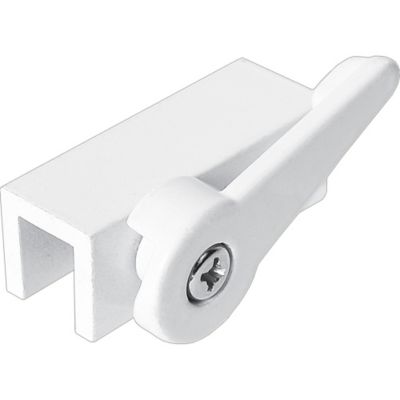
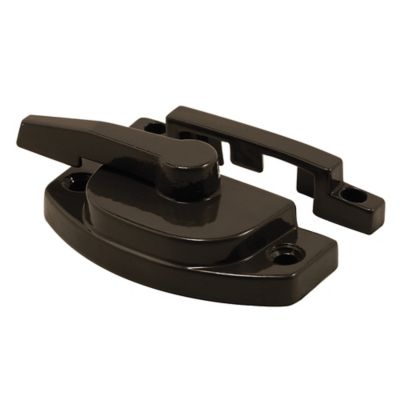
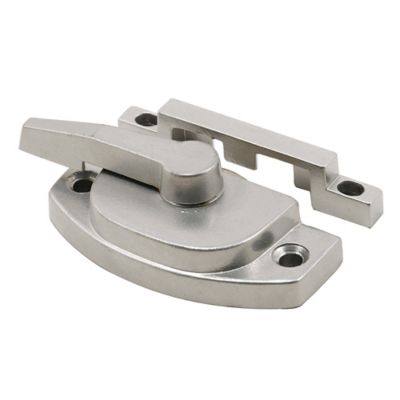
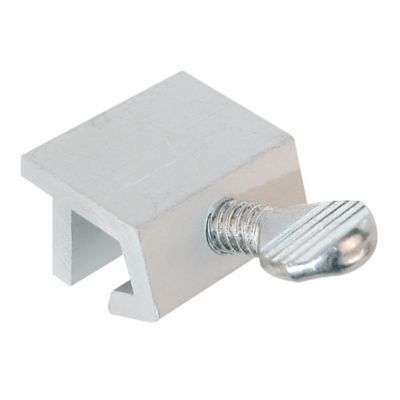
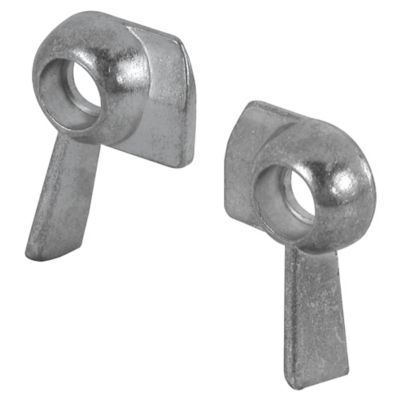
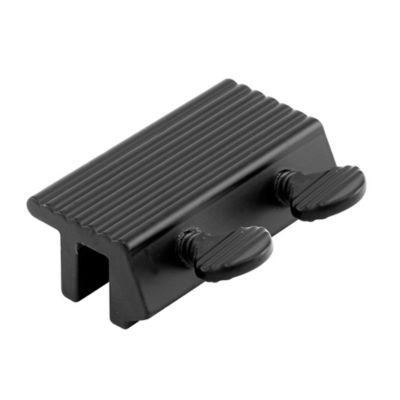
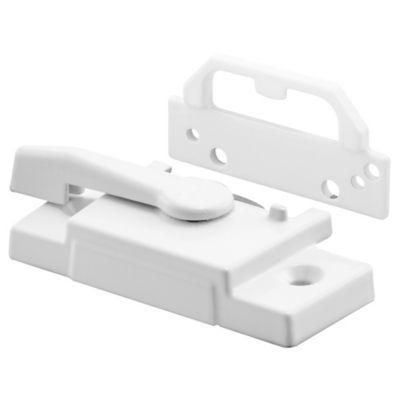
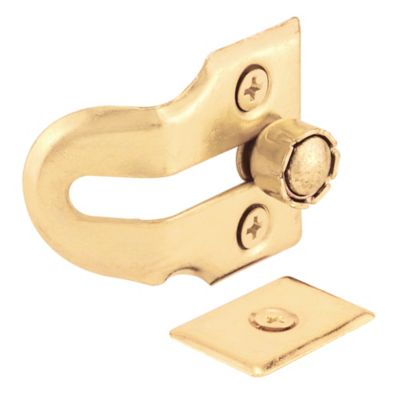
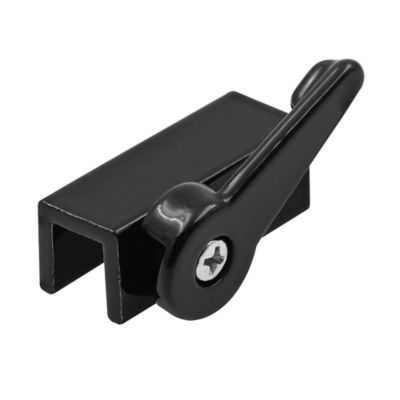
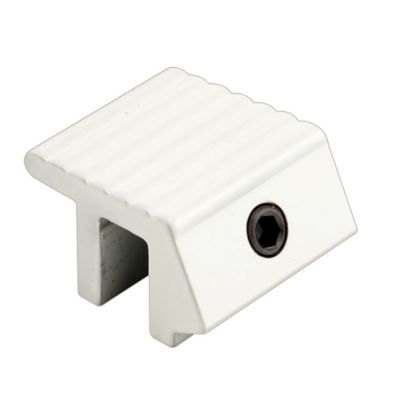
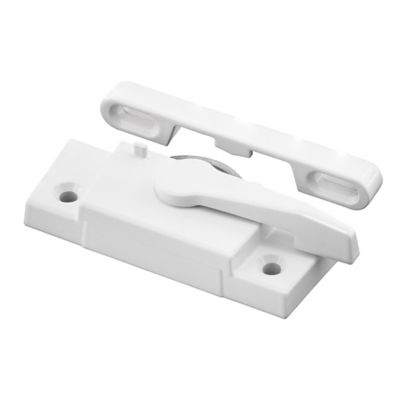
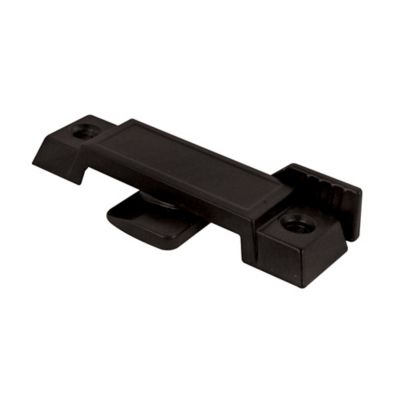
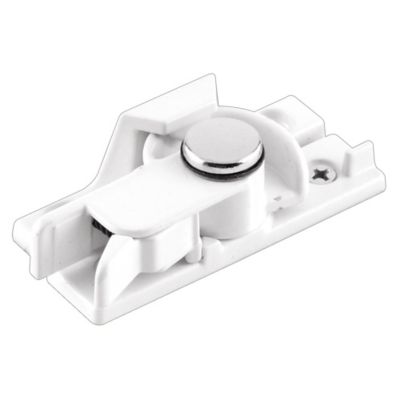
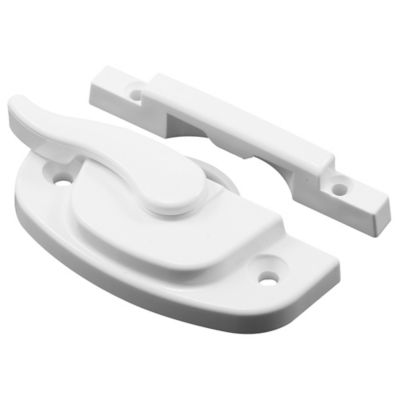
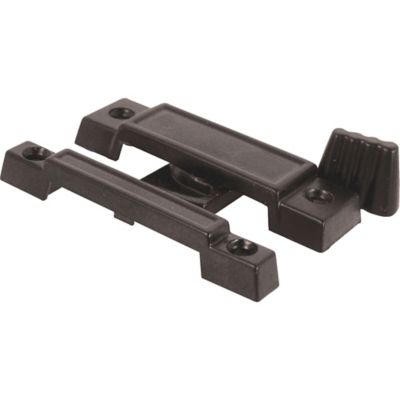
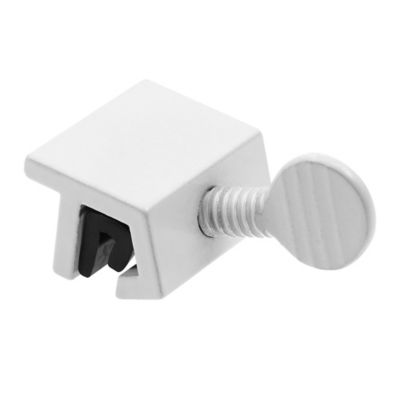
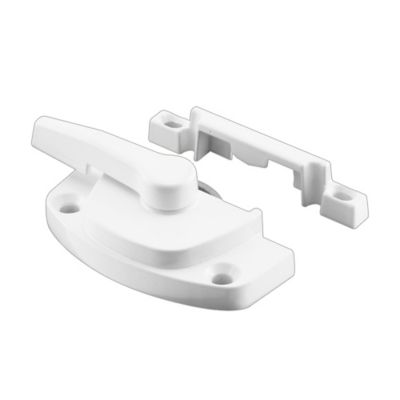
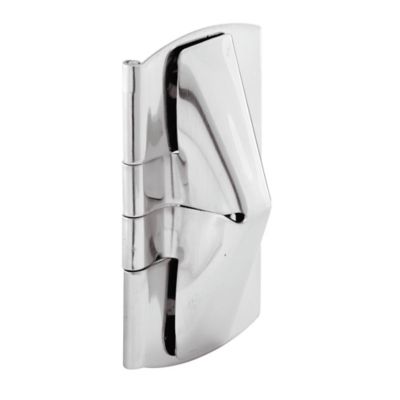
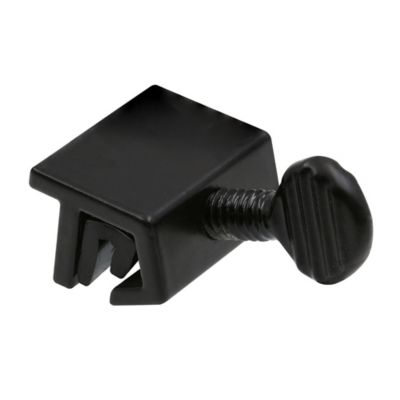
Keyed locks for sliding windows are locking devices that restrict movement of a window sash through a key-operated mechanism. Depending on their design, they can hold a window closed or limit how far it opens. Many serve as an additional locking point alongside the window’s original latch, helping restrict unauthorized opening without replacing the rest of the window hardware. That makes them worth considering for ground-level rooms, home offices, workshops, and other spaces where an extra measure of access control makes sense. A window beside a workbench or behind a desk may not get much attention during the day, but its lock still needs to suit the opening and stay easy to operate. Horizontal sliding windows move side to side, while single-hung and double-hung windows have sashes that move vertically; hardware intended for one arrangement does not automatically fit another. Some keyed designs attach to the track and block travel, while others fasten to the frame and engage a bolt or another locking component. The right match depends on the shape of the track, the frame material, the sash clearance, and the direction of movement. A lock that looks small enough in a photo can still interfere with a handle, screen, or second sash once it is in place. Measurements and the manufacturer’s stated compatibility matter more than appearance alone. In a house with several window styles, different rooms may call for different locking arrangements rather than one design throughout. Keyed operation can be helpful where access needs to stay with designated adults or property caretakers, though it also adds a key to manage. These locks are best understood as one part of window security: they do not strengthen the glass, repair a damaged frame, or guarantee that an opening cannot be forced.
Materials and mounting details have a lot to do with how keyed window hardware holds up in everyday service. Steel, aluminum, and die-cast metal bodies each have different characteristics, while coatings and plated finishes can help protect exposed surfaces from corrosion. The body material alone does not tell the whole story; the locking mechanism, fasteners, contact surfaces, and fit against the frame all contribute to performance. A clamp-style design may attach without drilling when the track profile and dimensions meet the manufacturer’s requirements. A screw-mounted design needs a suitable fastening surface and enough clearance to avoid glass, internal window components, and other hardware. Thin aluminum sections, hollow vinyl profiles, and solid wood frames do not accept pressure or fasteners in the same way. Tightening hardware against an unsuitable surface can distort a track or leave the sash harder to move, so compatibility is more important than simply getting a lock to grip. On painted wood, the condition of the surface beneath the hardware also matters; loose paint or damaged fibers are not a sound base for a secure attachment. For other wood-framed openings around the house,
Window Locks for Wood Windows offers a related category to consider. Profile and placement matter, too. A low-profile body may leave more room beside blinds or a screen, while a larger key cylinder needs enough space for fingers to turn the key without scraping the frame. Hardware should not obstruct the window’s normal movement when disengaged. Installation requirements deserve particular attention on replacement windows, where unauthorized drilling or alterations may affect warranty coverage. If the frame construction is unclear or the mounting area sits close to the glass, a window professional or locksmith can help establish whether the proposed hardware is appropriate. A properly matched lock should engage without forcing the sash out of alignment or relying on excessive tightening.
Day-to-day convenience matters just as much as the initial fit. In a busy household, a keyed lock works best when the people responsible for that window know which key belongs to it and where that key is kept. Where the manufacturer offers compatible keying arrangements, several locks may operate with the same key; other arrangements keep access separate between rooms or buildings. Neither approach suits every property. A homeowner managing a house and a separate workshop may want different access arrangements, while someone caring for a single residence may prefer fewer keys to sort through. Clear labeling and a spare-key plan can prevent a small piece of hardware from becoming a daily nuisance. Window condition remains important after installation, too. Dirt in the track, loose mounting screws, a bent frame, or a sash that no longer sits square can affect how a lock engages. Routine care generally means keeping the track and exposed hardware clean, checking for looseness or corrosion, and following the manufacturer’s directions for any cylinder lubricant. Household oil or an unsuitable spray can attract grime or interfere with some mechanisms, so maintenance products need to match the hardware. If a key becomes difficult to turn, forcing it can damage the key or cylinder; the cause may be misalignment rather than the lock itself. Some keyed locks permit a restricted opening for ventilation, but only when the design specifically supports that position. A partly open window is not equivalent to a secured, closed window, and ordinary window locks are not substitutes for approved fall-prevention devices. Emergency escape requirements also take priority: required escape and rescue windows generally must open from inside without a key, tool, or special knowledge. A keyed lock should not compromise that function. For rental properties, installation also needs to account for the owner’s permission and applicable building requirements. With the right fit, suitable placement, and sensible key management, keyed locks for sliding windows can add access control while keeping everyday operation straightforward.