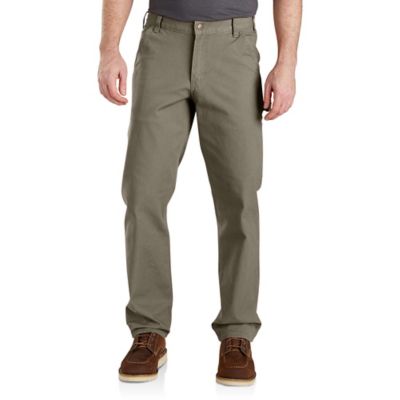
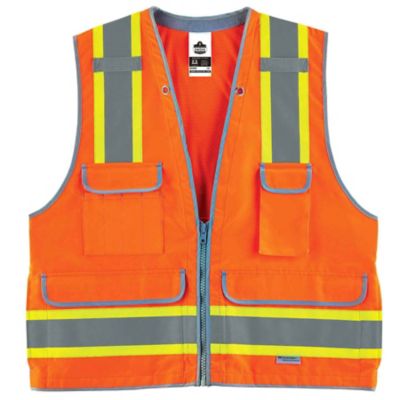
Construction safety gear helps protect people from jobsite hazards, including falling objects, flying chips, sharp edges, heavy loads, loud machinery, and airborne particles. Often called personal protective equipment, or PPE, this gear serves carpenters, concrete crews, roofers, equipment operators, and folks tackling building repairs around a farm or acreage. The right combination depends on the work, the surroundings, and the hazards identified for the job—not simply how tough a piece of equipment looks. Head protection, for example, comes with different impact ratings and electrical classifications. A hard hat designed for top impact does not necessarily offer the same protection against side impact, and not every hard hat carries an electrical rating. Shell material, suspension adjustment, and compatibility with other protective equipment all matter when a workday involves bending over forms, moving beneath scaffolding, or working near overhead framing. Eye and face protection also vary by task. Safety glasses with side coverage help shield against flying particles, while properly rated goggles can provide protection suited to dust or chemical splash hazards. A face shield generally supplements, rather than replaces, the appropriate glasses or goggles underneath. Markings associated with ANSI/ISEA Z87.1 help identify protective eyewear performance, but the exact markings and manufacturer specifications determine which hazards it addresses. Clear vision matters just as much on a chilly morning as it does inside a busy workshop, making lens condition, fog control, and a steady fit worth attention. High-visibility apparel adds another layer of protection around moving trucks and equipment. Fluorescent background material helps workers stand out in daylight, while retroreflective material returns light toward its source in darker conditions. Garment type and performance class should match the work environment and applicable requirements. Room for a jacket, secure closures, and a cut that stays clear of moving parts help keep visibility apparel practical through the cooler months, whether the setting is a roadside project or a muddy building site.
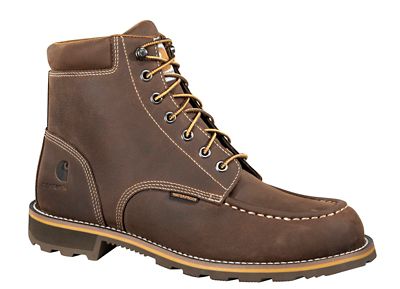
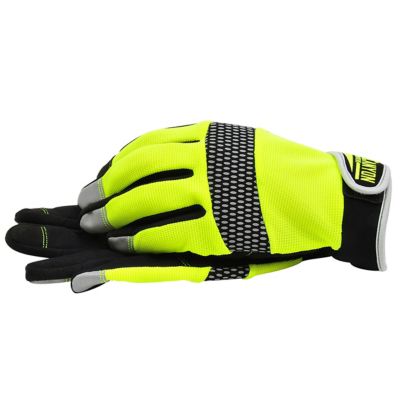
Hand and foot protection take much of the everyday wear on a construction job, from carrying rough lumber to stepping across gravel and scattered debris. Leather gloves can suit handling tasks where abrasion resistance and grip matter, while coated fabrics may offer a closer fit and better handling in certain wet or oily conditions. Cut-resistant materials address particular cutting hazards, but no glove is cut-proof, and protection ratings are more useful than thickness alone. Chemical-resistant gloves require a closer match between the glove material and the substance involved; one coating cannot cover every solvent, adhesive, or cleaning agent. Fit makes a noticeable difference when fastening hardware or carrying block. Bunched fingertips can get in the way, while tight seams can make a long afternoon uncomfortable. Around rotating equipment, glove selection also needs to account for entanglement hazards and the machine’s operating instructions. Protective work footwear brings its own set of considerations, including toe impact and compression ratings, underfoot protection, traction, and support. Steel and composite safety toes can both meet recognized performance requirements, so the rating and fit matter more than the material name by itself. Puncture resistance is a separate feature, and no outsole grips every surface equally well. Mud, loose aggregate, smooth concrete, and slick steps each put different demands on tread. Space for work socks without heel movement helps keep footing steady, while moisture management and suitable insulation support comfort during colder stretches. Hearing and respiratory protection round out many jobsite PPE needs. Earplugs and earmuffs reduce sound exposure when properly selected and worn; their performance depends on fit, noise levels, and wear time. Respiratory protection must match the airborne hazard. A particulate respirator does not protect against gases or vapors, and nuisance face coverings are not substitutes for approved respiratory protection. Concrete cutting, sanding, and similar work may require dust controls alongside a properly selected, NIOSH-approved respirator. Required workplace respirator use also involves medical evaluation, training, and fit testing for tight-fitting models, with facial hair kept clear of the sealing surface.
Fall protection and electrical safety equipment call for especially careful matching between the gear and the work. A full-body harness is only one part of a personal fall arrest system, which also depends on compatible connectors, an appropriate anchorage, sufficient clearance, and a rescue plan. Working along a roof edge or from an elevated structure brings different demands than moving materials at ground level, and a harness alone does not make either situation safe. Strap adjustment, connection locations, worker weight limits, and the manufacturer’s instructions all shape how a system performs. Equipment that has arrested a fall must be removed from service and handled according to those instructions and applicable requirements. Electrical tasks introduce separate shock and arc-flash hazards, which ordinary work gloves and general workwear do not address. For that side of the job,
Safety Equipment For Electricians covers a related category of protection. Electrical PPE selection belongs alongside qualified work practices, proper training, and de-energizing equipment whenever required; an electrical-hazard footwear rating is not permission to work on energized systems. Across all construction safety equipment, comfort and compatibility help make protection workable for a full shift. Earmuffs need room to seal, eyewear should sit without disturbing a respirator, and cold-weather layers must not interfere with harness adjustment or hard hat suspension. Materials also affect how gear holds up between jobs. Webbing needs protection from sharp edges and damaging chemicals, lenses need cleaning methods that preserve their surfaces, and reflective trim needs care that maintains its visibility. Manufacturer-approved washing, drying, storage, and inspection practices help preserve the intended performance. Cracked shells, frayed straps, damaged closures, worn tread, and scratched lenses can signal that equipment needs attention or replacement. For a hired crew, OSHA requirements and the employer’s hazard assessment help determine the necessary protection and training. Around a barn addition or workshop project, the same task-specific approach keeps the focus where it belongs: protective ratings, proper fit, and equipment suited to the actual work.