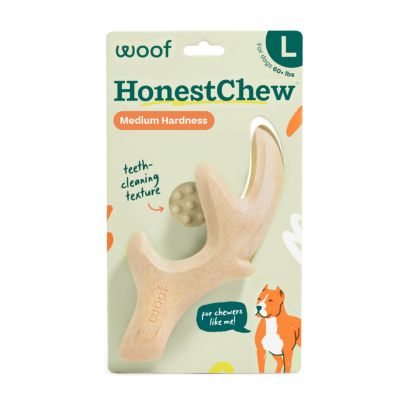
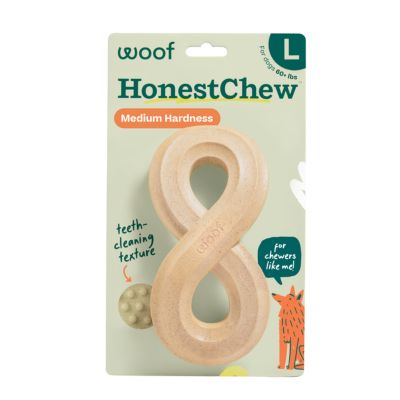
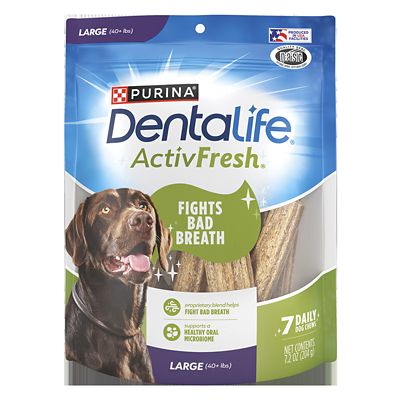
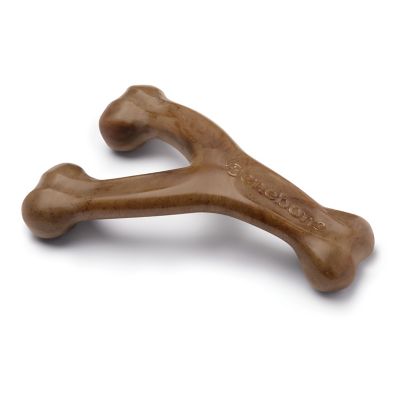
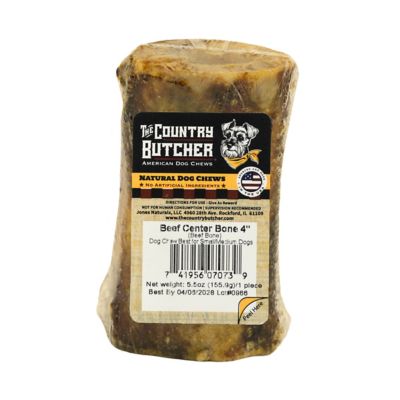
Safe dog chews are those that suit a dog’s size, chewing habits, age, and health, with a texture that limits tooth damage and a size that helps prevent swallowing the chew whole. No chew is risk-free, and supervision matters even when a dog has enjoyed the same kind before. For a dog that settles down and slowly works along an edge, a chew may provide a satisfying activity between walks and playtime. A dog that bites off big chunks or tries to gulp treats needs a different approach, often with guidance from a veterinarian. Body weight is a starting point, but jaw strength and behavior matter just as much. A small dog can be an enthusiastic chewer, while a larger dog may take a gentler approach. Size recommendations, age limits, and feeding directions help narrow the selection, especially for puppies with developing teeth and older dogs with worn teeth or tender mouths. The chew should be large enough that the dog cannot fit it entirely into its mouth, while still being manageable to hold and work on. As it gets smaller, that fit changes, which is why the last piece deserves as much attention as the first. Extremely hard materials can fracture teeth; a chew that barely gives under pressure is not automatically a better choice just because it lasts longer. Cooked bones can splinter, and hard bones, antlers, and hooves also carry dental risks. Toughness and safety are separate considerations. For a dog with a history of broken teeth, choking, digestive trouble, or swallowing objects, a veterinarian can help determine whether chewing treats are appropriate at all. The goal is a comfortable chewing session, not a contest between strong jaws and the hardest material. A good match gives the dog something enjoyable to work on without asking teeth or digestion to handle more than they should.
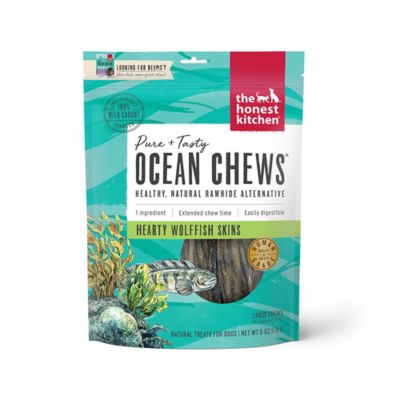
Ingredients and construction help explain how different dog chews fit into everyday feeding. Edible chews may contain animal-derived ingredients, plant-based ingredients, or combinations that create a particular texture. A short ingredient list can make it easier to identify protein sources and avoid a known sensitivity, but a single ingredient does not guarantee easy digestion or freedom from choking hazards. The same goes for descriptions such as natural: the material still needs to suit the individual dog. Chews made from skin, collagen, or starch-based blends can differ in firmness, how they soften, and how readily a dog breaks off pieces. Those differences matter more than a broad category name alone. For shoppers comparing alternatives,
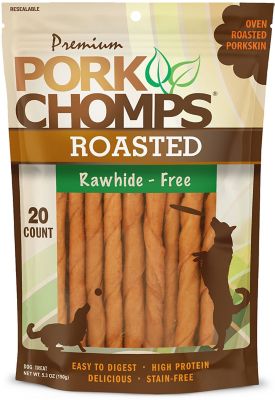
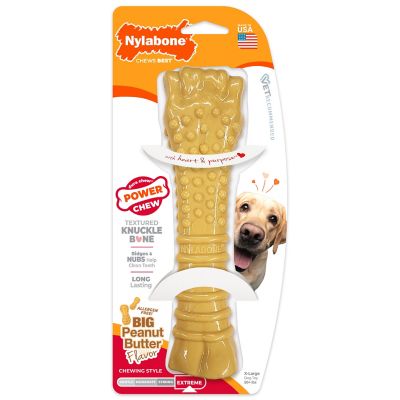
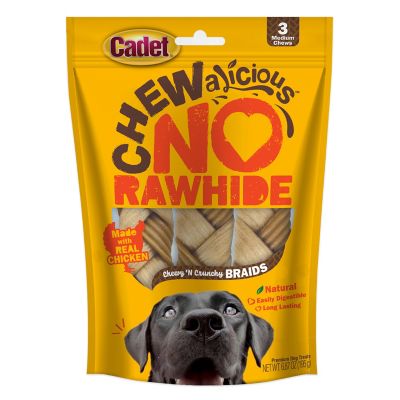
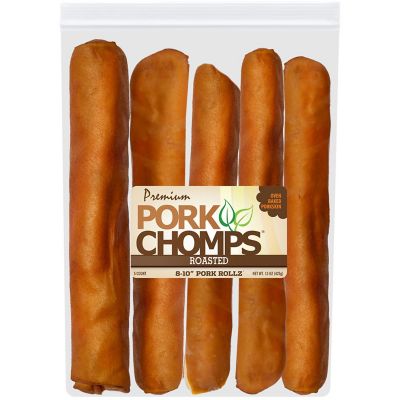
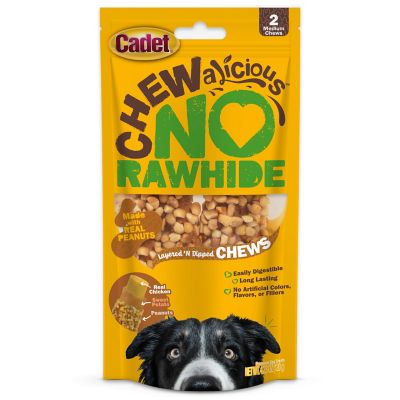
Non Rawhide Dog Chews offers a related category to explore, with the same need to check ingredients, sizing, and feeding directions. Rawhide-free does not mean risk-free, and any edible chew can cause trouble if a dog swallows a large piece. Digestibility also varies with the formula, portion, and dog, so claims about easy digestion are not a substitute for watching how a pet responds. Calorie information belongs in the comparison, too, especially for a smaller dog or one following a weight-management plan. Edible chews count toward daily treats rather than replacing a complete and balanced diet; treats generally should contribute no more than about 10 percent of daily calories unless a veterinarian recommends otherwise. For dogs eating a prescription or elimination diet, even an occasional chew may interfere with the feeding plan. Dental chews are another consideration, but tooth-cleaning benefits depend on the chew and supporting evidence, not simply its shape or firmness. They do not replace brushing or veterinary dental care. Nonedible chew toys serve a different purpose and are not food, even when they have a tempting flavor or scent. Clear labeling helps distinguish something meant to be eaten from something meant only for chewing, so the intended use stays clear from the start.
How a chew fits into life at home matters just as much as what is on the label. A quiet spot within sight of a person makes it easier to notice a dog tearing off strips, struggling with a piece, or guarding a treat from another pet. After a walk around the property, a dog might settle on a washable mat near the kitchen while chores continue nearby; that is a better setting for supervised chewing than being left alone with an unfamiliar treat. In a home with several dogs, separate chewing spaces reduce competition and the urge to swallow something before another dog gets close. Supervision also means noticing when a chew becomes small enough to gulp, develops sharp edges, or starts shedding chunks. Those changes are reasons to take it away, even if plenty of material remains. Chewing time should stay comfortable, with no bleeding gums, repeated gagging, or signs of pain. Difficulty breathing is an emergency, while repeated vomiting, trouble swallowing, or abdominal pain after chewing calls for prompt veterinary attention. Between sessions, storage and cleanup help keep treats and chew toys fit for their next outing. Edible chews belong in the conditions stated on their packaging, away from moisture, pests, and pets that might help themselves. Partially chewed treats need any storage or discard steps specified by the maker rather than an assumption that they can sit out indefinitely. Washable chew toys need cleaning according to their care directions and regular checks for cracks, missing pieces, and rough spots. A longer chewing life is useful only while the material stays intact and appropriate for the dog. Chews can also be a thoughtful gift for someone bringing home a dog, provided the owner confirms the pet’s size, diet, and chewing habits first. Whether the recipient is a young farm companion or an older house dog, the best fit comes from knowing that particular animal—not simply choosing the biggest chew or the one that promises the longest session.