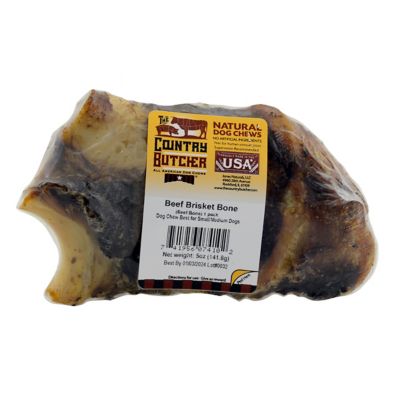
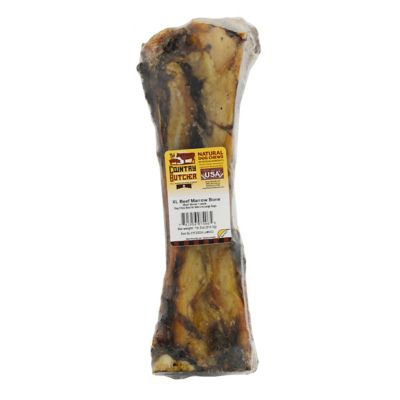
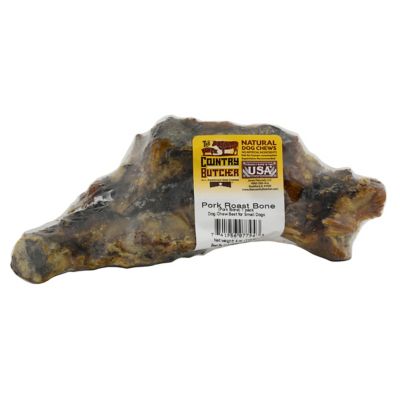
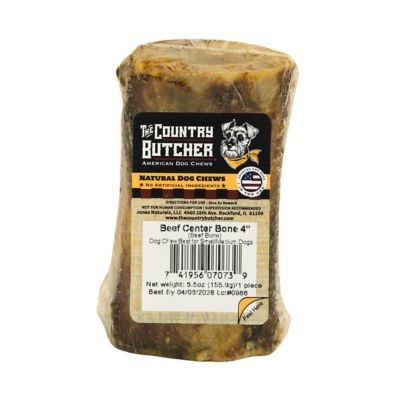
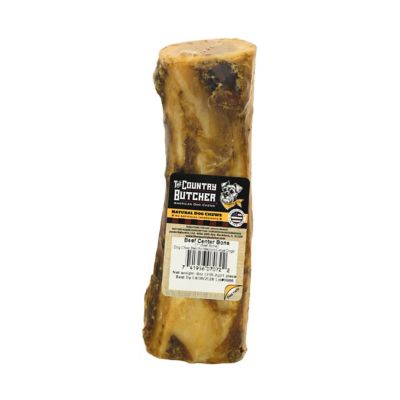
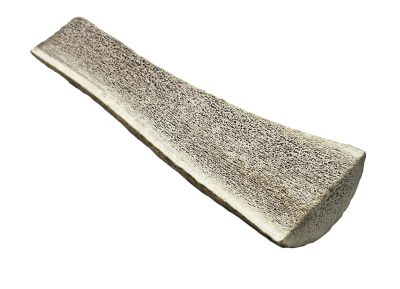
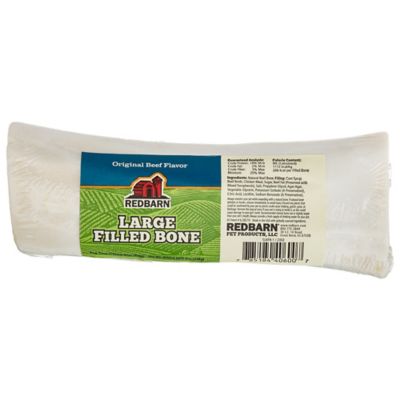
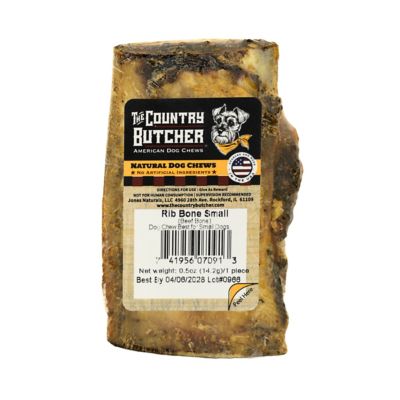
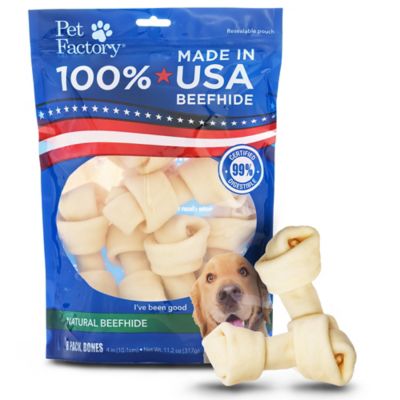
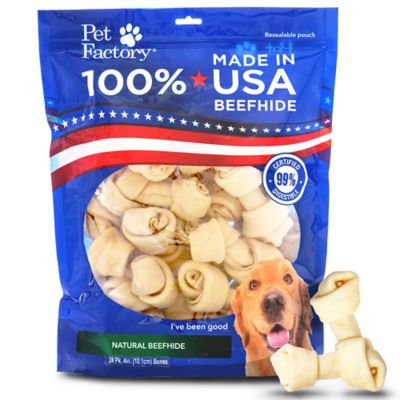
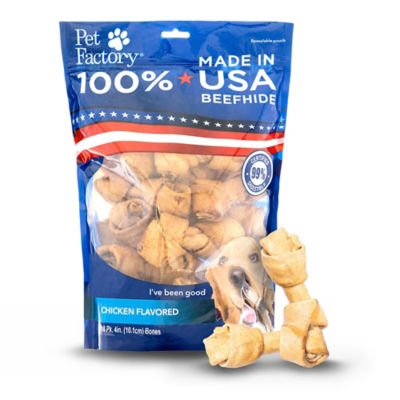
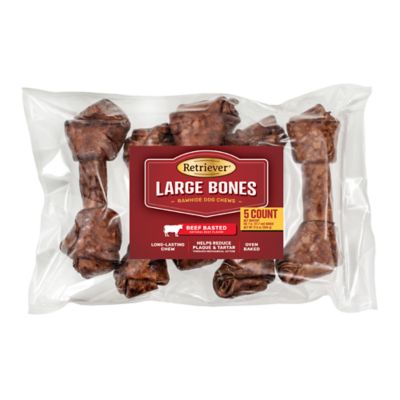
Natural dog bones are animal-derived chews that give dogs something to gnaw on, with sizes, shapes, and textures that depend on the animal source and how the bone is prepared. Chewing can provide an engaging activity, but real bones also carry risks, including broken teeth, choking, and digestive injuries. Finding a suitable chew means looking beyond its appearance to your dog’s size, mouth, health, and chewing habits. Some natural bones retain marrow or bits of tissue, while others are cleaned or contain fillings. Those differences affect more than flavor: they can change the ingredient list, fat content, storage needs, and how a dog works at the chew. A plain-looking bone and a filled bone may have very different feeding directions, so the package matters as much as the shape. Ingredient information helps distinguish the bone itself from added flavors, fillings, or preservatives, especially for dogs with food sensitivities. The animal source is worth checking, too, since a dog that needs to avoid a particular protein may also need to avoid chews from that animal. Length alone does not tell the whole story. Width, openings, cut edges, and the amount of bone a dog can fit into its mouth all affect suitability. A bone that looks substantial beside a small dog may still have a narrow section that breaks off or an opening that catches around the lower jaw. A farm dog that settles beside the kitchen table and slowly gnaws has different needs from a family companion that clamps down hard and tries to crush every chew. Even dogs of the same breed can approach bones differently. The word “natural” describes the material; it does not mean a bone is risk-free, easily digested, or right for every dog. These chews belong in the treat-and-enrichment part of a dog’s routine, not in place of complete meals, exercise, companionship, or regular dental care. The best starting point is a clear ingredient label, sensible sizing information, and an honest look at how your dog actually chews.
Size and hardness deserve close attention when comparing natural dog bones. A chew should not be small enough for the dog to swallow whole, and it needs to remain suitable as chewing changes its shape. For dogs between the smaller and larger size ranges,
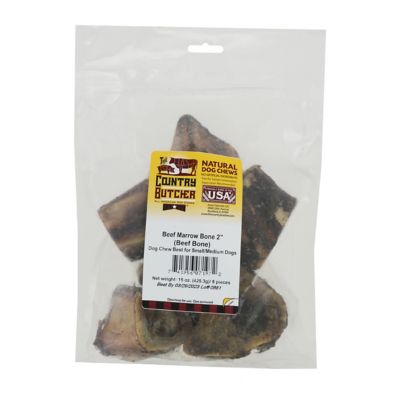
Medium Dog Bones offers a focused place to compare sizes, but your dog’s mouth and behavior still matter more than a category label. A wider or heavier bone is not automatically a better match for a strong chewer. Dense, weight-bearing bones can be hard enough to fracture teeth, particularly when a dog bears down instead of gently gnawing. Dogs that try to crush bones, gulp chunks, or strip off large pieces may need a different kind of chew altogether. Puppies with developing teeth, older dogs with dental wear, and dogs with previous tooth injuries need extra consideration before receiving real bones. A veterinarian can help determine whether bones make sense for a particular dog and suggest another chewing option when they do not. Preparation matters, but no preparation method removes every risk. Cooked bones from meals should never become dog treats because they can splinter and injure the mouth or digestive tract. Commercially dried, baked, or roasted bones are not automatically safe simply because they are packaged for dogs. Raw bones also present injury risks and can carry bacteria that affect both pets and people. Claims about slow cooking or minimal processing should not replace attention to hardness, handling directions, and veterinary advice. Natural bones may keep a dog interested in chewing, but they should not be counted on as a dental treatment. Toothbrushing and professional dental care still have their own place in keeping a dog’s mouth healthy. Signs such as bleeding gums, reluctance to eat, chewing on only one side, or a sudden change in interest deserve attention rather than a harder chew. The goal is an activity that suits the dog, not a contest to see how long a bone can withstand determined jaws.
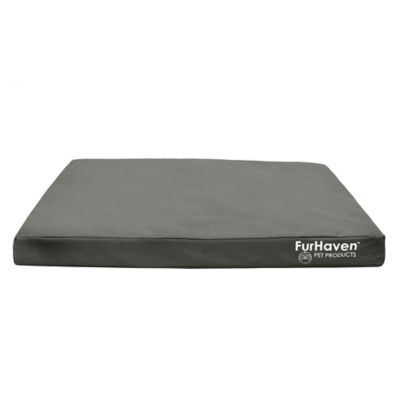
Care and supervision are part of choosing natural dog bones, not details to consider afterward. A supervised chewing spot might be a washable mat near your chair, where the dog has room to settle and every change in the bone is easy to notice. Bones are not something to leave in a crate while heading out to the barn or running errands. Short sessions give you a chance to watch your dog’s response and inspect the chew, rather than letting a determined dog work at it for hours. Follow the package directions and ask your veterinarian about an appropriate chewing routine; there is no single session length that makes every bone safe. Remove a bone when it develops sharp edges, cracks, loose fragments, or becomes small enough to swallow. Take away broken pieces rather than allowing the dog to finish them. Coughing, gagging, repeated swallowing, mouth bleeding, vomiting, or signs of belly pain call for prompt veterinary attention. If a dog guards chews, keeping children and other pets away from the chewing area is important, and a safe trade is better than reaching straight into the dog’s mouth. Storage and cleanup depend on the product’s preparation, so follow its label rather than assuming every natural bone can sit out between sessions. Wash hands after handling animal-derived chews, clean the surface beneath them, and keep them away from food-preparation areas. Raw bones require particular care to limit bacterial contamination. Discard bones with spoilage, mold, or contamination, and do not try to extend their life by cooking them at home. Marrow, attached tissue, and fillings may add calories or fat, which matters for dogs managing their weight or living with digestive conditions. Introducing any new chew cautiously makes it easier to notice stomach upset or another unwanted response. If natural dog bones are part of a gift for a dog owner, checking the dog’s diet restrictions and chewing habits first is more thoughtful than choosing by size alone. A suitable chew fits the dog, the household, and the amount of supervision someone can provide.