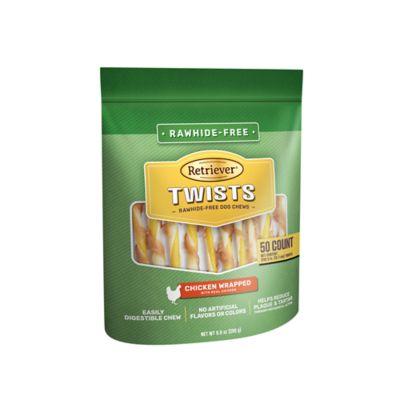
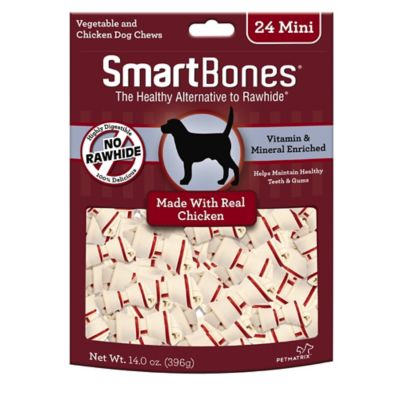
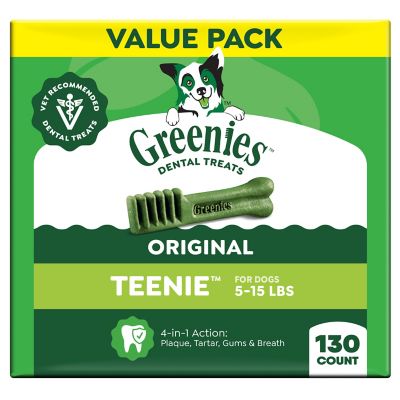
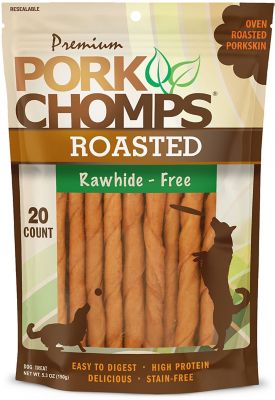
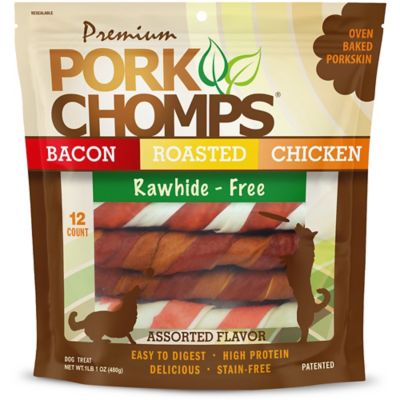
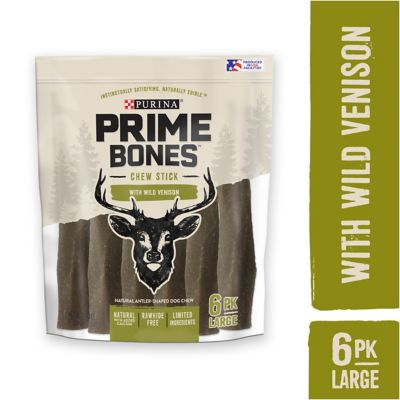
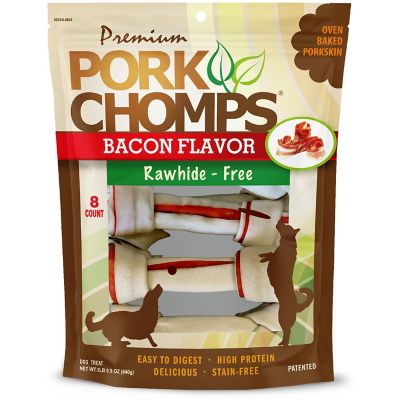
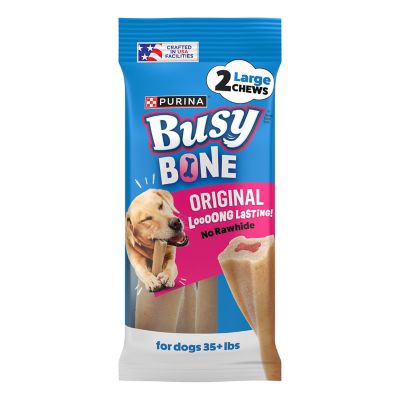
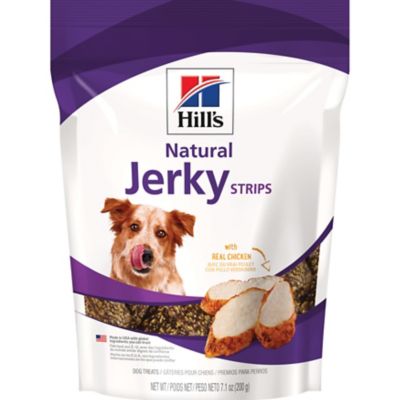
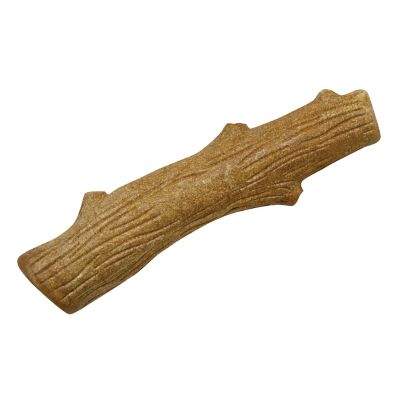
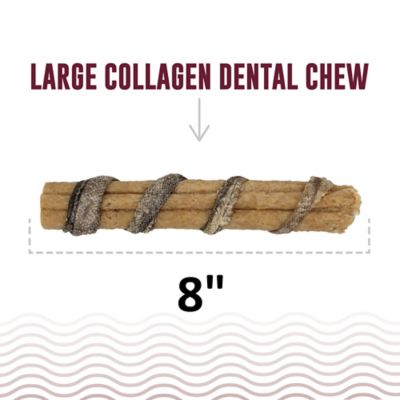
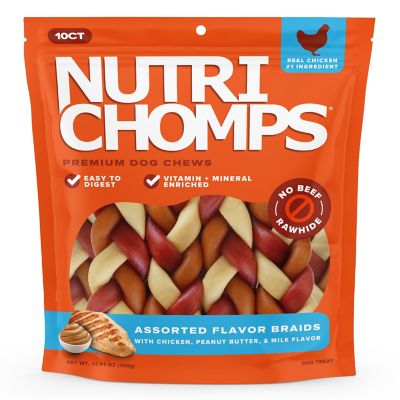
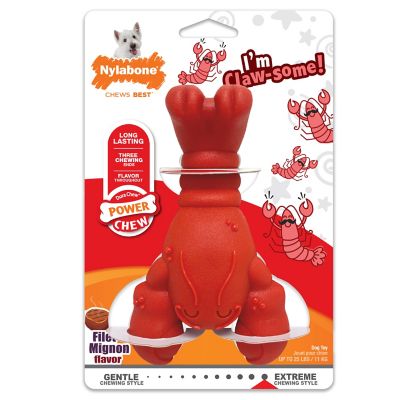
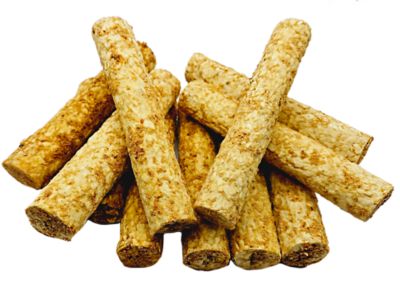
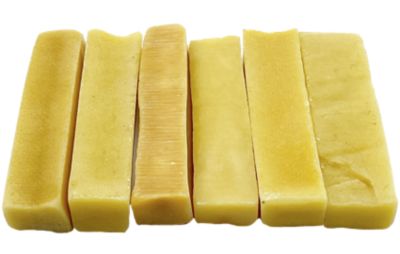
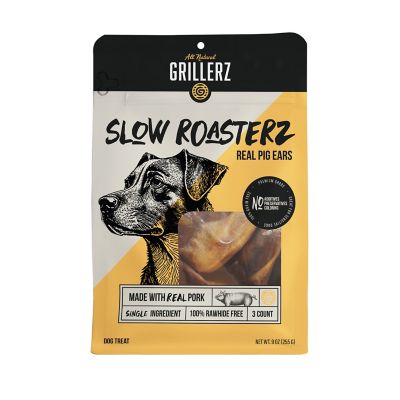
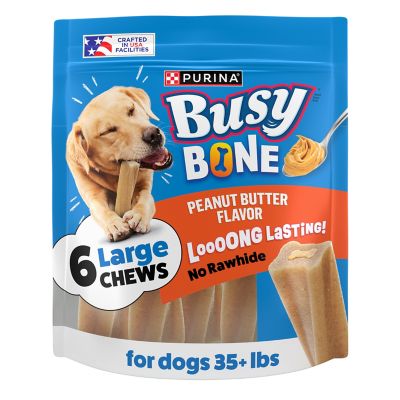
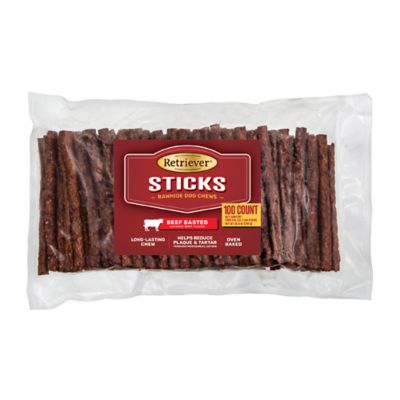
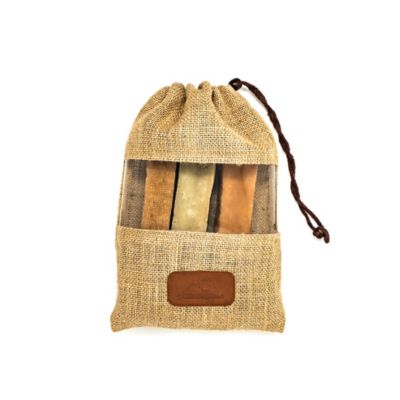
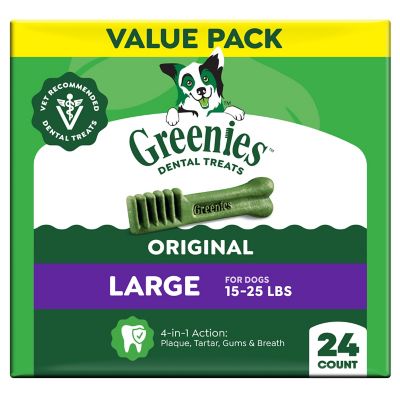
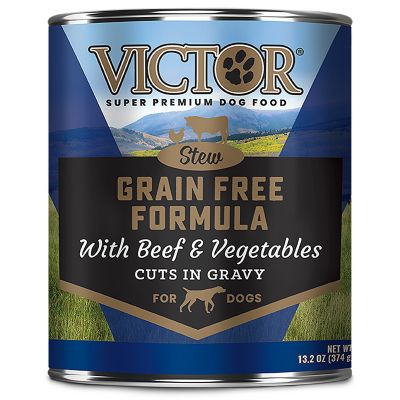
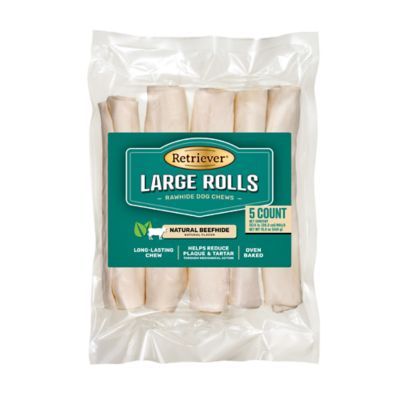
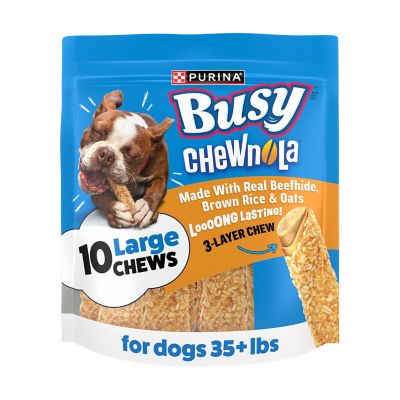
Non rawhide dog chews give dogs a satisfying way to work out their natural urge to chew without relying on traditional rawhide. They come in a wide range of shapes, textures and ingredients, so they can fit into everyday routines for puppies, adult dogs, senior dogs and everything in between. Some are made with real meat, vegetables, grains or other digestible ingredients, while others use single-ingredient options such as beef muscle, collagen, beef cheek or hardened milk. Bully sticks are a popular high-protein choice for many families, and collagen chews and beef cheeks can offer a longer-lasting texture for moderate chewers. Cheese-based chews may keep a dog busy for a good while, although they should be chosen with care for dogs that chew aggressively because very hard treats can put extra strain on teeth. Even a plain carrot, served raw or frozen when appropriate for the dog, can give a healthy chewer a crisp, low-calorie snack. Non rawhide dog chews can help pass the time during a quiet afternoon on the porch, settle a dog after a walk or keep busy paws occupied while chores are getting done. They also make a thoughtful gift for a friend, neighbor or family member with a new puppy, an active farm dog or a four-legged companion that enjoys having a special treat in its kennel or bed. For households that use
Rolled Rawhide For Dogs, comparing ingredients, texture and chewing habits can help each pet owner choose an option that works best for their dog’s routine.
Choosing the right non rawhide dog chew starts with the individual dog, not just the label on the package. Check the recommended size and weight range, then choose a chew large enough that the dog cannot swallow it whole. A small chew may be suitable for a small breed, while a larger dog often needs a thicker, sturdier option that can stand up to a stronger bite. Puppies may need softer textures that are easier on developing teeth, while older dogs or dogs with dental concerns may do better with chews that are not rock-hard. Strong chewers can make quick work of soft twists and thin treats, while gentle chewers may prefer something tender and easy to break apart. Ingredient lists are worth a close look, especially for dogs with food sensitivities. Single-ingredient chews can make it simpler to keep track of what a dog is eating, while flavored or multi-ingredient chews offer variety for dogs that tire of the same snack. Digestibility matters, too, but no chew is right for every dog. Always follow the package directions, account for treat calories in the dog’s daily food, and introduce a new chew gradually if the dog has a sensitive stomach. Some chews may have a noticeable natural odor, particularly meat-based options, so they may be best enjoyed outdoors, in a mudroom or on a washable mat. Others are cleaner and easier to store indoors. Keep chews in a cool, dry place, and pay attention to freshness, moisture and packaging before serving.
Supervision is an important part of using non rawhide dog chews safely. Stay nearby while the dog chews, particularly the first few times, and remove small pieces or worn-down ends that could become a choking hazard. Make sure the dog has plenty of fresh water and a calm place to enjoy the treat without competition from other pets or children. If a dog guards food or chews, offer the treat in a separate area and teach children to give the dog space. Inspect the chew as it softens or breaks down, and replace it when it becomes small enough to swallow or develops sharp edges. Dogs can have individual reactions to new ingredients, so watch for signs of stomach upset, itching or other unusual behavior and contact a veterinarian if concerns arise. It also helps to match the chew to the moment. A lighter, lower-calorie option may work well between meals, while a longer-lasting chew can be handy during travel, grooming appointments or rainy-day downtime. During warmer weather, outdoor chewing can keep crumbs and odors out of the house, while cooler months often bring more indoor rest time and a greater need for quiet activities. A new chew tucked into a pet’s stocking, adoption-day basket or welcome-home package can be a useful gift as well as a little bit of fun. With the right size, texture, ingredients and supervision, non rawhide dog chews can become a rewarding part of a dog’s routine and a simple way to add enrichment to life at home, on the road or around the farm.